


Space Brief 14 May 2025
Today's edition covers China's latest launches in their classified satellite programs, ongoing discussions in the U.S. Senate on missile defense, and the ever-escalating space debris crisis threatening national security.



Launch Date
March 24, 2021
Launch Site
Launch Pad
LC40
Launch Vehicle
NORAD ID
47993
International Designator
2021-024S
Epoch
Sat, 04 Jul 2026 08:00:03 GMT
Apogee
Calculating...
Perigee
Calculating...
Inclination
53.15°
Right Ascension
101.93°
Eccentricity
Calculating...
Argument of Perigee
99.28°
Period
91.63 min
Mean Motion
15.72 rev/day
Latitude
Calculating...
Longitude
Calculating...
Altitude
Calculating...
Velocity
Calculating...
Name
STARLINK-2273
Alternative Name
Starlink 2273
Type
Status
Owner
SPXS
Country
United States
Constellation
N/A
Related Satellites
Major Events
N/A
1 47993U 21024S 26185.33336806 .00029124 00000-0 22636-3 0 9995
2 47993 53.1487 101.9264 0001402 99.2809 11.5039 15.71555615 5925
Source: Celestrak
Length
0.2
Diameter
2.8
Span
9
Dry Mass
248
Launch Mass
260
Shape
Box + pan
Radar Cross Section
Unknown
Visual Magnitude
Unknown
Color
Unknown
Material Composition
Unknown
Payload
Starlink V1.0-L22-17
Purpose
Communication
Mission
Communication
Manufacturer
SPXS
Life Expectancy
Unknown
Bus
Starlink
Configuration
Unknown
Motor
Krypton ion thrusters
Equipment
Ku/Ka-band payload (all), optical inter-satellite links (a few prototypes)
Power System
Solar arrays, batteries
ADCS
Unknown
Transmitter Frequency
Unknown
Learn more about satellites and other related topics.
Today's edition covers China's latest launches in their classified satellite programs, ongoing discussions in the U.S. Senate on missile defense, and the ever-escalating space debris crisis threatening national security.

Forty years ago today, Challenger lifted off LC-39A on a science mission that nobody outside Morton-Thiokol would call dangerous. Years later, after the orbiter and seven other astronauts were gone, investigators looked at the recovered boosters from STS-51B and realized the crew had come within a fraction of a second of dying first. This is the story of the launch that should have been a warning.
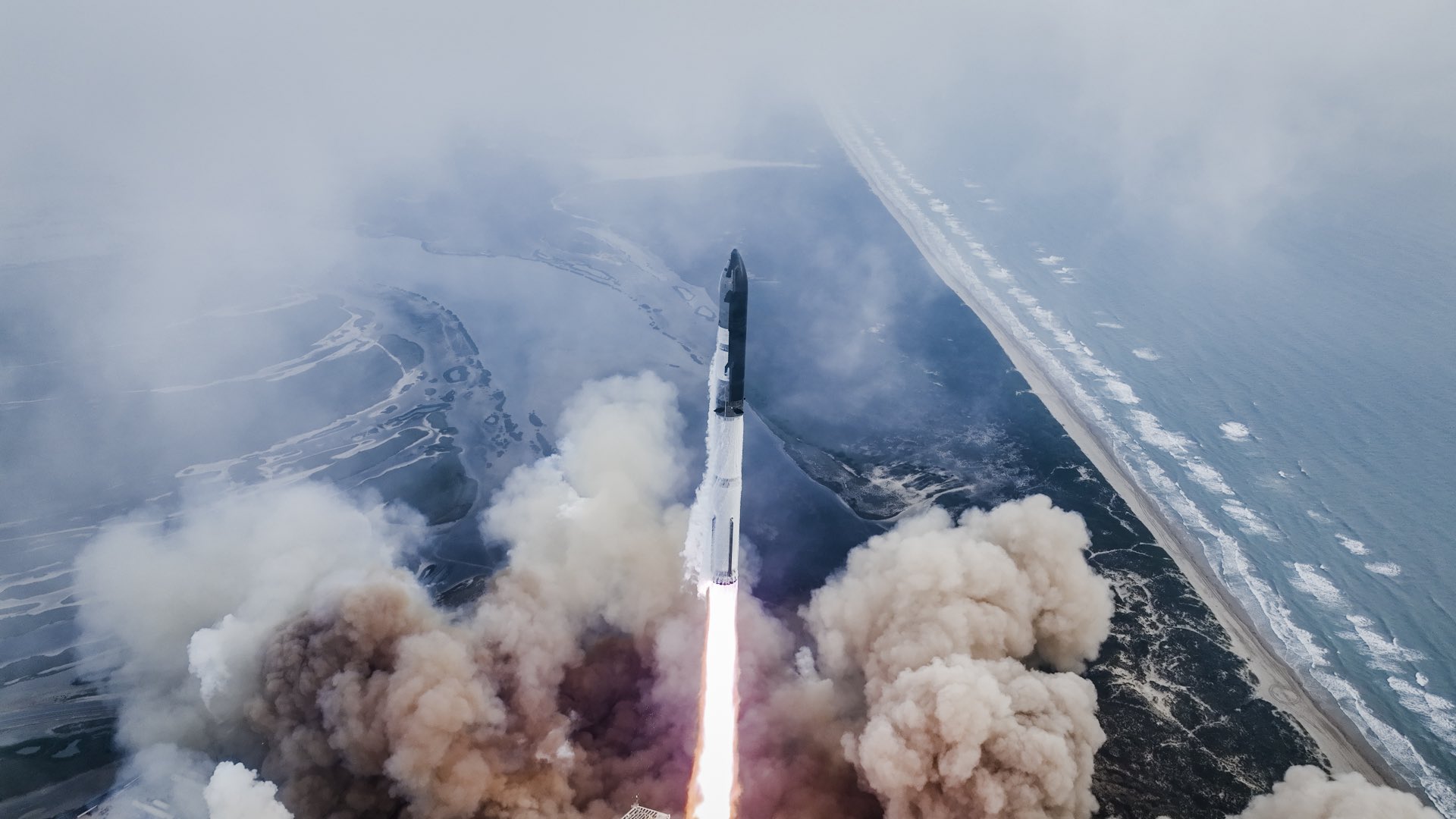
SpaceX successfully launched the latest GPS satellite for the U.S. military, while the FAA has initiated a mishap investigation on a recent Starship test flight. CEO Elon Musk provided updates on the future of the Starship program, indicating ambitious plans ahead.
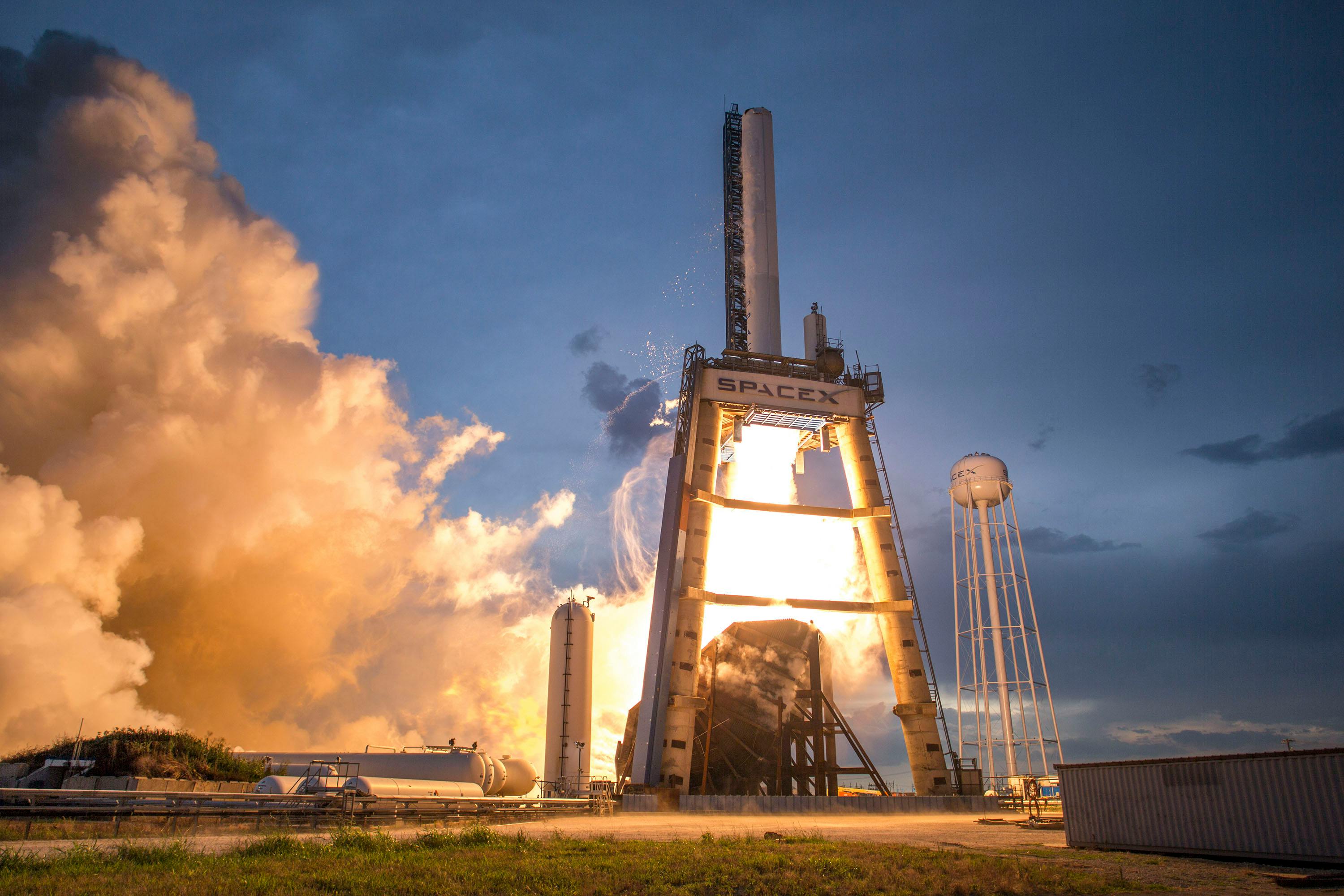
SpaceX successfully launched 28 Starlink satellites while EchoStar enhances its stake in the company through a $2.6 billion spectrum deal, amid growing demands for space domain awareness.
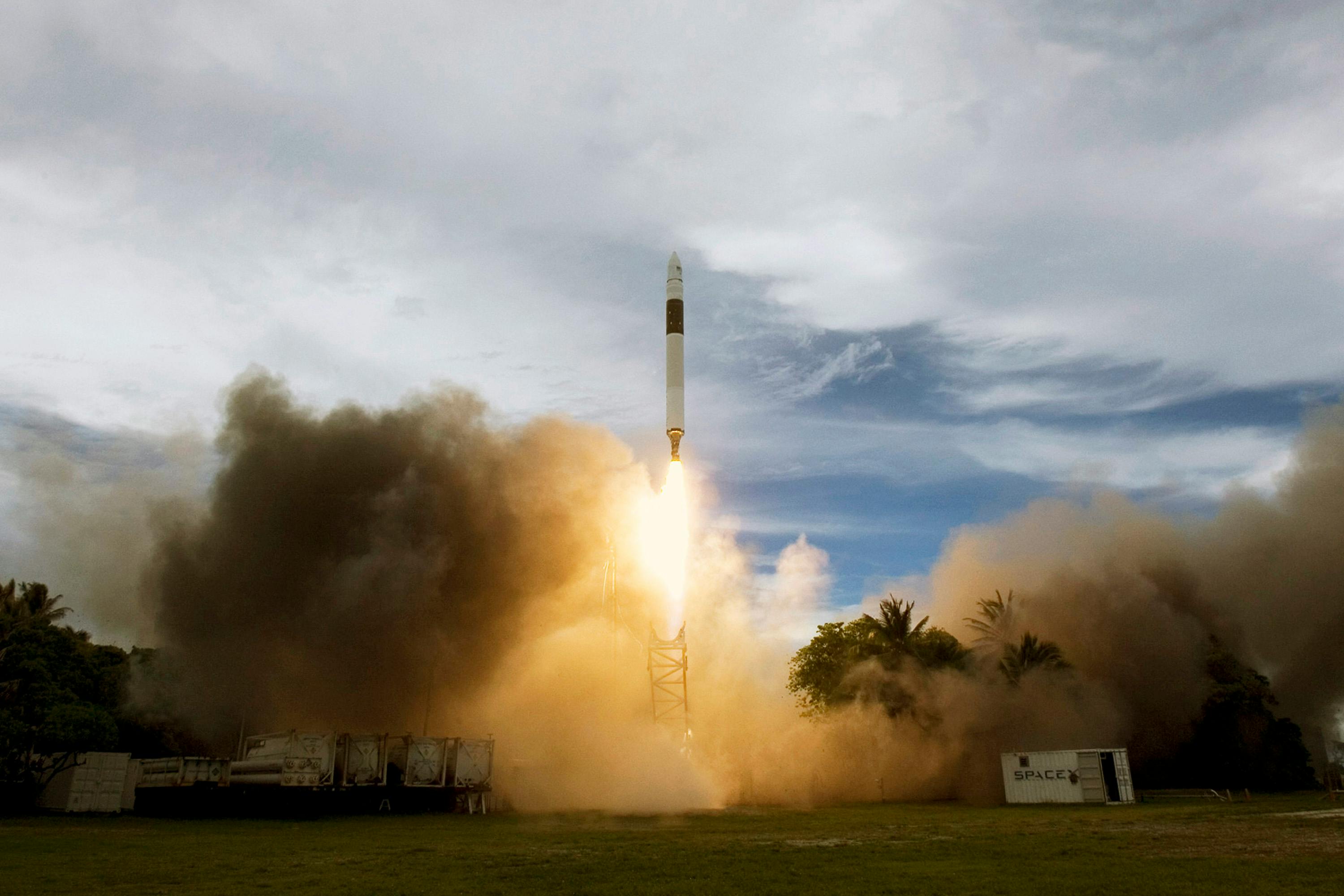
Today's highlights include Rocket Lab's successful 2025 kick-off launch, SpaceX's upcoming Starlink deployment, and a significant military satellite contract competition.
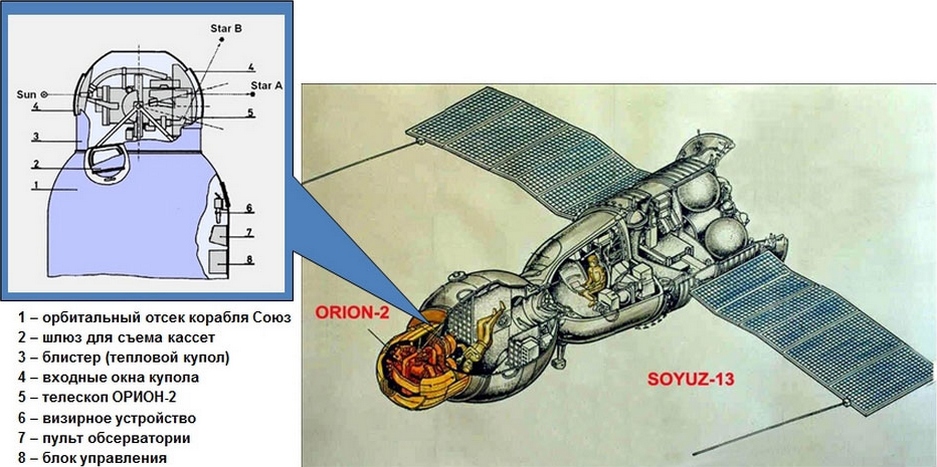
Exactly 52 years ago today, the Soviet Union launched Soyuz 13 - a scientific mission that marked the first time American astronauts and Soviet cosmonauts orbited Earth simultaneously. Armed with a revolutionary ultraviolet telescope, Pyotr Klimuk and Valentin Lebedev would discover elements never before seen in distant nebulae.

Today's highlights include the successes and setbacks in recent rocket launches, a notable satellite anomaly, and a significant expansion announcement from ESA.
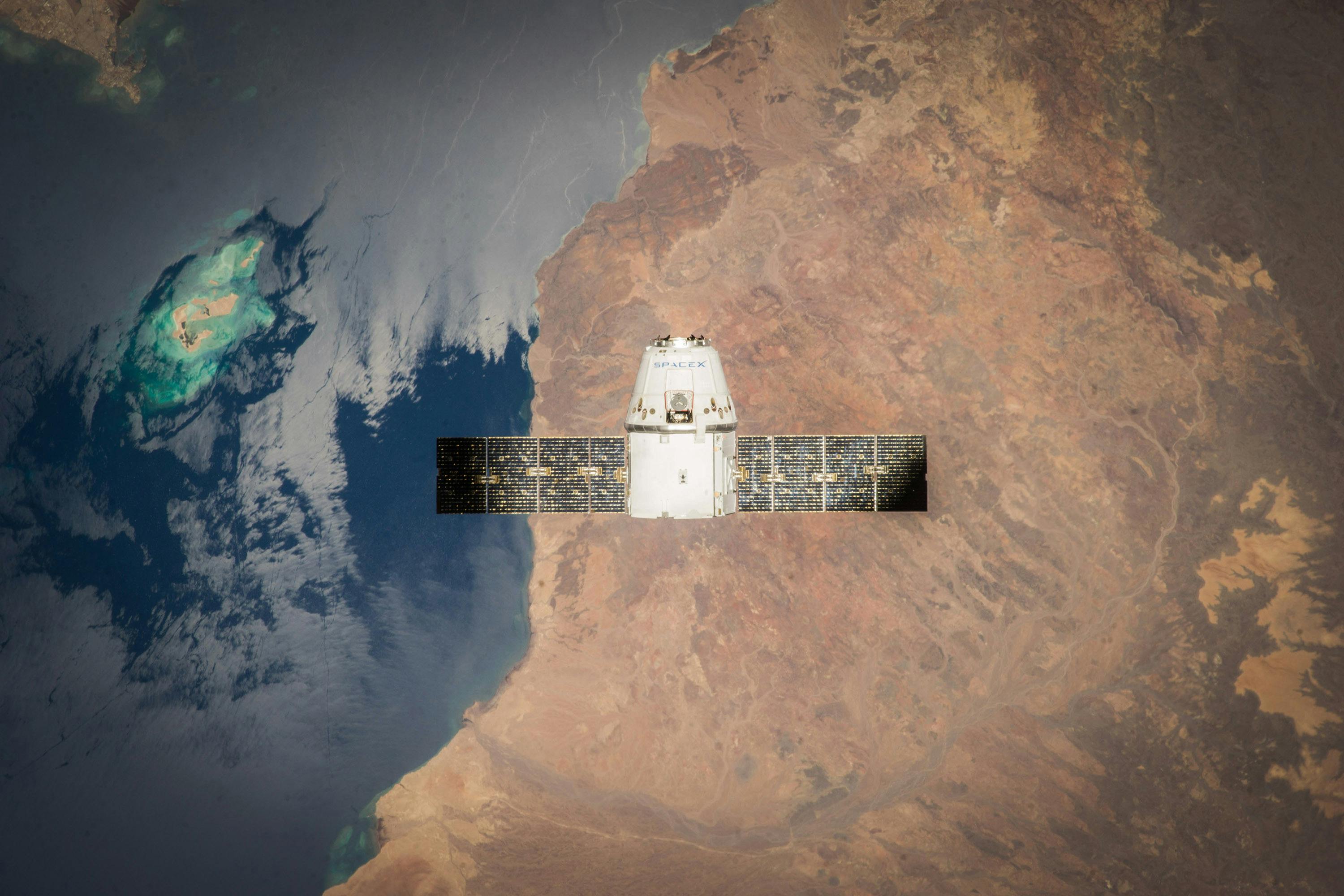
SpaceX sees another successful Starlink launch and faces strategic contract discussions as NASA pivots to reliable Dragon missions.