


X Report 25 Feb 2025
SpaceX has completed the investigation into Starship Flight 7, announcing causes ahead of the next planned launch, while numerous missions are lined up for launch this week.


Launch Date
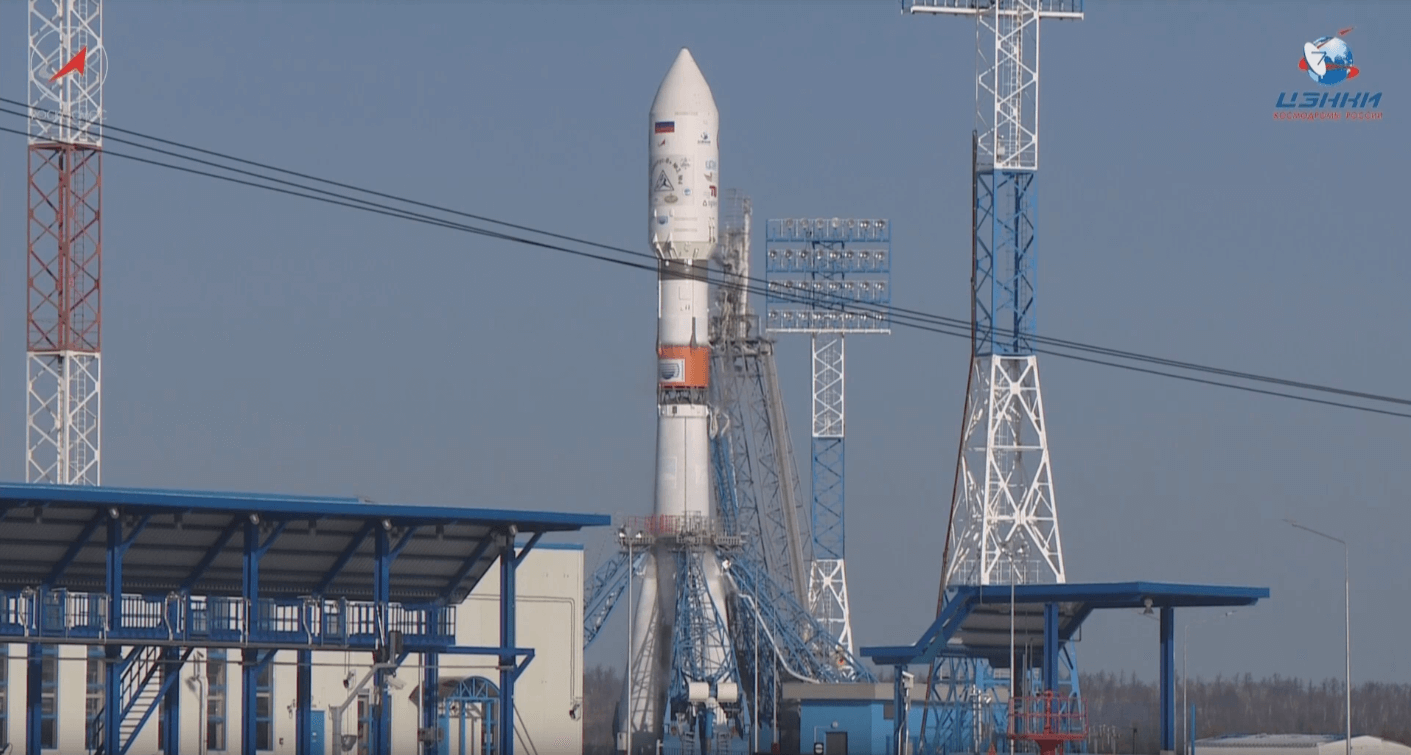
March 22, 2021
Launch Site
Launch Pad
LC31
Launch Vehicle
Soyuz-2-1A
NORAD ID
47935
International Designator
2021-022D
Epoch
Sat, 04 Jul 2026 07:07:59 GMT
Apogee
Calculating...
Perigee
Calculating...
Inclination
97.54°
Right Ascension
69.13°
Eccentricity
Calculating...
Argument of Perigee
263.19°
Period
96.07 min
Mean Motion
14.99 rev/day
Latitude
Calculating...
Longitude
Calculating...
Altitude
Calculating...
Velocity
Calculating...
Name
GRUS-1E
Alternative Name
GRUS-1E
Type
Status
Owner
AXEL
Country
Japan
Constellation
N/A
Related Satellites
Major Events
N/A
1 47935U 21022D 26185.29721275 .00001931 00000-0 16430-3 0 9993
2 47935 97.5394 69.1346 0007568 263.1919 96.8443 14.98936163288511
Source: Celestrak
Length
0.5
Diameter
0.5
Span
0.5
Dry Mass
80
Launch Mass
80
Shape
Box
Radar Cross Section
Unknown
Visual Magnitude
Unknown
Color
Unknown
Material Composition
Unknown
Payload
GRUS 1E
Purpose
Earth observation
Mission
Earth observation
Manufacturer
AXEL
Life Expectancy
> 5 years
Bus
GRUS
Configuration
Unknown
Motor
None
Equipment
Unknown
Power System
Solar cells, batteries
ADCS
Unknown
Transmitter Frequency
Unknown
Learn more about satellites and other related topics.
SpaceX has completed the investigation into Starship Flight 7, announcing causes ahead of the next planned launch, while numerous missions are lined up for launch this week.
Today's highlights include Canada's and Australia's investment in hypersonic defense, China's successful test of an inflatable space module, and Sweden's support of Ukrainian missile and drone production.

Today's edition highlights the operational deployment of HawkEye 360's Cluster 12, Shandong's record satellite launch, Planet Labs' latest imaging achievements, SpaceX's Starlink launches, and more.
FCC dismisses SpaceX spectrum challenges, blocking key D2D frequencies. A $57M Golden Dome crosslink demo and software group seat soften the blow.
SpaceX reveals plans for Florida Starship launches, NASA teams up for dual missions, and FCC boosts satellite connectivity.
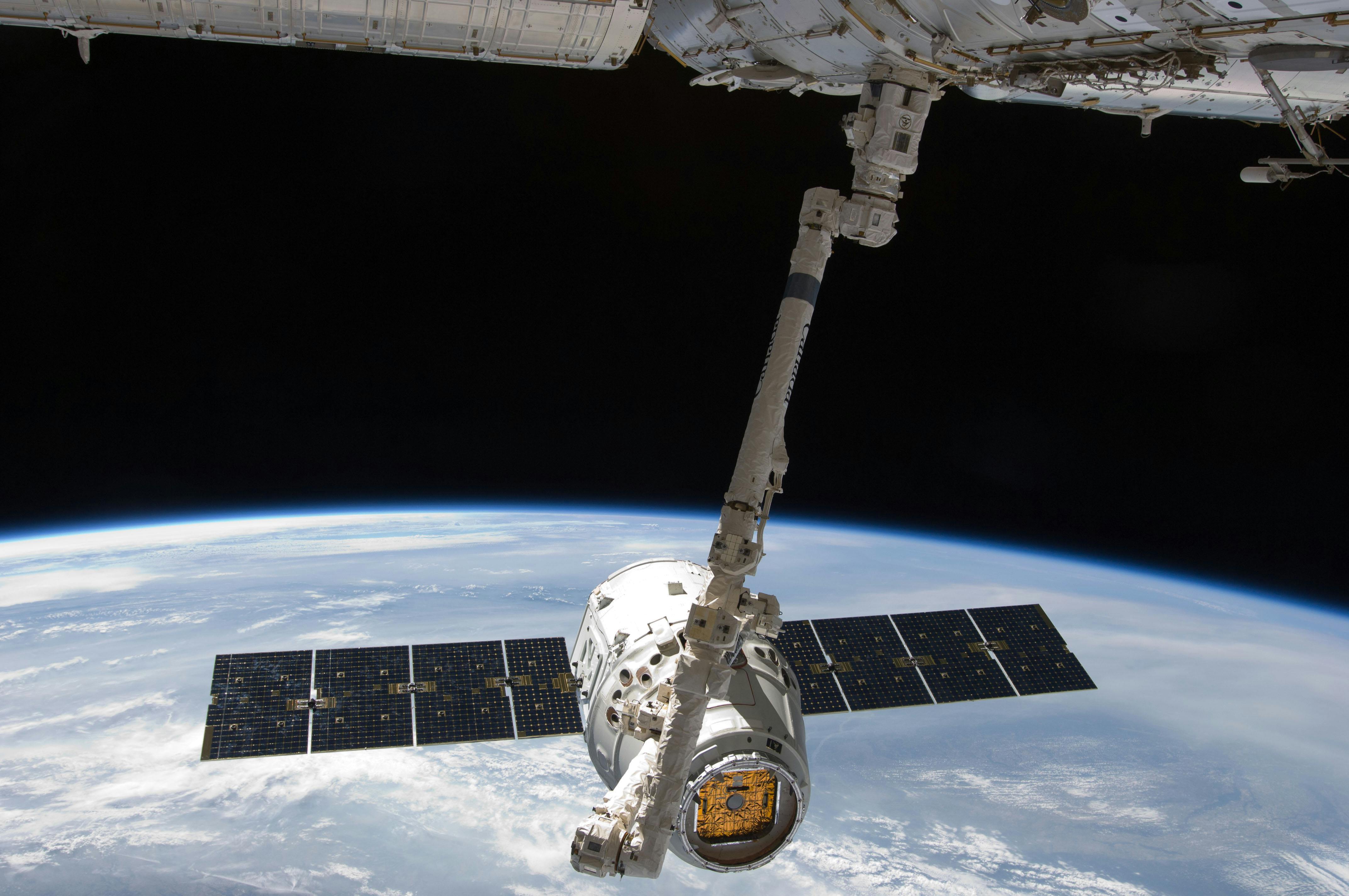
SpaceX achieves significant milestones with the launch of new Starlink satellites and the production of its 10 millionth Starlink kit amidst ongoing challenges with space station delays.
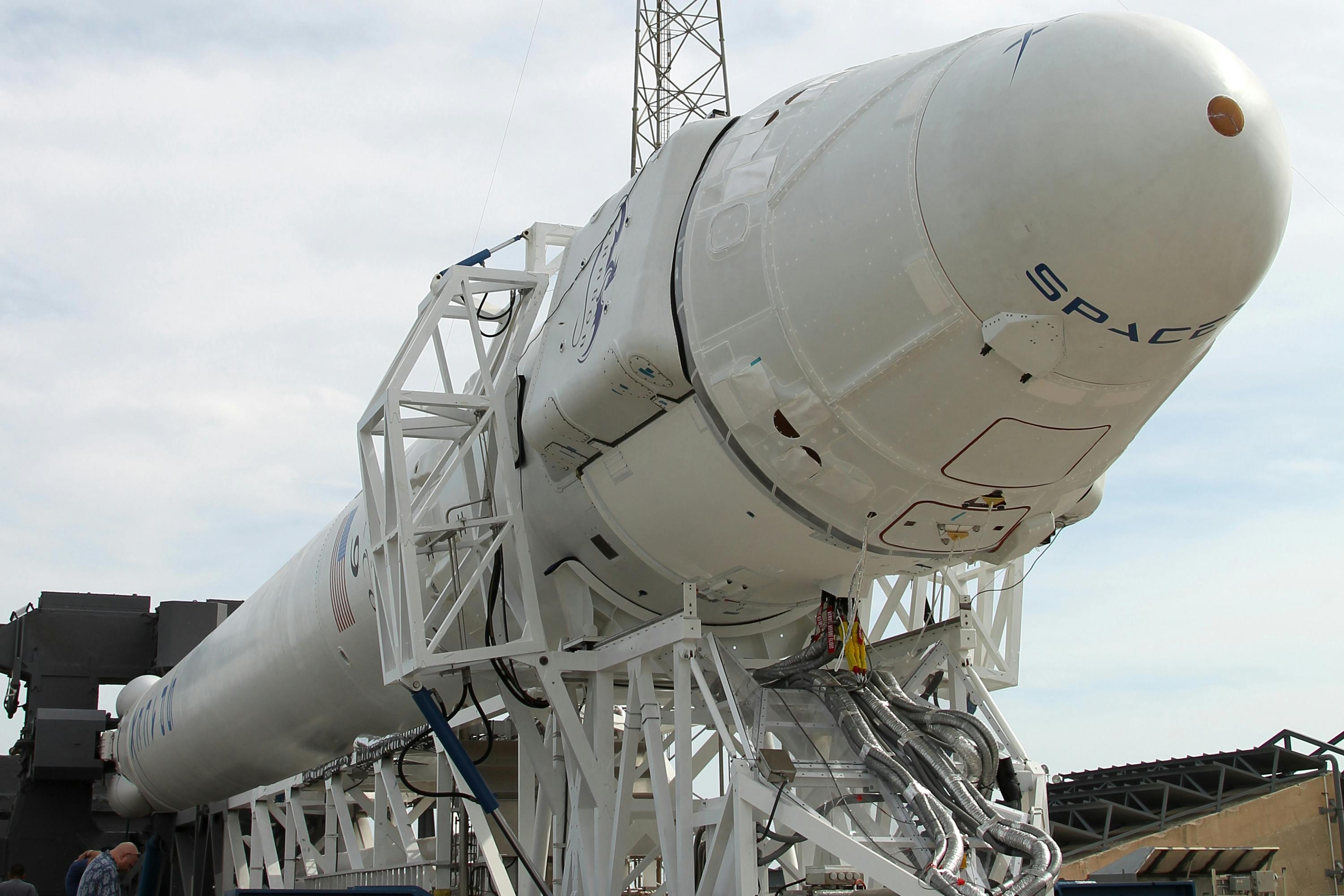
SpaceX prepares for its 100th Falcon 9 launch from Kennedy Space Center while facing a scrubbed attempt of the latest Starlink deployment.
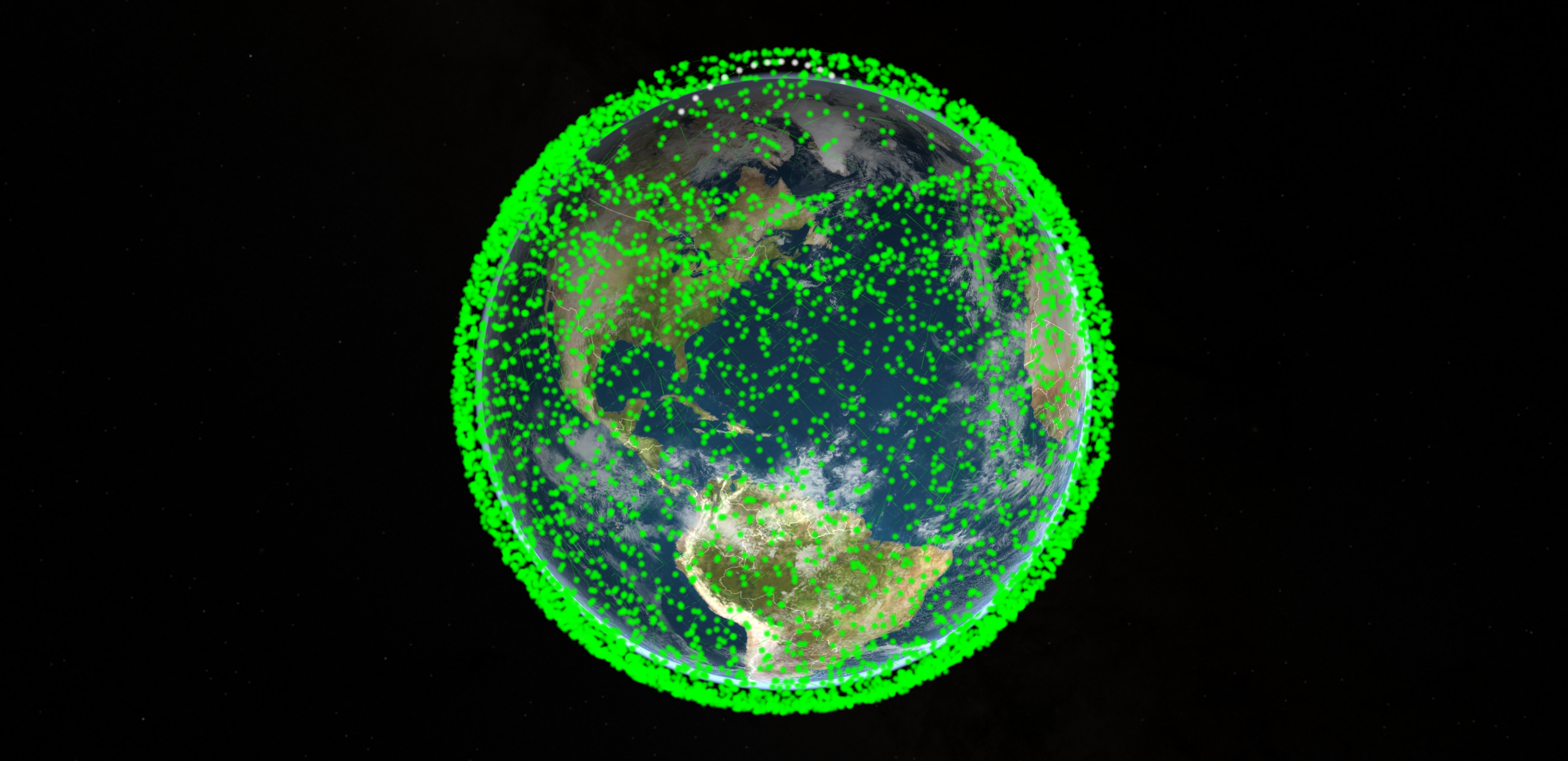
STARLINK-34343 broke apart at 560 kilometers. SpaceX's response - launch more satellites the next morning - tells you everything about the confidence gap between fleet statistics and individual failure modes.