


Falcon 9 B1067 Targets 36th Flight Record on Starlink 10-42 | KeepTrack Space Brief
SpaceX Falcon 9 booster B1067 set for 36th flight Thursday with Starlink 10-42 mission from Cape Canaveral. Long March 10B debuts Friday in China.



Launch Date
March 14, 2021
Launch Site
Launch Pad
LC39A
Launch Vehicle
NORAD ID
47919
International Designator
2021-021BM
Epoch
Sat, 04 Jul 2026 04:23:54 GMT
Apogee
Calculating...
Perigee
Calculating...
Inclination
53.16°
Right Ascension
98.96°
Eccentricity
Calculating...
Argument of Perigee
91.80°
Period
94.01 min
Mean Motion
15.32 rev/day
Latitude
Calculating...
Longitude
Calculating...
Altitude
Calculating...
Velocity
Calculating...
Name
STARLINK-2405
Alternative Name
Starlink 2405
Type
Status
Owner
SPXS
Country
United States
Constellation
N/A
Related Satellites
Major Events
N/A
1 47919U 21021BM 26185.18327392 .00002787 00000-0 10155-3 0 9992
2 47919 53.1595 98.9617 0001356 91.7964 268.3193 15.31702954293891
Source: Celestrak
Length
0.2
Diameter
2.8
Span
9
Dry Mass
248
Launch Mass
260
Shape
Box + pan
Radar Cross Section
Unknown
Visual Magnitude
Unknown
Color
Unknown
Material Composition
Unknown
Payload
Starlink V1.0-L21-60
Purpose
Communication
Mission
Communication
Manufacturer
SPXS
Life Expectancy
Unknown
Bus
Starlink
Configuration
Unknown
Motor
Krypton ion thrusters
Equipment
Ku/Ka-band payload (all), optical inter-satellite links (a few prototypes)
Power System
Solar arrays, batteries
ADCS
Unknown
Transmitter Frequency
Unknown
Learn more about satellites and other related topics.
SpaceX Falcon 9 booster B1067 set for 36th flight Thursday with Starlink 10-42 mission from Cape Canaveral. Long March 10B debuts Friday in China.

CSIS analysis identifies 75 unusual orbital maneuvers by Chinese GEO satellites over 10 years, consistent with military reconnaissance. Track GEO objects via KeepTrack.

Crew-11 astronauts arrive in Houston following first-ever ISS medical evacuation. Starlink continues robust satellite deployment schedule with ongoing constellation expansion.

Key developments include political attention on SpaceX's ISS crew return and competition forecasts between SpaceX and ULA for national security missions.

Today's brief covers a record-breaking Starlink launch, FCC's allocation of additional spectrum for launches, and more. Plus, explore the intricacies of satellite Rassvet-2 No. 1 in our Satellite Spotlight.
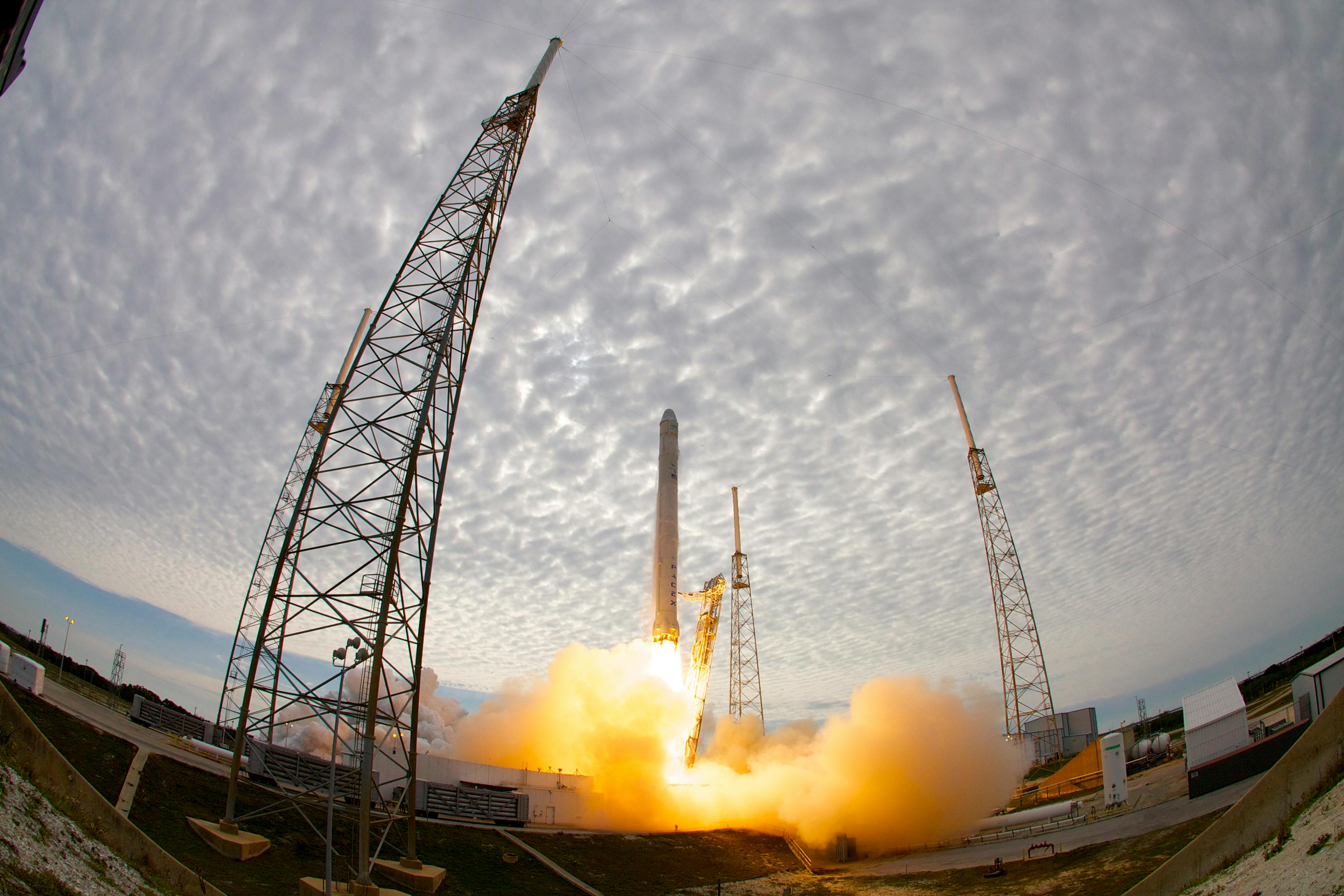
Crew-11 astronauts splashdown off California in first-ever ISS medical evacuation. SpaceX sets pad turnaround record at Cape Canaveral with Starlink 6-98 deploying 29 satellites.

Discover the latest on China's Zhuque-3 launch, ISS crew updates, ESA's budget dealings, a strategic super-resolution partnership, and ACME Space's innovative plans.
Starcloud files FCC plans for 88,000-satellite orbital data center constellation, matching scale of Starlink and Amazon Kuiper expansions. Massive LEO conjunction risk implications.