


Space Brief 16 Dec 2025
Today's briefing covers the Space Force's AI integration, new naming conventions for satellites, and updates on military and satellite acquisition strategies.



Launch Date
March 14, 2021
Launch Site
Launch Pad
LC39A
Launch Vehicle
NORAD ID
47911
International Designator
2021-021BD
Epoch
Sat, 04 Jul 2026 03:30:13 GMT
Apogee
Calculating...
Perigee
Calculating...
Inclination
53.16°
Right Ascension
99.16°
Eccentricity
Calculating...
Argument of Perigee
95.63°
Period
94.01 min
Mean Motion
15.32 rev/day
Latitude
Calculating...
Longitude
Calculating...
Altitude
Calculating...
Velocity
Calculating...
Name
STARLINK-2371
Alternative Name
Starlink 2371
Type
Status
Owner
SPXS
Country
United States
Constellation
N/A
Related Satellites
Major Events
N/A
1 47911U 21021BD 26185.14598960 -.00000133 00000-0 74658-5 0 9995
2 47911 53.1612 99.1589 0001164 95.6261 264.4873 15.31695340293751
Source: Celestrak
Length
0.2
Diameter
2.8
Span
9
Dry Mass
248
Launch Mass
260
Shape
Box + pan
Radar Cross Section
Unknown
Visual Magnitude
Unknown
Color
Unknown
Material Composition
Unknown
Payload
Starlink V1.0-L21-52
Purpose
Communication
Mission
Communication
Manufacturer
SPXS
Life Expectancy
Unknown
Bus
Starlink
Configuration
Unknown
Motor
Krypton ion thrusters
Equipment
Ku/Ka-band payload (all), optical inter-satellite links (a few prototypes)
Power System
Solar arrays, batteries
ADCS
Unknown
Transmitter Frequency
Unknown
Learn more about satellites and other related topics.
Today's briefing covers the Space Force's AI integration, new naming conventions for satellites, and updates on military and satellite acquisition strategies.

For nearly two decades, the U.S. Air Force and Space Force have been the world's unofficial civilian space traffic control system. The Department of Commerce's Traffic Coordination System for Space (TraCSS) is now taking over that job for commercial satellite operators - in stages, against persistent congressional pressure to kill the program, and with Department of Defense advocates pushing to make it happen before it is too late.
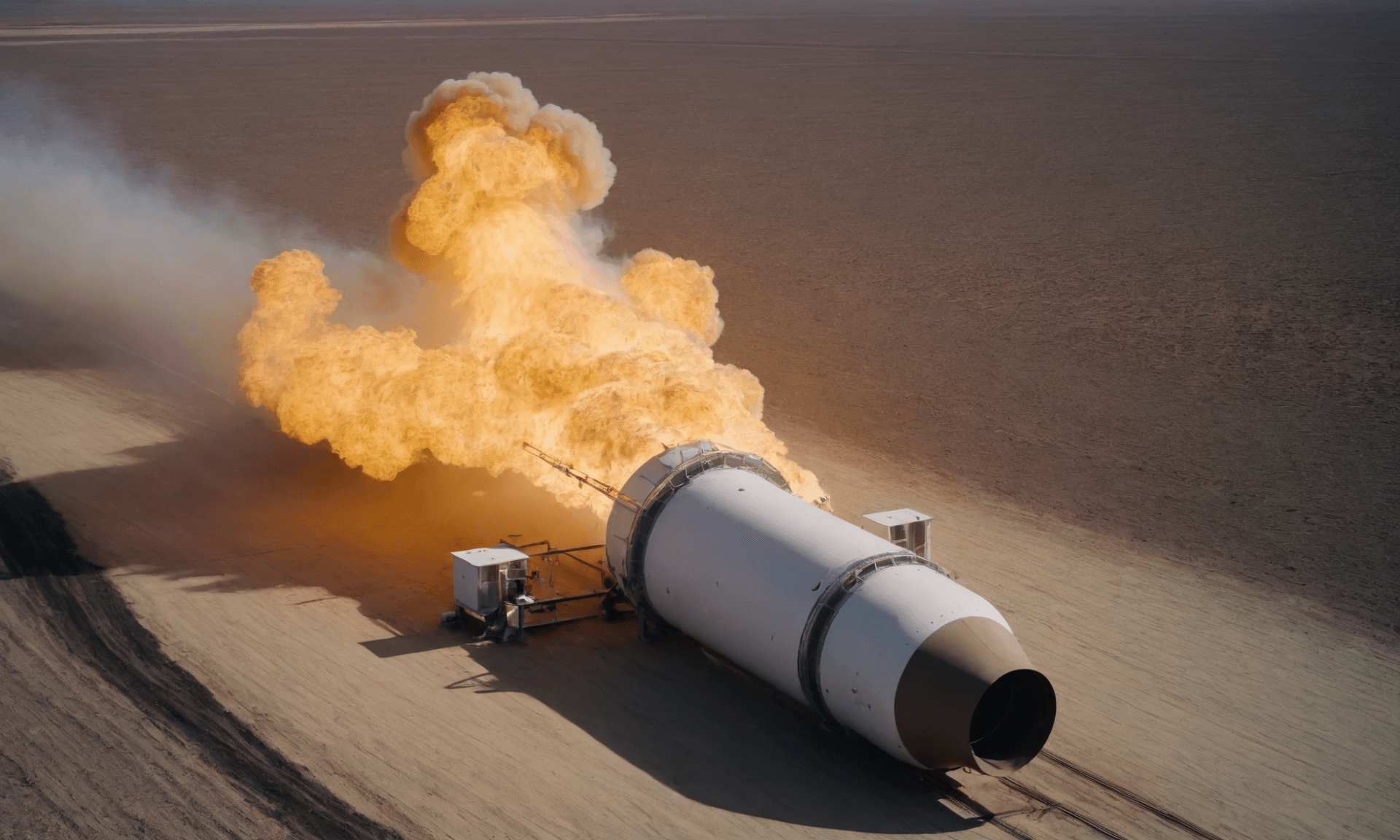
Today's Space Brief covers NASA's decision on Starliner, SpaceX's preparations for the Polaris Dawn mission, and updates on various space activities. Also featured is an in-depth look at the Hubble Space Telescope.
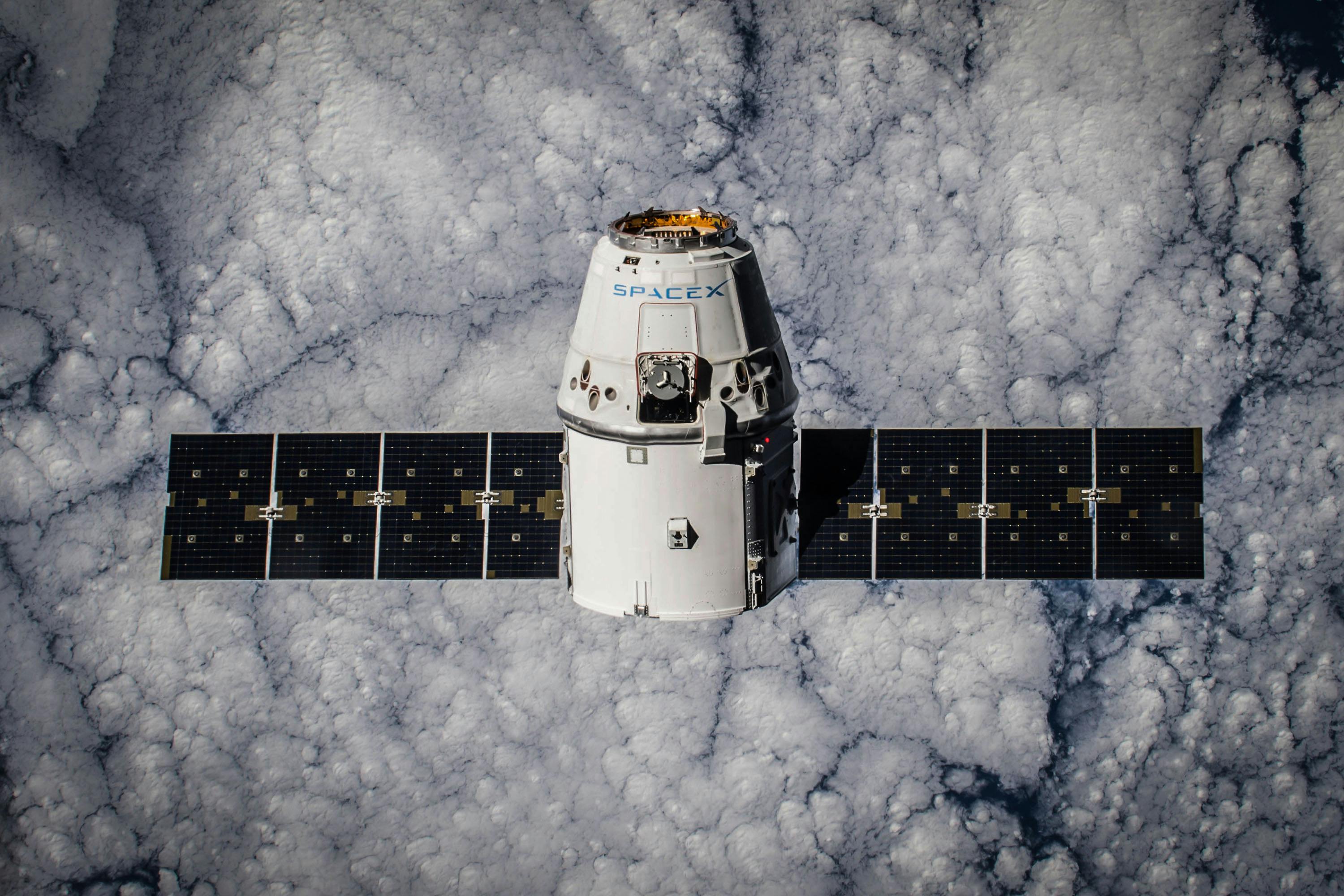
Starlink shifts to monthly hardware rental fees while SpaceX preps Booster 20 for Flight 13 — 10,558 satellites now operational worldwide.
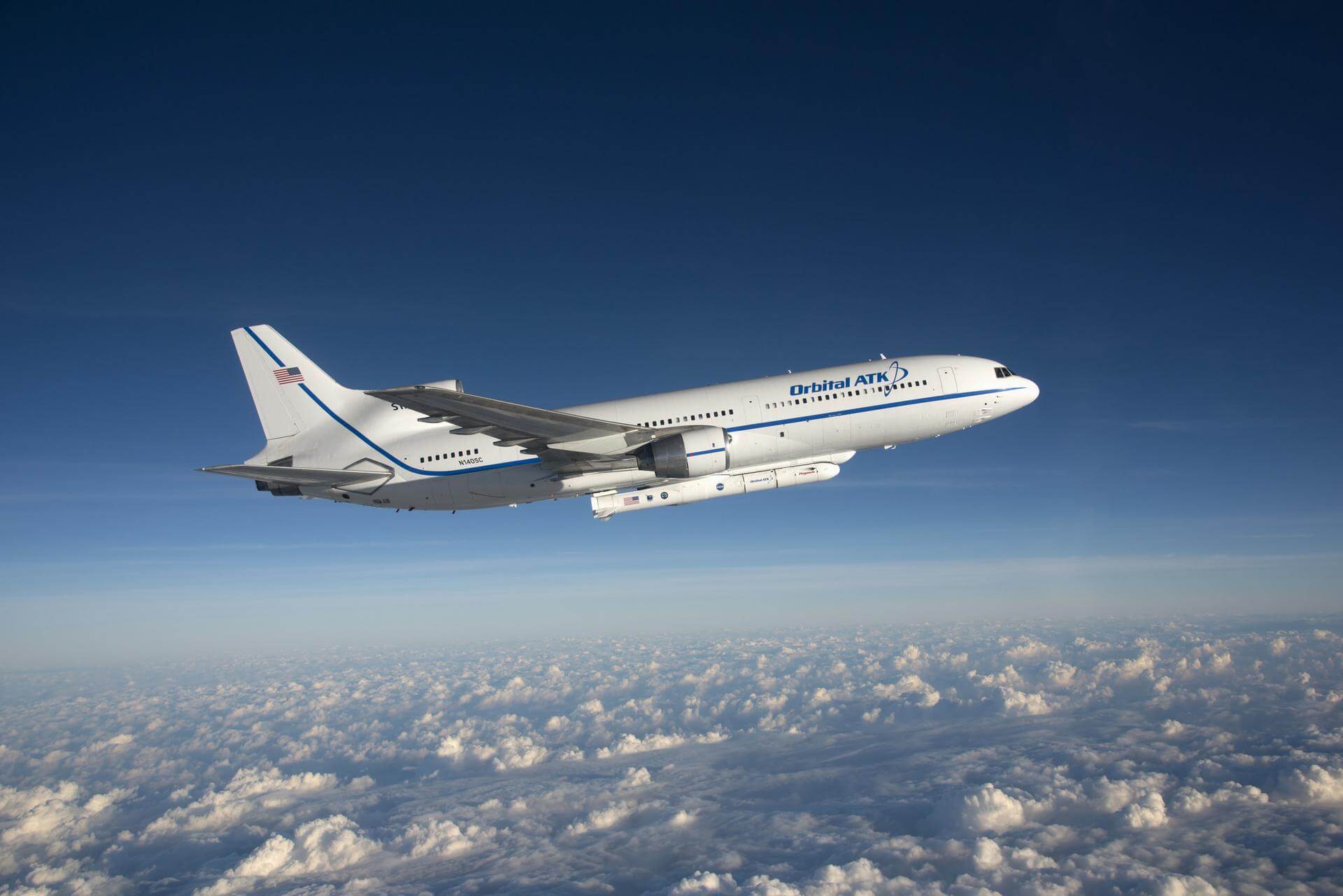
ULA launched Atlas 5 551 configuration for final time on July 1, deploying Amazon Kuiper broadband satellites. New Glenn pad rebuild underway at LC-36 after May explosion.

SpaceX achieves a significant milestone with over 10,000 satellites launched, the West Coast welcomes Falcon Heavy launches, and developments around Artemis 3 prompt competitive discourse.

SpaceX celebrates its 100th launch of the year with a Falcon 9 mission carrying Amazon's Project Kuiper satellites, while Crew-10 prepares for its return from the ISS and the company expands its interplanetary ambitions with new Mars partnerships.

SpaceX launches its first crewed mission over Earth's poles and FAA concludes investigation into the Starship Flight 7 incident.