

Space Brief 10 Nov 2024
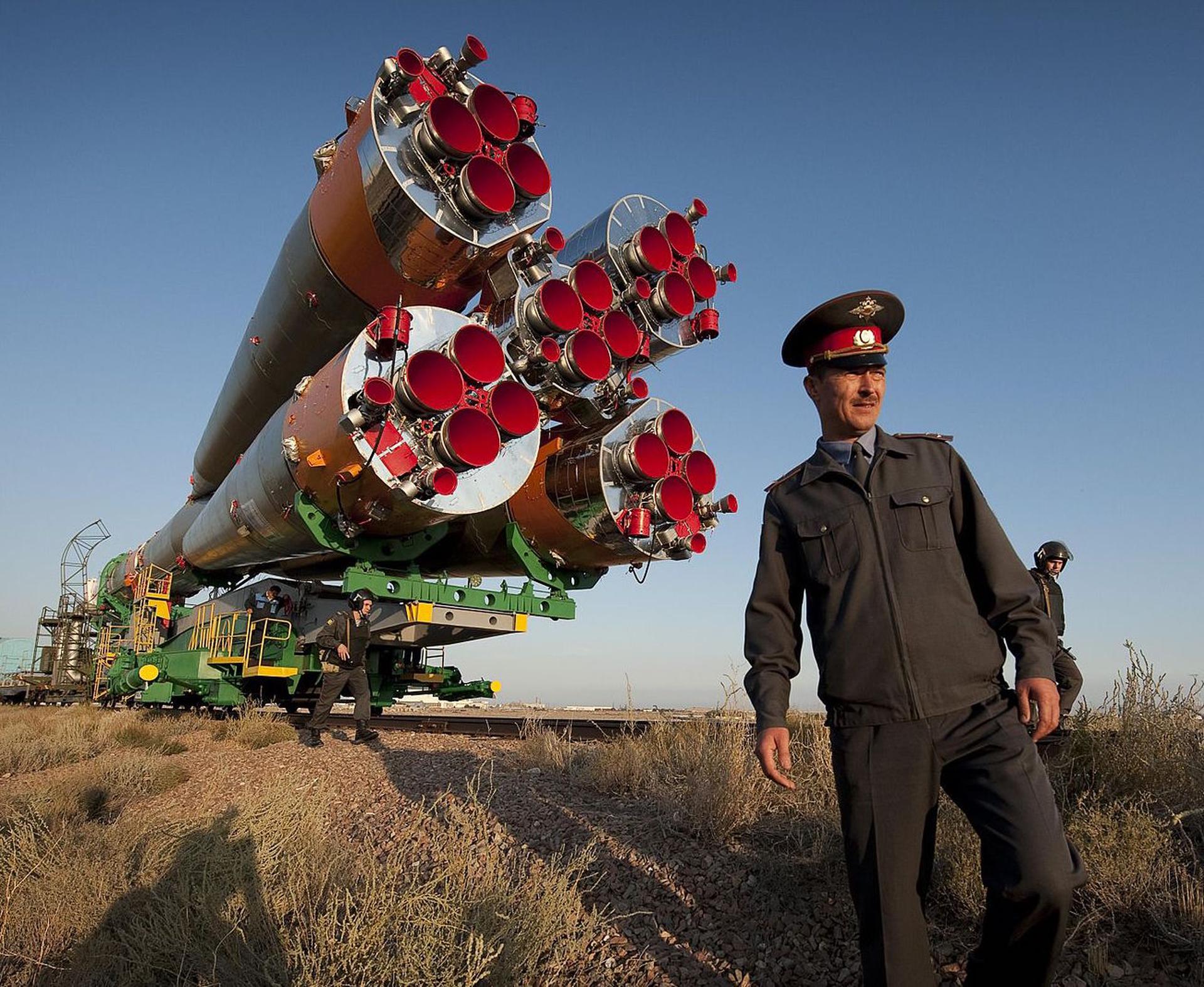
Long March 2C launches four PIESAT-2 radar satellites, Gilmour Space secures Australia's first orbital launch permit, NASA extends ISS cargo contracts through 2030, ESA and Arianespace face industry crossroads.



Launch Date
March 14, 2021
Launch Site
Launch Pad
LC39A
Launch Vehicle
NORAD ID
47905
International Designator
2021-021AX
Decay Date
2/4/2025
Name
STARLINK-2365
Alternative Name
Starlink 2365
Type
Status
Owner
SPXS
Country
United States
Constellation
N/A
Related Satellites
Major Events
N/A
Length
0.2
Diameter
2.8
Span
9
Dry Mass
248
Launch Mass
260
Shape
Box + pan
Radar Cross Section
Unknown
Visual Magnitude
Unknown
Color
Unknown
Material Composition
Unknown
Payload
Starlink V1.0-L21-46
Purpose
Communication
Mission
Communication
Manufacturer
SPXS
Life Expectancy
Unknown
Bus
Starlink
Configuration
Unknown
Motor
Krypton ion thrusters
Equipment
Ku/Ka-band payload (all), optical inter-satellite links (a few prototypes)
Power System
Solar arrays, batteries
ADCS
Unknown
Transmitter Frequency
Unknown
Learn more about satellites and other related topics.
Long March 2C launches four PIESAT-2 radar satellites, Gilmour Space secures Australia's first orbital launch permit, NASA extends ISS cargo contracts through 2030, ESA and Arianespace face industry crossroads.

Rocket Lab Neutron's first launch is targeted for Q4 2026 after a tank test failure, backed by a new 5-launch deal. Plus Globalstar's 1,410 km refresh.

Space Force issues call for launch providers at Cape Canaveral and Vandenberg. Vandenberg opens Space Launch Complex 14 bidding with Feb 12 deadline. Electra pitches hybrid aircraft to Pentagon.
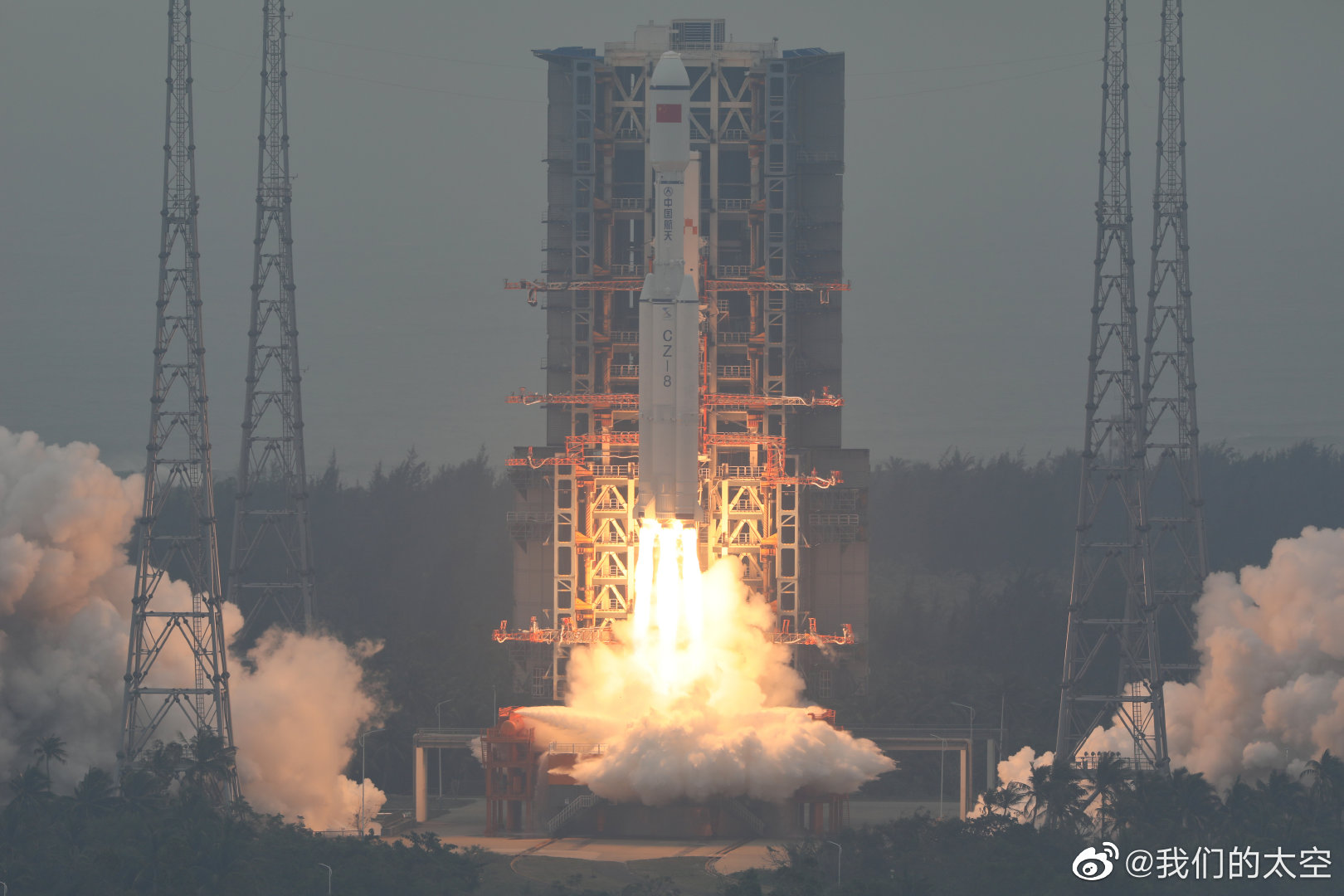
In today's brief: high-profile personnel changes in the Space Force, the inclusion of Space Force in historical political events, and strategic shifts in defense highlighted with a focus on satellite applications.
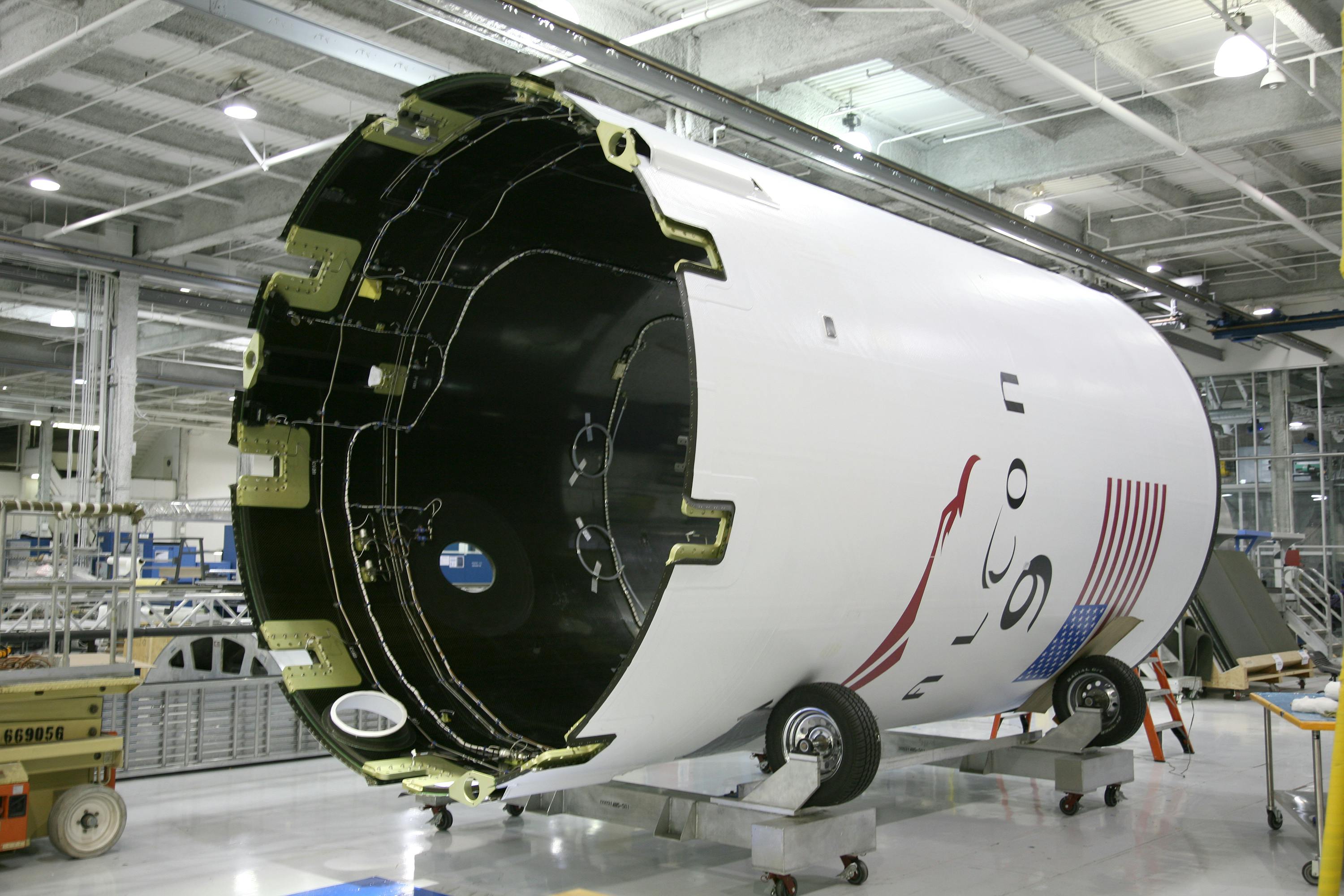
Today's report covers SpaceX's progress on Starship pad realignment and Rocket Lab's delay of its Neutron rocket debut, highlighting key advancements and competitive dynamics in the space industry.
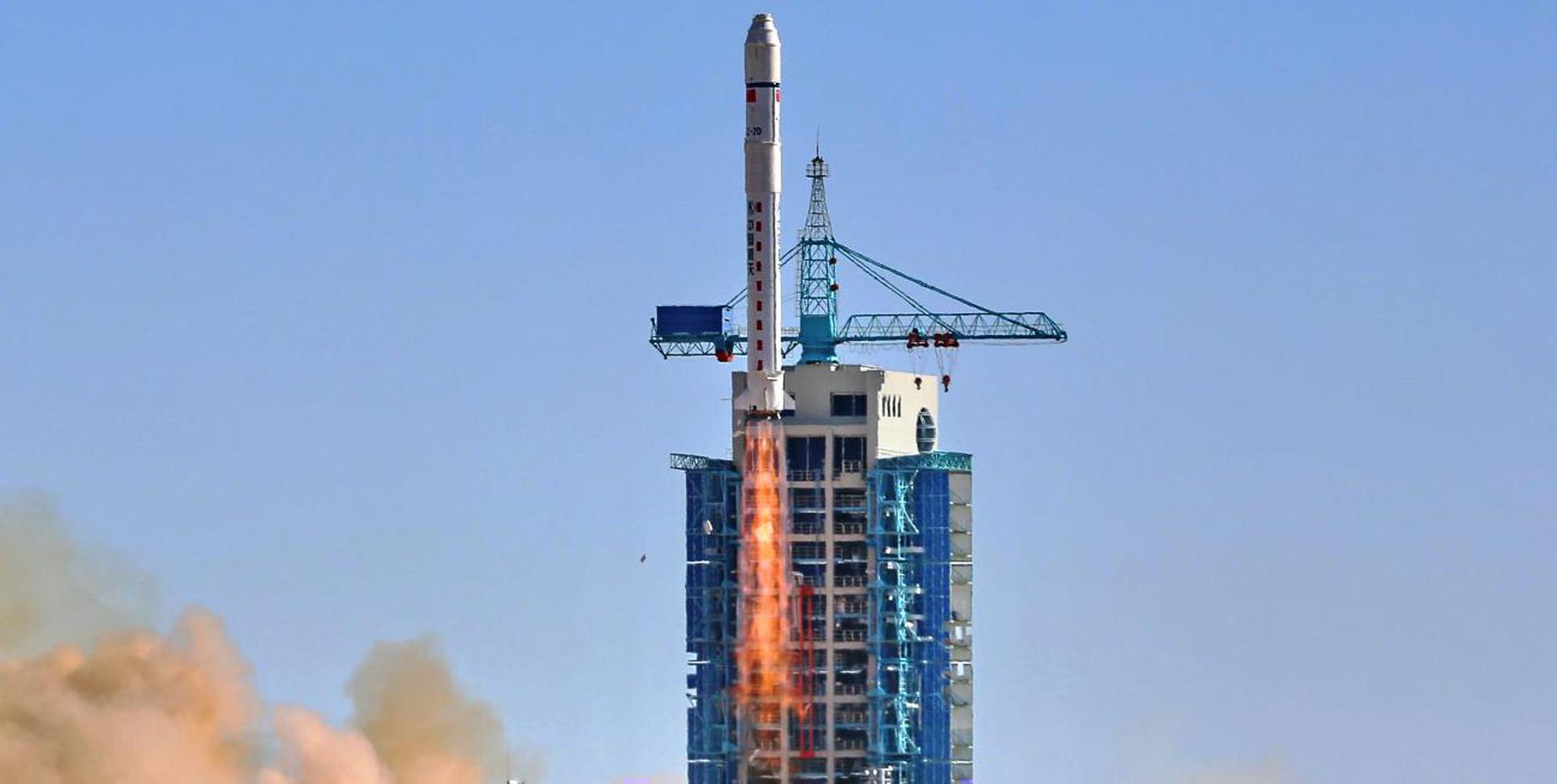
NASA's 590 kg Van Allen Probe A reentered March 10 after 14 years studying Earth's radiation belts. Meanwhile, Boeing Starliner classified as Type A mishap after leaving astronauts stranded on ISS.

For nearly two decades, the U.S. Air Force and Space Force have been the world's unofficial civilian space traffic control system. The Department of Commerce's Traffic Coordination System for Space (TraCSS) is now taking over that job for commercial satellite operators - in stages, against persistent congressional pressure to kill the program, and with Department of Defense advocates pushing to make it happen before it is too late.
Falcon 9 successfully deployed NROL-72 for National Reconnaissance Office's 13th proliferated architecture mission. Low-Earth orbit intelligence constellation expanding since 2021.