


Space Brief 9 Nov 2025
Today's top stories include SpaceX's latest Starlink launch, Blue Origin's FAA exemption request, and major acquisitions by Intuitive Machines and Firefly Aerospace shaping the defense and space landscape.



Launch Date
March 14, 2021
Launch Site
Launch Pad
LC39A
Launch Vehicle
NORAD ID
47893
International Designator
2021-021AK
Decay Date
7/11/2021
Name
STARLINK-2353
Alternative Name
Starlink 2353
Type
Status
Owner
SPXS
Country
United States
Constellation
N/A
Related Satellites
Major Events
N/A
Length
0.2
Diameter
2.8
Span
9
Dry Mass
248
Launch Mass
260
Shape
Box + pan
Radar Cross Section
Unknown
Visual Magnitude
Unknown
Color
Unknown
Material Composition
Unknown
Payload
Starlink V1.0-L21-34
Purpose
Communication
Mission
Communication
Manufacturer
SPXS
Life Expectancy
Unknown
Bus
Starlink
Configuration
Unknown
Motor
Krypton ion thrusters
Equipment
Ku/Ka-band payload (all), optical inter-satellite links (a few prototypes)
Power System
Solar arrays, batteries
ADCS
Unknown
Transmitter Frequency
Unknown
Learn more about satellites and other related topics.
Today's top stories include SpaceX's latest Starlink launch, Blue Origin's FAA exemption request, and major acquisitions by Intuitive Machines and Firefly Aerospace shaping the defense and space landscape.

In 2024, China launched 68 orbital missions. In 2025, the number jumped to 97. In 2026, state media and Western analysts agree the target is 140 or more. Most of that growth is being driven by two state-backed mega-constellations, a half-dozen private launch companies hitting stride, and a deliberate national pivot toward commercial space. Beijing is no longer trying to catch SpaceX. It is trying to build an industrial base that outlasts one.
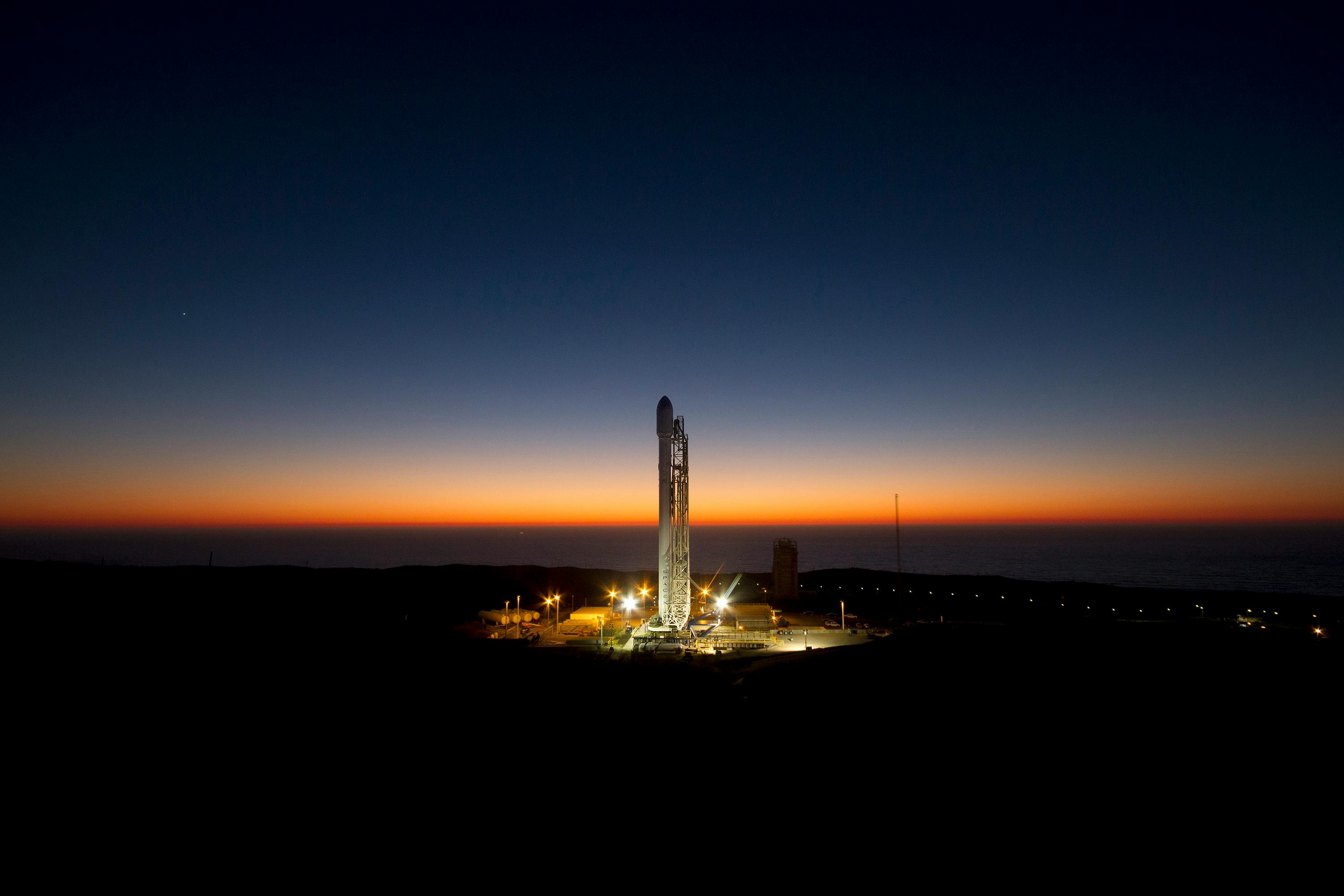
SpaceX's plans for the Transporter-15 mission are temporarily delayed as the Falcon 9 launch was scrubbed. The next launch attempt is now targeted for Friday, Nov. 28, with hopes of delivering 140 payloads into sun-synchronous orbit.
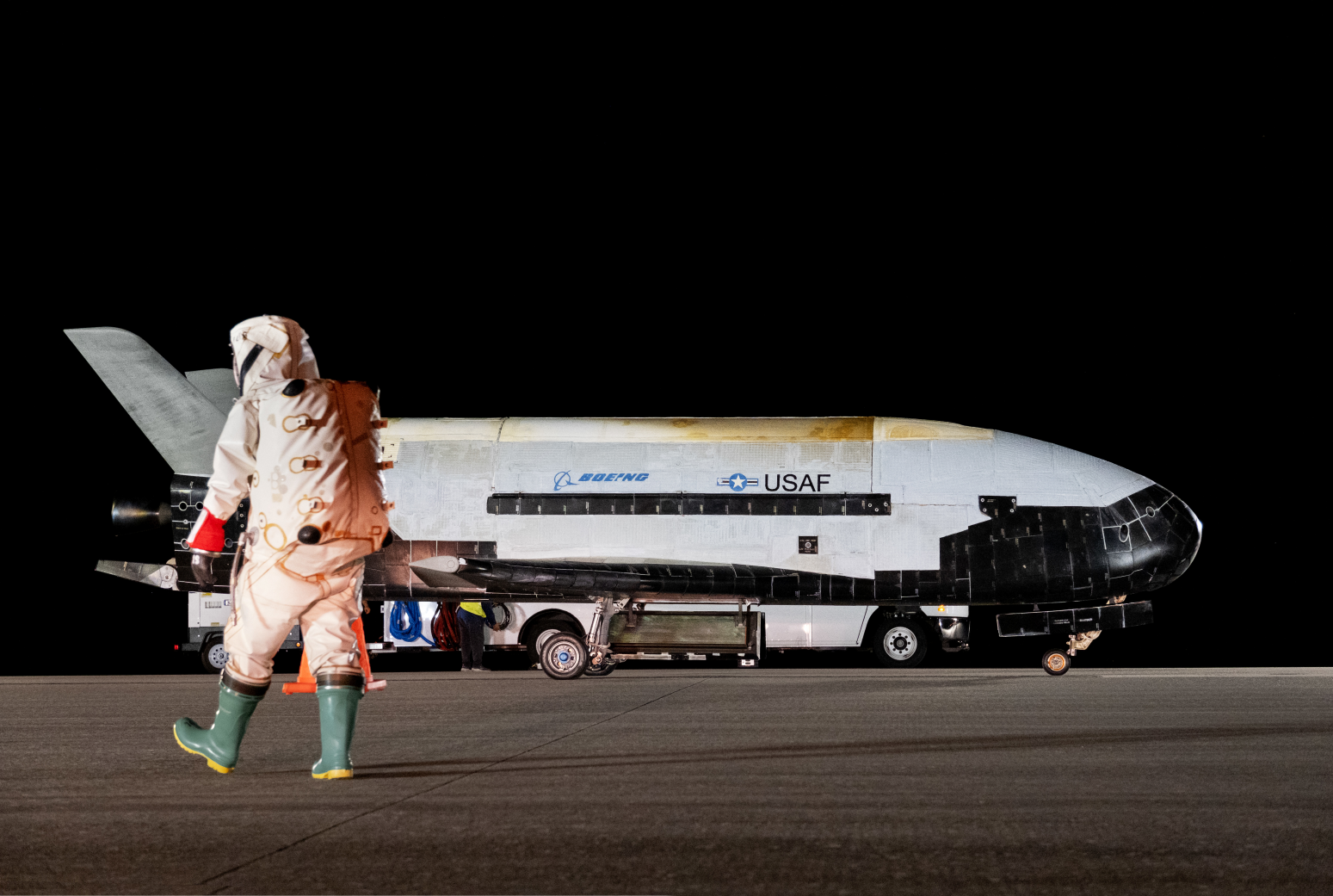
On April 22, 2010, an Atlas V lifted off from Cape Canaveral carrying a reusable robotic spaceplane so secret that the Air Force would not even confirm its mission duration. It came back 224 days later, lighter, quieter, and more operational than anyone outside Washington had expected. Fifteen years later, the X-37B is still flying, and the military still will not say what it does.

Today's Space Brief covers China’s latest satellite launches, leadership changes in the U.S. Space Force, insights from hyperspectral imagery on an Iranian facility, SpaceX's Starlink mission, and more.

Major challenges emerged with SpaceX's next-generation Starship booster testing, while Starlink deployments continued with successful launches.
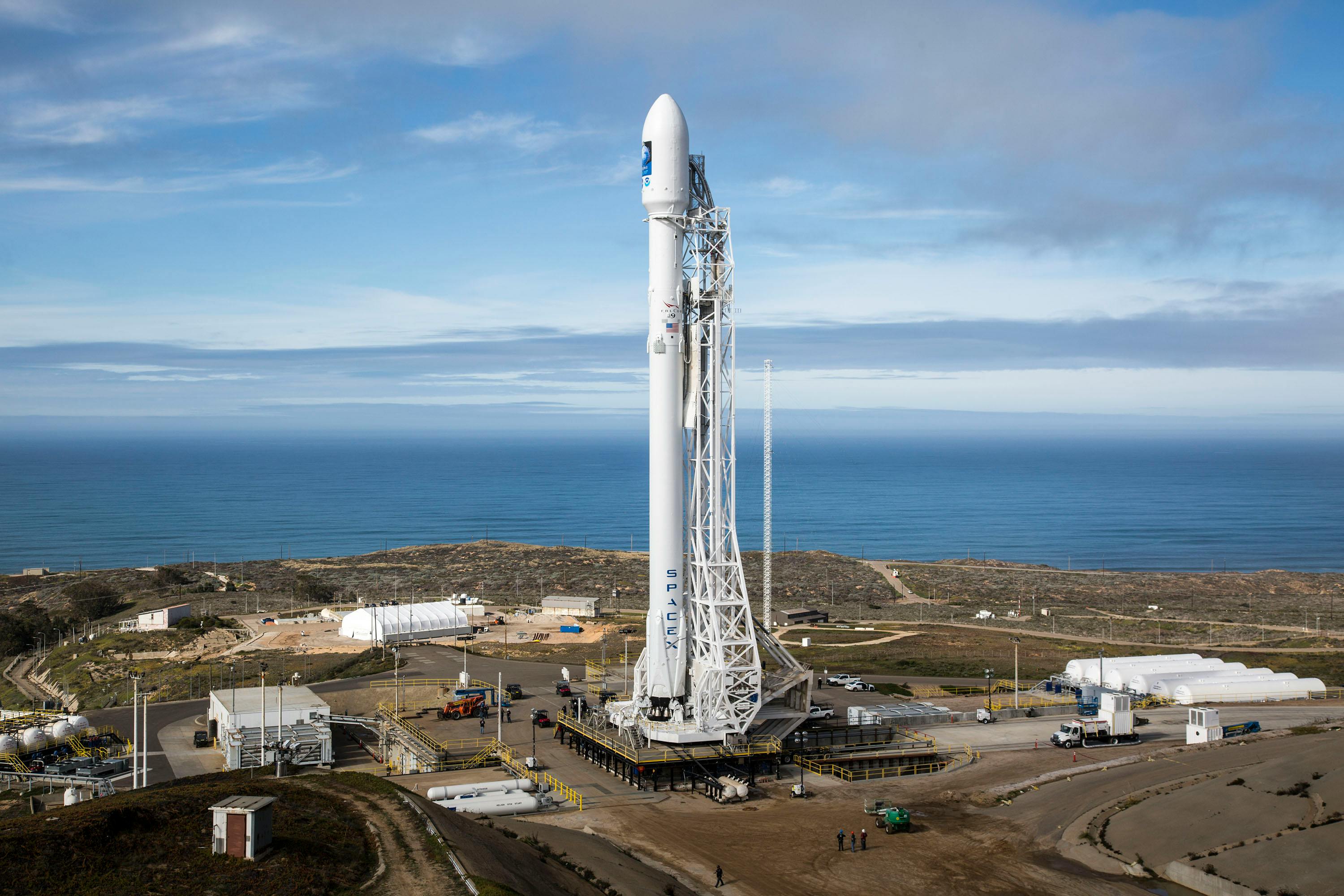
Starlink satellite count for April 2026: 10,177 in orbit, 10,168 working from 11,724 launched. No new anomalies, four reentries expected Apr 5-7.
Today's brief covers advances in satellite docking technology, challenges faced by space companies with government navigation, and China's leap in space autonomy through AI developments.