


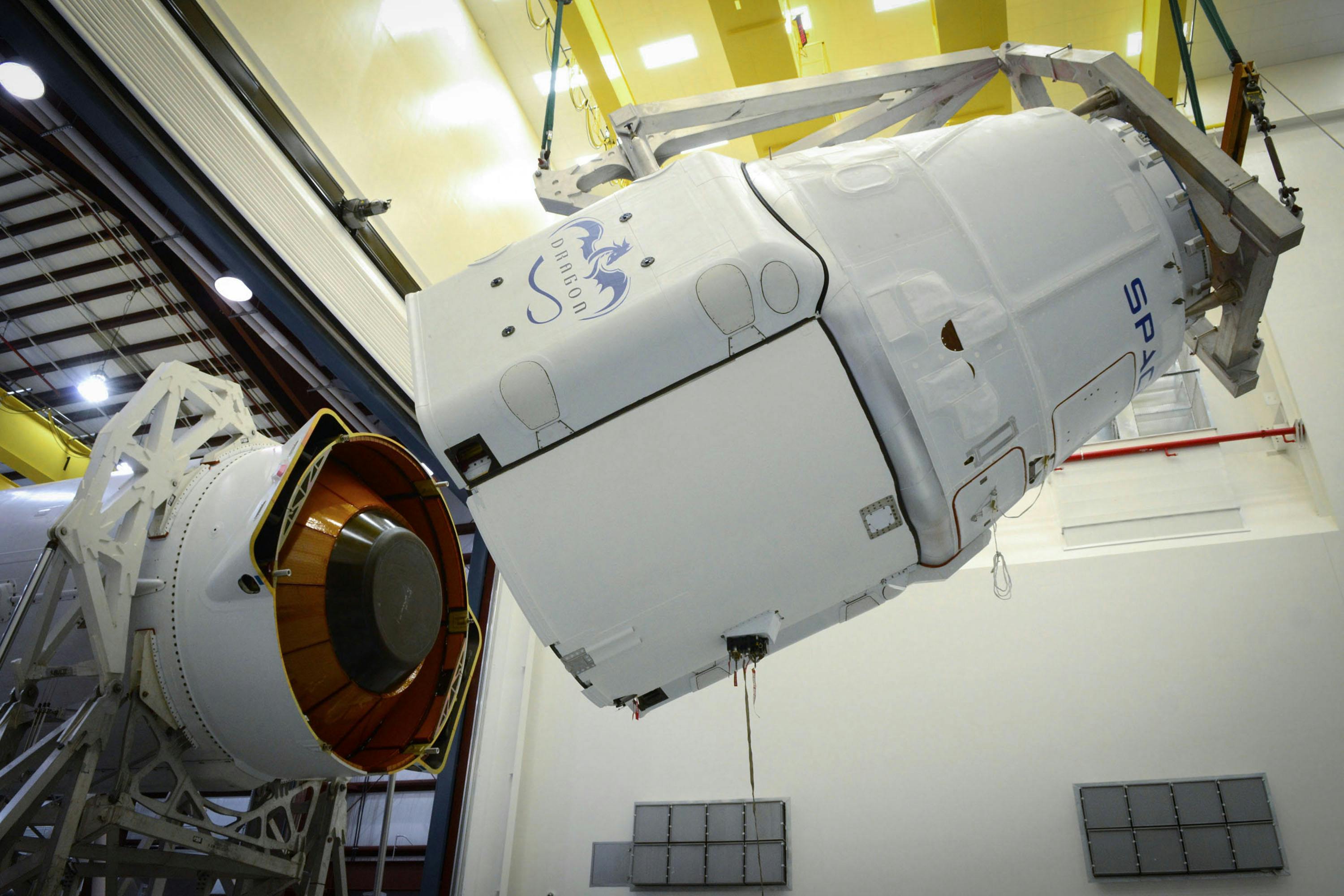
SpaceX Lands $2.29B Space Force Contract, X Report 27 May 2026
SpaceX wins a $2.29 billion US Space Force contract for a military space data network, NASA adds 6 crew missions, and Starship V3 makes its first flight.



Launch Date
March 14, 2021
Launch Site
Launch Pad
LC39A
Launch Vehicle
NORAD ID
47874
International Designator
2021-021Q
Epoch
Sat, 04 Jul 2026 00:02:08 GMT
Apogee
Calculating...
Perigee
Calculating...
Inclination
53.14°
Right Ascension
33.16°
Eccentricity
Calculating...
Argument of Perigee
127.92°
Period
93.54 min
Mean Motion
15.39 rev/day
Latitude
Calculating...
Longitude
Calculating...
Altitude
Calculating...
Velocity
Calculating...
Name
STARLINK-2330
Alternative Name
Starlink 2330
Type
Status
Owner
SPXS
Country
United States
Constellation
N/A
Related Satellites
Major Events
N/A
1 47874U 21021Q 26185.00148598 .00072698 00000-0 18241-2 0 9993
2 47874 53.1416 33.1601 0003232 127.9243 232.2054 15.39381982294815
Source: Celestrak
Length
0.2
Diameter
2.8
Span
9
Dry Mass
248
Launch Mass
260
Shape
Box + pan
Radar Cross Section
Unknown
Visual Magnitude
Unknown
Color
Unknown
Material Composition
Unknown
Payload
Starlink V1.0-L21-15
Purpose
Communication
Mission
Communication
Manufacturer
SPXS
Life Expectancy
Unknown
Bus
Starlink
Configuration
Unknown
Motor
Krypton ion thrusters
Equipment
Ku/Ka-band payload (all), optical inter-satellite links (a few prototypes)
Power System
Solar arrays, batteries
ADCS
Unknown
Transmitter Frequency
Unknown
Learn more about satellites and other related topics.
SpaceX wins a $2.29 billion US Space Force contract for a military space data network, NASA adds 6 crew missions, and Starship V3 makes its first flight.

Space Force modernization stalls over workforce gaps. Deutsche Telekom targets 2028 for Starlink Mobile V2 across 10 EU nations. Iran ops strain US munition stocks.

Today's briefing covers a new naming system by Space Force, China's space advances, drone defense at Cape Canaveral, and more military updates impacting space operations.
Today's brief covers a Japanese military satellite launch, new GPS satellite orders by the Space Force, and a Moog propulsion system contract, among other notable developments.
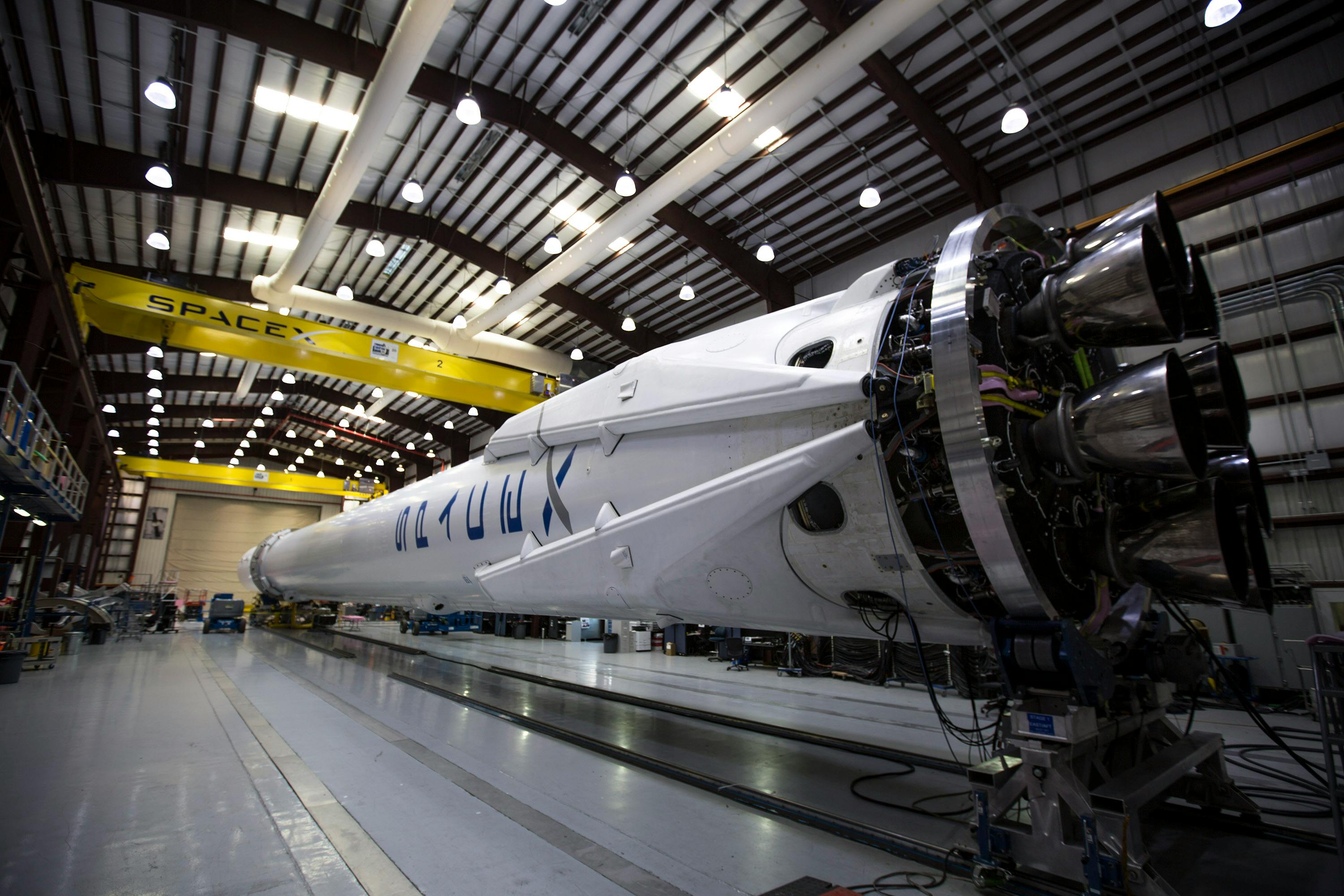
Falcon 9 resumes flights with 25 Starlink satellites from Vandenberg. SpaceX test-fires rocket ahead of Crew-12 launch. Starbase approved to nearly double its launch site footprint.
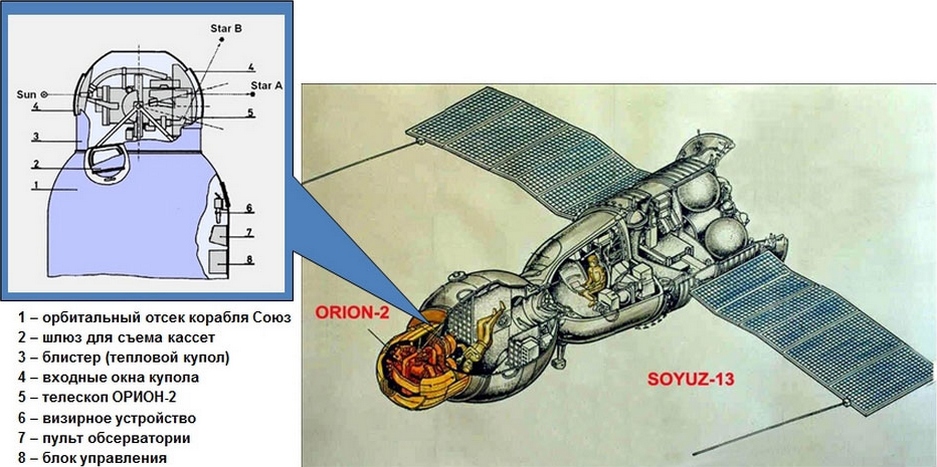
Exactly 52 years ago today, the Soviet Union launched Soyuz 13 - a scientific mission that marked the first time American astronauts and Soviet cosmonauts orbited Earth simultaneously. Armed with a revolutionary ultraviolet telescope, Pyotr Klimuk and Valentin Lebedev would discover elements never before seen in distant nebulae.
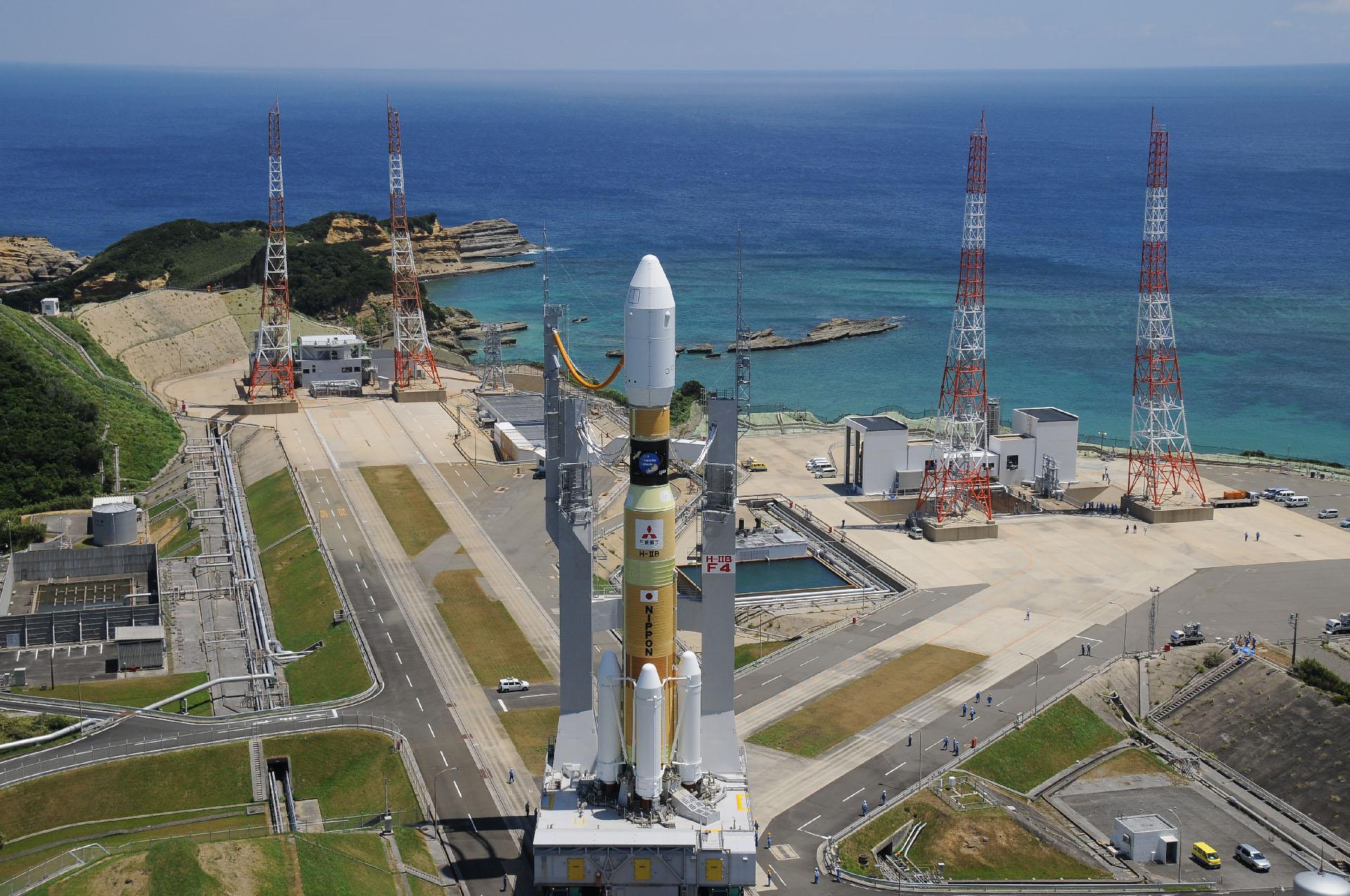
Today's briefing covers Blue Origin's certification progress, a near-miss between a Chinese spacecraft and a Starlink satellite, SpaceX's latest Starlink launch and booster landing, potential IPO news from SpaceX, and advancements in Starlink integration with Tesla vehicles.

Today's brief covers the U.S. Space Force's orbital carrier initiative, ULA Vulcan's approval for military launches, Rocket Lab's new contract with the Space Force, integrated data layers for military command, and advances in tactical surveillance.