


Space Brief 18 Apr 2025
Today's highlights include a Minotaur IV launch of U.S. spy satellites, Rocket Lab's new defense contracts, and the unveiling of Space Force's warfighting framework. Plus, the Satellite Spotlight dives into METEOR 3-1.



Launch Date
March 14, 2021
Launch Site
Launch Pad
LC39A
Launch Vehicle
NORAD ID
47873
International Designator
2021-021P
Epoch
Sat, 04 Jul 2026 02:14:17 GMT
Apogee
Calculating...
Perigee
Calculating...
Inclination
53.16°
Right Ascension
73.84°
Eccentricity
Calculating...
Argument of Perigee
78.68°
Period
94.01 min
Mean Motion
15.32 rev/day
Latitude
Calculating...
Longitude
Calculating...
Altitude
Calculating...
Velocity
Calculating...
Name
STARLINK-2329
Alternative Name
Starlink 2329
Type
Status
Owner
SPXS
Country
United States
Constellation
N/A
Related Satellites
Major Events
N/A
1 47873U 21021P 26185.09326386 -.00000206 00000-0 51249-5 0 9999
2 47873 53.1607 73.8424 0001390 78.6756 281.4401 15.31702109294254
Source: Celestrak
Length
0.2
Diameter
2.8
Span
9
Dry Mass
248
Launch Mass
260
Shape
Box + pan
Radar Cross Section
Unknown
Visual Magnitude
Unknown
Color
Unknown
Material Composition
Unknown
Payload
Starlink V1.0-L21-14
Purpose
Communication
Mission
Communication
Manufacturer
SPXS
Life Expectancy
Unknown
Bus
Starlink
Configuration
Unknown
Motor
Krypton ion thrusters
Equipment
Ku/Ka-band payload (all), optical inter-satellite links (a few prototypes)
Power System
Solar arrays, batteries
ADCS
Unknown
Transmitter Frequency
Unknown
Learn more about satellites and other related topics.
Today's highlights include a Minotaur IV launch of U.S. spy satellites, Rocket Lab's new defense contracts, and the unveiling of Space Force's warfighting framework. Plus, the Satellite Spotlight dives into METEOR 3-1.
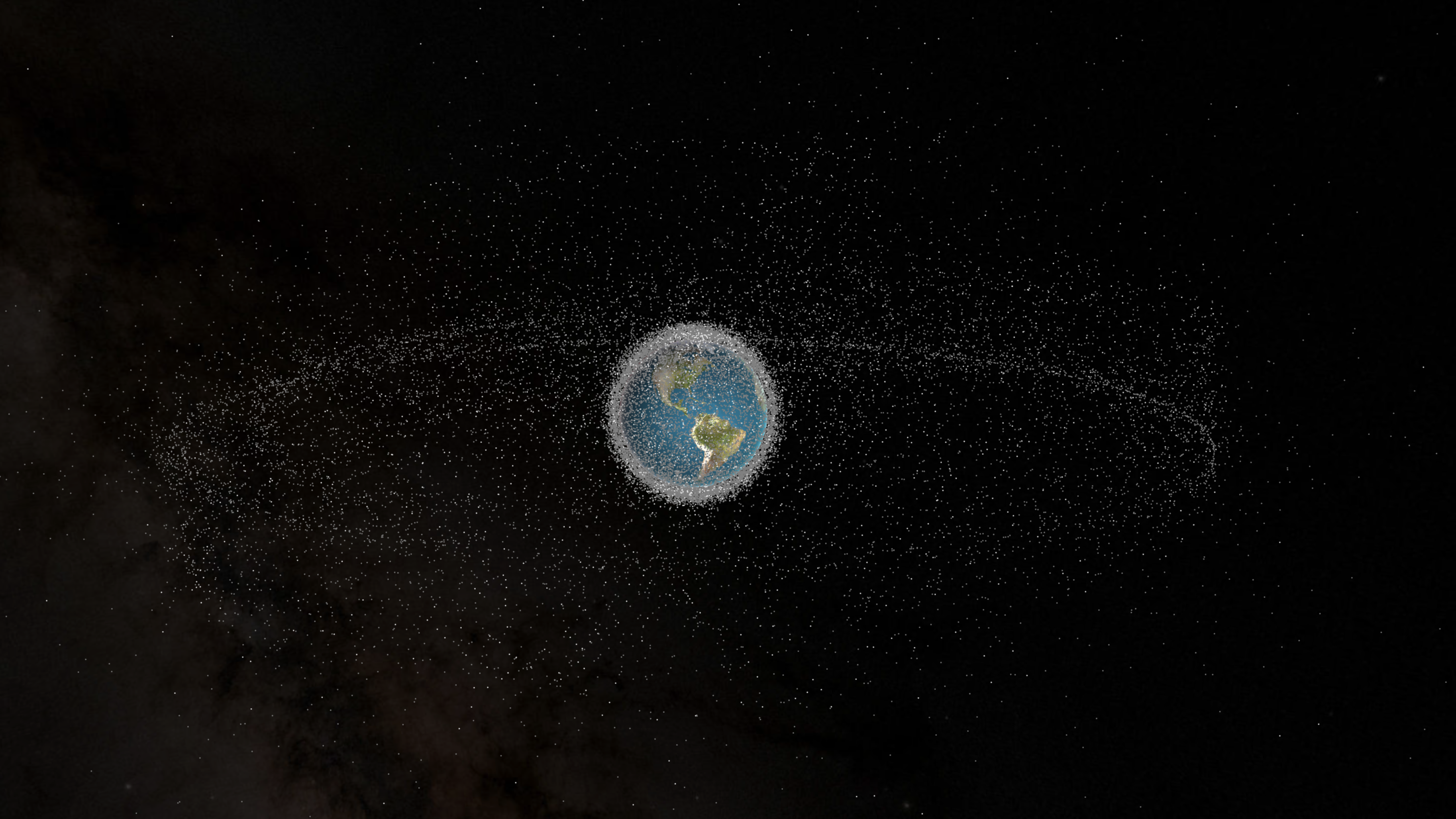
From shattered satellites to exploded rocket stages, space debris poses a growing risk to satellites, space stations, and astronauts. Here's a deep dive into what causes space debris, notable generating events, and what we're doing about it.

Today's brief covers potential roles for commercial satellites in missile defense, SpaceX's new launch site plans at Vandenberg, and partnerships for space nuclear propulsion. Discover updates on military space projects and international defense agreements.
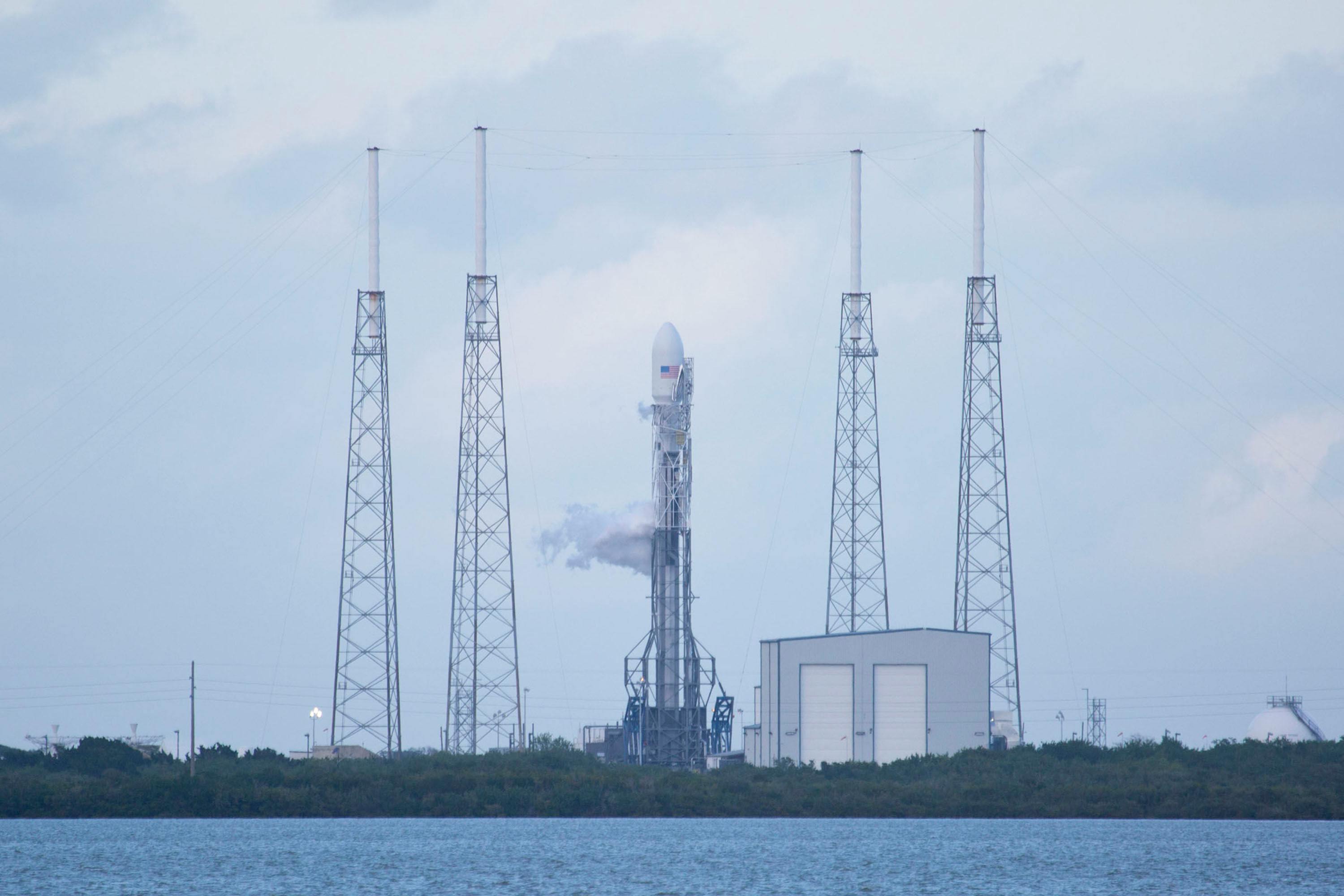
SpaceX prepares for the launch of significant NASA and NOAA missions, while Starship's 11th test flight edges closer.
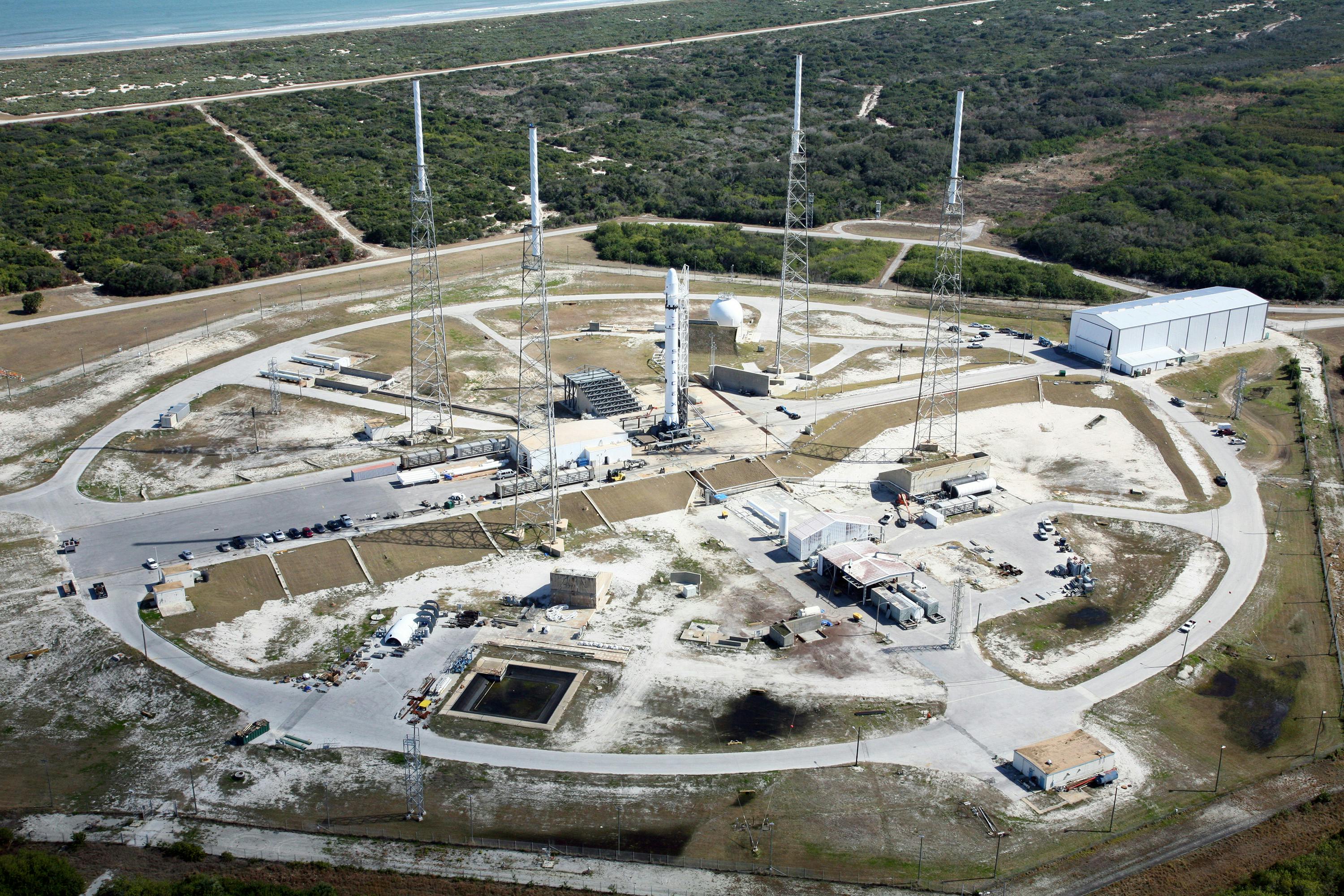
SpaceX President Gwynne Shotwell joined Trump at the White House to outline xAI's energy commitment, while Transporter-18 targets October 2026 launch.
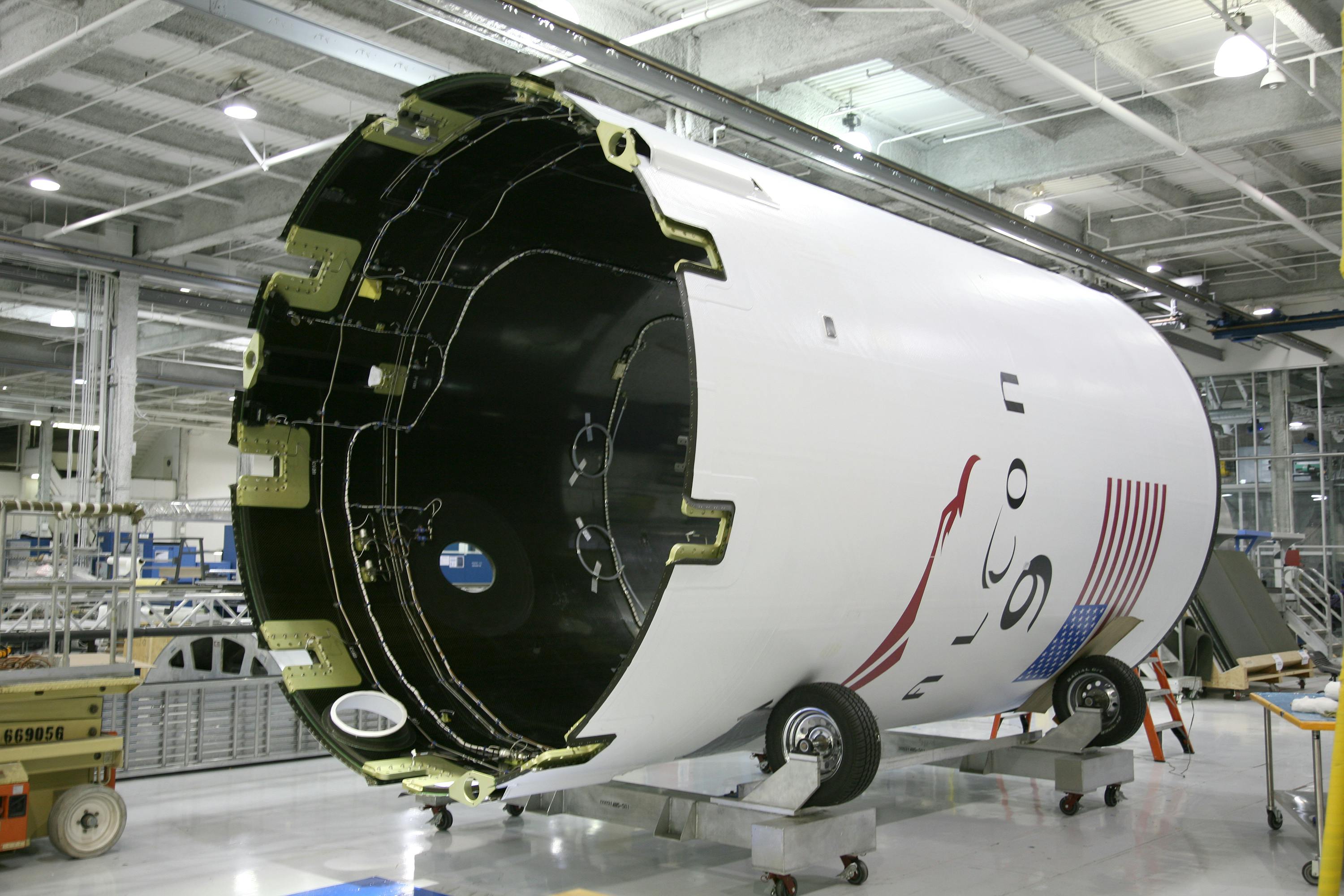
Starship V3's maiden flight is delayed as SpaceX rolls Booster 19 to Pad 2 for Flight 9, while Falcon 9 completes its 30th mission of 2026.
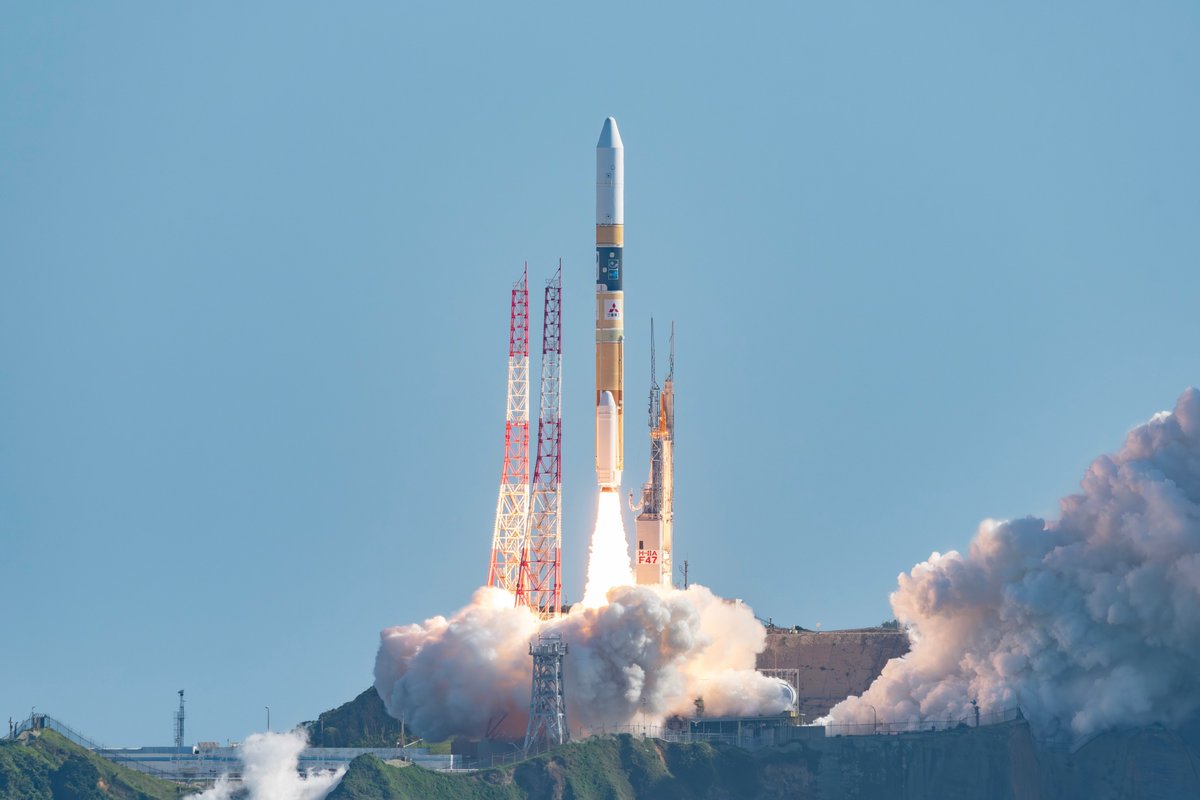
Significant advancements and launches in space: NASA's hypersonic sensor breakthrough, ChinaSat-9C's launch, and SpaceX's resilient Falcon 9 operations.

Key updates include a potential delay for the Starship lunar lander, successful static fire tests for Ship 38, and the latest Starlink satellite launch plans.