


X Report 28 Oct 2025
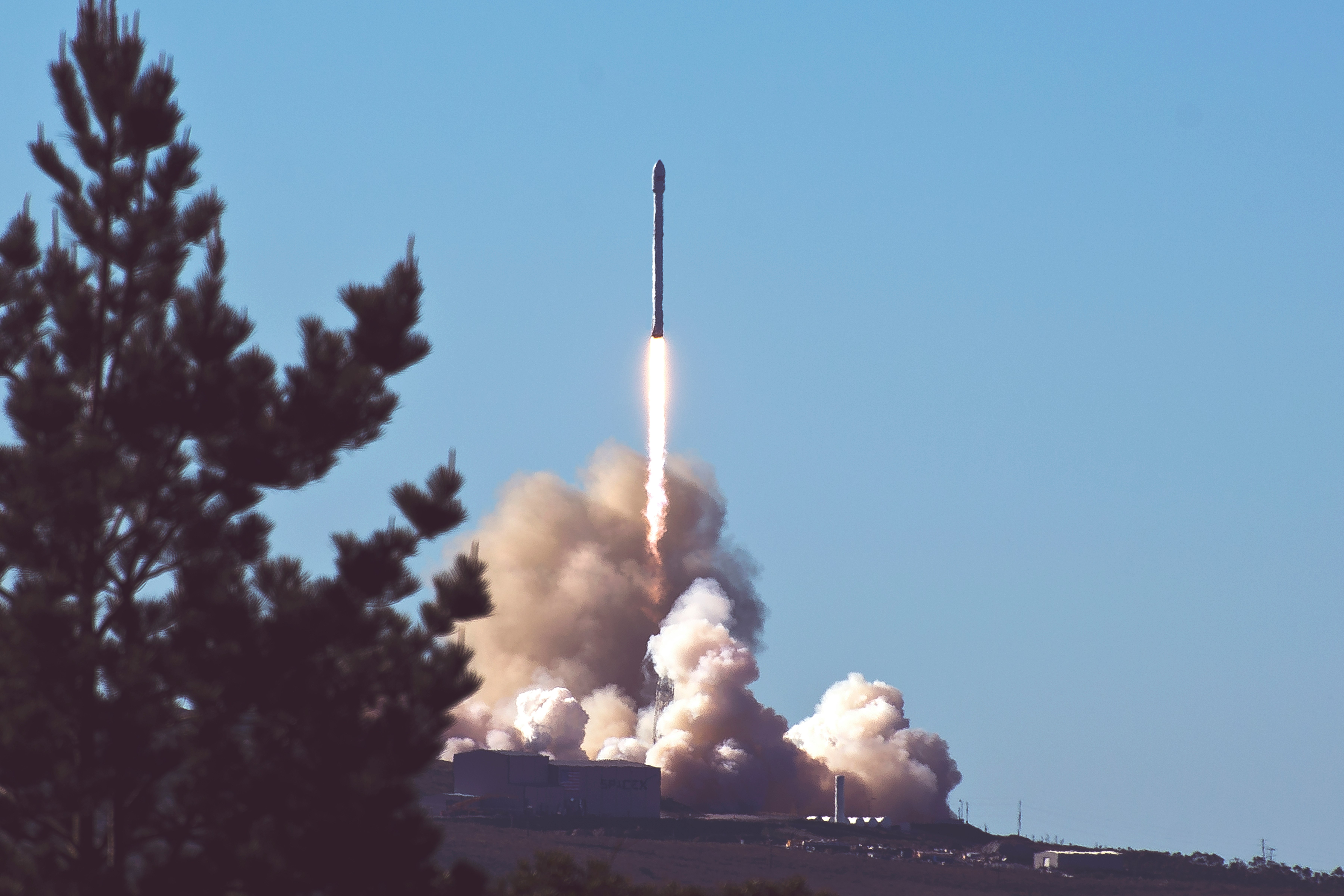
SpaceX successfully launched 28 Starlink satellites and settled a lawsuit, while Starlink's performance faces scrutiny in Ukraine. Additionally, MTN is enhancing Starlink's business services.



Launch Date
March 11, 2021
Launch Site
Launch Pad
LC40
Launch Vehicle
NORAD ID
47827
International Designator
2021-018AS
Epoch
Sat, 04 Jul 2026 00:48:52 GMT
Apogee
Calculating...
Perigee
Calculating...
Inclination
53.16°
Right Ascension
61.29°
Eccentricity
Calculating...
Argument of Perigee
109.11°
Period
94.01 min
Mean Motion
15.32 rev/day
Latitude
Calculating...
Longitude
Calculating...
Altitude
Calculating...
Velocity
Calculating...
Name
STARLINK-2413
Alternative Name
Starlink 2413
Type
Status
Owner
SPXS
Country
United States
Constellation
N/A
Related Satellites
Major Events
N/A
1 47827U 21018AS 26185.03393781 .00000134 00000-0 16079-4 0 9991
2 47827 53.1610 61.2880 0001126 109.1144 250.9979 15.31699802294607
Source: Celestrak
Length
0.2
Diameter
2.8
Span
9
Dry Mass
248
Launch Mass
260
Shape
Box + pan
Radar Cross Section
Unknown
Visual Magnitude
Unknown
Color
Unknown
Material Composition
Unknown
Payload
Starlink V1.0-L20-41
Purpose
Communication
Mission
Communication
Manufacturer
SPXS
Life Expectancy
Unknown
Bus
Starlink
Configuration
Unknown
Motor
Krypton ion thrusters
Equipment
Ku/Ka-band payload (all), optical inter-satellite links (a few prototypes)
Power System
Solar arrays, batteries
ADCS
Unknown
Transmitter Frequency
Unknown
Learn more about satellites and other related topics.
SpaceX successfully launched 28 Starlink satellites and settled a lawsuit, while Starlink's performance faces scrutiny in Ukraine. Additionally, MTN is enhancing Starlink's business services.
Key updates include the impending Falcon 9 launch for Transporter-14, insights on Starship's explosion, and a last-minute abort of the Starlink 10-23 mission.
SpaceX sees another successful Starlink launch and faces strategic contract discussions as NASA pivots to reliable Dragon missions.
Artemis 2 astronauts completed first crewed lunar flyby since Apollo 17, traveling 690,000 miles aboard Orion. Four crew validated deep-space systems.
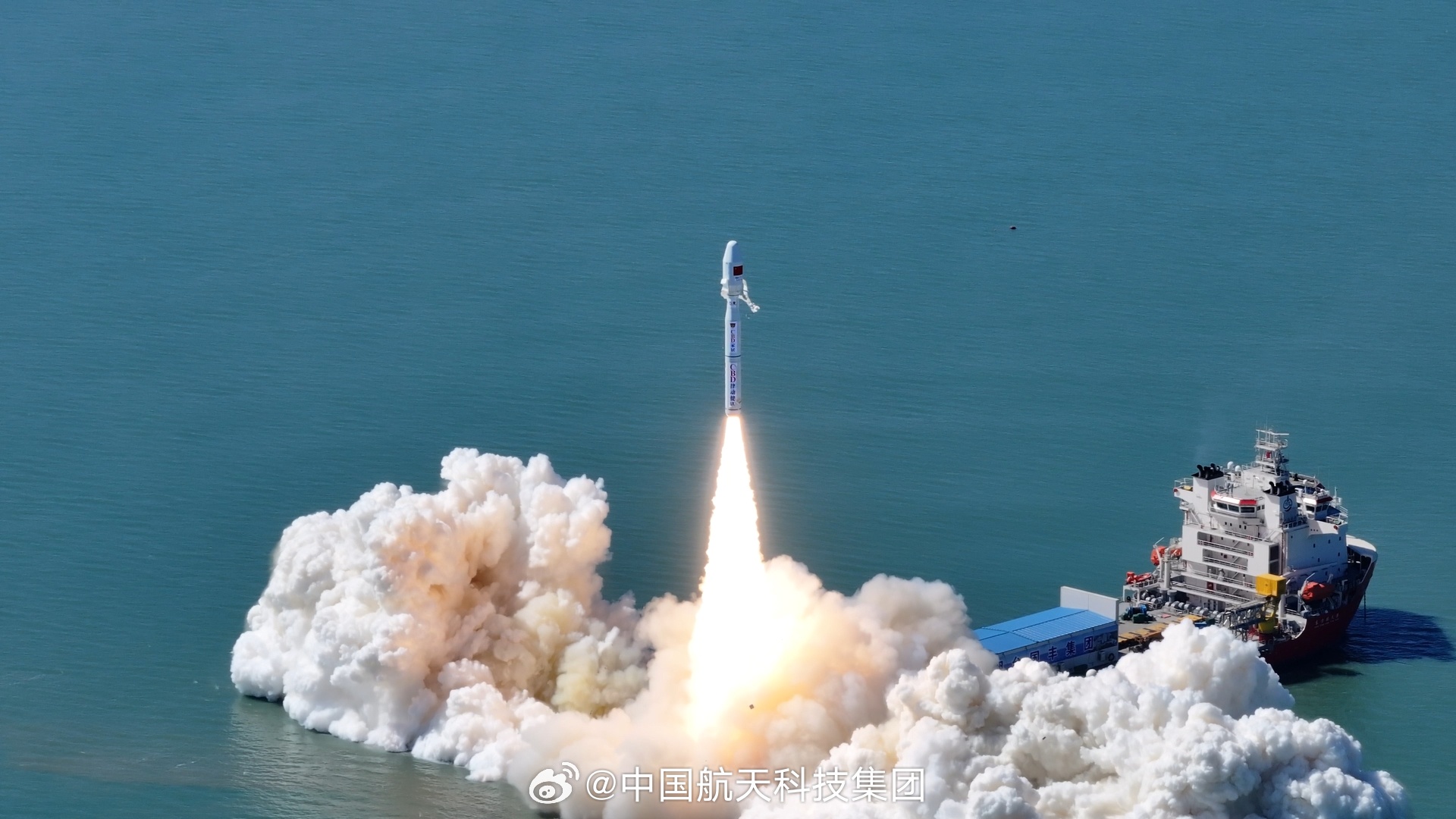
China's Shenlong spaceplane released an unidentified object in orbit, drawing scrutiny amid U.S. Space Force Victus Haze RPO demonstrations. Tracking data critical.
AI tools outperform human planners in Air Force battle management experiment. DARPA pursues quantum computing interoperability. Canada's Atlantic Spaceport Complex gets environmental approval.

SpaceX successfully launched 28 Starlink satellites while preparing for the upcoming Ax-4 mission to the ISS. Significant progress continues in their ongoing space endeavors.
Starbase Pad 2 passes water-cooled deck test ahead of Booster 19. Starlink restrictions disrupt Russian battlefield communications. California city weighs banning Musk companies.