


Space Brief 20 Feb 2025
Expansion of national security capabilities with new services, shifts in Pentagon priorities, challenges in zero trust compliance, and more.



Launch Date
March 11, 2021
Launch Site
Launch Pad
LC40
Launch Vehicle
NORAD ID
47824
International Designator
2021-018AP
Epoch
Sat, 04 Jul 2026 01:50:00 GMT
Apogee
Calculating...
Perigee
Calculating...
Inclination
53.16°
Right Ascension
77.19°
Eccentricity
Calculating...
Argument of Perigee
95.16°
Period
94.11 min
Mean Motion
15.30 rev/day
Latitude
Calculating...
Longitude
Calculating...
Altitude
Calculating...
Velocity
Calculating...
Name
STARLINK-2409
Alternative Name
Starlink 2409
Type
Status
Owner
SPXS
Country
United States
Constellation
N/A
Related Satellites
Major Events
N/A
1 47824U 21018AP 26185.07638895 -.00000749 00000-0 -13185-4 0 9999
2 47824 53.1589 77.1873 0001252 95.1569 264.9574 15.30186531294315
Source: Celestrak
Length
0.2
Diameter
2.8
Span
9
Dry Mass
248
Launch Mass
260
Shape
Box + pan
Radar Cross Section
Unknown
Visual Magnitude
Unknown
Color
Unknown
Material Composition
Unknown
Payload
Starlink V1.0-L20-38
Purpose
Communication
Mission
Communication
Manufacturer
SPXS
Life Expectancy
Unknown
Bus
Starlink
Configuration
Unknown
Motor
Krypton ion thrusters
Equipment
Ku/Ka-band payload (all), optical inter-satellite links (a few prototypes)
Power System
Solar arrays, batteries
ADCS
Unknown
Transmitter Frequency
Unknown
Learn more about satellites and other related topics.
Expansion of national security capabilities with new services, shifts in Pentagon priorities, challenges in zero trust compliance, and more.

Why this unassuming website has become the backbone of space research for enthusiasts and professionals alike
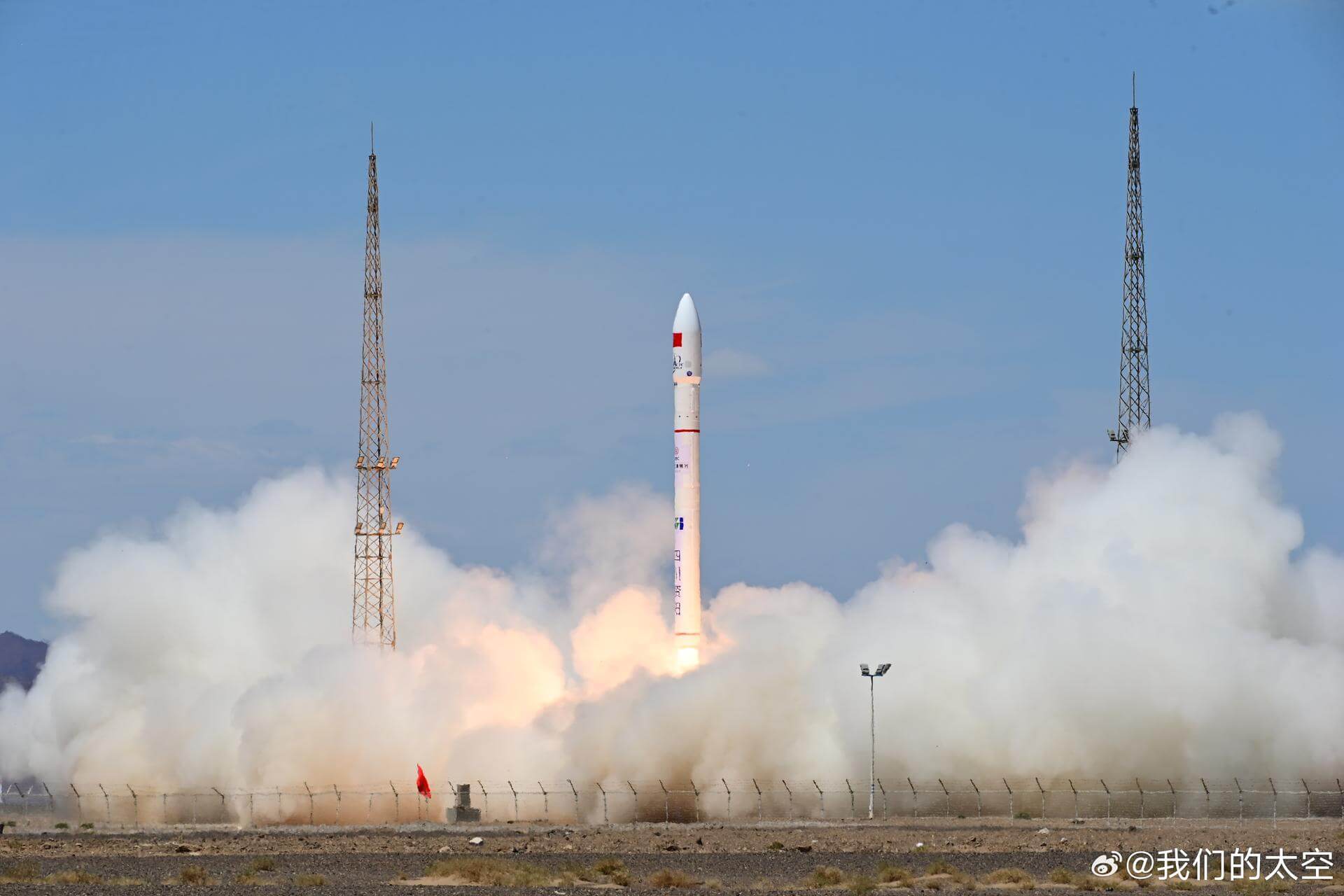
Today's brief covers the crash of a SpaceX Falcon 9 rocket over Europe, the Space Force's mapping efforts with Iron Dome, and key military appointments and funding decisions.
US military praised for space operations against Iran assessed as jamming or spoofing satellite communications. Electronic warfare effects invisible to orbital tracking data.
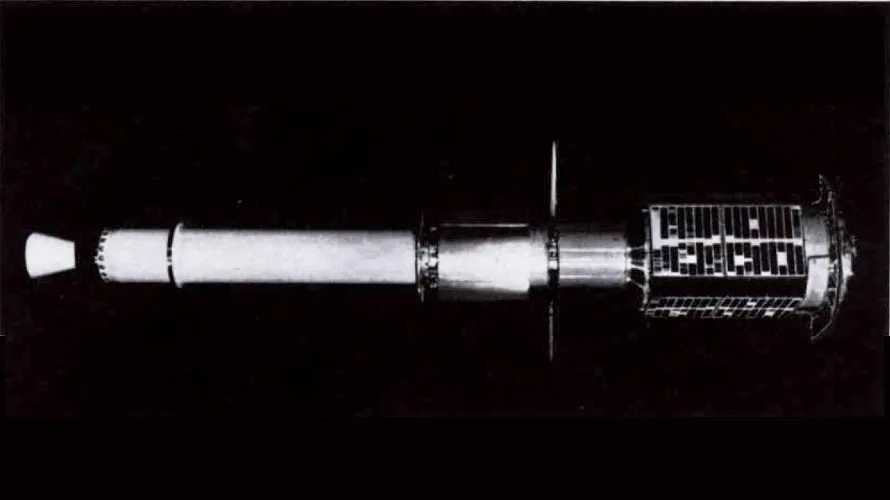
On April 27, 1961, a Scout rocket lifted a 37-kilogram NASA satellite into orbit from Wallops Island carrying the first serious instrument for detecting cosmic gamma rays. Explorer 11 operated for seven months before its tape recorder failed. In that time it registered 22 gamma-ray photons - a pitiful number by modern standards, but enough to launch an entire branch of astronomy.

Today's key space events include SpaceX's launch of the secretive X-37B military drone, XTAR's U.S. defense market strategy, and China's space station AI upgrade.
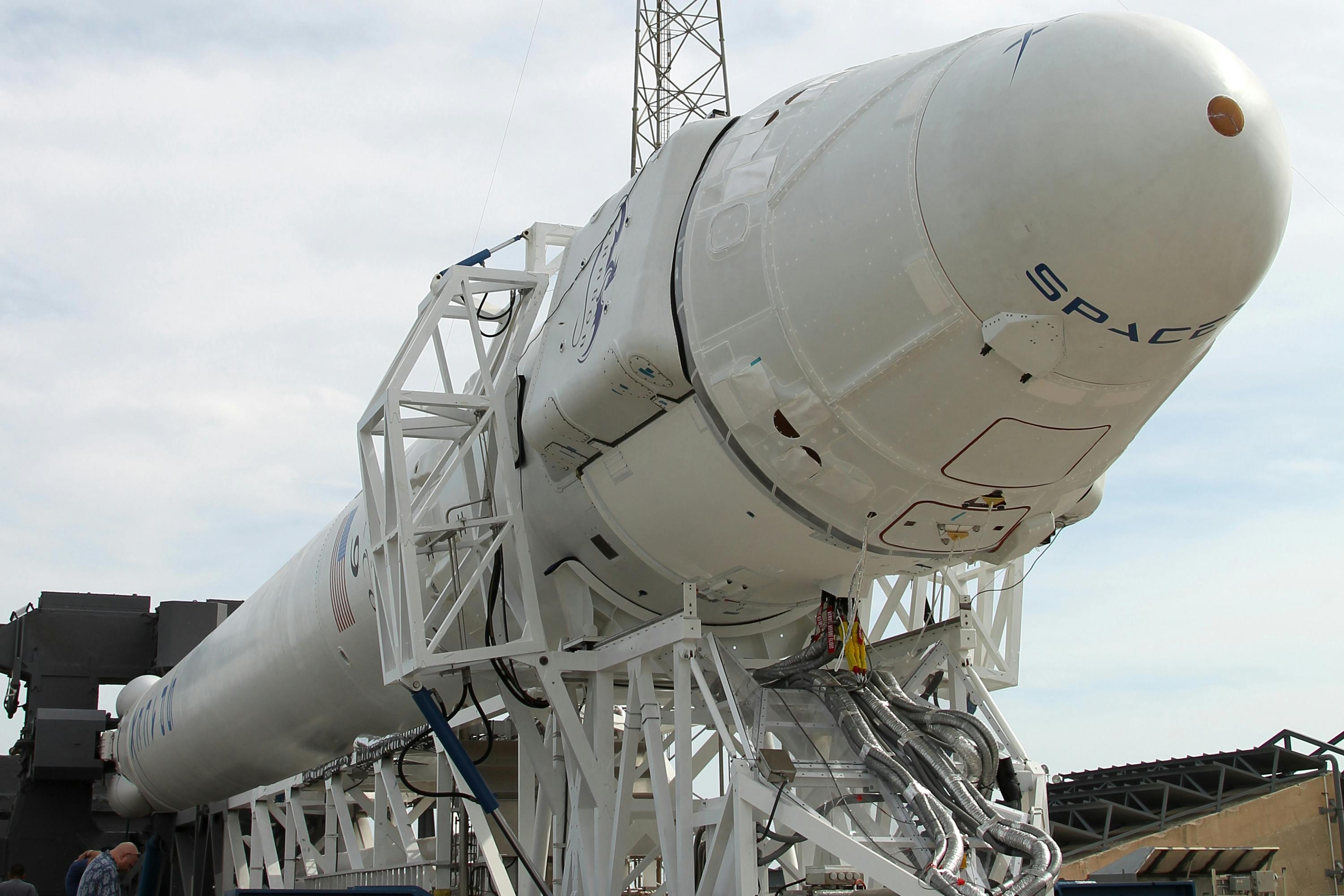
A week of highs and lows for SpaceX, including weather-related delays and a return to Falcon launches.

SpaceX continues to push forward with its ambitious plans as the FAA investigates Starship debris reports, while Starlink maintains robust satellite operations.