


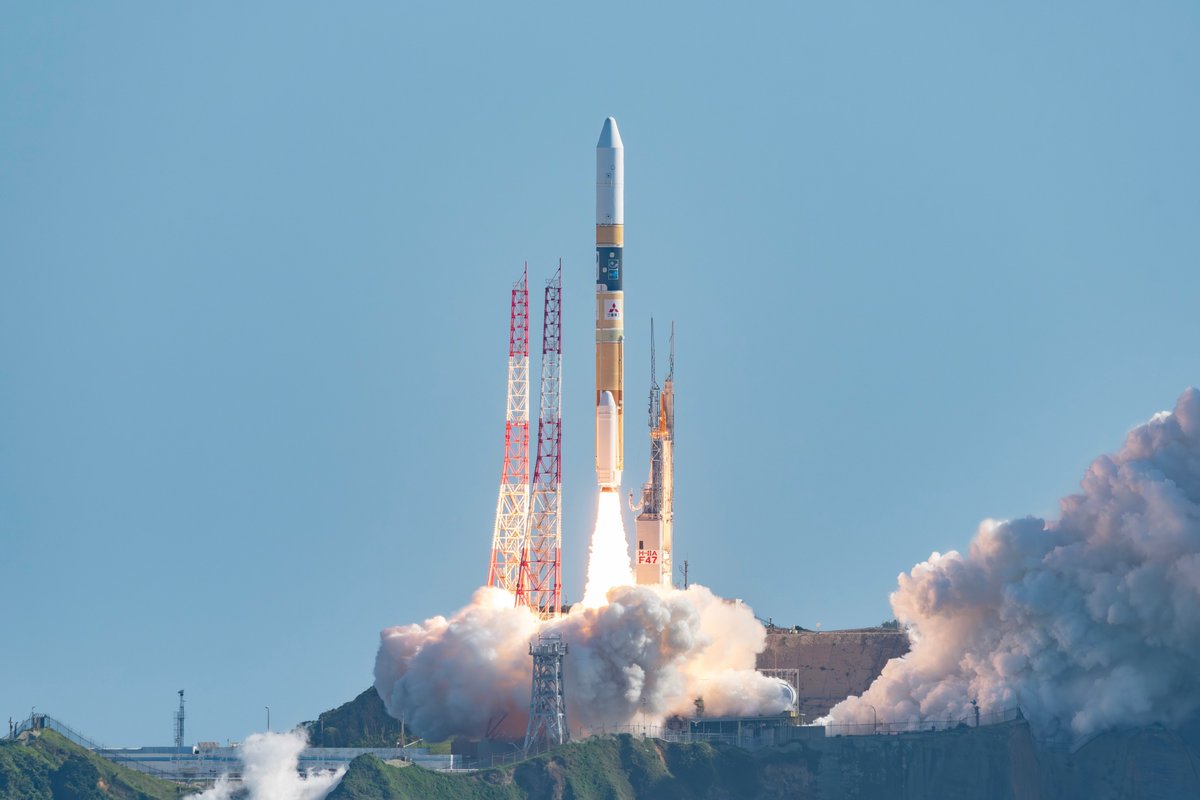
Space Brief 18 Jun 2025
Today's updates cover crucial developments in satellite licensing reforms, defense cybersecurity, and AI integration within government sectors.



Launch Date
March 11, 2021
Launch Site
Launch Pad
LC40
Launch Vehicle
NORAD ID
47790
International Designator
2021-018D
Epoch
Sat, 04 Jul 2026 00:12:40 GMT
Apogee
Calculating...
Perigee
Calculating...
Inclination
53.16°
Right Ascension
35.50°
Eccentricity
Calculating...
Argument of Perigee
87.17°
Period
94.01 min
Mean Motion
15.32 rev/day
Latitude
Calculating...
Longitude
Calculating...
Altitude
Calculating...
Velocity
Calculating...
Name
STARLINK-2319
Alternative Name
Starlink 2319
Type
Status
Owner
SPXS
Country
United States
Constellation
N/A
Related Satellites
Major Events
N/A
1 47790U 21018D 26185.00880529 -.00001102 00000-0 -23738-4 0 9996
2 47790 53.1607 35.5032 0001448 87.1670 272.9497 15.31699043294922
Source: Celestrak
Length
0.2
Diameter
2.8
Span
9
Dry Mass
248
Launch Mass
260
Shape
Box + pan
Radar Cross Section
Unknown
Visual Magnitude
Unknown
Color
Unknown
Material Composition
Unknown
Payload
Starlink V1.0-L20-04
Purpose
Communication
Mission
Communication
Manufacturer
SPXS
Life Expectancy
Unknown
Bus
Starlink
Configuration
Unknown
Motor
Krypton ion thrusters
Equipment
Ku/Ka-band payload (all), optical inter-satellite links (a few prototypes)
Power System
Solar arrays, batteries
ADCS
Unknown
Transmitter Frequency
Unknown
Learn more about satellites and other related topics.
Today's updates cover crucial developments in satellite licensing reforms, defense cybersecurity, and AI integration within government sectors.

Today's highlights include Space Force prioritizing military missions, testing new GPS satellite software, and international defense collaborations impacting space assets.
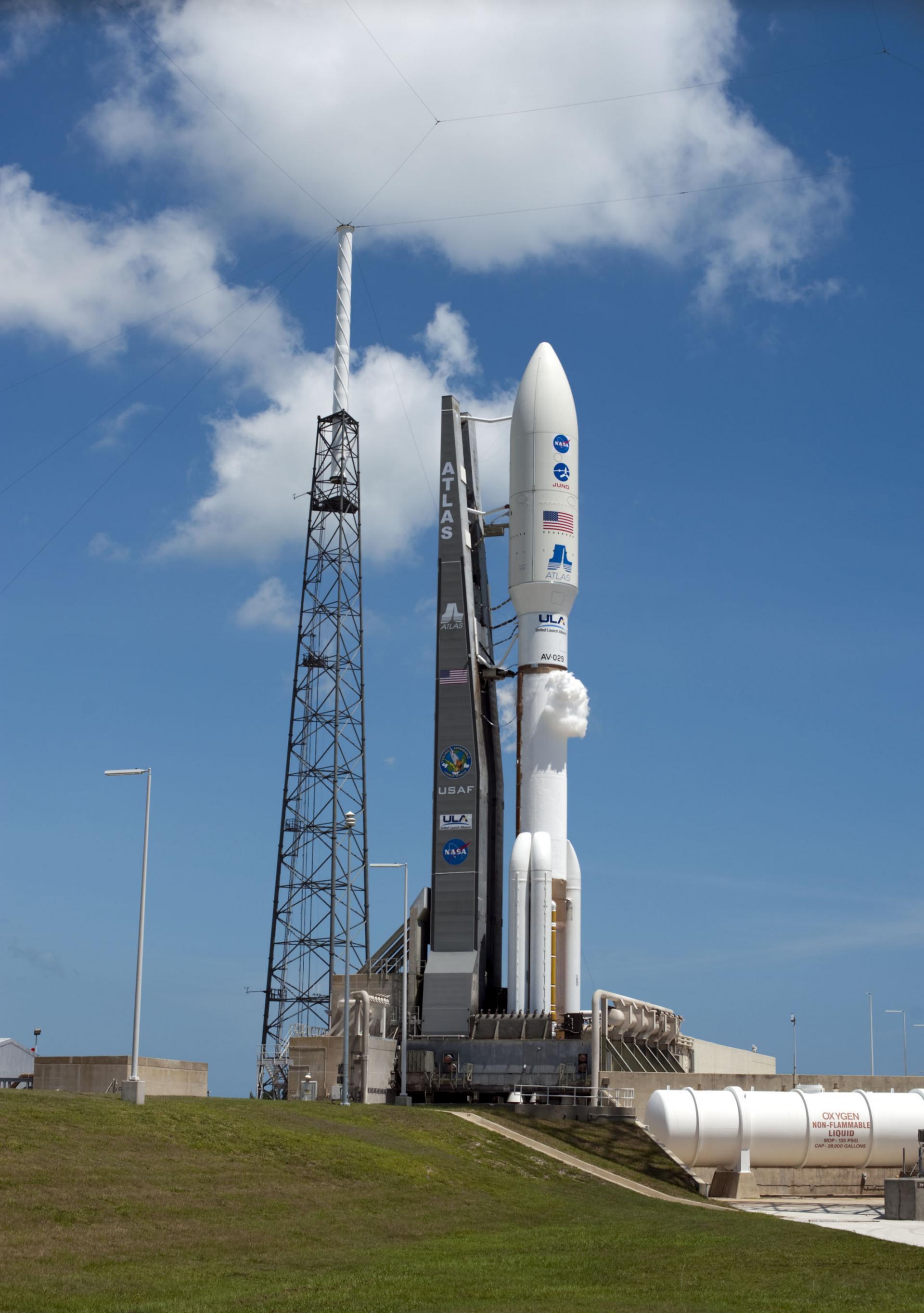
Today's brief covers SpaceX's potential government contract, the future of US Space Command headquarters, an auction record for Neil Armstrong's watch, and the volcanic history of Mars.
Stay updated on key orbital events including Rocket Lab's upcoming launch, significant legislative moves in space traffic management, and changes in defense policies impacting space operations.

Today's brief covers the U.S. Space Force's orbital carrier initiative, ULA Vulcan's approval for military launches, Rocket Lab's new contract with the Space Force, integrated data layers for military command, and advances in tactical surveillance.

Today's brief highlights critical discussions in military space readiness, potential satellite 'dogfighting' scenarios, international defense collaborations, and a notable communications satellite launch.
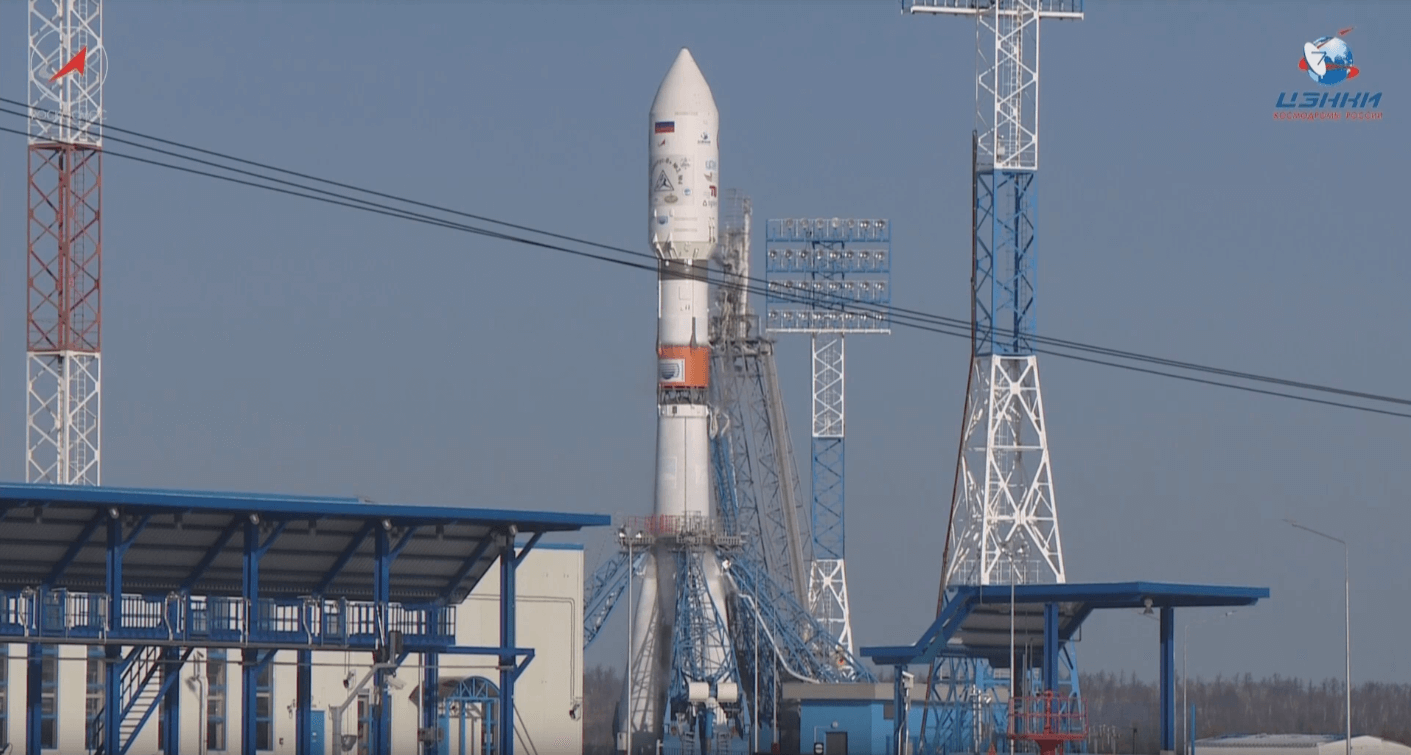
Today's highlights include Canada's and Australia's investment in hypersonic defense, China's successful test of an inflatable space module, and Sweden's support of Ukrainian missile and drone production.
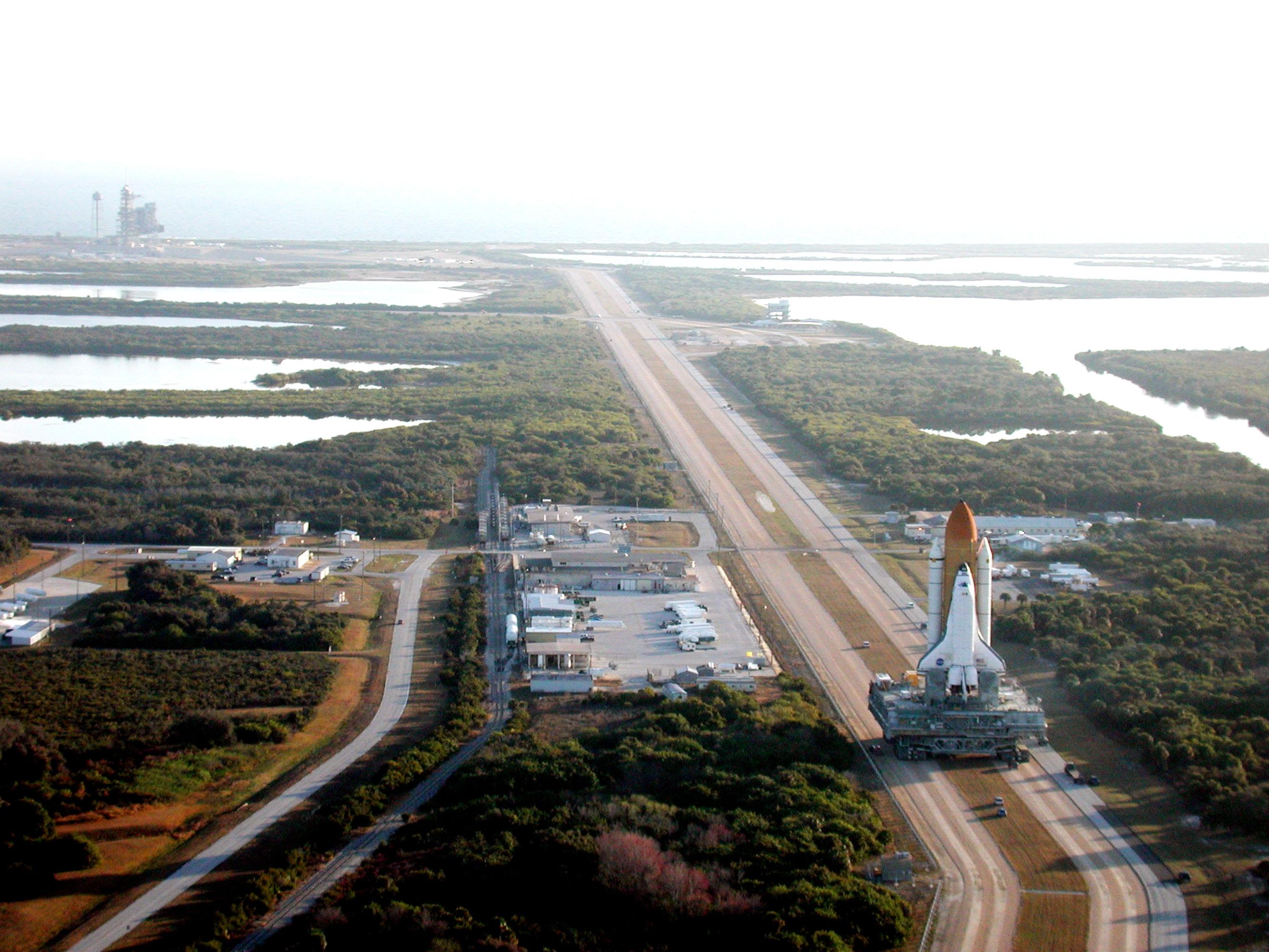
Twenty-four years ago, two spacewalking astronauts battled an ammonia leak while installing the U.S. Laboratory module Destiny, transforming the International Space Station from a construction site to a world-class research facility