


X Report 12 Apr 2025
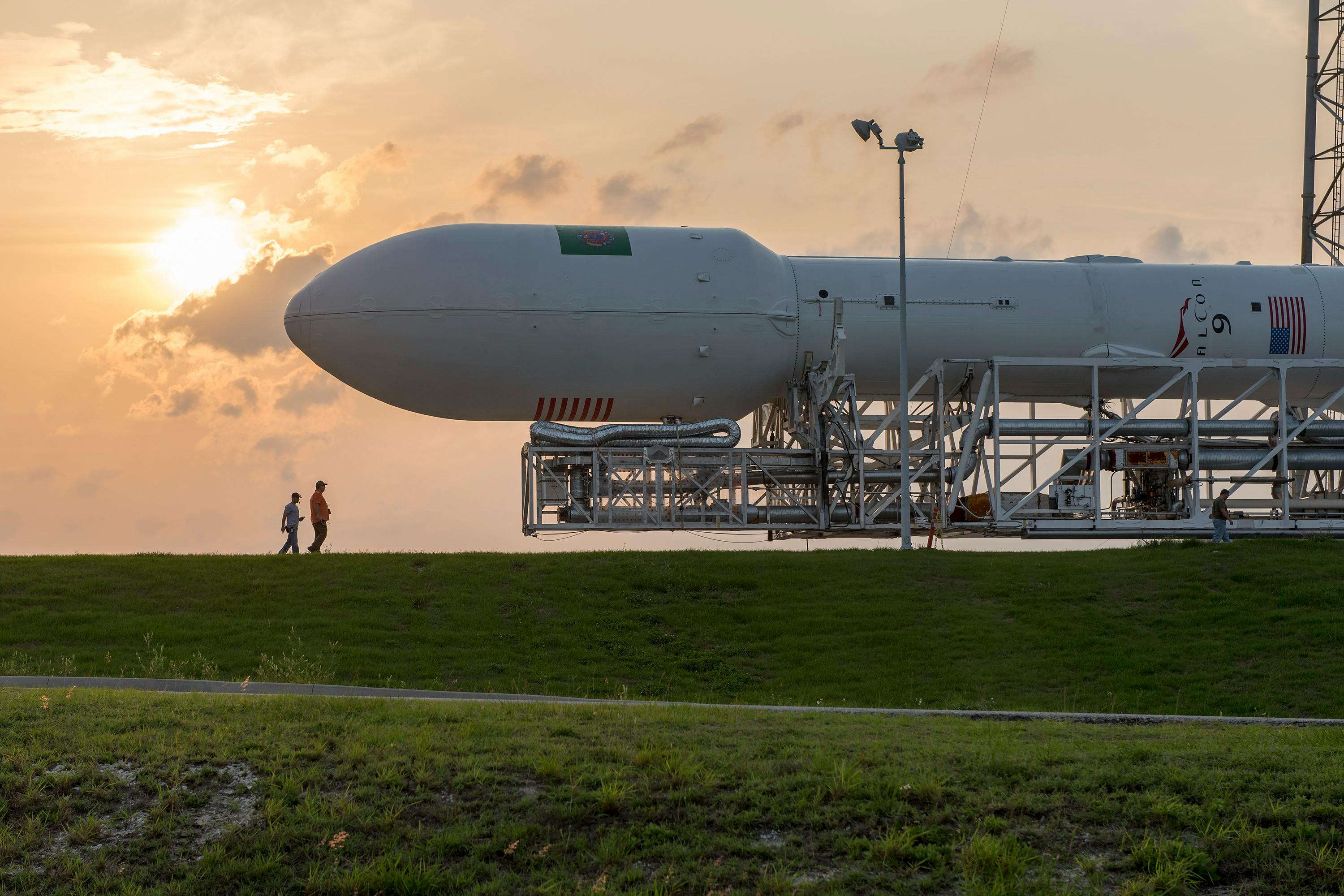
Key developments include the launch of Starshield satellites for the NRO and updates on Starlink launches and NASA access concerns involving Elon Musk's team.



Launch Date
March 4, 2021
Launch Site
Launch Pad
LC39A
Launch Vehicle
NORAD ID
47746
International Designator
2021-017AA
Epoch
Fri, 03 Jul 2026 19:28:06 GMT
Apogee
Calculating...
Perigee
Calculating...
Inclination
53.16°
Right Ascension
15.92°
Eccentricity
Calculating...
Argument of Perigee
140.46°
Period
92.95 min
Mean Motion
15.49 rev/day
Latitude
Calculating...
Longitude
Calculating...
Altitude
Calculating...
Velocity
Calculating...
Name
STARLINK-2160
Alternative Name
Starlink 2160
Type
Status
Owner
SPXS
Country
United States
Constellation
N/A
Related Satellites
Major Events
N/A
1 47746U 21017AA 26184.81118241 .00086258 00000-0 15444-2 0 9995
2 47746 53.1566 15.9202 0003523 140.4607 219.6659 15.49259168295734
Source: Celestrak
Length
0.2
Diameter
2.8
Span
9
Dry Mass
248
Launch Mass
260
Shape
Box + pan
Radar Cross Section
Unknown
Visual Magnitude
Unknown
Color
Unknown
Material Composition
Unknown
Payload
Starlink V1.0-L17-25
Purpose
Communication
Mission
Communication
Manufacturer
SPXS
Life Expectancy
Unknown
Bus
Starlink
Configuration
Unknown
Motor
Krypton ion thrusters
Equipment
Ku/Ka-band payload (all), optical inter-satellite links (a few prototypes)
Power System
Solar arrays, batteries
ADCS
Unknown
Transmitter Frequency
Unknown
Learn more about satellites and other related topics.
Key developments include the launch of Starshield satellites for the NRO and updates on Starlink launches and NASA access concerns involving Elon Musk's team.
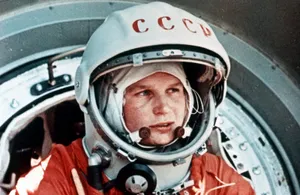
Sixty-three years ago, the Soviet Union selected the world's first female cosmonaut training group, launching a new era in human spaceflight that would transform our understanding of gender equality in space exploration

Discover key developments in space defense and military operations, including new leadership for Space Force's 'Golden Dome,' SpaceX's contract for a military SATCOM network, and increased Israeli-Iranian missile activity.
Today's space news highlights include U.S. military satellite deployments, innovative AI aboard the Chinese space station, and breakthroughs in interplanetary communications.
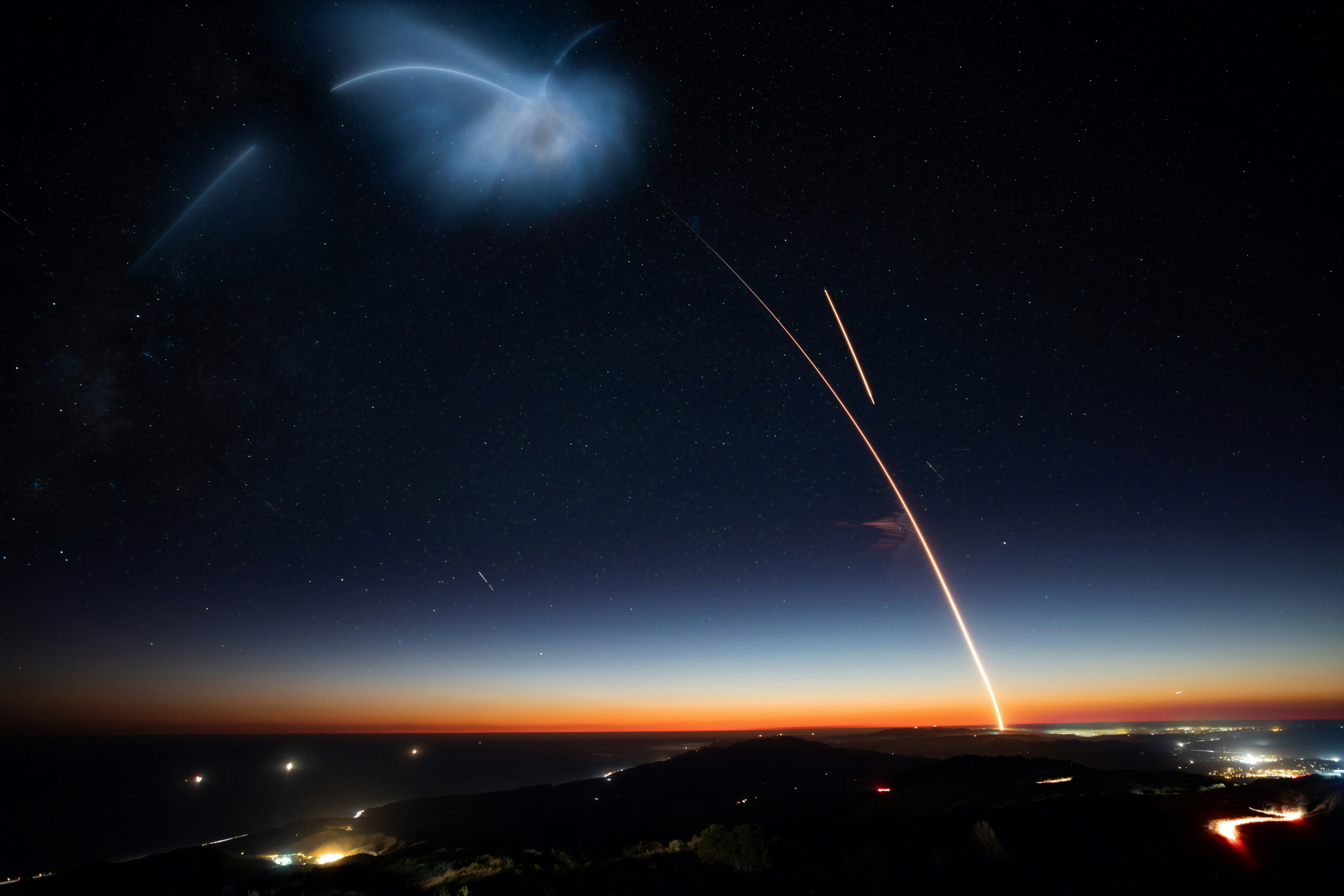
Tesla's Cybertruck fleet integrates with SpaceX operations at Starbase, showcasing synergy between Musk's companies.
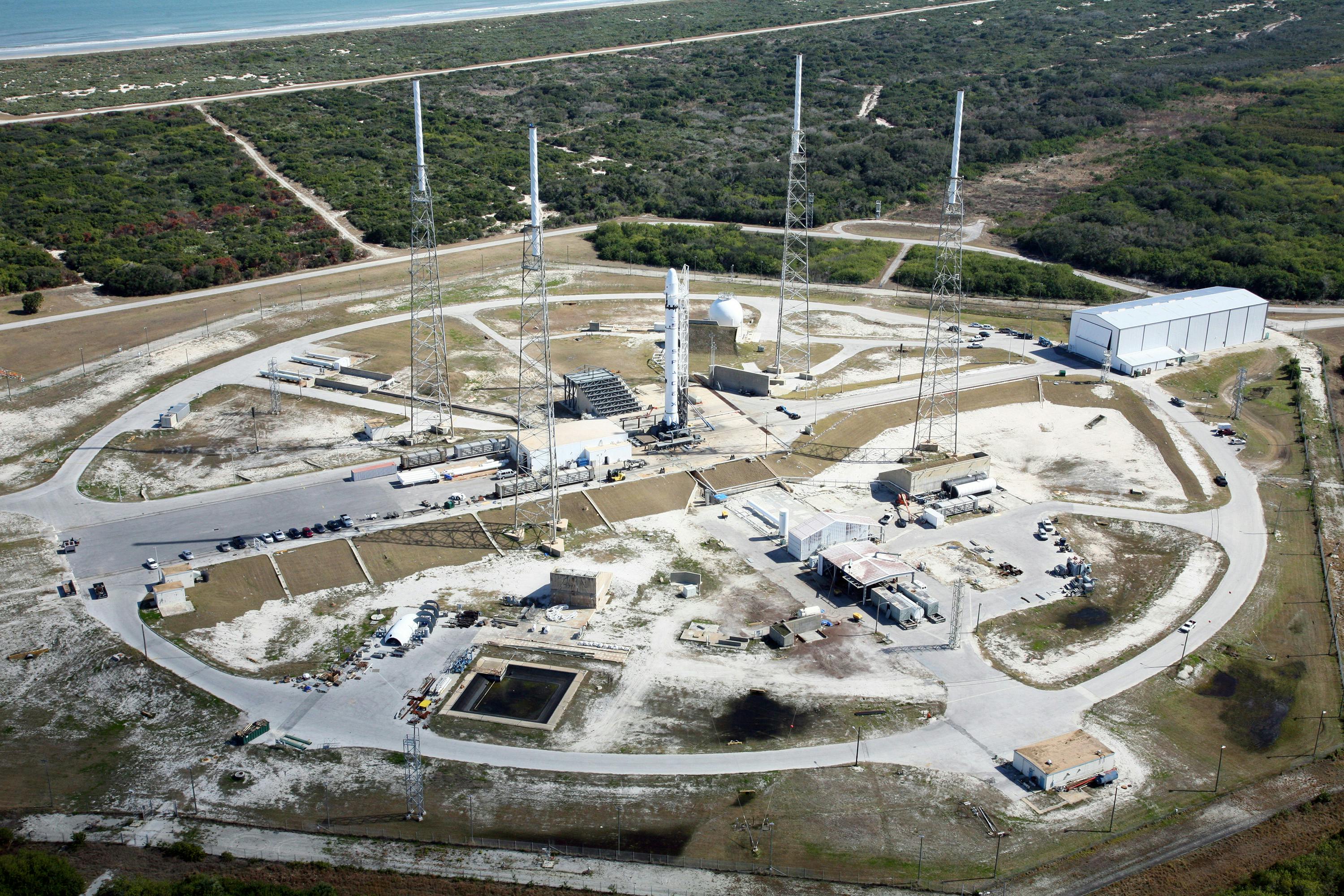
SpaceX's Transporter-17 rideshare carried 81 payloads including history's first nuclear-powered commercial satellite on July 7.
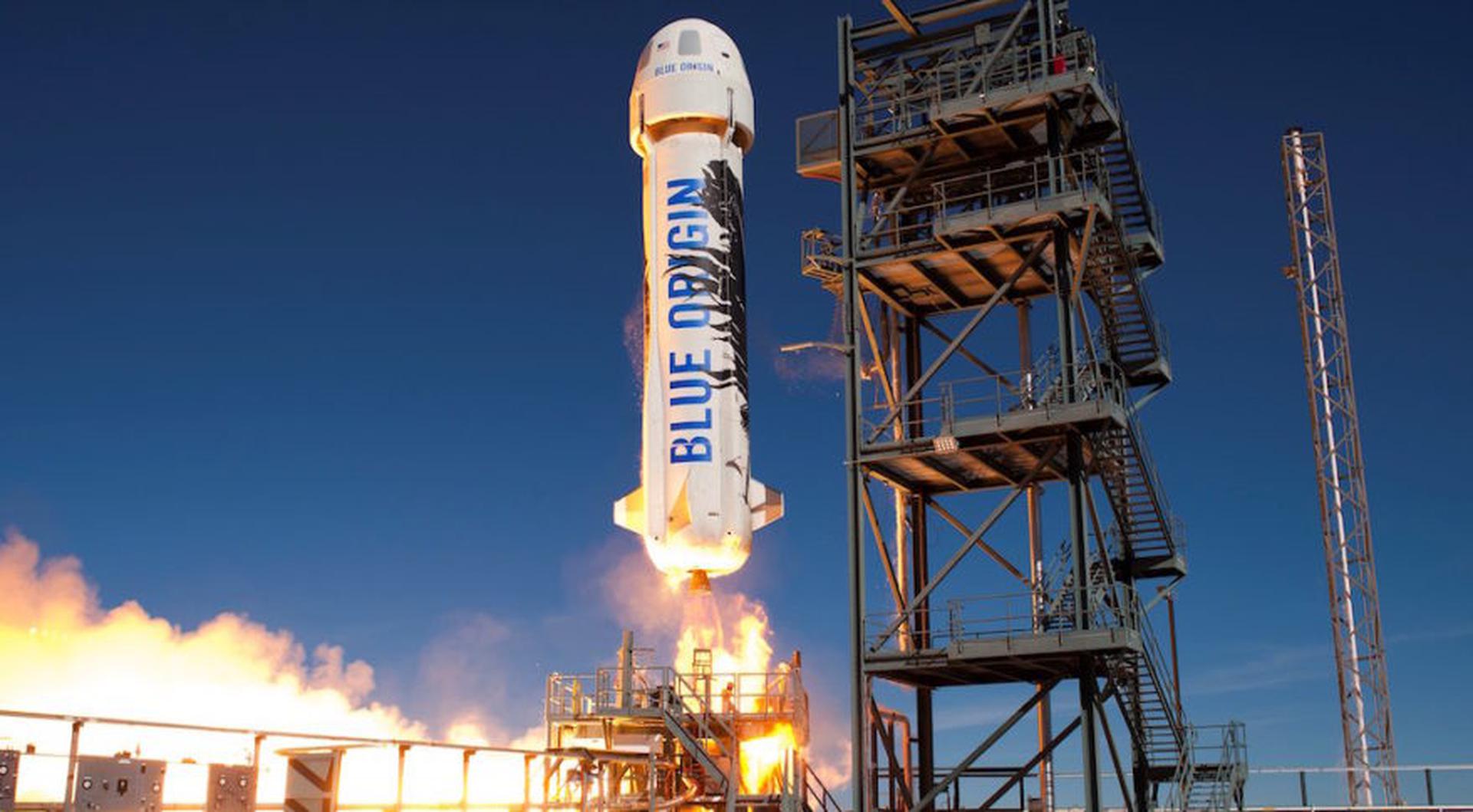
China launches Yaogan spacecraft into unusual orbit and Guowang constellation satellites to start 2026. NASA and DOE plan lunar nuclear reactor by 2030. Space Force switches GPS launch rocket.
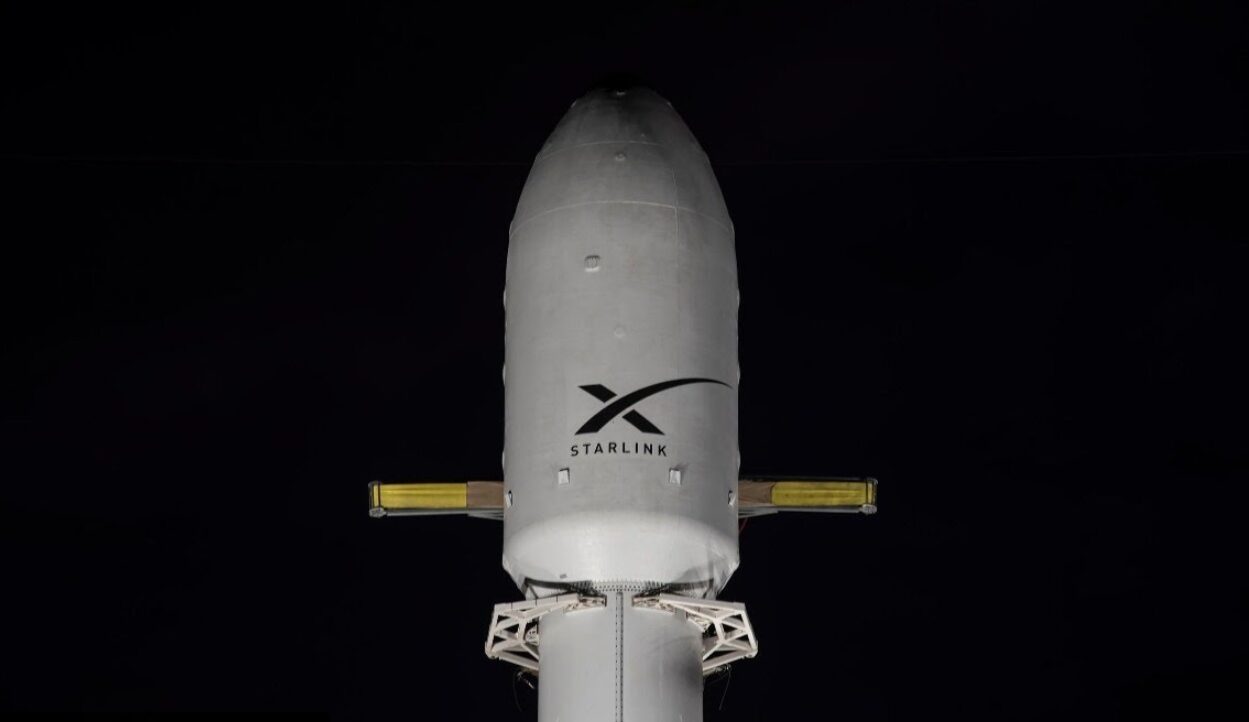
FCC clears Reflect Orbital's first satellite to bounce sunlight into nighttime zones, despite pushback from astronomers concerned about orbital streaking and wildlife impacts.