


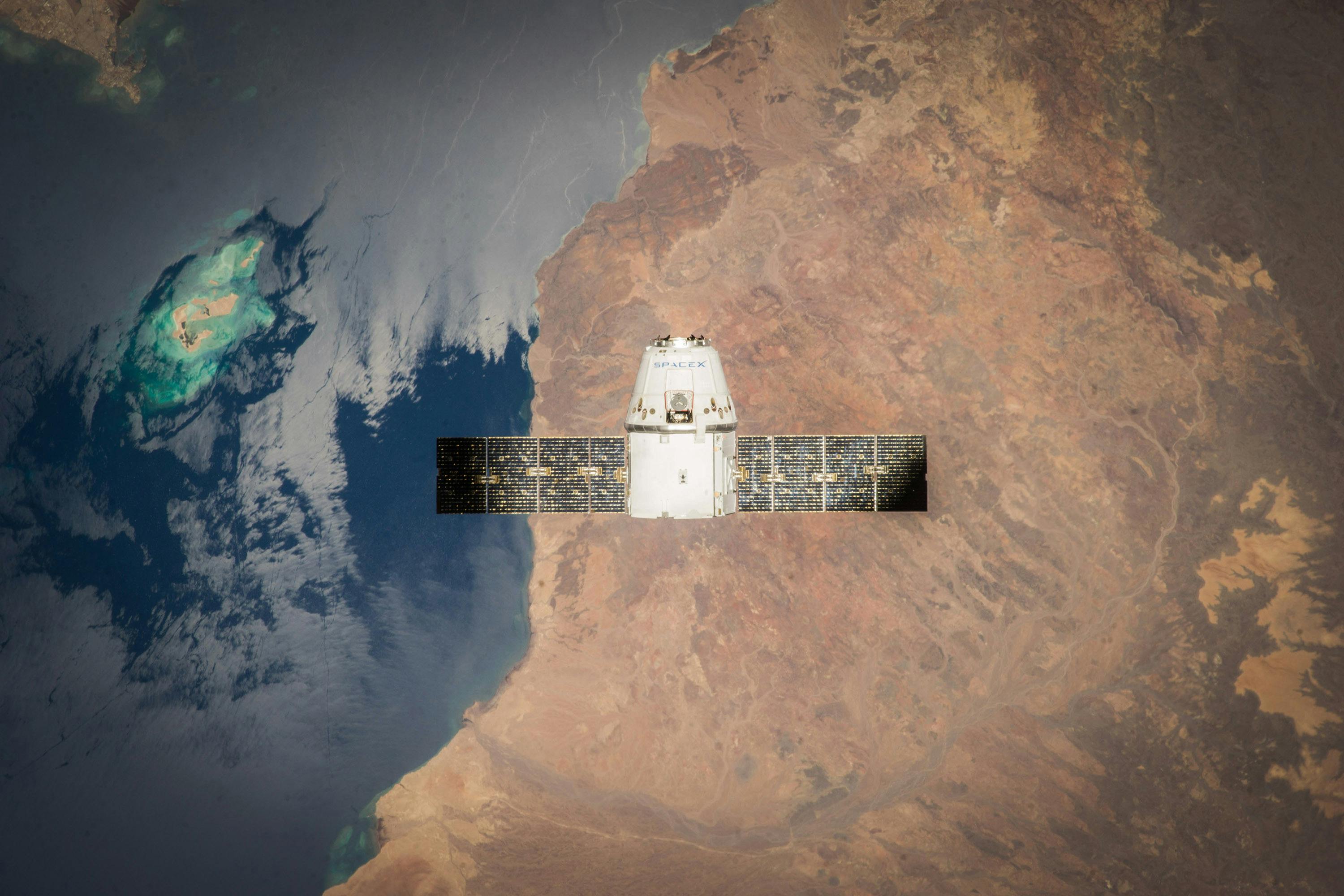
FAA Grounds Starship V3 for Mishap Probe, X Report 29 May 2026
FAA grounds Starship pending a mishap investigation into the V3 debut flight; return to flight hinges on FAA sign-off. Starlink 10-53 added 29 sats.



Launch Date
February 16, 2021
Launch Site
Launch Pad
LC40
Launch Vehicle
NORAD ID
47667
International Designator
2021-012AZ
Epoch
Wed, 15 Apr 2026 02:34:27 GMT
Apogee
Calculating...
Perigee
Calculating...
Inclination
53.02°
Right Ascension
196.68°
Eccentricity
Calculating...
Argument of Perigee
320.02°
Period
87.64 min
Mean Motion
16.43 rev/day
Latitude
Calculating...
Longitude
Calculating...
Altitude
Calculating...
Velocity
Calculating...
Name
STARLINK-2058
Alternative Name
Starlink 2058
Type
Status
Owner
SPXS
Country
United States
Constellation
N/A
Related Satellites
Major Events
N/A
1 47667U 21012AZ 26105.10726513 .11061527 12529-4 48241-3 0 9993
2 47667 53.0224 196.6803 0006087 320.0167 40.0431 16.43170990286458
Source: Celestrak
Length
0.2
Diameter
2.8
Span
9
Dry Mass
248
Launch Mass
260
Shape
Box + pan
Radar Cross Section
Unknown
Visual Magnitude
Unknown
Color
Unknown
Material Composition
Unknown
Payload
Starlink V1.0-L19-48
Purpose
Communication
Mission
Communication
Manufacturer
SPXS
Life Expectancy
Unknown
Bus
Starlink
Configuration
Unknown
Motor
Krypton ion thrusters
Equipment
Ku/Ka-band payload (all), optical inter-satellite links (a few prototypes)
Power System
Solar arrays, batteries
ADCS
Unknown
Transmitter Frequency
Unknown
Learn more about satellites and other related topics.
FAA grounds Starship pending a mishap investigation into the V3 debut flight; return to flight hinges on FAA sign-off. Starlink 10-53 added 29 sats.

ULA's Vulcan remains grounded after February in-flight GEM 63XL booster anomaly. Northrop Grumman completed successful static fire test, but investigation ongoing with no return-to-flight date.
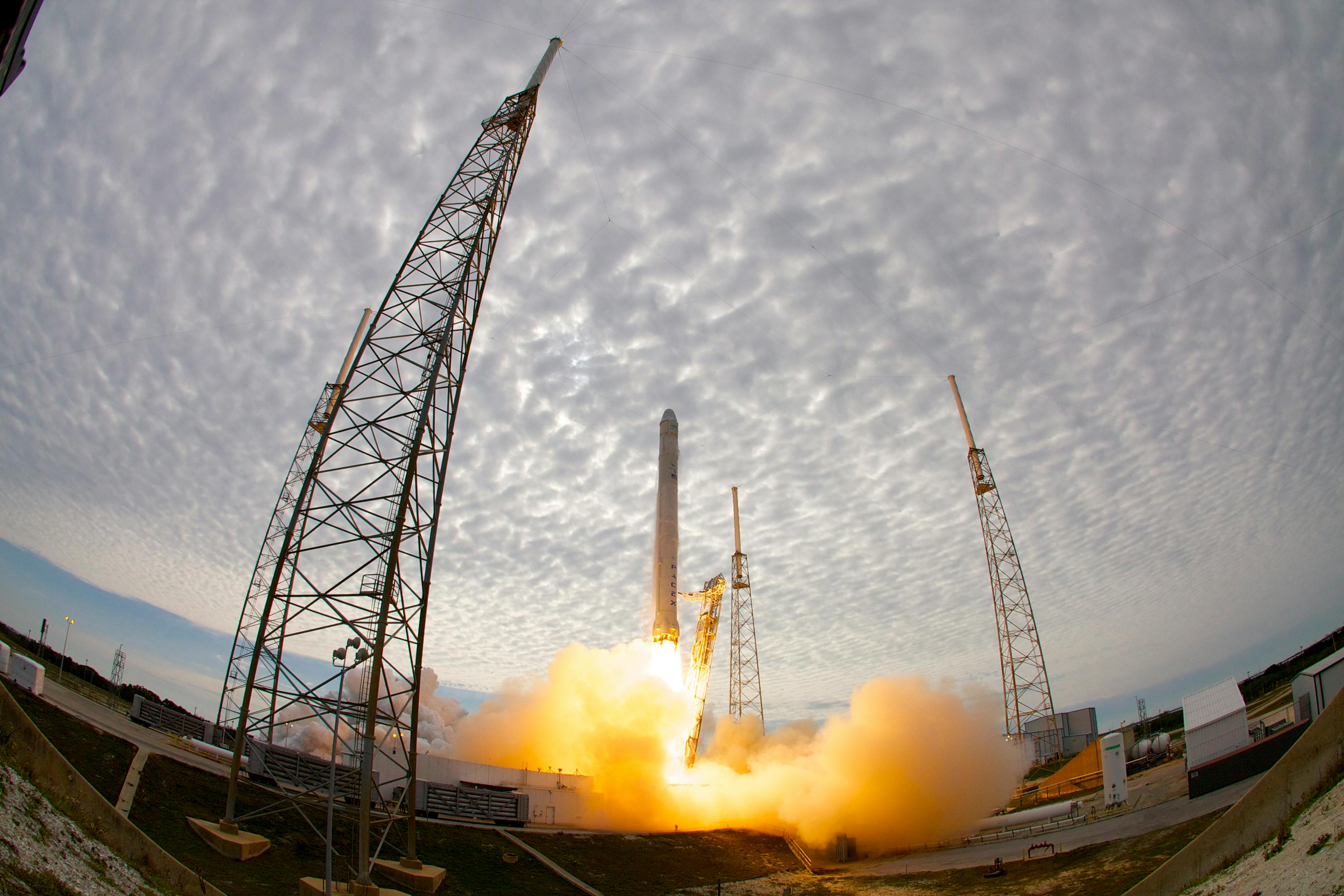
SpaceX successfully launched 24 Starlink satellites from California, enhancing its global internet coverage as the company continues to dominate the satellite communications market.
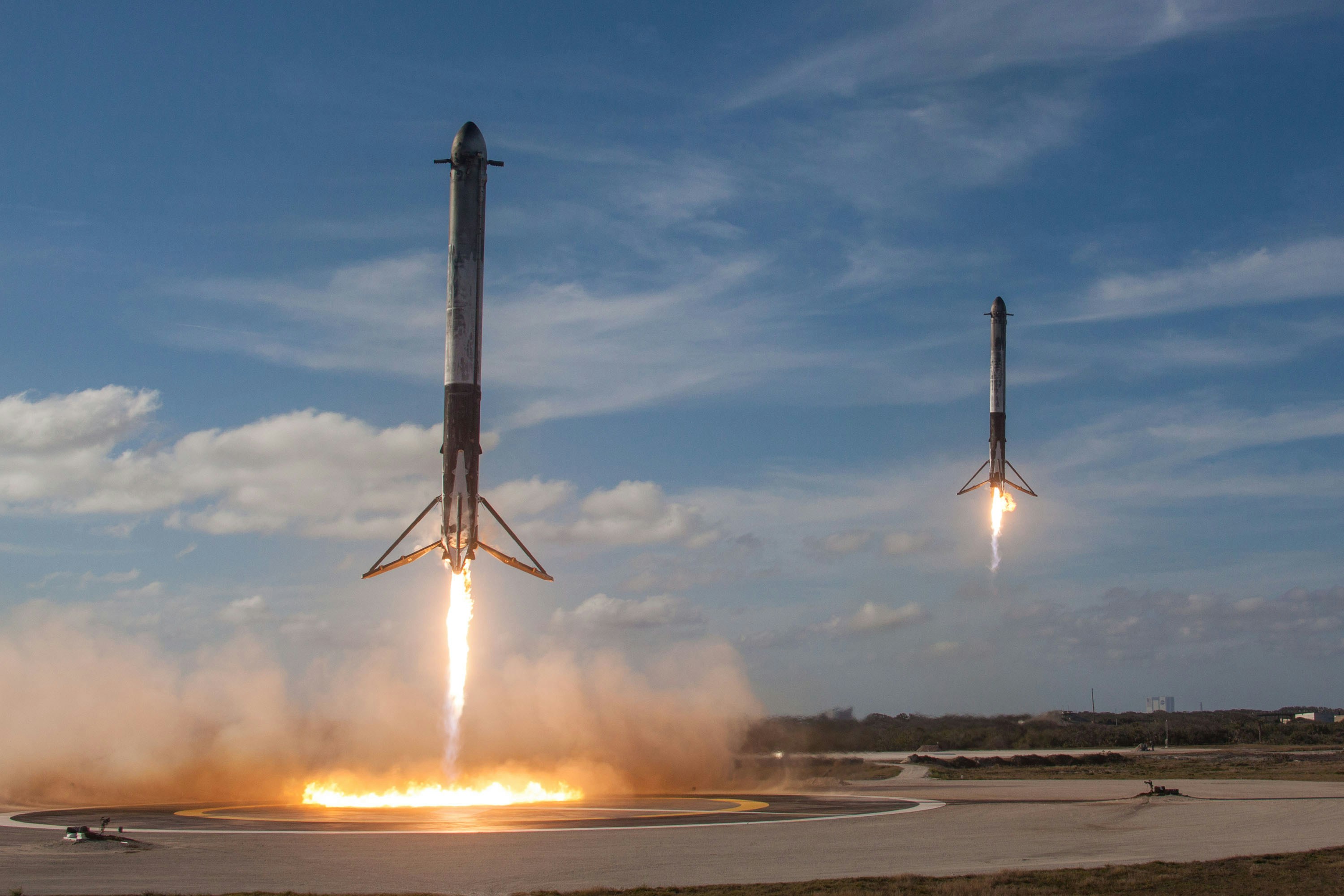
SpaceX launches 500th Starlink satellite of 2026 on 540th reused booster flight. Microsoft partners with Starlink for rural internet expansion. NASA reveals first ISS medical evacuation details.

SpaceX wins a $4.16B US Space Force contract for an airborne threat tracking satellite network. Starlink holds 10,413 satellites in orbit, 10,397 working.

Today's Space Brief highlights the U.S. Air Force's $48 million investment in testing reentry capsules, a Pentagon-backed GPS alternative, and the Space Force's quest for funding autonomy.
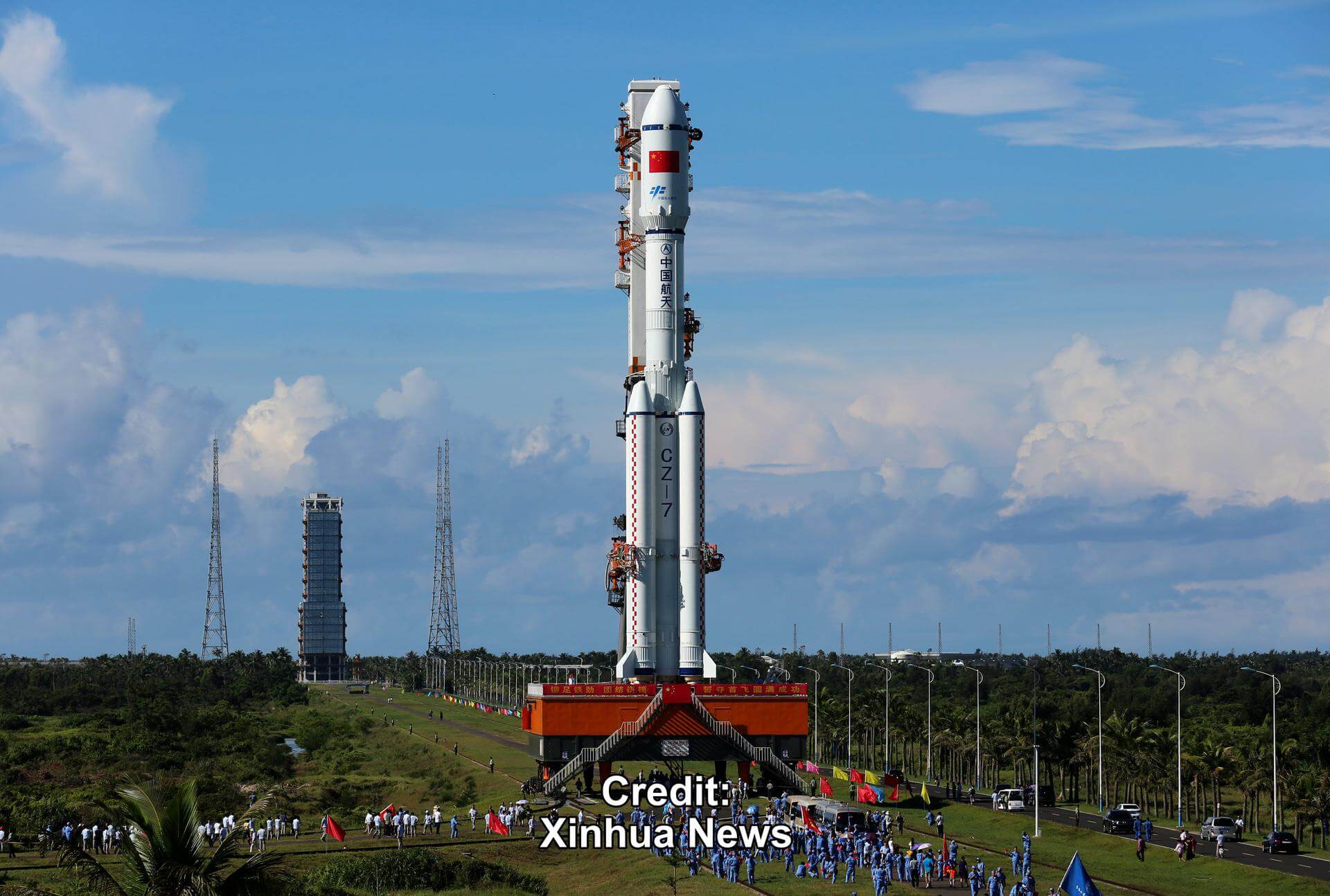
Today's key topics include the halting of the U.S. Air Force's rocket landing pad plans, the Space Force's shift to a flexible satellite strategy, delays in Australia's Eris 1 rocket launch, and the controversial cut of satellite sea-ice data to climate scientists.

Today's brief highlights key advancements in space technology and innovative military initiatives. Featuring deep space tracking system upgrades, a push towards quantum communications in orbit, and critical radar developments.