

Space Brief 2 Feb 2025
Today's highlights include new satellite launches by SpaceX, technical hiccups for an Indian navigation satellite, and insights into the future of satellite servicing.



Launch Date
February 16, 2021
Launch Site
Launch Pad
LC40
Launch Vehicle
NORAD ID
47654
International Designator
2021-012AL
Decay Date
7/30/2025
Name
STARLINK-2038
Alternative Name
Starlink 2038
Type
Status
Owner
SPXS
Country
United States
Constellation
N/A
Related Satellites
Major Events
N/A
Length
0.2
Diameter
2.8
Span
9
Dry Mass
248
Launch Mass
260
Shape
Box + pan
Radar Cross Section
Unknown
Visual Magnitude
Unknown
Color
Unknown
Material Composition
Unknown
Payload
Starlink V1.0-L19-35
Purpose
Communication
Mission
Communication
Manufacturer
SPXS
Life Expectancy
Unknown
Bus
Starlink
Configuration
Unknown
Motor
Krypton ion thrusters
Equipment
Ku/Ka-band payload (all), optical inter-satellite links (a few prototypes)
Power System
Solar arrays, batteries
ADCS
Unknown
Transmitter Frequency
Unknown
Learn more about satellites and other related topics.
Today's highlights include new satellite launches by SpaceX, technical hiccups for an Indian navigation satellite, and insights into the future of satellite servicing.

Today's briefing covers strategic military developments including missile defense proposals and board realignments, intertwined with rising space defense exports and autonomous launcher progress.
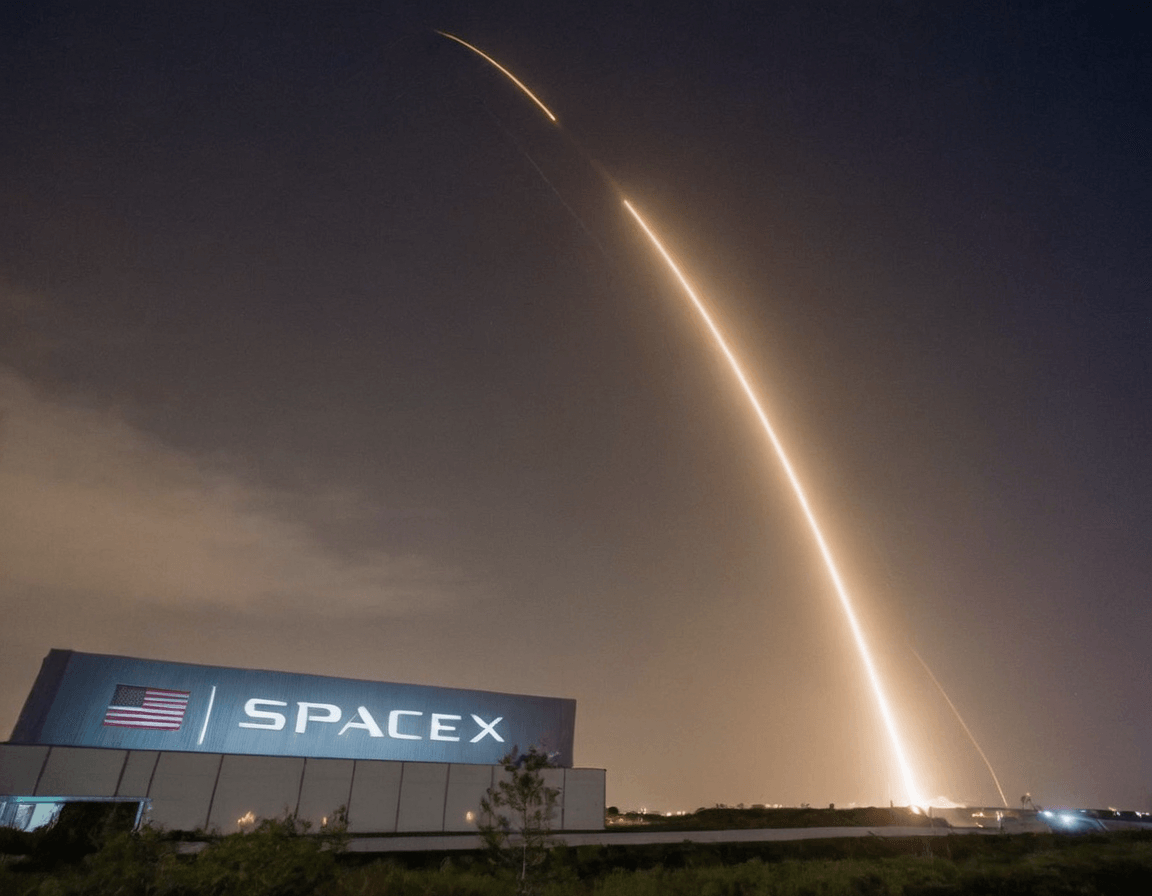
SpaceX successfully returns to flight with a Starlink mission, detailing the cause of the July 11 anomaly and implementing fixes to prevent future incidents.

Today's space news roundup highlights a significant defense bill passed for the Space Force, a delay in the Axiom-4 mission due to ISS issues, and major satellite deals with NATO.

In today's briefing: China accelerates its satellite megaconstellation. A comprehensive ESA-led optical data network is in the works, marking a key step in satellite communications. NASA's Artemis II crew visits Ohio in preparation for their lunar journey. SpaceX's record-breaking rocket launches continue. Plus, insights into nuclear rockets that could drastically shorten Mars missions.
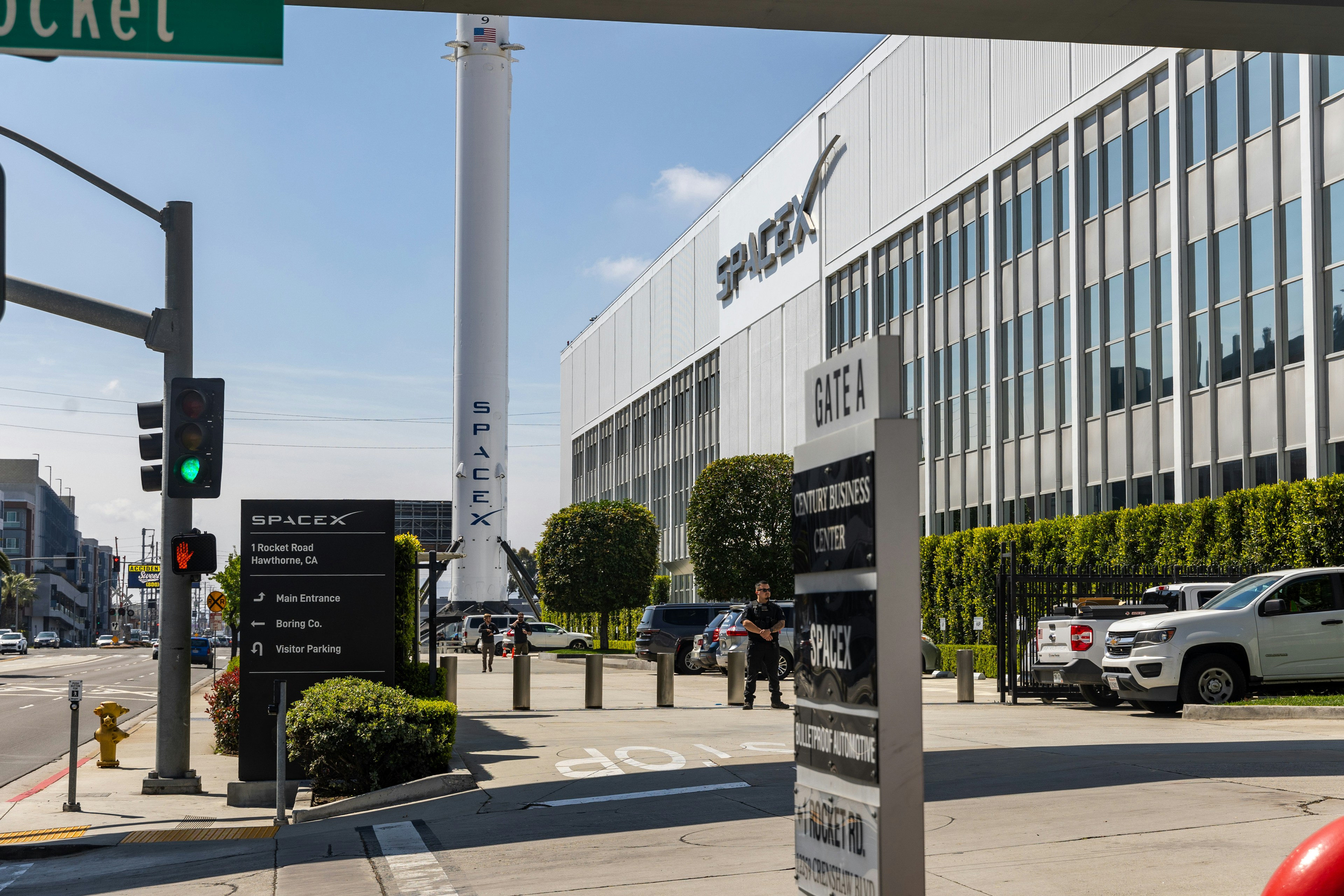
Starlink direct-to-device competition unites AT&T, Verizon, and T-Mobile for the first time as SpaceX's 10,354 working satellites reshape mobile coverage.

SpaceX celebrates 300 successful booster landings, further solidifying its dominance in reusable rocket technology.
Today's brief highlights a Pentagon satellite network challenge, the expanding use of AI in military strategy, and advancements in commercial launch vehicle production.