

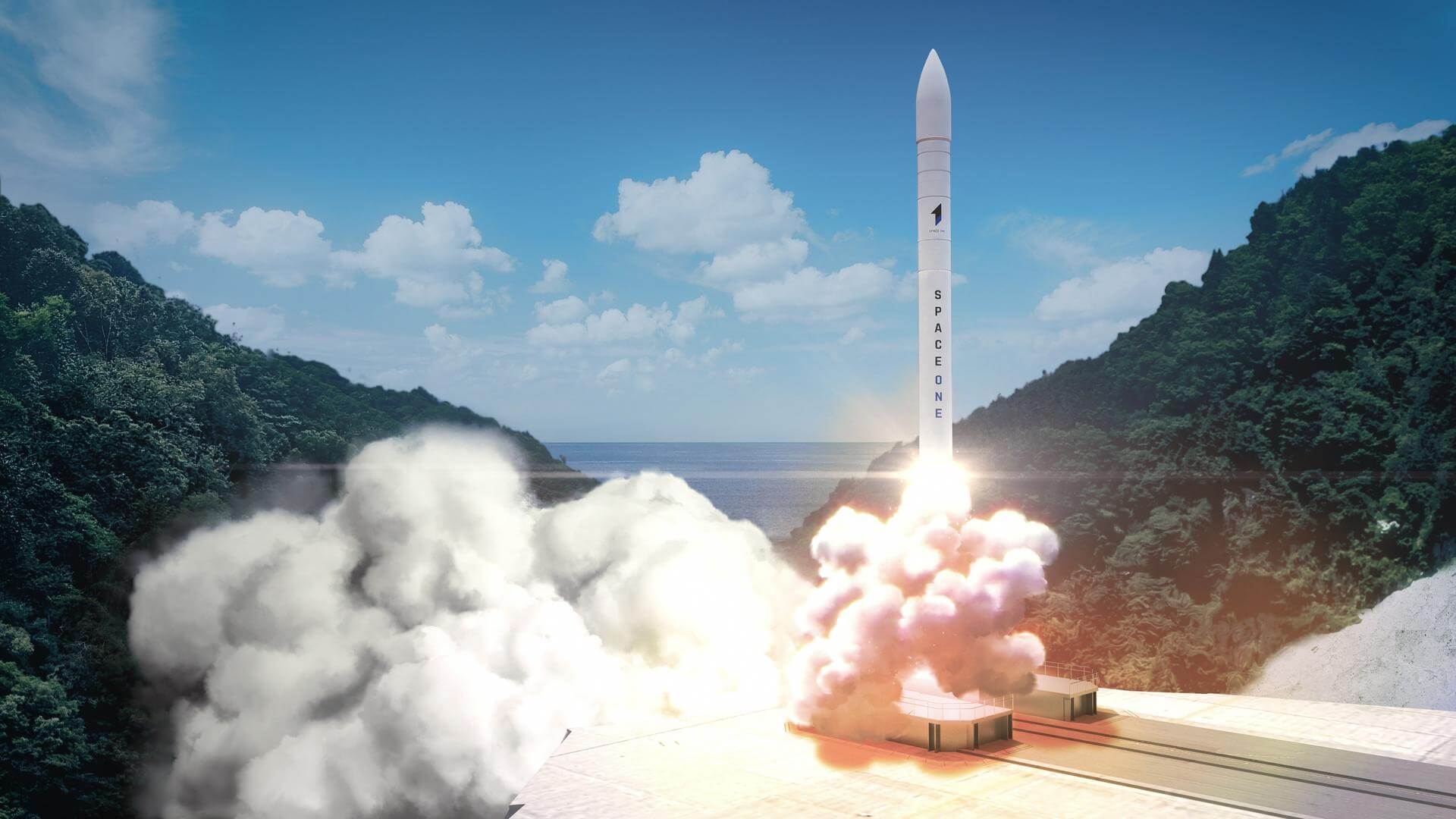
Space Brief 4 Dec 2024
Today's brief covers significant advancements in materials technology for space applications, a U.S. Navy contract for rocket production facilities, and NATO's upcoming classified cloud system.


Launch Date
November 24, 1970
Launch Site
Launch Pad
LC31
Launch Vehicle
Soyuz 11A511L
NORAD ID
04761
International Designator
1970-099B
Decay Date
11/26/1970
Name
SL-4 R/B
Alternative Name
Soyuz-L No. 016 Blok-I
Type
Status
Owner
RVSN
Country
USSR
Constellation
N/A
Related Satellites
Major Events
N/A
Length
6.7
Diameter
2.7
Span
6.7
Dry Mass
2350
Launch Mass
2350
Shape
Cyl
Radar Cross Section
Unknown
Visual Magnitude
Unknown
Color
Unknown
Material Composition
Unknown
Payload
11S510
Purpose
Unknown
Mission
Unknown
Manufacturer
PROG
Life Expectancy
Unknown
Bus
Blok-I
Configuration
Unknown
Motor
Unknown
Equipment
Unknown
Power System
Unknown
ADCS
Unknown
Transmitter Frequency
Unknown
Learn more about satellites and other related topics.
Today's brief covers significant advancements in materials technology for space applications, a U.S. Navy contract for rocket production facilities, and NATO's upcoming classified cloud system.
Rocket Lab to acquire Iridium's 66-satellite LEO constellation for end-to-end vertical integration. Deal includes spacecraft manufacturing, launch, and on-orbit operations control.

SpaceX scrubs a launch due to ground system issues while continuing its ambitious deployment of Starlink satellites.

Artemis II SLS/Orion rolls to Launch Complex 39B for first crewed lunar mission since 1972. China suffers dual launch failures on the same day. SpainSat NG 2 declared total loss from debris strike.
Today's edition covers China's latest launches in their classified satellite programs, ongoing discussions in the U.S. Senate on missile defense, and the ever-escalating space debris crisis threatening national security.
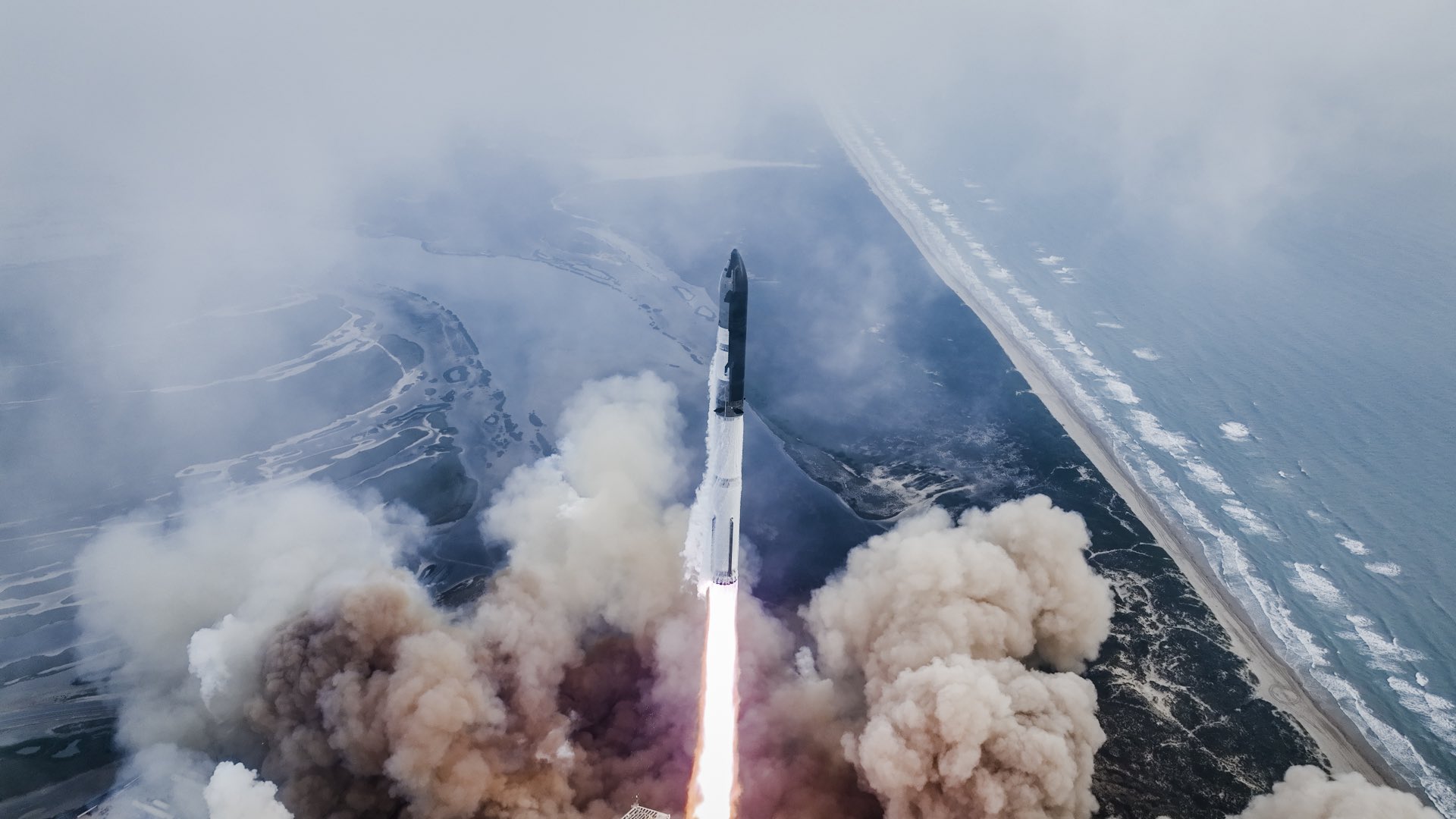
SpaceX successfully launched 21 military satellites, marking a key achievement in national security efforts, while preparations continue for the upcoming NASA mission and insights emerge from the Starship development process.
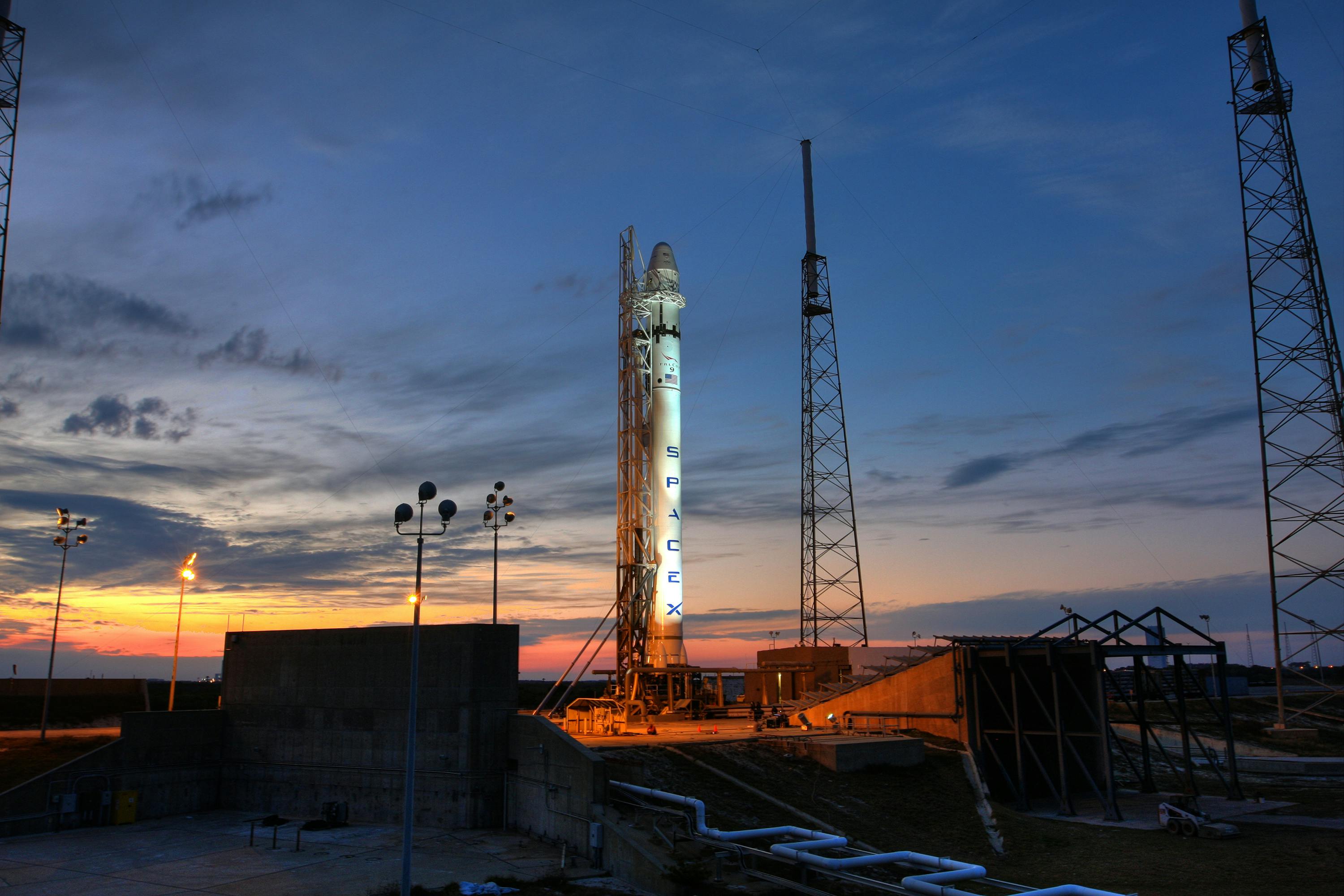
SpaceX shifts launch priorities to Vandenberg as Falcon 9 era winds down, while Anthropic signs orbital data center deal with the company.

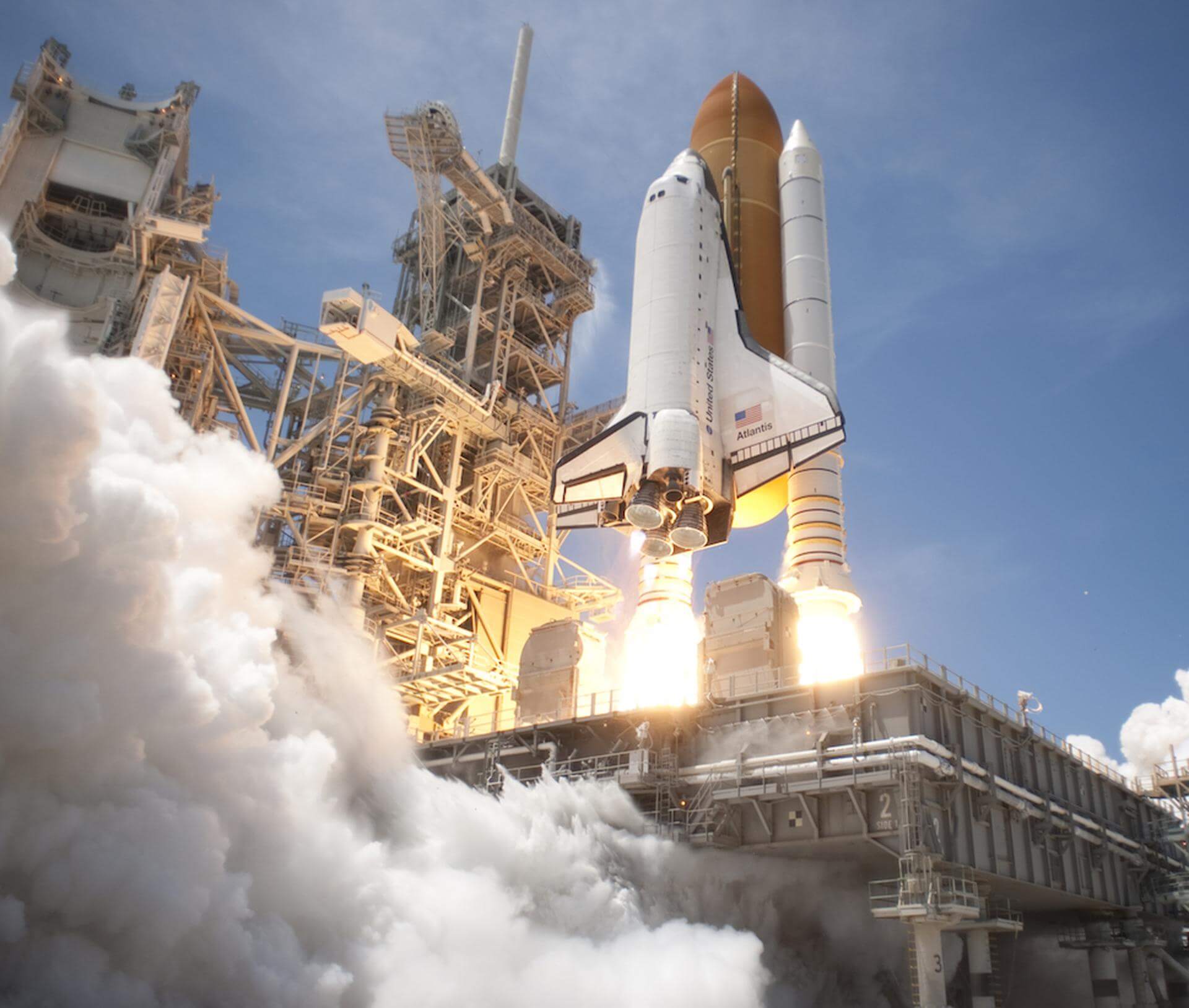
On May 4, 1989, Space Shuttle Atlantis lifted off from LC-39B carrying Magellan, NASA's first interplanetary mission since 1978. The eleven-year drought ended in a payload bay, and the radar that emerged would map ninety-eight percent of Venus through clouds that no camera could ever see through.