

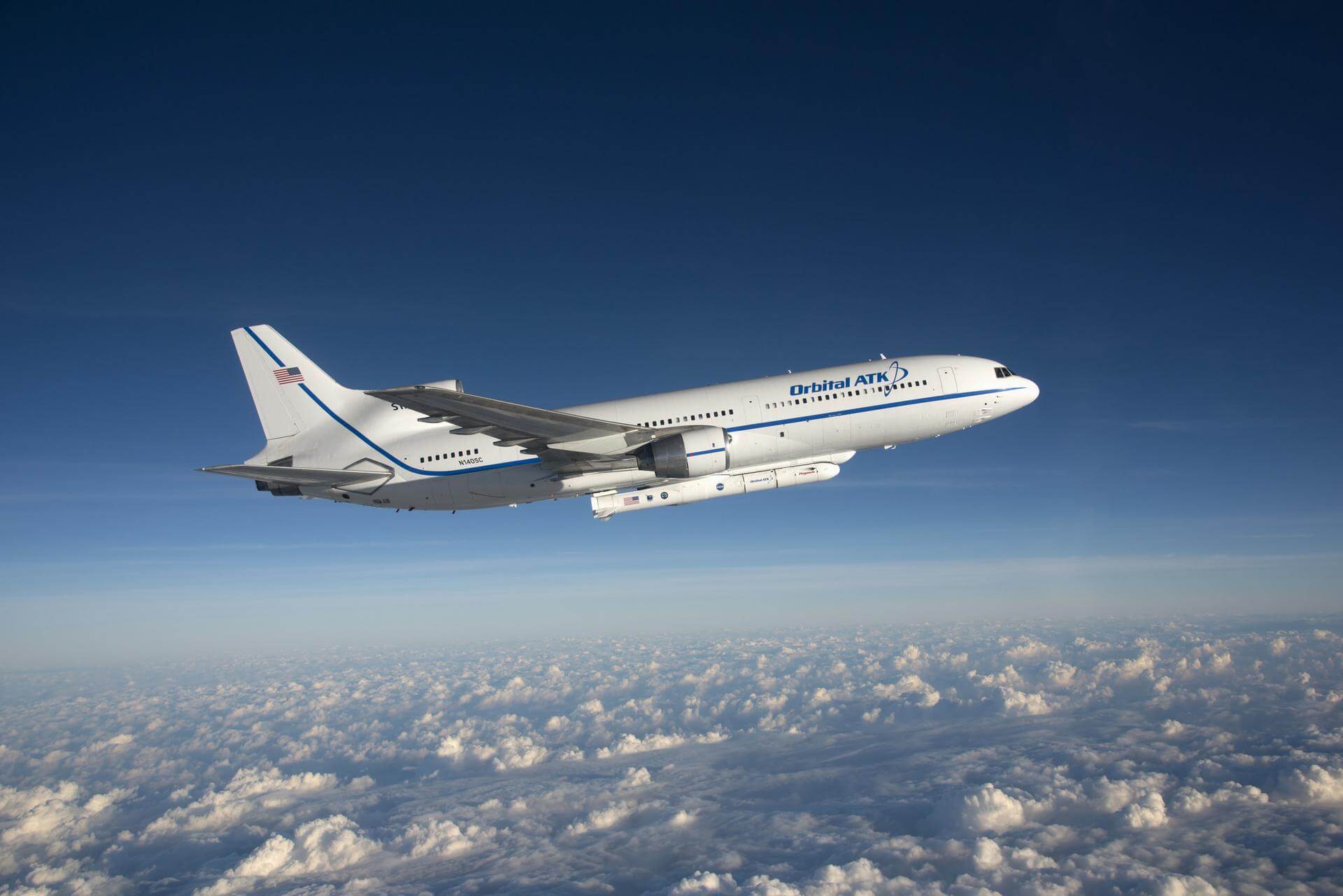
Atlas 5 551 Flies Last Mission for Amazon Kuiper | KeepTrack Space Brief
ULA launched Atlas 5 551 configuration for final time on July 1, deploying Amazon Kuiper broadband satellites. New Glenn pad rebuild underway at LC-36 after May explosion.


Launch Date
November 24, 1970
Launch Site
Launch Pad
LC31
Launch Vehicle
Soyuz 11A511L
NORAD ID
04760
International Designator
1970-099A
Decay Date
9/21/1983
Name
COSMOS 379
Alternative Name
Kosmos-379
Type
Status
Owner
TSKBEM
Country
USSR
Constellation
N/A
Related Satellites
Major Events
N/A
Apologies, there is no summary for this satellite yet. I am working to generate these for every object in the catalog, but it is going to take time.
Length
5.2
Diameter
3
Span
5.2
Dry Mass
1170
Launch Mass
1170
Shape
Sphere
Radar Cross Section
14.44
Visual Magnitude
Unknown
Color
Unknown
Material Composition
Unknown
Payload
LK T2K No. 1
Purpose
Unknown
Mission
Unknown
Manufacturer
TSKBEM
Life Expectancy
Unknown
Bus
T2K
Configuration
Unknown
Motor
Unknown
Equipment
Unknown
Power System
Unknown
ADCS
Unknown
Transmitter Frequency
Unknown
Learn more about satellites and other related topics.
ULA launched Atlas 5 551 configuration for final time on July 1, deploying Amazon Kuiper broadband satellites. New Glenn pad rebuild underway at LC-36 after May explosion.

Today's brief covers Blue Origin's launch delay, SpaceX's upcoming Starlink mission, and highlights the YAOGAN-43 O1C satellite.
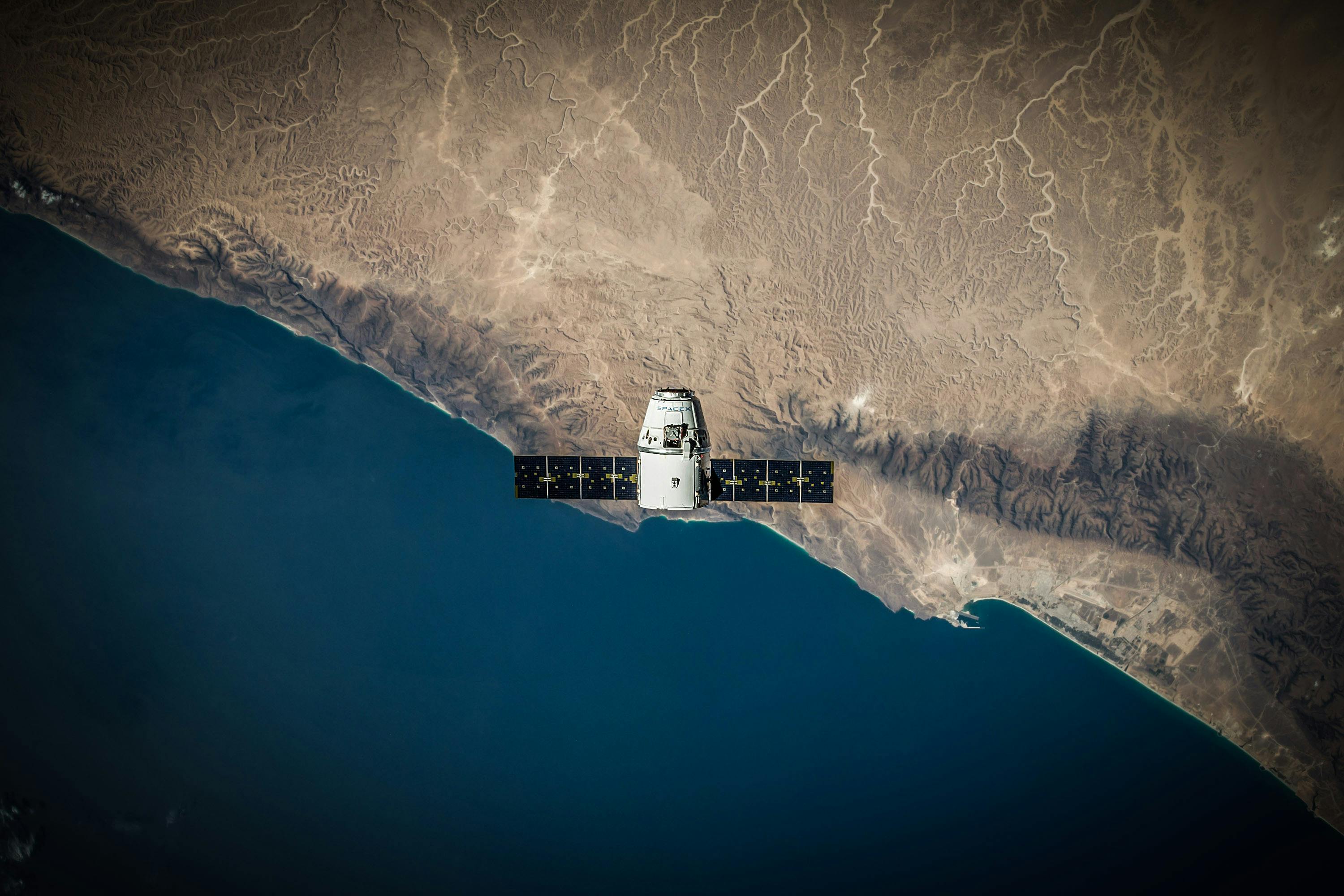
SpaceX ramps up Raptor 3 testing and the launch landscape heats up with Vulcan and Ariane set to lift off before Starlink missions.
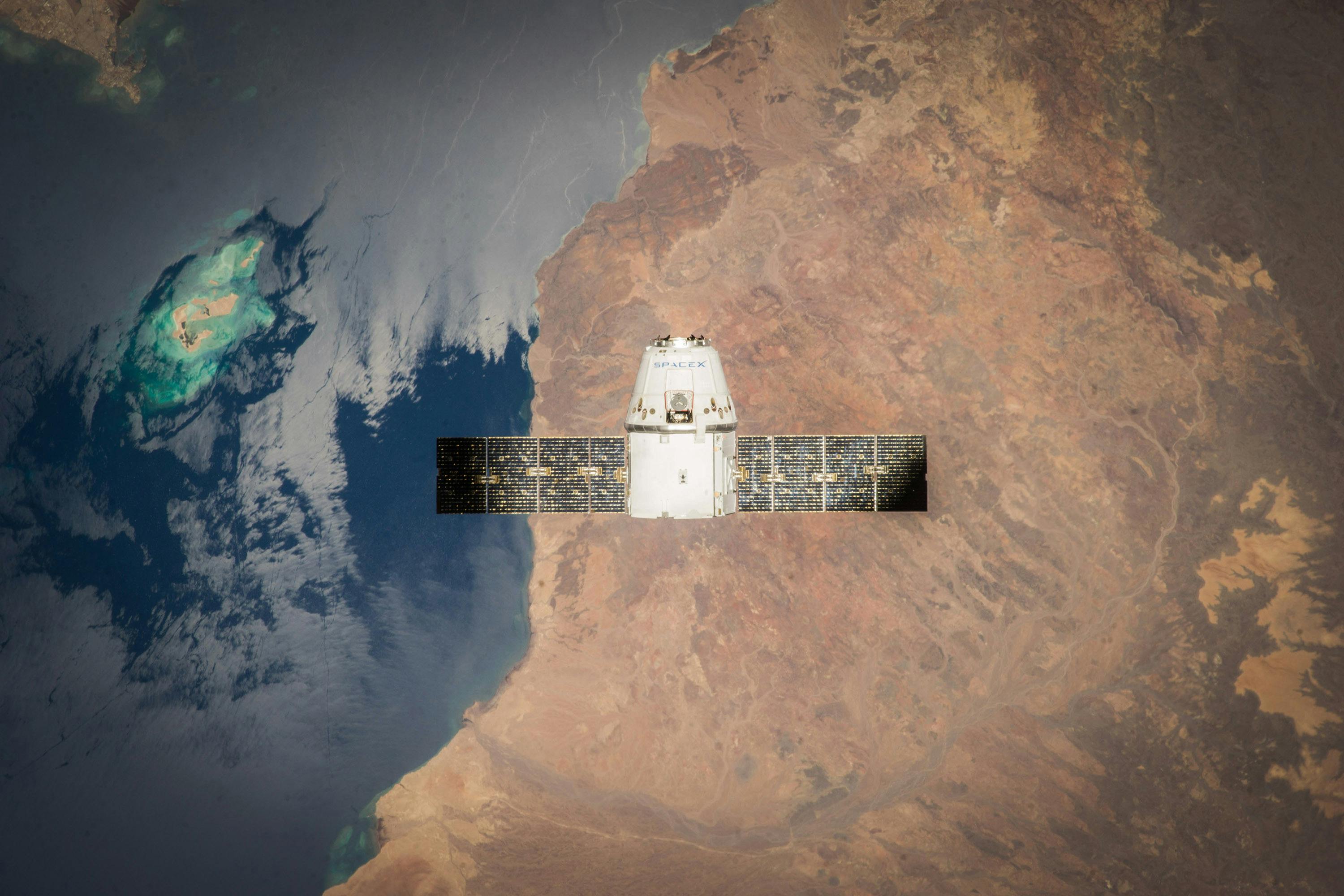
SpaceX gears up for its next Starship flight while recent Falcon 9 missions make headlines with spectacular launches, bringing fresh Starlink satellites into orbit.

SpaceX carried out a double-header Starlink launch from both coasts while milestones from Max Space and Lux Aeterna signal growth in the commercial space sector.
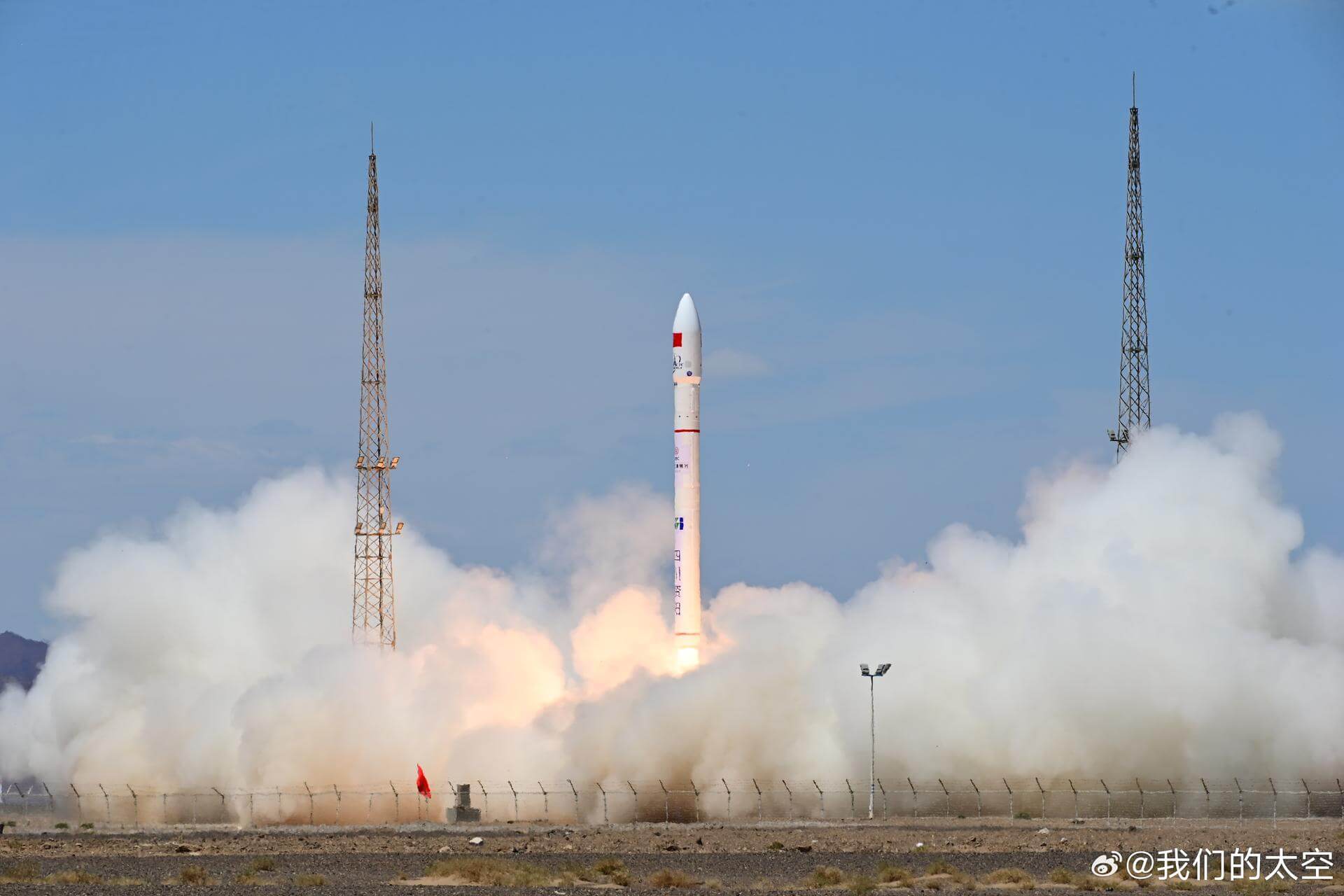
Today's briefing covers Blue Origin's New Glenn nearing its first launch, SpaceX's 400th Falcon 9 mission with Starlink satellites, advancements in space-based weather prediction, and more.
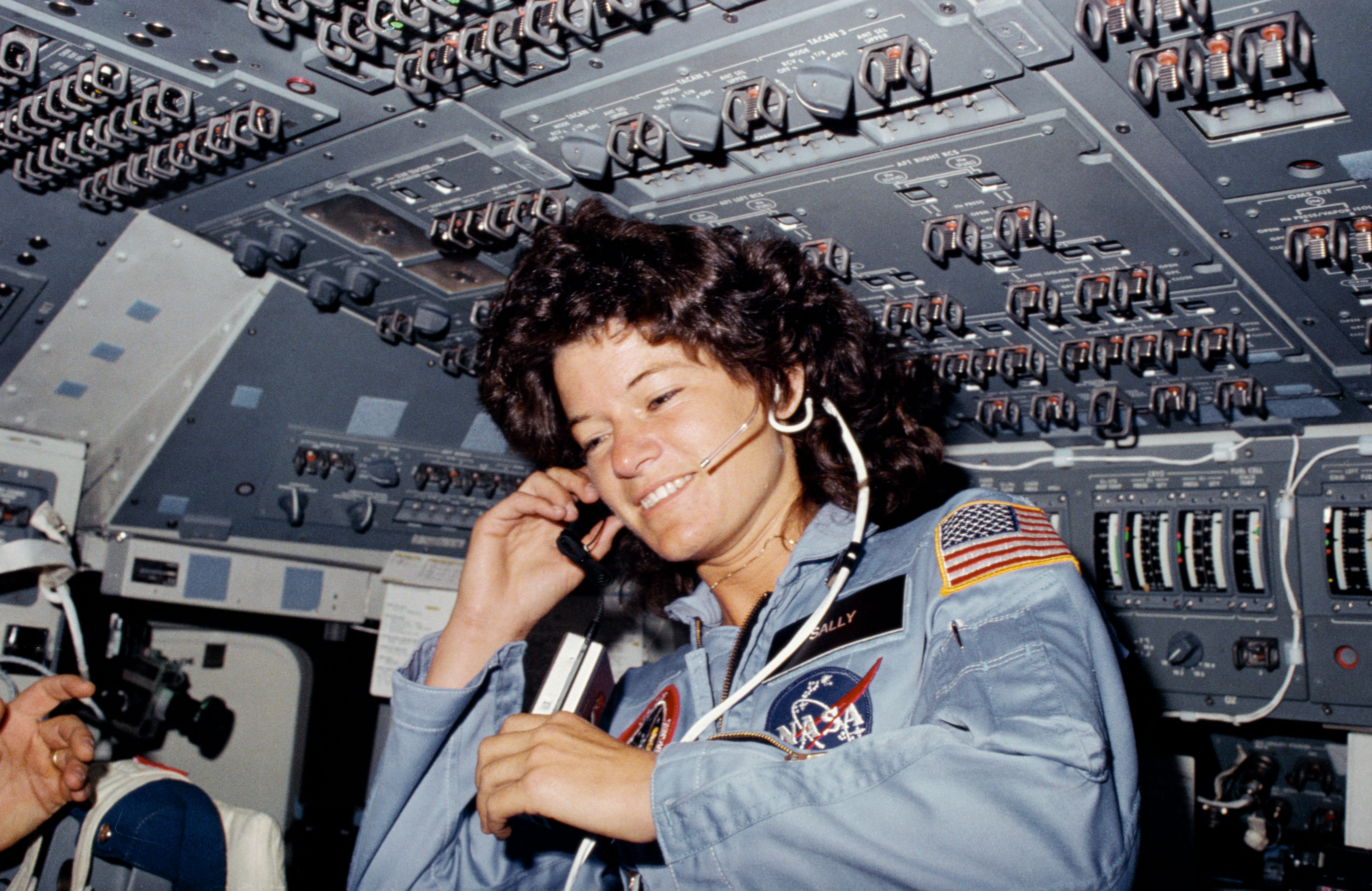
At 7:33 on the morning of 18 June 1983, a 32-year-old astrophysicist named Sally Ride rode Challenger off Pad 39A and became the first American woman in space. She got there two decades after the Soviets, and only after months of being asked whether spaceflight would damage her reproductive organs and whether she planned to cry.
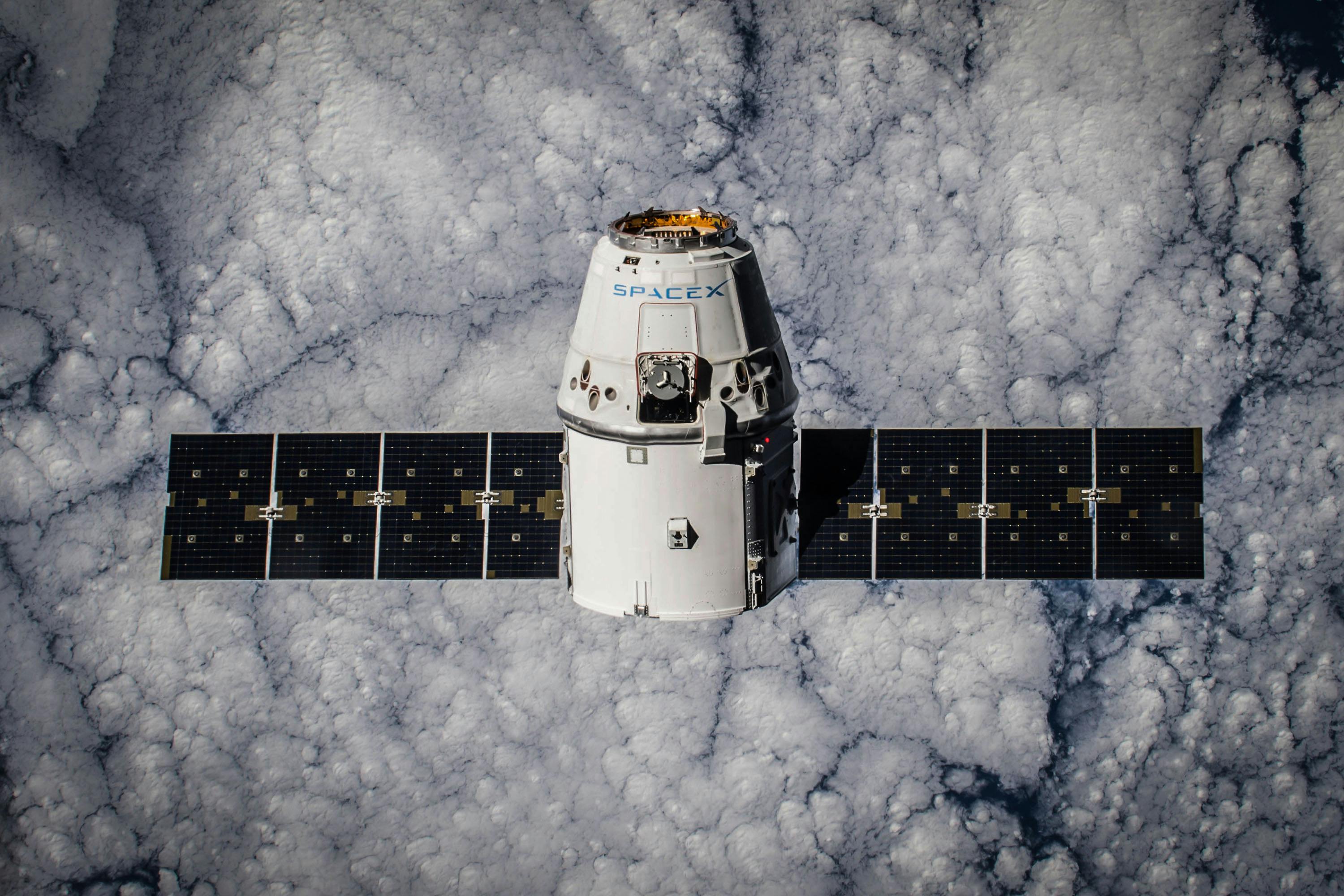
SpaceX is finalizing Pad 2 upgrades at Starbase ahead of Booster 19's return flight, as Starlink's active constellation holds at 10,185 satellites.