


Space Brief 1 Feb 2025
Today's brief covers advances in satellite docking technology, challenges faced by space companies with government navigation, and China's leap in space autonomy through AI developments.



Launch Date
February 4, 2021
Launch Site
Launch Pad
LC40
Launch Vehicle
NORAD ID
47599
International Designator
2021-009BD
Decay Date
8/28/2024
Name
STARLINK-2004
Alternative Name
Starlink 2004
Type
Status
Owner
SPXS
Country
United States
Constellation
N/A
Related Satellites
Major Events
N/A
Length
0.2
Diameter
2.8
Span
9
Dry Mass
248
Launch Mass
260
Shape
Box + pan
Radar Cross Section
Unknown
Visual Magnitude
Unknown
Color
Unknown
Material Composition
Unknown
Payload
Starlink V1.0-L18-52
Purpose
Communication
Mission
Communication
Manufacturer
SPXS
Life Expectancy
Unknown
Bus
Starlink
Configuration
Unknown
Motor
Krypton ion thrusters
Equipment
Ku/Ka-band payload (all), optical inter-satellite links (a few prototypes)
Power System
Solar arrays, batteries
ADCS
Unknown
Transmitter Frequency
Unknown
Learn more about satellites and other related topics.
Today's brief covers advances in satellite docking technology, challenges faced by space companies with government navigation, and China's leap in space autonomy through AI developments.
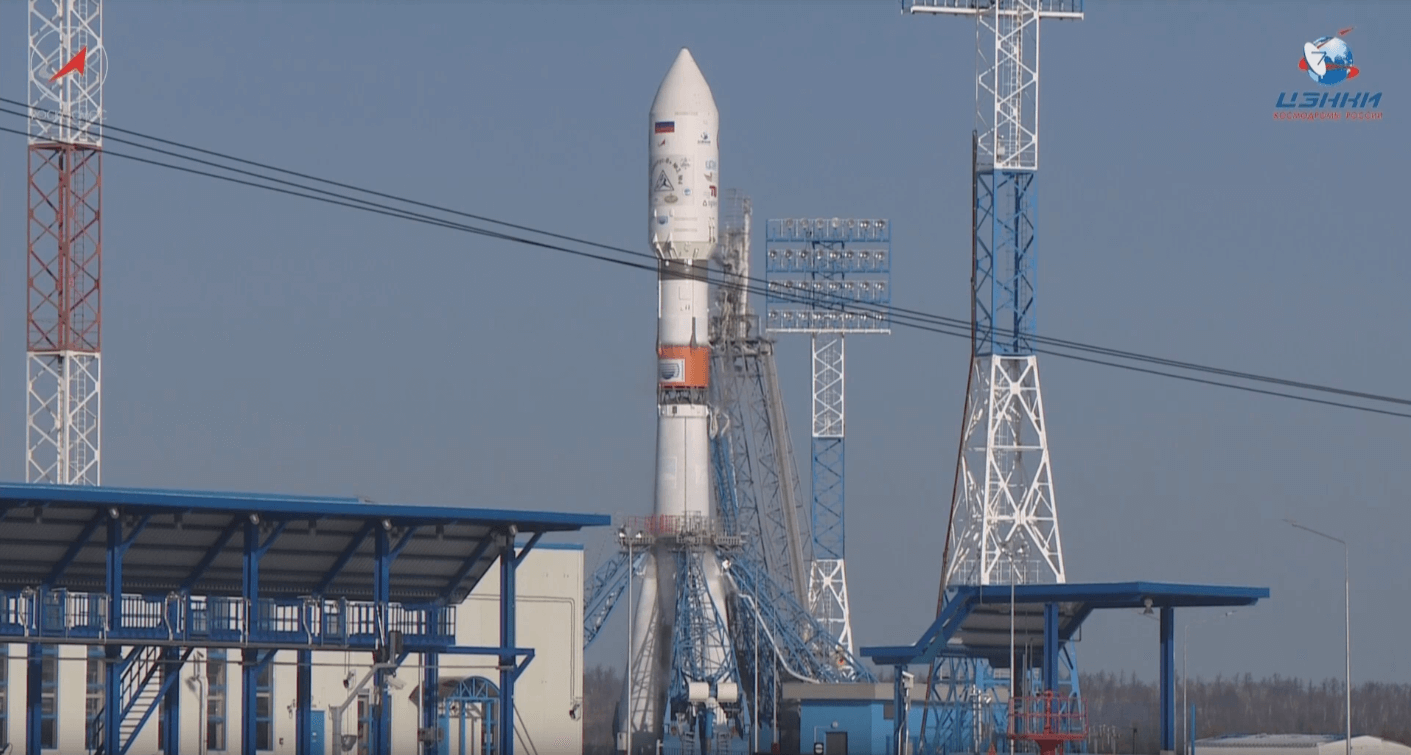
Today's highlights include Canada's and Australia's investment in hypersonic defense, China's successful test of an inflatable space module, and Sweden's support of Ukrainian missile and drone production.

SpaceX successfully launched the Sentinel-6B satellite to monitor global sea levels while resuming daytime rocket launches. Furthermore, delays in the Starship timeline impact NASA's Artemis 3 mission schedule.

Fourteen years ago, Space Shuttle Discovery thundered into orbit one last time, carrying a robot astronaut and capping a remarkable 27-year career that revolutionized space exploration

Today's brief explores a simulated 'dogfight' in space by Chinese satellites, insights into a cloud platform by Oracle and Singapore's defense agency, and more space-related developments.
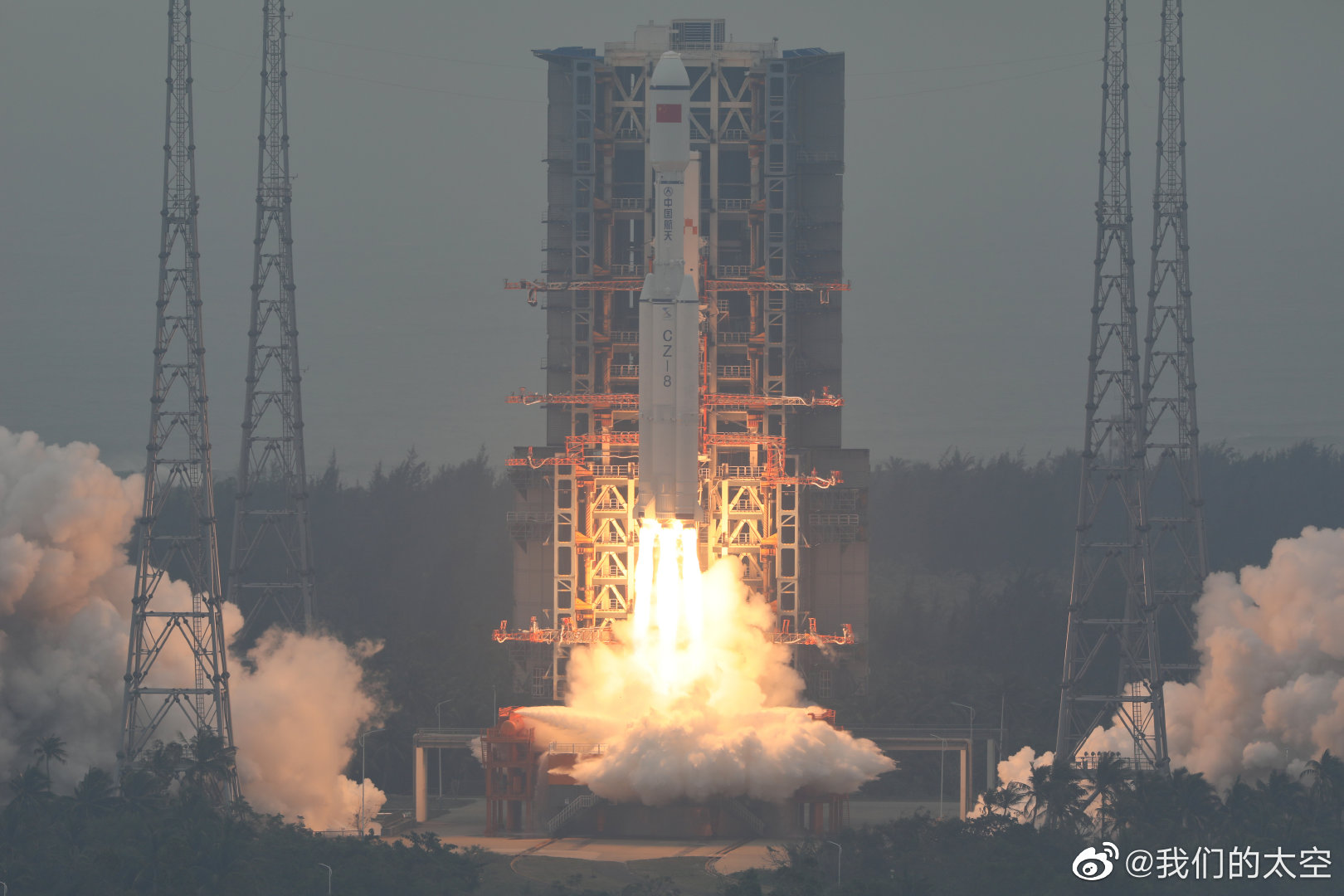
New Glenn rocket exploded hours after U.S. Space Force and NRO awarded Blue Origin a national security launch task order. Stand-down and mishap investigation expected.

On April 22, 2026, the FAA published a final rule implementing per-launch user fees for commercial space transportation — the first time the U.S. government has charged payload-based fees for rocket launches. Starting at 25 cents per pound with a $30,000 cap, the fees are modest today. By 2033, they won't be.
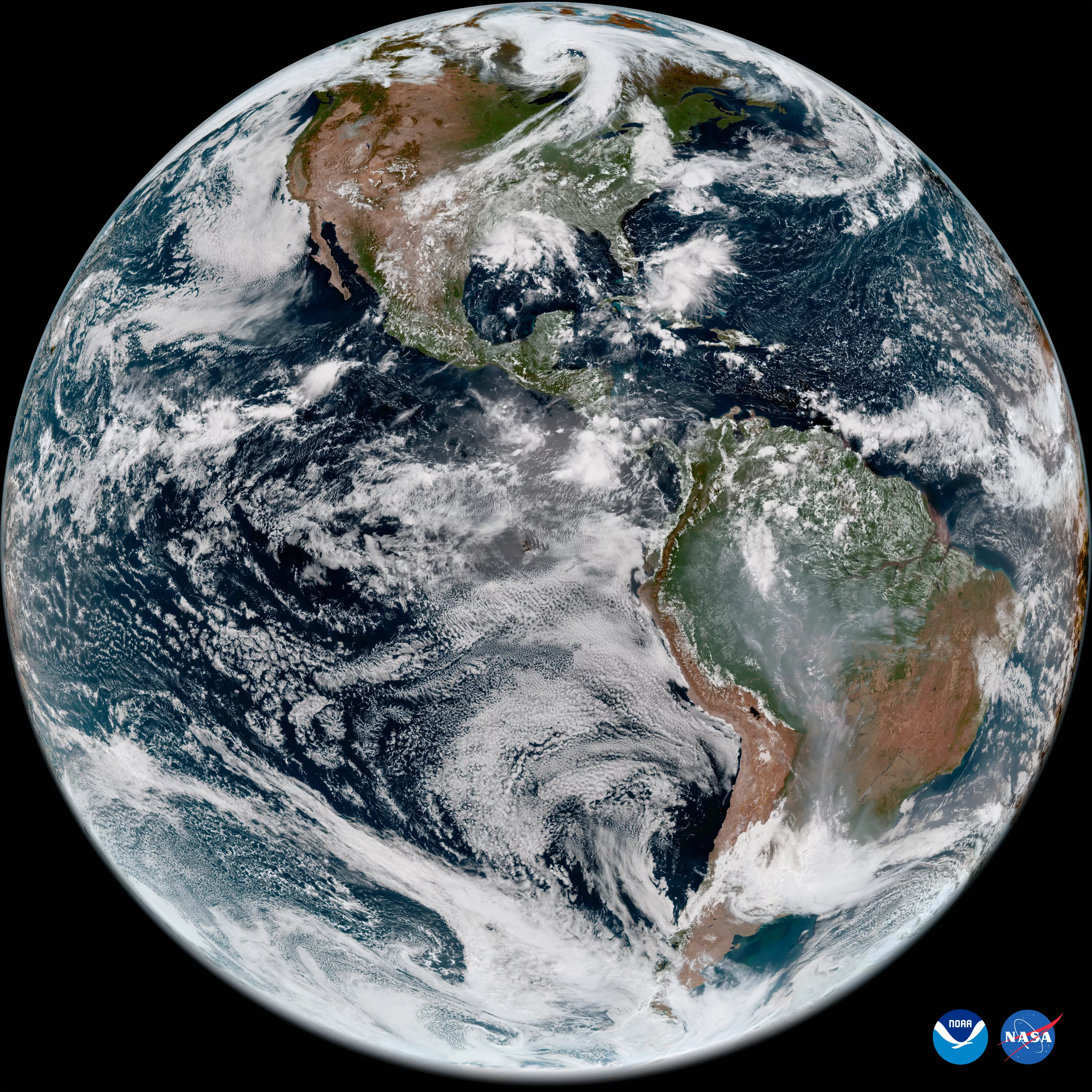
The final satellite in a multi-billion-dollar program that learned its hardest lesson from a clogged pipe. GOES-19 is now NOAA's eyes on every Atlantic hurricane - and it's already found dozens of comets no one was looking for.