STARLINK-1975 (47573)

COSPAR: 2021-009AB | Alt Name: Starlink 1975

Image
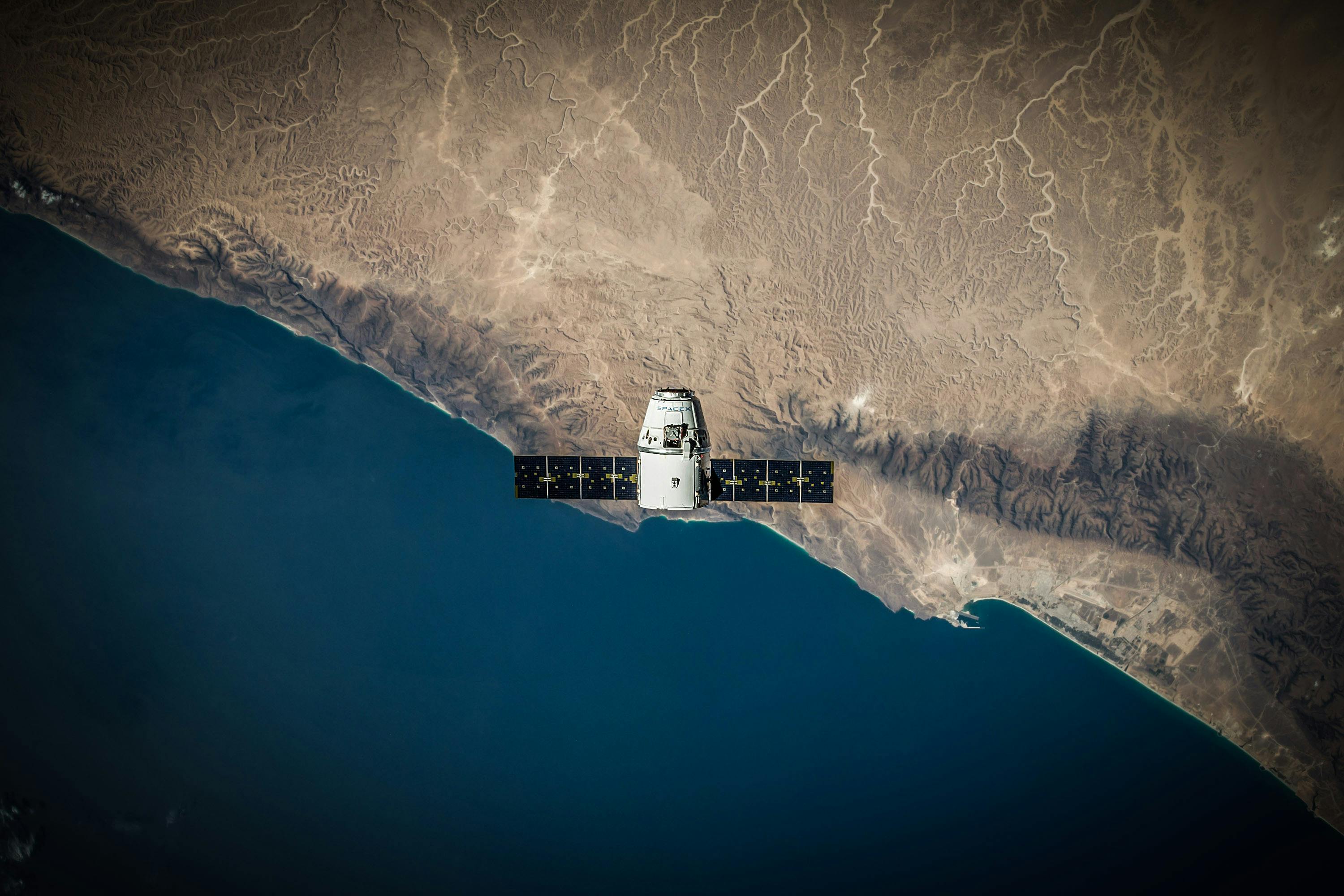
STARLINK-1975 Satellite Image
Additional Sources
Launch Details

Launch Date

February 4, 2021

Launch Pad

LC40

Launch Vehicle

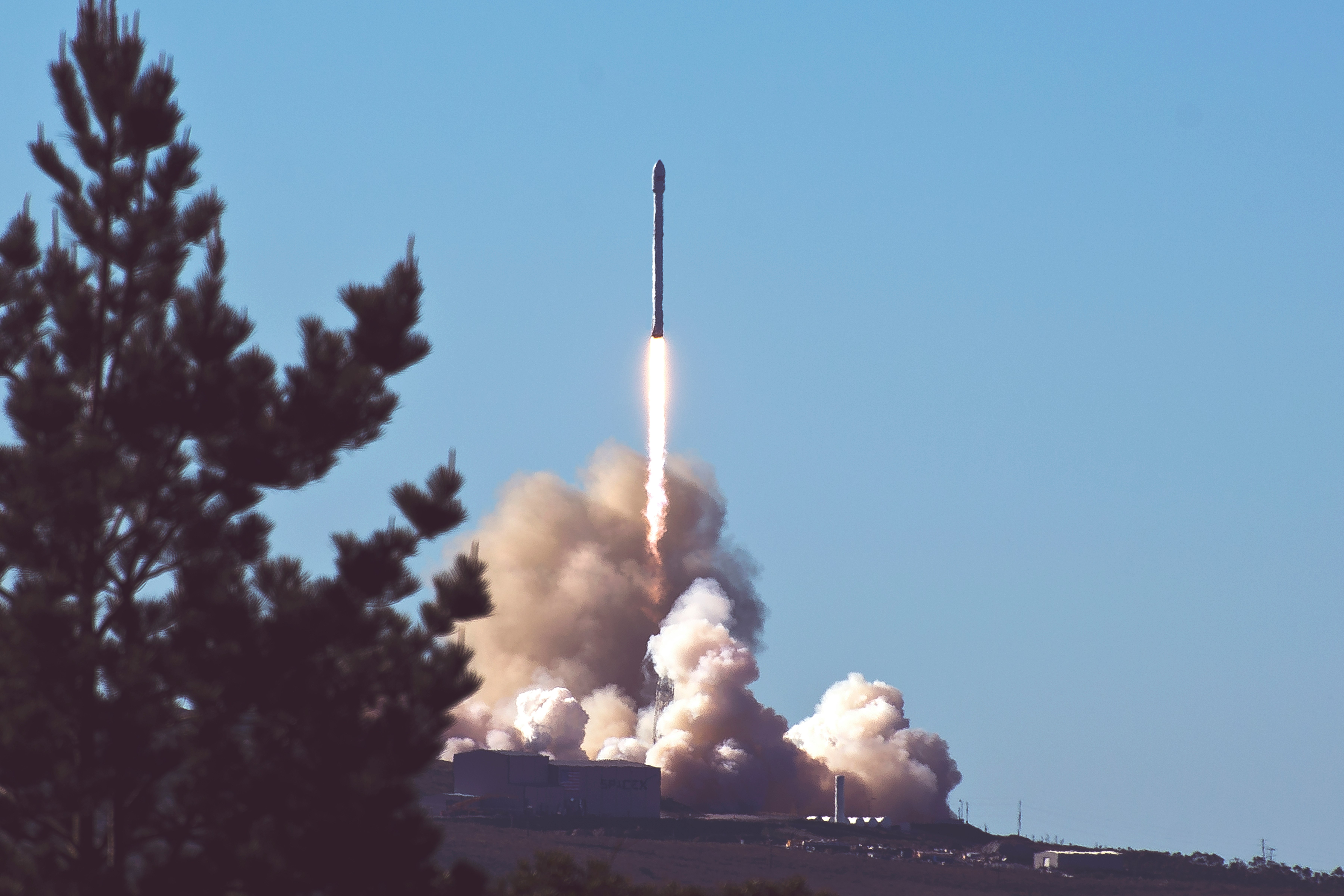
Falcon 9

Orbital Elements

NORAD ID

47573

International Designator

2021-009AB

Epoch

Sun, 03 May 2026 06:04:34 GMT

Apogee

Calculating...

Perigee

Calculating...

Inclination

53.03°

Right Ascension

30.01°

Eccentricity

Calculating...

Argument of Perigee

244.96°

Period

87.84 min

Mean Motion

16.39 rev/day

Latitude

Calculating...

Longitude

Calculating...

Altitude

Calculating...

Velocity

Calculating...

Polar Plot
3D Visualization
Basic Satellite Info

Name

STARLINK-1975

Alternative Name

Starlink 1975

Type

Payload

Status

Partially operational

Owner

SPXS

Country

United States

Constellation

N/A

Related Satellites

Major Events

N/A

Latest TLEs
1 47573U 21009AB  26123.25317280  .08781088  12288-4  67574-3 0  9997
2 47573  53.0301  30.0081 0008217 244.9551 115.0643 16.39434386290514

Source: Celestrak

Summary
The STARLINK-1975 satellite, also known as Starlink 1975, is operated by SpaceX and is part of the Starlink constellation for communication purposes. It was launched on February 4, 2021, from Cape Canaveral Air Force Station's LC40 launch pad using a Falcon 9 rocket. The satellite has dimensions of approximately 0.2 meters in length, 2.8 meters in diameter, and a span of 9 meters. Its dry mass is 248 kilograms, with an overall launch mass of 260 kilograms. It carries a Ku/Ka-band payload and optical inter-satellite links, powered by solar arrays and batteries. The propulsion system uses Krypton ion thrusters for maneuvering.

Starlink is a satellite constellation developed by SpaceX with the aim of providing global broadband internet coverage. Thousands of small satellites are deployed in low Earth orbit (LEO), enabling high-speed internet access even in remote areas. However, the rapid increase in satellites raises concerns about space debris and the potential for collisions, which can lead to further debris creation and endanger other spacecraft. Additionally, the sheer number of Starlink satellites can affect astronomical observations by increasing light pollution. Proper deorbiting plans and international coordination are essential to mitigate these challenges and ensure long-term sustainability in space.
Physical Characteristics

Length

0.2

Diameter

2.8

Span

9

Dry Mass

248

Launch Mass

260

Shape

Box + pan

Radar Cross Section

Unknown

Visual Magnitude

Unknown

Color

Unknown

Material Composition

Unknown

Technical Details

Payload

Starlink V1.0-L18-26

Purpose

Communication

Mission

Communication

Manufacturer

SPXS

Life Expectancy

Unknown

Bus

Starlink

Configuration

Unknown

Motor

Krypton ion thrusters

Equipment

Ku/Ka-band payload (all), optical inter-satellite links (a few prototypes)

Power System

Solar arrays, batteries

ADCS

Unknown

Transmitter Frequency

Unknown

Map
This tool will help you track the satellite's position and predict its upcoming passes over your location. Simply input the coordinates or click the geolocation button to get started.
Next Pass
Azimuth Elevation Time (Local)
Start Azimuth
Max Elevation
Stop Azimuth
Time Until
Pass Duration

Satellite Articles

View All Posts »

Learn more about satellites and other related topics.

Space Brief 23 Aug 2024

Space Brief 23 Aug 2024

Sentinel-2C sealed in Vega rocket fairing, ULA sale tidbit, Polaris Dawn mission updates, Norway's Andøya Spaceport ready for action, Harris commits to space leadership, NASA's latest smallsat launch partners, new members join NASA composite initiative, Mynaric's manufacturing hiccups, Rocket Factory Augsburg's turbopump snag, and Amazon boosts satellite deployment infrastructure.

Space Brief 28 Jul 2025

Space Brief 28 Jul 2025

Today's highlights include SpaceX's rapid Starlink launches, insights into China's Mars sample return mission, and ULA's future launch plans. Also, a new Space Force general takes the reins of the U.S. missile defense program.

B1067 Flies Record 36th Mission on Starlink 10-42 | KeepTrack X Report

B1067 Flies Record 36th Mission on Starlink 10-42 | KeepTrack X Report

Booster B1067 sets a new Falcon 9 reuse record on its 36th flight, lifting Starlink 10-42 from Cape Canaveral at 5:25 a.m. EDT.

X Report 28 Dec 2024

X Report 28 Dec 2024

SpaceX wraps up a stellar year with Starship achievements and prepares for a lunar triple-shot in 2025.

Space Brief 9 Dec 2024

Space Brief 9 Dec 2024

Highlights include China's rising threats in space, a new Starlink launch, NASA's optimistic future, and a cosmic conjunction featuring the Moon and Saturn.

X Report 6 Aug 2025

X Report 6 Aug 2025

SpaceX has adapted Pad 1 for Ship Static Fire tests while addressing the recent downtime at Massey’s, showcasing its commitment to maintaining launch schedules despite setbacks.

Falcon 9 Shatters Reuse Record With 33rd Flight on Double Launch Day | KeepTrack X Report

Falcon 9 Shatters Reuse Record With 33rd Flight on Double Launch Day | KeepTrack X Report

SpaceX launches two Falcon 9 rockets in one day carrying Starlink satellites from both coasts. Most-flown booster achieves record 33rd flight. 28 V2 Mini Optimized sats deployed.

Pentagon Gives Anthropic Friday Deadline on AI Policy, Vulcan Still Grounded | KeepTrack Space Brief

Pentagon Gives Anthropic Friday Deadline on AI Policy, Vulcan Still Grounded | KeepTrack Space Brief

Pentagon gives Anthropic Friday deadline to loosen military AI policy. Space Force keeps Vulcan grounded over booster issue. Funding boost speeds missile-tracking satellites.