

X Report 2 Jan 2025
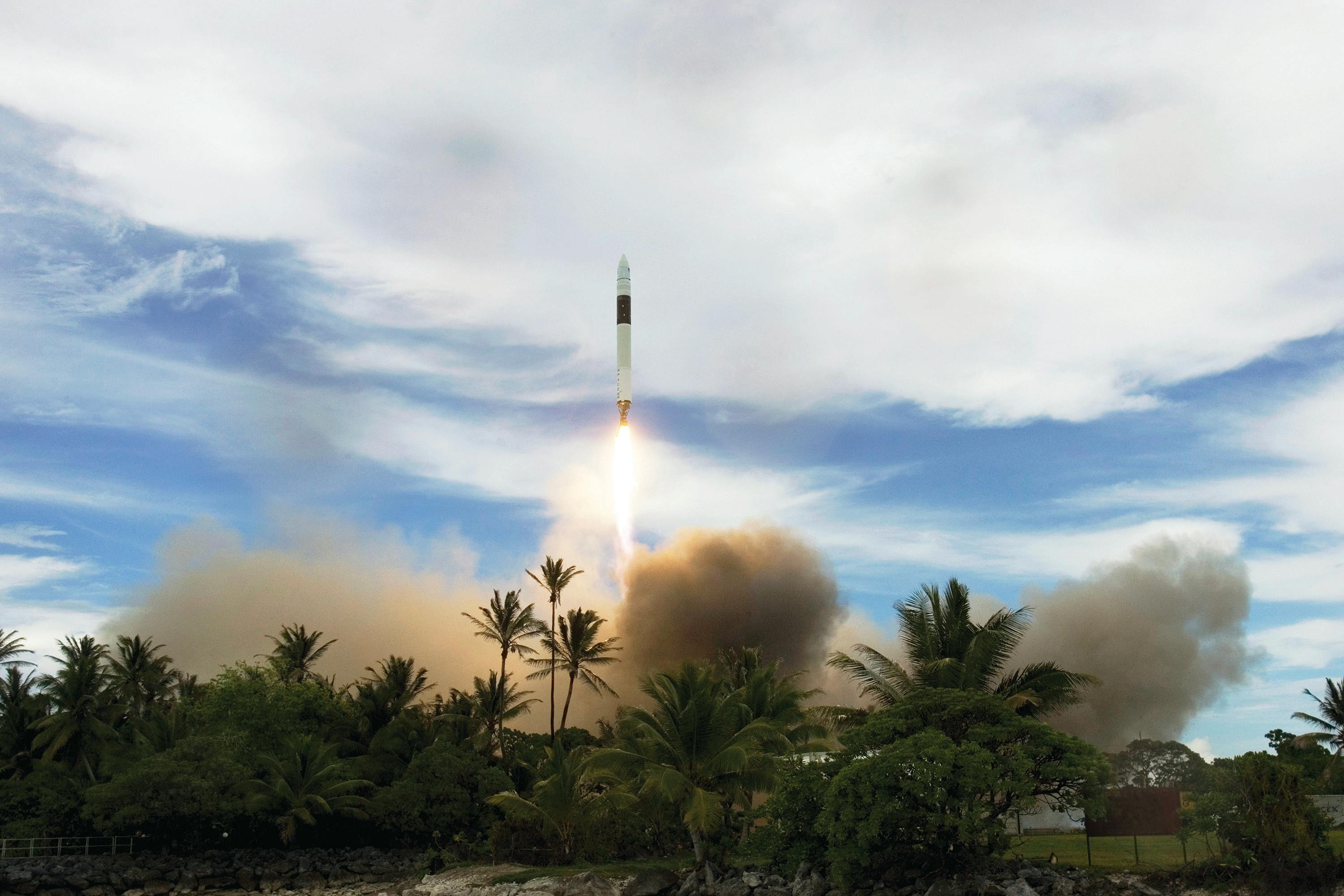
SpaceX's 2024 launch surge sets global records, with Florida making history in the U.S. Find out how these achievements are shaping the commercial space race.


Launch Date
January 24, 2021
Launch Site
Launch Pad
LC40
Launch Vehicle
NORAD ID
47447
International Designator
2021-006AL
Decay Date
3/18/2023
Name
SPACEBEE-48
Alternative Name
SpaceBEE-48
Type
Status
Owner
SWARM
Country
United States
Constellation
N/A
Related Satellites
Major Events
N/A
Length
0.025
Diameter
0.1
Span
0.9
Dry Mass
0.284
Launch Mass
0.284
Shape
Box+2 ant
Radar Cross Section
Unknown
Visual Magnitude
Unknown
Color
Unknown
Material Composition
Unknown
Payload
SpaceBEE 48
Purpose
Communication M2M/IoT
Mission
Communication M2M/IoT
Manufacturer
SWARM
Life Expectancy
Unknown
Bus
Cubesat 0.25U
Configuration
CubeSat (0.25U)
Motor
None
Equipment
Unknown
Power System
Solar cells, batteries
ADCS
Unknown
Transmitter Frequency
Unknown
Learn more about satellites and other related topics.
SpaceX's 2024 launch surge sets global records, with Florida making history in the U.S. Find out how these achievements are shaping the commercial space race.

SpaceX's Falcon 9 achieves a milestone with its 24th launch for Starlink, while competitive moves continue in the satellite internet market.
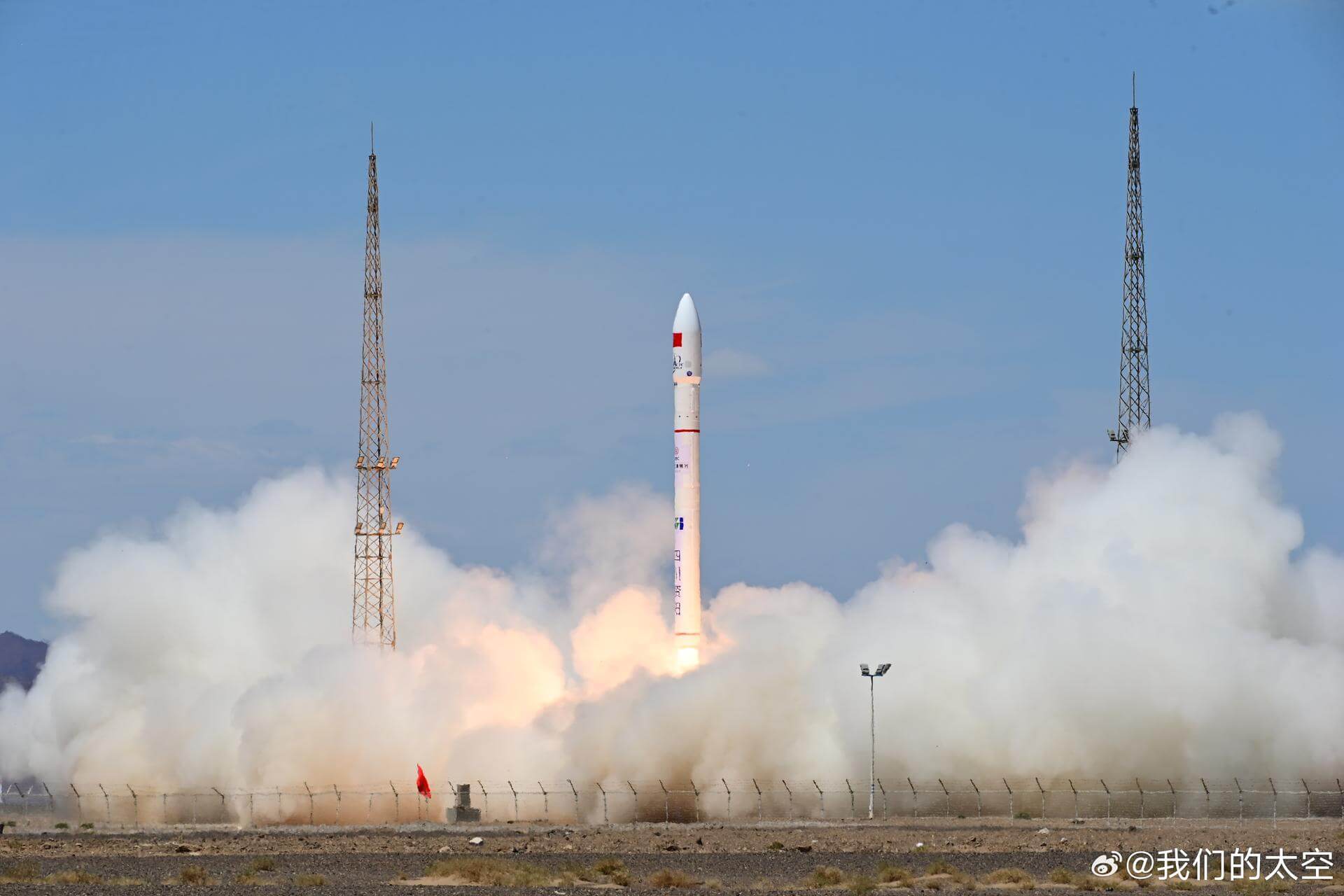
Today's Space Brief covers imminent launches, new developments in space technology, and strategic military contributions to satellite defense systems.

SpaceX launches multiple Starlink batches, FAA updates for Starship, and NASA plans lunar cargo deliveries involving SpaceX and Blue Origin.
SpaceX's busy launch schedule faces scrubs, while industry leaders call for infrastructure upgrades, highlighting challenges in the bustling space sector.
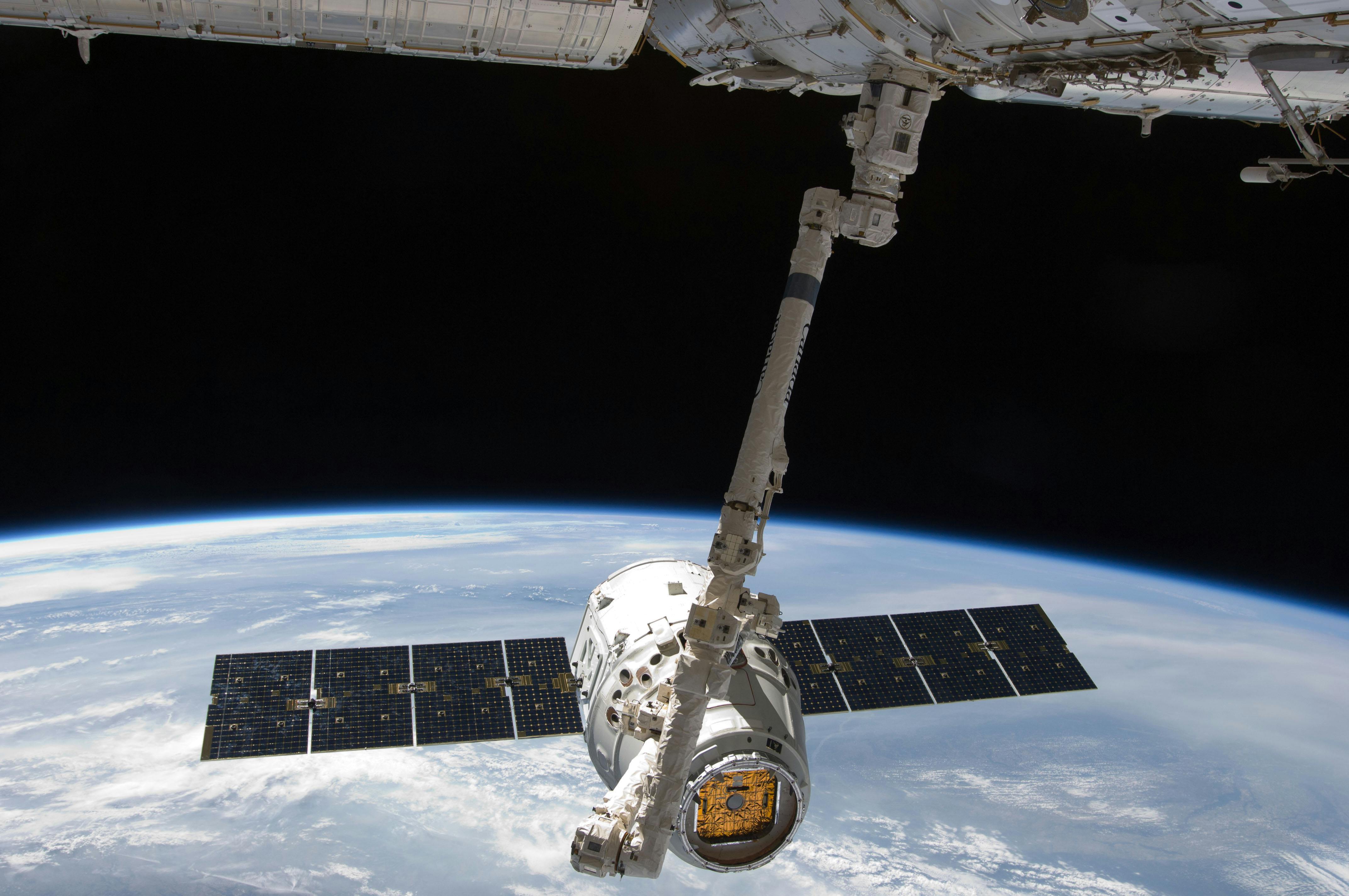
SpaceX achieves significant milestones with multiple satellite launches and ongoing challenges in rural broadband funding. Noteworthy advances in Starlink capabilities enhance international connectivity.

Today's briefing covers the latest developments in satellite intelligence funding, new mandates affecting space launch and missile defense, and the early conclusion of a private astronaut mission. We also discuss Firefly Aerospace's plans to go public and stunning imagery from NASA's Parker Solar Probe.
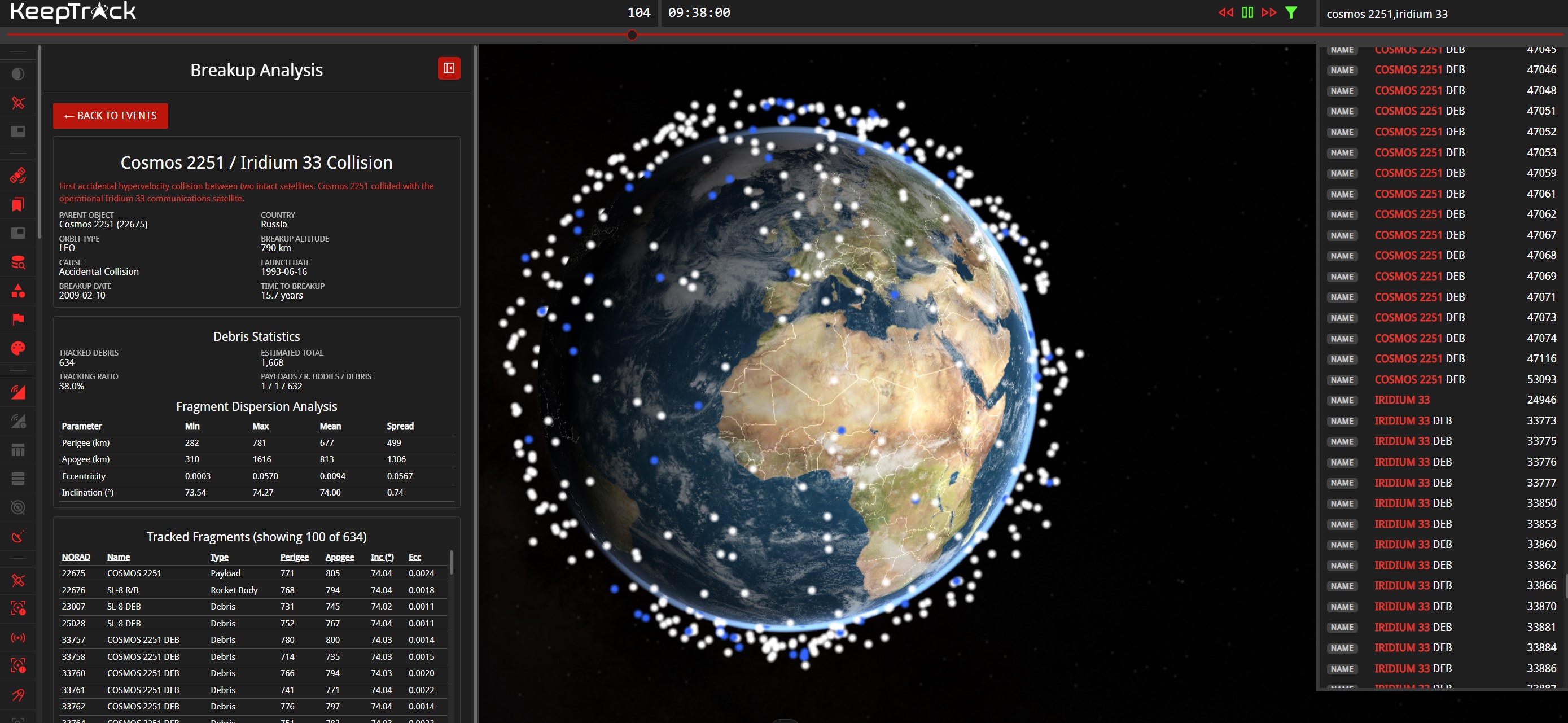
On February 10, 2009, an active Iridium communications satellite and a derelict Soviet military spacecraft slammed into each other 789 kilometers above Siberia. The collision produced more than 2,300 pieces of trackable debris that are still up there. Seventeen years later, the Iridium-Cosmos collision remains the event that made space debris a policy problem the world could no longer ignore.