

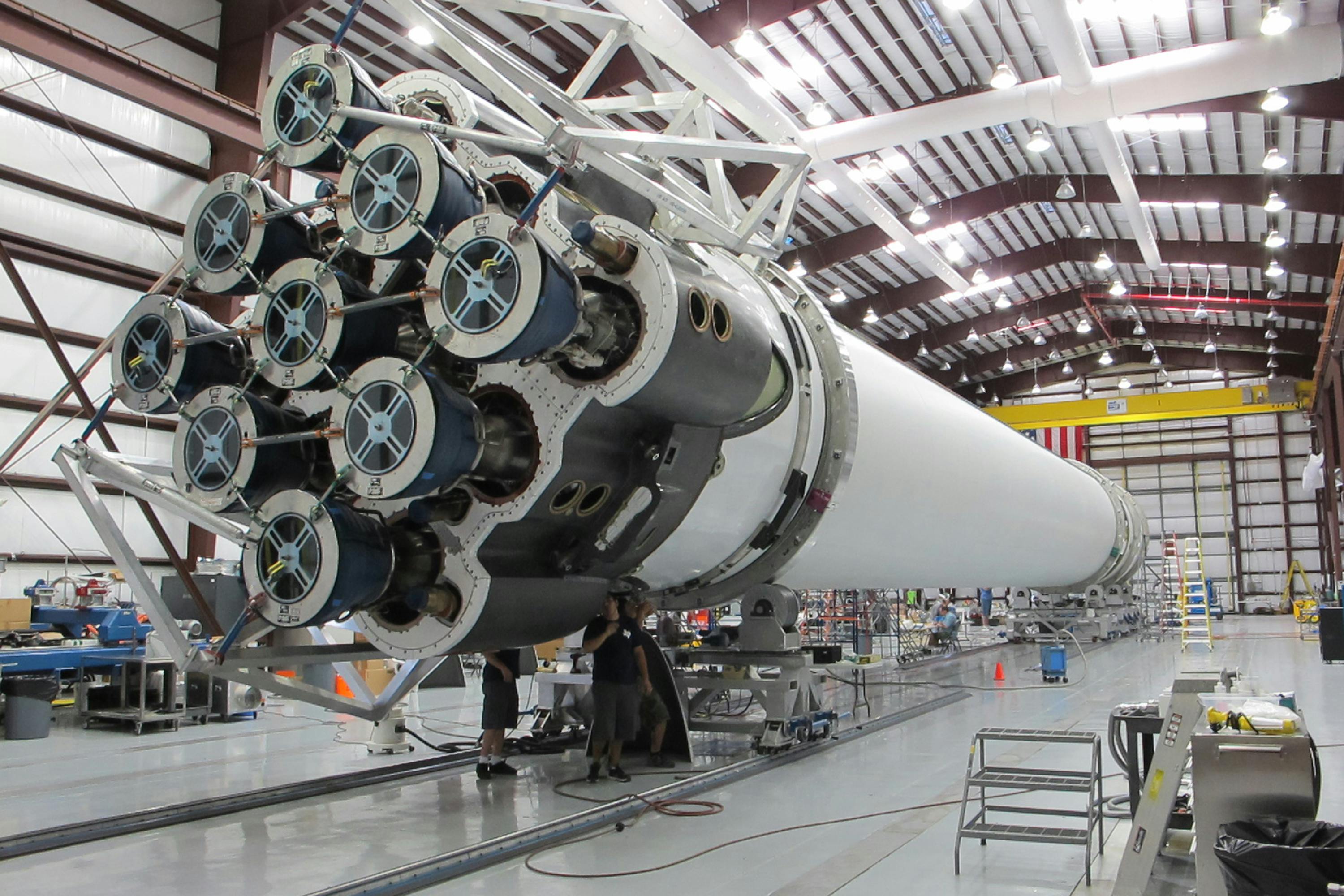
All 33 Raptor V3 Engines Ignite in Super Heavy Static Fire | KeepTrack X Report
SpaceX ignited all 33 next-gen Raptor V3 engines on the Super Heavy booster at Starbase, Texas, marking a critical milestone toward the next Starship flight.



Launch Date
January 24, 2021
Launch Site
Launch Pad
LC40
Launch Vehicle
NORAD ID
47418
International Designator
2021-006F
Decay Date
12/26/2021
Name
STARLINK-2204
Alternative Name
Starlink 2204
Type
Status
Owner
SPXS
Country
United States
Constellation
N/A
Related Satellites
Major Events
N/A
Length
0.2
Diameter
2.8
Span
9
Dry Mass
248
Launch Mass
260
Shape
Box + pan
Radar Cross Section
Unknown
Visual Magnitude
Unknown
Color
Unknown
Material Composition
Unknown
Payload
Starlink TSP1-06
Purpose
Communication
Mission
Communication
Manufacturer
SPXS
Life Expectancy
Unknown
Bus
Starlink
Configuration
Unknown
Motor
Krypton ion thrusters
Equipment
Ku/Ka-band payload (all), optical inter-satellite links (a few prototypes)
Power System
Solar arrays, batteries
ADCS
Unknown
Transmitter Frequency
Unknown
Learn more about satellites and other related topics.
SpaceX ignited all 33 next-gen Raptor V3 engines on the Super Heavy booster at Starbase, Texas, marking a critical milestone toward the next Starship flight.
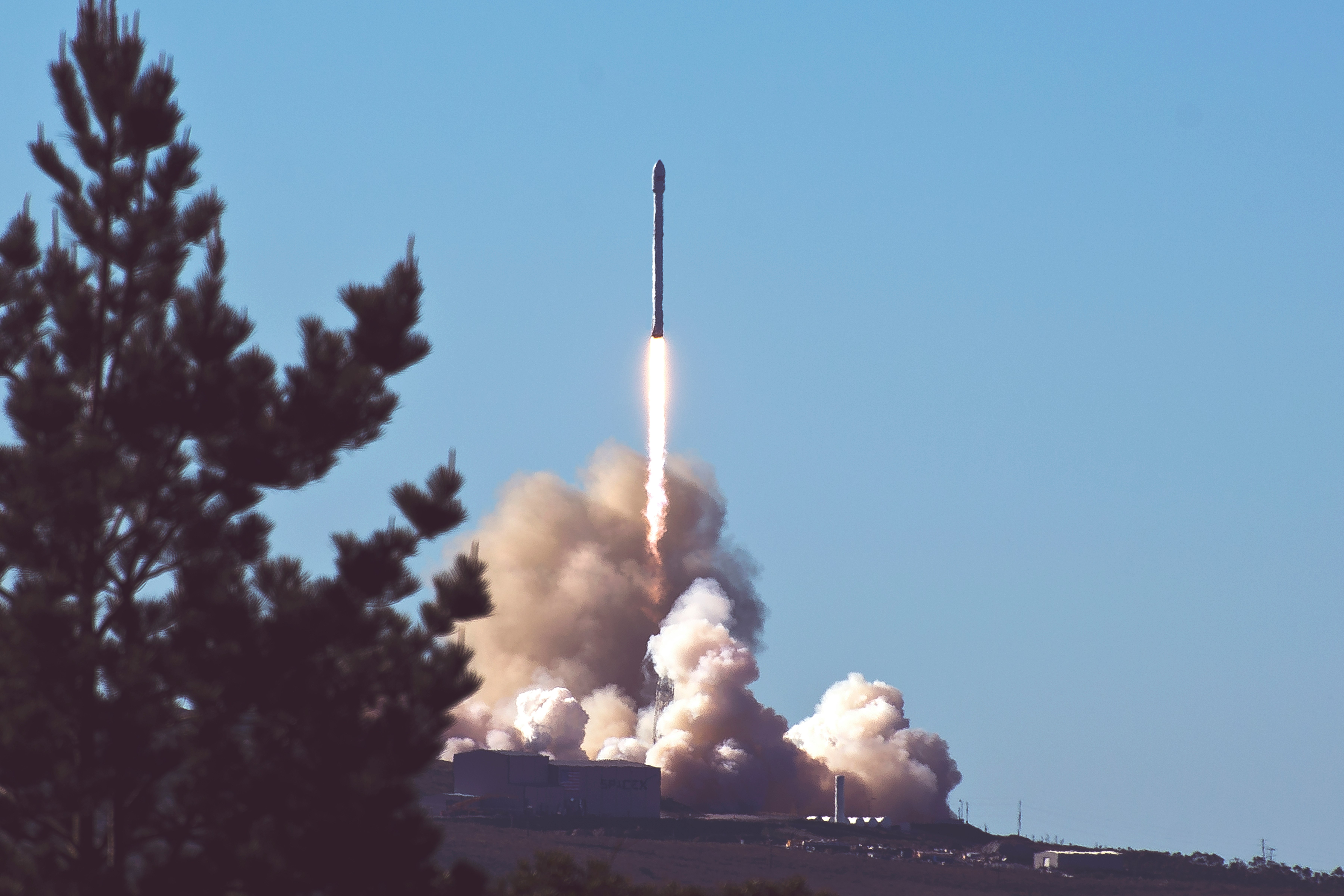
SpaceX successfully launched the Ax-4 private astronaut mission to the ISS while continuing its satellite deployment with 27 new Starlink satellites, amidst ongoing recovery efforts from the loss of Ship 36.

Falcon Heavy flew for the first time in eighteen months on April 29, 2026, expending its center core to push Viasat's final ViaSat-3 satellite toward geostationary orbit. The mission is a flagship rocket doing what only it can still do, for an operator betting six tons of high-throughput hardware on a market Starlink is rapidly redefining.

Today's Space Brief covers the reentry of Firefly's Blue Ghost moon lander, a compelling study on space debris exacerbated by climate change, and new advancements from the Vera Rubin Observatory.
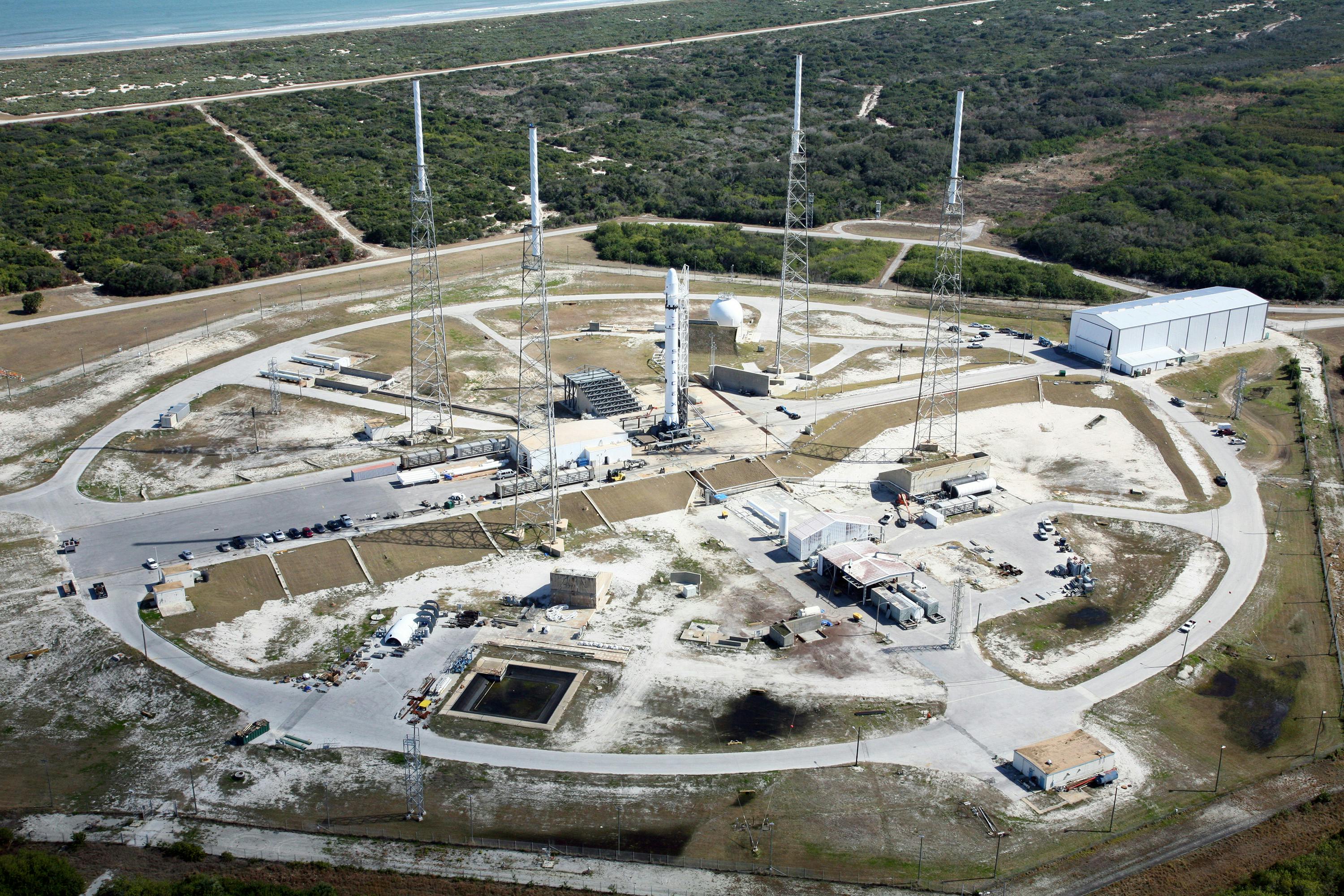
SpaceX makes strides with Starship testing while Starlink faces mounting competition as Viasat eyes Telesat's LEO capacity.

Scientists use earthquake sensors to track space debris reentry via sonic boom detection. SpaceX launches 25 Starlink satellites in seventh mission of 2026. NASA and DOE partner for lunar nuclear power.

SpaceX continues to ramp up its operations with the launch of 29 more Starlink satellites, while significant upgrades at its Starbase facility signify ambitious future plans.
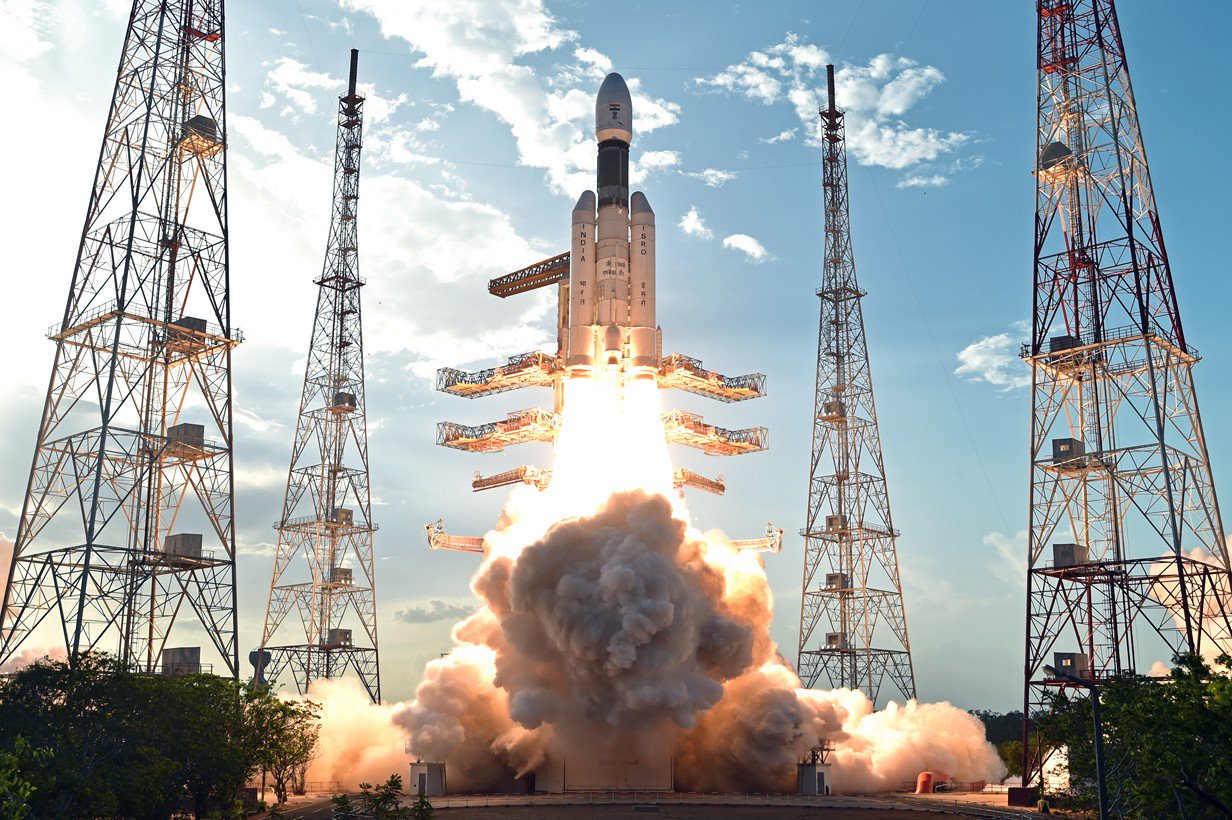
Today's brief covers significant growth forecasts for global defense satellite communications, the integration of hypersonic missiles, cyber authority expansion in the Army, and more pivotal military developments.