STARLINK-2119 (47397)

COSPAR: 2021-005BA | Alt Name: Starlink 2119

Image
STARLINK-2119 Satellite Image
Additional Sources
Launch Details

Launch Date

January 20, 2021

Launch Pad

LC39A

Launch Vehicle

Falcon 9

Orbital Elements

NORAD ID

47397

International Designator

2021-005BA

Epoch

Sat, 04 Jul 2026 03:42:38 GMT

Apogee

Calculating...

Perigee

Calculating...

Inclination

53.16°

Right Ascension

240.10°

Eccentricity

Calculating...

Argument of Perigee

10.36°

Period

93.75 min

Mean Motion

15.36 rev/day

Latitude

Calculating...

Longitude

Calculating...

Altitude

Calculating...

Velocity

Calculating...

Polar Plot
3D Visualization
Basic Satellite Info

Name

STARLINK-2119

Alternative Name

Starlink 2119

Type

Payload

Status

Operational

Owner

SPXS

Country

United States

Constellation

N/A

Related Satellites

Major Events

N/A

Latest TLEs
1 47397U 21005BA  26185.15460891  .00058460  00000-0  16408-2 0  9998
2 47397  53.1570 240.1018 0005048  10.3578 349.7529 15.36013980300884

Source: Celestrak

Summary
The Starlink satellite named STARLINK-2119 (OBJECT_ID: 2021-005BA) was launched on January 20, 2021, from LC39A at the AFETR launch site using a Falcon 9 launch vehicle. It has dimensions of 0.2 meters in length, 2.8 meters in diameter, and a span of 9 meters. The satellite weighs 248 kilograms dry and 260 kilograms at launch. Equipped with Ku/Ka-band payload capabilities (all) and optical inter-satellite links on a few prototypes, it uses Krypton ion thrusters for propulsion and solar arrays along with batteries for power. Its mission is communication and was manufactured by SPXS, owned by the same entity, and named Starlink V1.0-L16-49 as its payload. The satellite's shape is described as box + pan but lacks specific details on its color, RCS (Radar Cross Section), or major events during its operational period.

Starlink is a satellite constellation developed by SpaceX with the aim of providing global broadband internet coverage. Thousands of small satellites are deployed in low Earth orbit (LEO), enabling high-speed internet access even in remote areas. However, the rapid increase in satellites raises concerns about space debris and the potential for collisions, which can lead to further debris creation and endanger other spacecraft. Additionally, the sheer number of Starlink satellites can affect astronomical observations by increasing light pollution. Proper deorbiting plans and international coordination are essential to mitigate these challenges and ensure long-term sustainability in space.
Physical Characteristics

Length

0.2

Diameter

2.8

Span

9

Dry Mass

248

Launch Mass

260

Shape

Box + pan

Radar Cross Section

Unknown

Visual Magnitude

Unknown

Color

Unknown

Material Composition

Unknown

Technical Details

Payload

Starlink V1.0-L16-49

Purpose

Communication

Mission

Communication

Manufacturer

SPXS

Life Expectancy

Unknown

Bus

Starlink

Configuration

Unknown

Motor

Krypton ion thrusters

Equipment

Ku/Ka-band payload (all), optical inter-satellite links (a few prototypes)

Power System

Solar arrays, batteries

ADCS

Unknown

Transmitter Frequency

Unknown

Map
This tool will help you track the satellite's position and predict its upcoming passes over your location. Simply input the coordinates or click the geolocation button to get started.
Next Pass
Azimuth Elevation Time (Local)
Start Azimuth
Max Elevation
Stop Azimuth
Time Until
Pass Duration

Satellite Articles

View All Posts »

Learn more about satellites and other related topics.

Cygnus NG-24 Carries 11,000 lbs to ISS | KeepTrack X Report

Cygnus NG-24 Carries 11,000 lbs to ISS | KeepTrack X Report

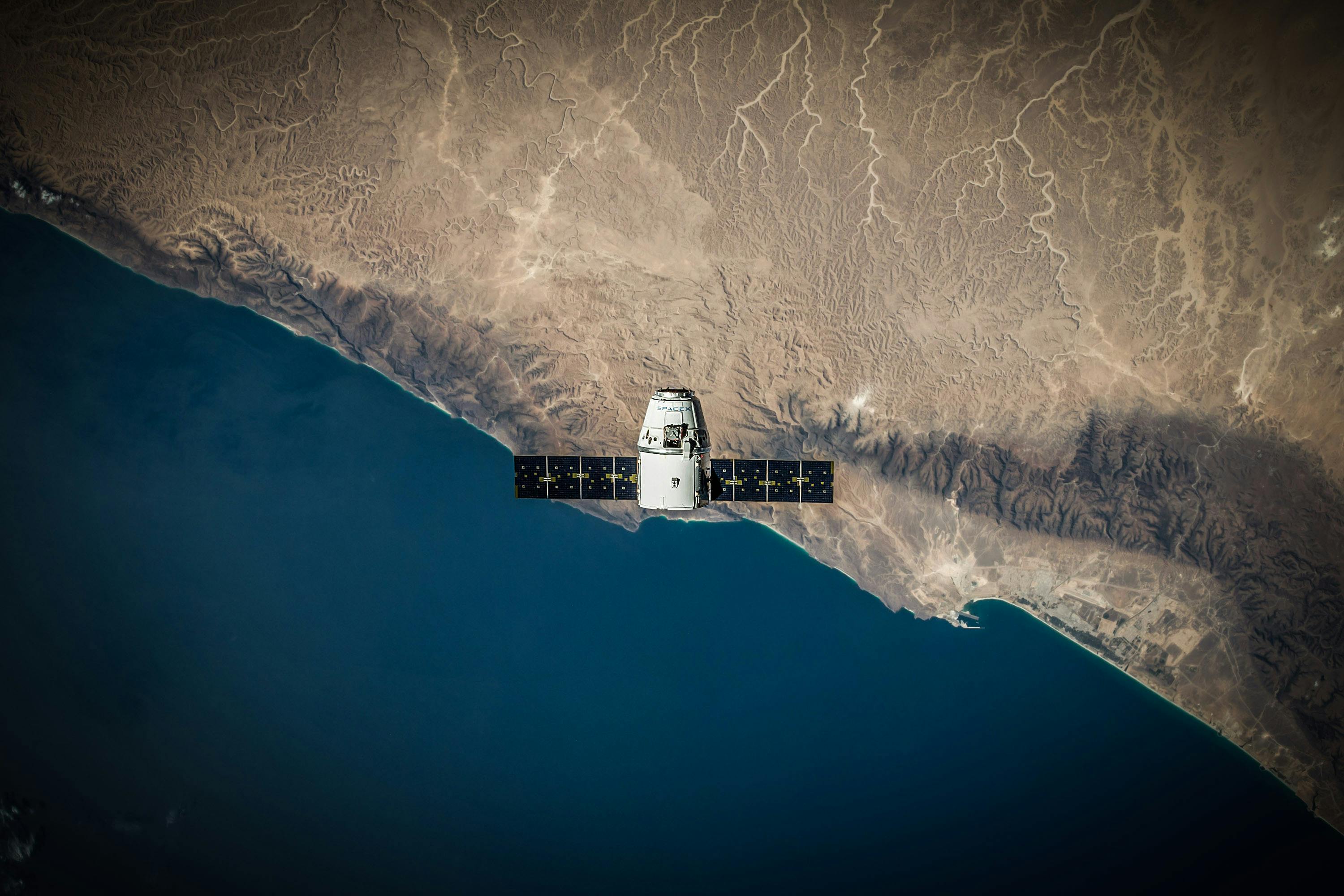
SpaceX's Falcon 9 lofts 11,000 lbs aboard Cygnus NG-24 to the ISS as Amazon pushes Leo's commercial debut to mid-2026.

The Day Humanity First Touched an Asteroid

The Day Humanity First Touched an Asteroid

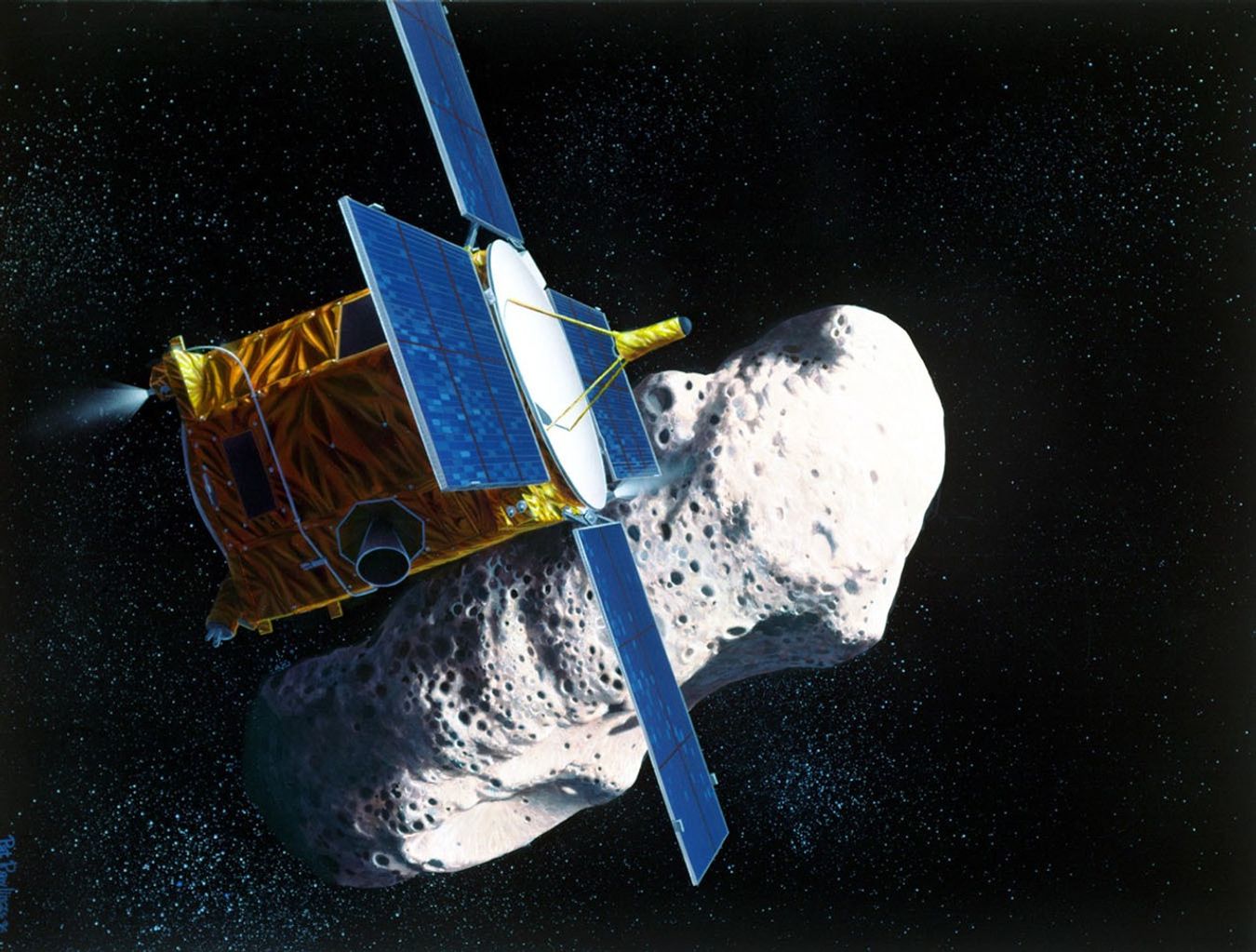
Twenty-four years ago, a spacecraft designed only to orbit made history with an improvised landing on asteroid Eros, marking humanitys first controlled touchdown on a small celestial body

Falcon 9 Booster B1067 Reaches 35th Flight Record | KeepTrack Space Brief

Falcon 9 Booster B1067 Reaches 35th Flight Record | KeepTrack Space Brief

Booster B1067 sets new Falcon 9 reuse record with 35th successful flight, deploying 29 Starlink satellites. Quantum Space pursues public markets via SPAC.

X Report 1 Apr 2025

X Report 1 Apr 2025

SpaceX launches its first crewed mission over Earth's poles and FAA concludes investigation into the Starship Flight 7 incident.
Space Brief 2 Apr 2025

Space Brief 2 Apr 2025

DARPA's accidental SpaceX detection highlights Earth as a natural sensor, while SpaceX's Fram2 launches into a polar orbit. Helsinki's defense budget rise hints at increased military satellite activity.
Starlink V2 Flies on Starship in 2027, X Report 4 Mar 2026

Starlink V2 Flies on Starship in 2027, X Report 4 Mar 2026

Gwynne Shotwell confirms Starlink V2 launches on Starship in 2027. Ship 39 preps Starship Flight 12; Falcon 9 lofts its 600th Starlink of 2026.
Falcon 9 Lifts 11,000 lbs of ISS Cargo on NG-24 | KeepTrack X Report

Falcon 9 Lifts 11,000 lbs of ISS Cargo on NG-24 | KeepTrack X Report

SpaceX's Falcon 9 launches Northrop Grumman's Cygnus NG-24 to the ISS carrying 11,000 lbs of critical cargo this weekend.

ESA's Proba-3 Formation-Flyer Goes Silent | KeepTrack Space Brief

ESA's Proba-3 Formation-Flyer Goes Silent | KeepTrack Space Brief

ESA's Proba-3 spacecraft lost contact last month, grounding the dual-satellite solar eclipse mission. Formation flying between both craft is critical for coronagraph science.