STARLINK-2118 (47396)

COSPAR: 2021-005AZ | Alt Name: Starlink 2118
DECAYED

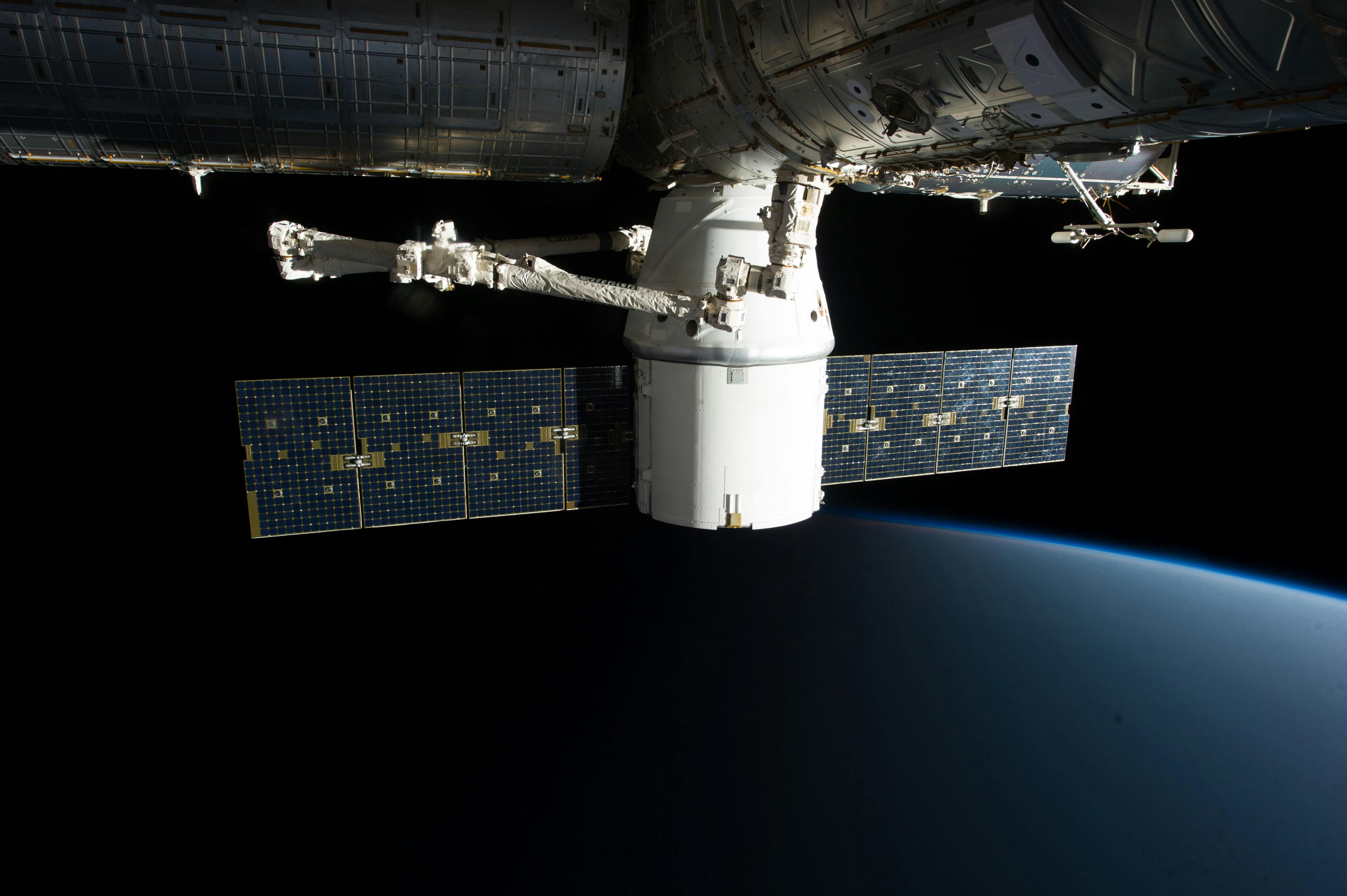
Image
STARLINK-2118 Satellite Image
Additional Sources
Launch Details

Launch Date

January 20, 2021

Launch Pad

LC39A

Launch Vehicle

Falcon 9

Orbital Elements

NORAD ID

47396

International Designator

2021-005AZ

Decay Date

7/11/2024

Basic Satellite Info

Name

STARLINK-2118

Alternative Name

Starlink 2118

Type

Payload

Status

Decayed

Owner

SPXS

Country

United States

Constellation

N/A

Related Satellites

Major Events

N/A

Summary
The satellite STARLINK-2118, also known as Starlink 2118, is part of SpaceX's Starlink constellation and was launched on January 20, 2021, from LC39A at the AFETR launch site using a Falcon 9 rocket. It has dimensions of 0.2 meters in length, 2.8 meters in diameter, and a span of 9 meters. The satellite weighs approximately 260 kilograms at launch and 248 kilograms dry mass. Equipped with Ku/Ka-band payload (all) and optical inter-satellite links (on prototypes), it uses solar arrays and batteries for power. Its mission is communication, and it employs Krypton ion thrusters as its motor. The satellite was manufactured by SpaceX and is owned by the same entity.

Starlink is a satellite constellation developed by SpaceX with the aim of providing global broadband internet coverage. Thousands of small satellites are deployed in low Earth orbit (LEO), enabling high-speed internet access even in remote areas. However, the rapid increase in satellites raises concerns about space debris and the potential for collisions, which can lead to further debris creation and endanger other spacecraft. Additionally, the sheer number of Starlink satellites can affect astronomical observations by increasing light pollution. Proper deorbiting plans and international coordination are essential to mitigate these challenges and ensure long-term sustainability in space.
Physical Characteristics

Length

0.2

Diameter

2.8

Span

9

Dry Mass

248

Launch Mass

260

Shape

Box + pan

Radar Cross Section

Unknown

Visual Magnitude

Unknown

Color

Unknown

Material Composition

Unknown

Technical Details

Payload

Starlink V1.0-L16-48

Purpose

Communication

Mission

Communication

Manufacturer

SPXS

Life Expectancy

Unknown

Bus

Starlink

Configuration

Unknown

Motor

Krypton ion thrusters

Equipment

Ku/Ka-band payload (all), optical inter-satellite links (a few prototypes)

Power System

Solar arrays, batteries

ADCS

Unknown

Transmitter Frequency

Unknown

Satellite Articles

View All Posts »

Learn more about satellites and other related topics.

SpaceX Files Plans for Million-Satellite Orbital Data Center | KeepTrack X Report

SpaceX Files Plans for Million-Satellite Orbital Data Center | KeepTrack X Report

SpaceX files FCC plans for a million-satellite orbital data center constellation. Crew-12 launch timing depends on Artemis 2 mission. Cold weather delays launch window.

Space Brief 8 Oct 2025

Space Brief 8 Oct 2025

Today's brief covers key developments in satellite launches, missile defense strategies, advanced IoT satellite connectivity, and the projected growth of the satellite market driven by defense needs.

Transporter 16 Carries 119 Payloads to SSO, X Report 29 Mar 2026

Transporter 16 Carries 119 Payloads to SSO, X Report 29 Mar 2026

Transporter 16 carries 119 payloads: SpaceX's rideshare mission targets Sun-synchronous orbit from Vandenberg, one of its densest manifests yet.

Space Brief 21 May 2025

Space Brief 21 May 2025

Today's Space Brief covers significant events including a high-stakes missile defense program, recent Chinese satellite launches, military defense initiatives, and key profiles in defense leadership.

Space Brief 3 Mar 2025

Space Brief 3 Mar 2025

Historic moon landing by Firefly Aerospace, Spanish Air and Space Force advances with new simulator, and spotlight on OneWeb's communication satellite.

X Report 17 Jun 2025

X Report 17 Jun 2025

SpaceX successfully launched 26 Starlink satellites from California, preparing for upcoming crewed missions to the ISS.

The Day That Humans Discovered Rocket Fuel

The Day That Humans Discovered Rocket Fuel

On February 2, 1909, Robert Goddard made a revolutionary breakthrough in his notebook: liquid oxygen and liquid hydrogen could achieve 50% efficiency in converting heat energy to kinetic energy for rocket propulsion

Falcon Heavy Returns | A Six-Ton Bet on Geostationary Broadband

Falcon Heavy Returns | A Six-Ton Bet on Geostationary Broadband

Falcon Heavy flew for the first time in eighteen months on April 29, 2026, expending its center core to push Viasat's final ViaSat-3 satellite toward geostationary orbit. The mission is a flagship rocket doing what only it can still do, for an operator betting six tons of high-throughput hardware on a market Starlink is rapidly redefining.