


X Report 1 Dec 2024
SpaceX continues its collaboration with the NRO, while gearing up for lunar missions and a contract for NASA's Dragonfly mission to Titan.



Launch Date
January 20, 2021
Launch Site
Launch Pad
LC39A
Launch Vehicle
NORAD ID
47372
International Designator
2021-005Z
Decay Date
1/3/2025
Name
STARLINK-2089
Alternative Name
Starlink 2089
Type
Status
Owner
SPXS
Country
United States
Constellation
N/A
Related Satellites
Major Events
N/A
Length
0.2
Diameter
2.8
Span
9
Dry Mass
248
Launch Mass
260
Shape
Box + pan
Radar Cross Section
Unknown
Visual Magnitude
Unknown
Color
Unknown
Material Composition
Unknown
Payload
Starlink V1.0-L16-24
Purpose
Communication
Mission
Communication
Manufacturer
SPXS
Life Expectancy
Unknown
Bus
Starlink
Configuration
Unknown
Motor
Krypton ion thrusters
Equipment
Ku/Ka-band payload (all), optical inter-satellite links (a few prototypes)
Power System
Solar arrays, batteries
ADCS
Unknown
Transmitter Frequency
Unknown
Learn more about satellites and other related topics.
SpaceX continues its collaboration with the NRO, while gearing up for lunar missions and a contract for NASA's Dragonfly mission to Titan.

SpaceX successfully launched NASA's TRACERS mission while Starlink faced a brief global outage, affecting users worldwide.

Starlink constellation size in March 2026: 9,996 satellites in orbit and 9,986 working from 11,504 launched, as SpaceX deorbits legacy V1.0 hardware.

SpaceX achieves a historic rocket reuse milestone and successfully launches NRO satellites, alongside charming interactions during Crew-9 Dragon recovery.

On April 12, 1961, a 27-year-old Soviet pilot rode a modified ICBM into orbit and came back alive after 108 minutes. Exactly twenty years later, two Americans climbed aboard an untested spacecraft covered in 31,000 ceramic tiles and bet their lives that the math was right.
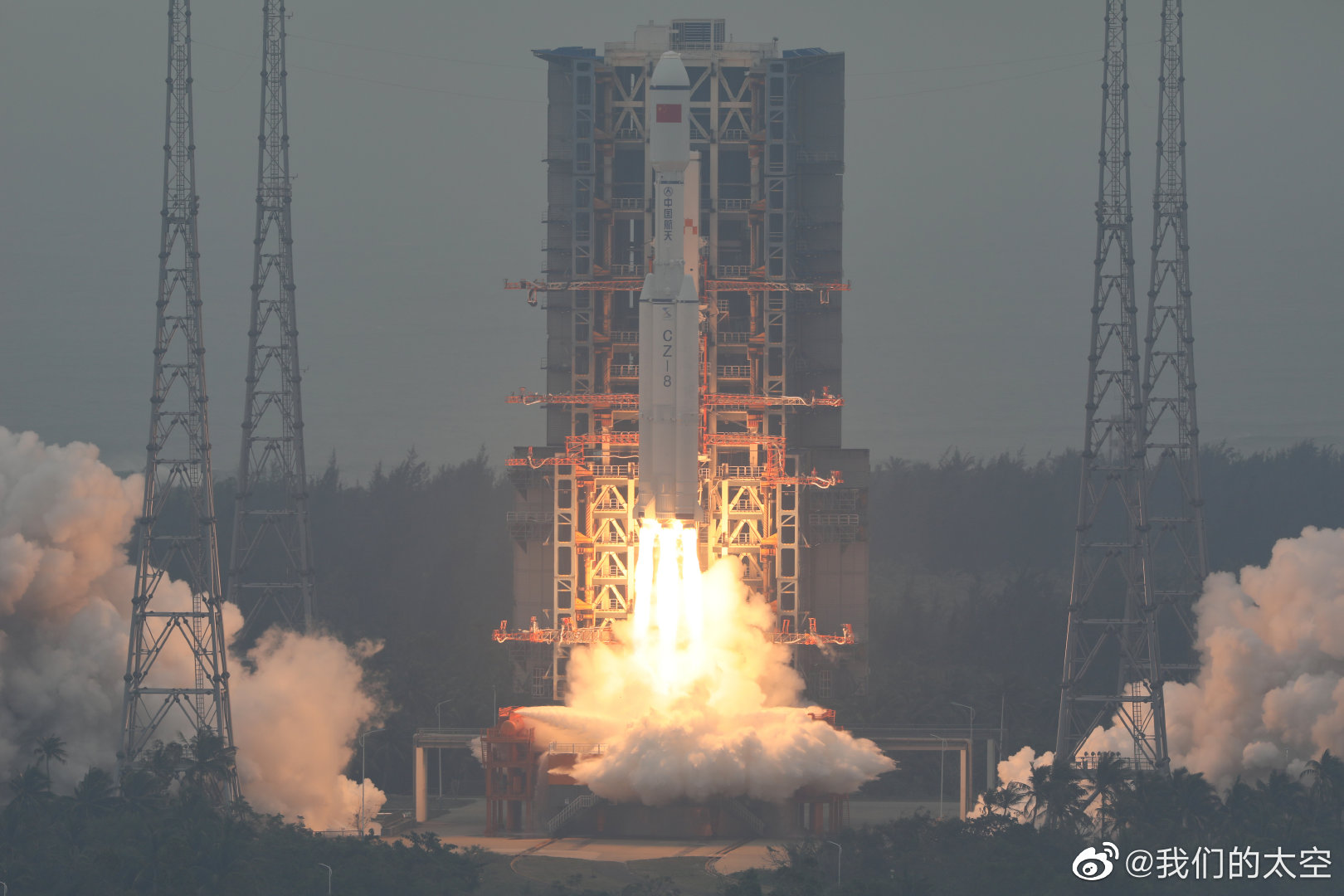
Artemis 2's four astronauts entered lunar sphere of influence April 6, first crewed arrival since Apollo 17. NASA simultaneously proposed 25% budget cut for FY2027.
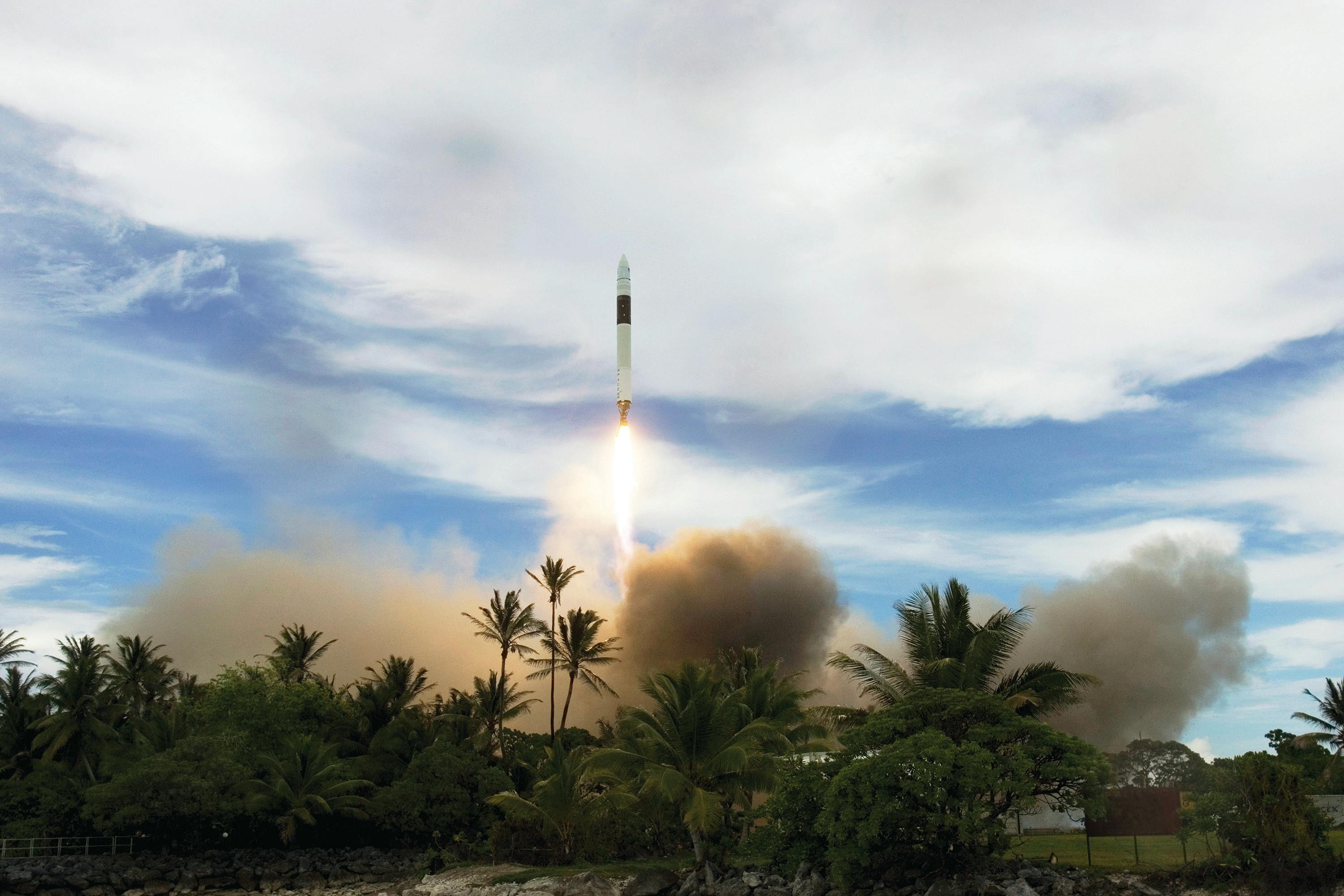
SpaceX launches 24 Starlink satellites, pushing its 2025 total beyond 2,000, while facing community pushback in Florida for its Starship operations.

Today's Space Brief covers a crucial weather data decision by the U.S. Defense Department, an innovative power supply for aerospace systems, advancements in satellite link technology, and Norway's maritime surveillance. AI/ML tools for airspace management and concerns about defense testing capabilities are also highlighted.