USA 312 (47294)

COSPAR: 2020-101A | Alt Name: USA 312
DECAYED

Image
USA 312 Satellite Image
Additional Sources
Launch Details

Launch Date

December 19, 2020

Launch Pad

LC39A

Launch Vehicle

Falcon 9

Orbital Elements

NORAD ID

47294

International Designator

2020-101A

Decay Date

Unknown

Basic Satellite Info

Name

USA 312

Alternative Name

USA 312

Type

Payload

Status

Operational

Owner

NROC

Country

United States

Constellation

N/A

Related Satellites

Major Events

N/A

Summary
USA 312, also known as 2020-101A, is an American satellite launched on December 19, 2020, from Kennedy Space Center's LC39A using a Falcon 9 launch vehicle. The satellite has dimensions of approximately 4 meters in length and 2.5 meters in diameter with a span of 10 meters. It had a launch mass of 2,000 kg and a dry mass of 1,500 kg. The spacecraft's shape is described as "Box+2 panels," though specific equipment details are not provided. Its mission purpose relates to technology, but the exact nature remains unspecified. The satellite was owned by NROC (National Reconnaissance Office) and its payload is listed as "[NRO Unk LEO 3]." Further operational or technical specifications such as power systems, transmitters, or significant events are not detailed in the provided data.
Physical Characteristics

Length

4

Diameter

2.5

Span

10

Dry Mass

1500

Launch Mass

2000

Shape

Box+2 panels

Radar Cross Section

Unknown

Visual Magnitude

Unknown

Color

Unknown

Material Composition

Unknown

Technical Details

Payload

[NRO Unk LEO 3]

Purpose

Technology ?

Mission

Technology ?

Manufacturer

UNKUS

Life Expectancy

Unknown

Bus

UNK

Configuration

?

Motor

AOCS

Equipment

?

Power System

Unknown

ADCS

Unknown

Transmitter Frequency

Unknown

Satellite Articles

View All Posts »

Learn more about satellites and other related topics.

The Day America's Revolutionary Rocket Design Made Its Final Flight

The Day America's Revolutionary Rocket Design Made Its Final Flight

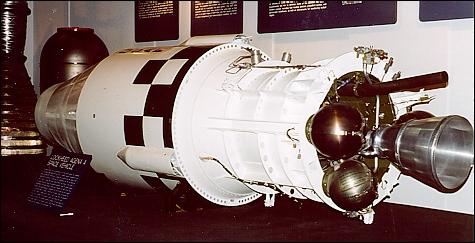
Twenty years ago, an Atlas rocket carrying a classified payload lifted off from Cape Canaveral, marking the end of a revolutionary spacecraft design that helped launch America into the Space Age

U.S. GSSAP Executes GEO Handoff to Track China's Shijian-29 | KeepTrack Space Brief

U.S. GSSAP Executes GEO Handoff to Track China's Shijian-29 | KeepTrack Space Brief

U.S. GSSAP satellites execute coordinated GEO maneuvers for continuous surveillance of Chinese Shijian-29 spacecraft. Handoff approach maintains coverage with zero gaps.

Space Brief 12 Dec 2025

Space Brief 12 Dec 2025

Today's space brief highlights the U.S. Space Force's new satellite naming scheme, the Air Force Secretary's warnings on China's space advances, BAE Systems' DARPA award, strategies for future space defense, the importance of GEO satellite refueling, and Blue Origin's plans for Space Force certification.

81 Payloads Deployed to SSO; Long March 10B & Vikram-I Debut This Week | KeepTrack Space Brief

81 Payloads Deployed to SSO; Long March 10B & Vikram-I Debut This Week | KeepTrack Space Brief

SpaceX rideshare Falcon 9 deployed 81 payloads including military tech demos to sun-synchronous orbit. China's Long March 10B and India's Vikram-I both debut this week among 6 scheduled launches.

Voyager 1

Voyager 1

In November 2023, Earth's most distant spacecraft started speaking gibberish. Five months, one dead memory chip, and 30 billion miles of round-trip troubleshooting later, engineers got it talking again - using code written before most of them were born.

The Day America Pioneered Polar Orbits

The Day America Pioneered Polar Orbits

Sixty-six years ago, a Thor-Agena rocket thundered into the California sky carrying Discoverer 1, the first satellite attempt at polar orbit and the secret vanguard of Americas space reconnaissance program

X Report 30 Jan 2025

X Report 30 Jan 2025

SpaceX's Falcon 9 launches SpainSat NG-1 satellite as Starlink compatibility causes market ripples.

The Day Humanity's First Modular Space Station Reached Orbit

The Day Humanity's First Modular Space Station Reached Orbit

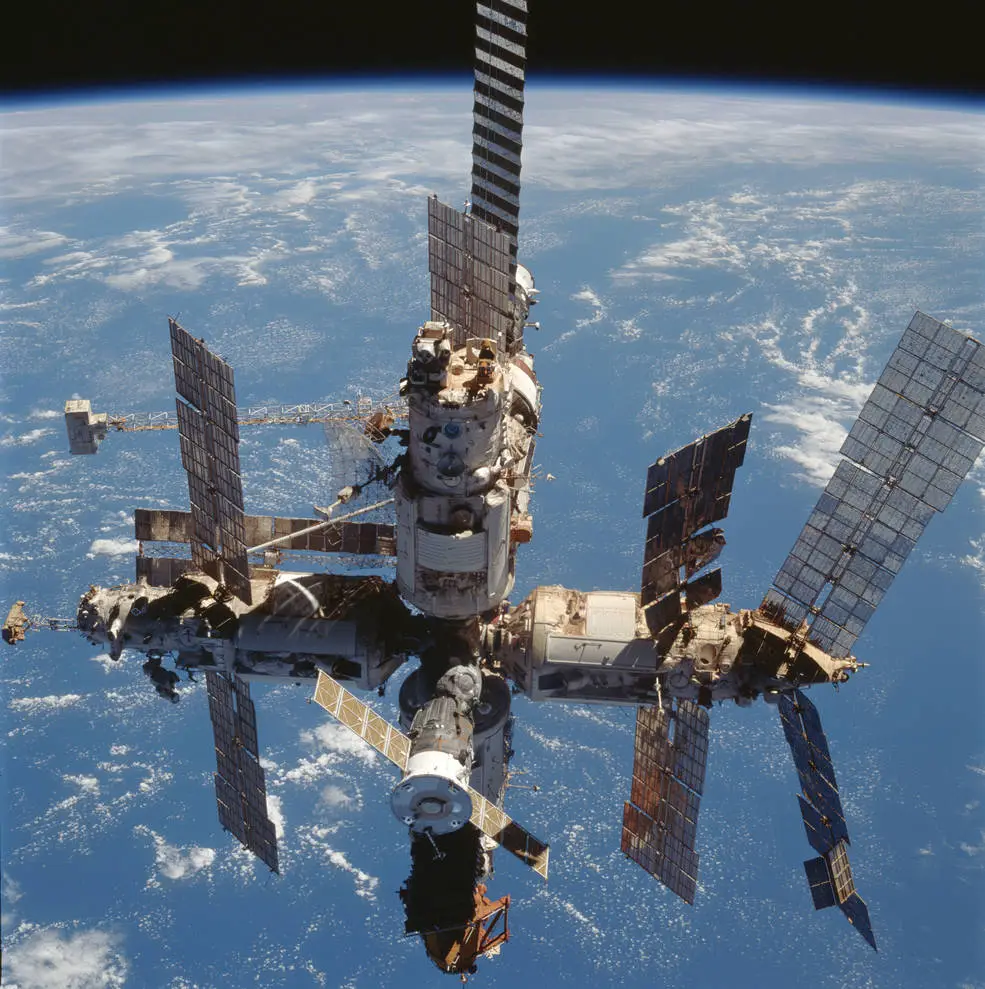
Thirty-nine years ago, a Proton rocket carried the core of the Mir space station into orbit, launching an unprecedented era of continuous human presence in space and international cooperation