


X Report 15 Nov 2025
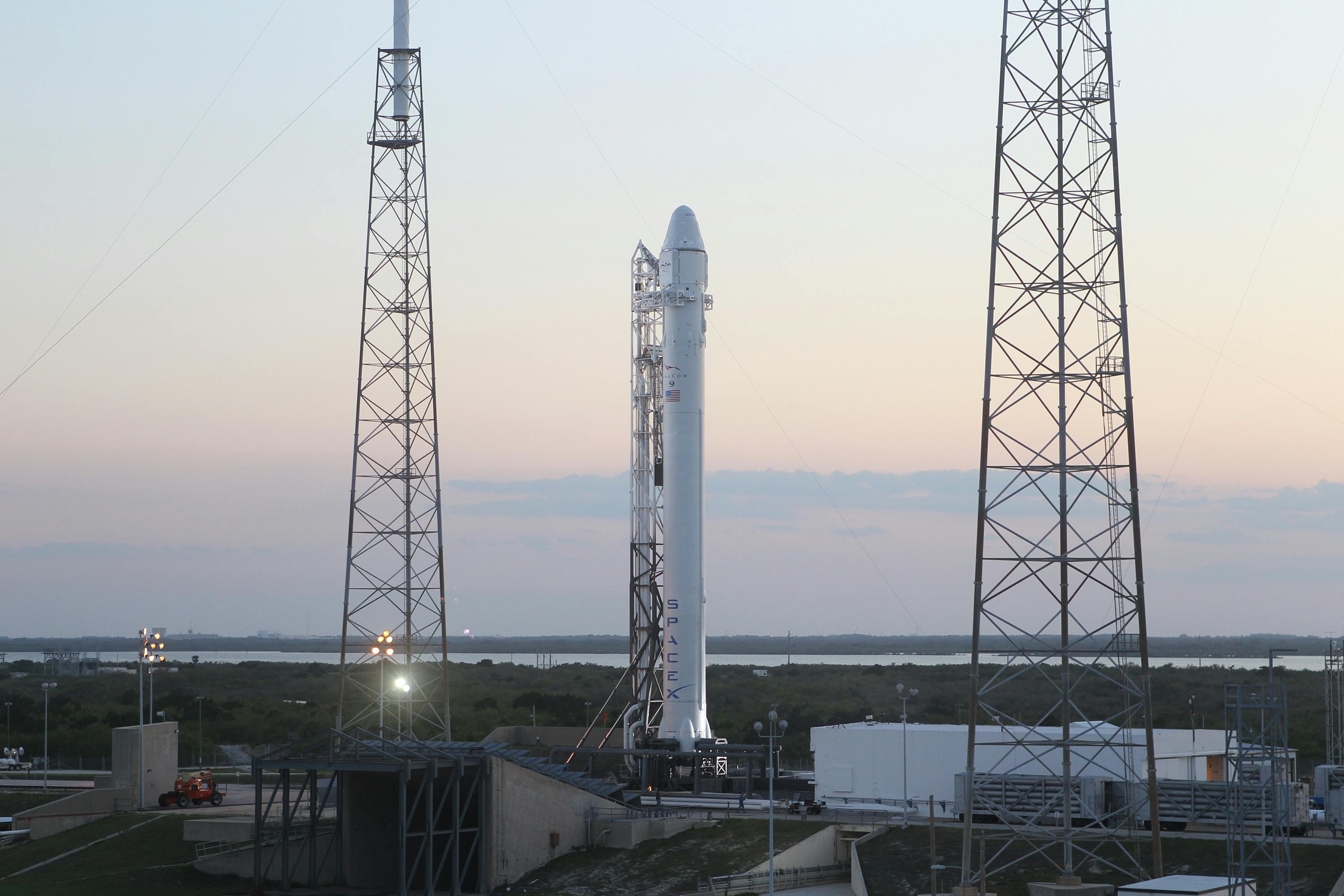
SpaceX made headlines with back-to-back Falcon 9 launches from Florida, successfully deploying 29 additional Starlink satellites, further enhancing its extensive broadband network.



Launch Date
November 25, 2020
Launch Site
Launch Pad
LC40
Launch Vehicle
NORAD ID
47179
International Designator
2020-088BK
Epoch
Fri, 03 Jul 2026 19:51:41 GMT
Apogee
Calculating...
Perigee
Calculating...
Inclination
53.16°
Right Ascension
125.74°
Eccentricity
Calculating...
Argument of Perigee
80.60°
Period
93.71 min
Mean Motion
15.37 rev/day
Latitude
Calculating...
Longitude
Calculating...
Altitude
Calculating...
Velocity
Calculating...
Name
STARLINK-1913
Alternative Name
Starlink 1913
Type
Status
Owner
SPXS
Country
United States
Constellation
N/A
Related Satellites
Major Events
N/A
1 47179U 20088BK 26184.82755936 .00056527 00000-0 15582-2 0 9990
2 47179 53.1596 125.7351 0005152 80.5966 279.5620 15.36591281309576
Source: Celestrak
Length
0.2
Diameter
2.8
Span
9
Dry Mass
248
Launch Mass
260
Shape
Box + pan
Radar Cross Section
Unknown
Visual Magnitude
Unknown
Color
Unknown
Material Composition
Unknown
Payload
Starlink V1.0-L15-58
Purpose
Communication
Mission
Communication
Manufacturer
SPXS
Life Expectancy
Unknown
Bus
Starlink
Configuration
Unknown
Motor
Krypton ion thrusters
Equipment
Ku/Ka-band payload (all), optical inter-satellite links (a few prototypes)
Power System
Solar arrays, batteries
ADCS
Unknown
Transmitter Frequency
Unknown
Learn more about satellites and other related topics.
SpaceX made headlines with back-to-back Falcon 9 launches from Florida, successfully deploying 29 additional Starlink satellites, further enhancing its extensive broadband network.
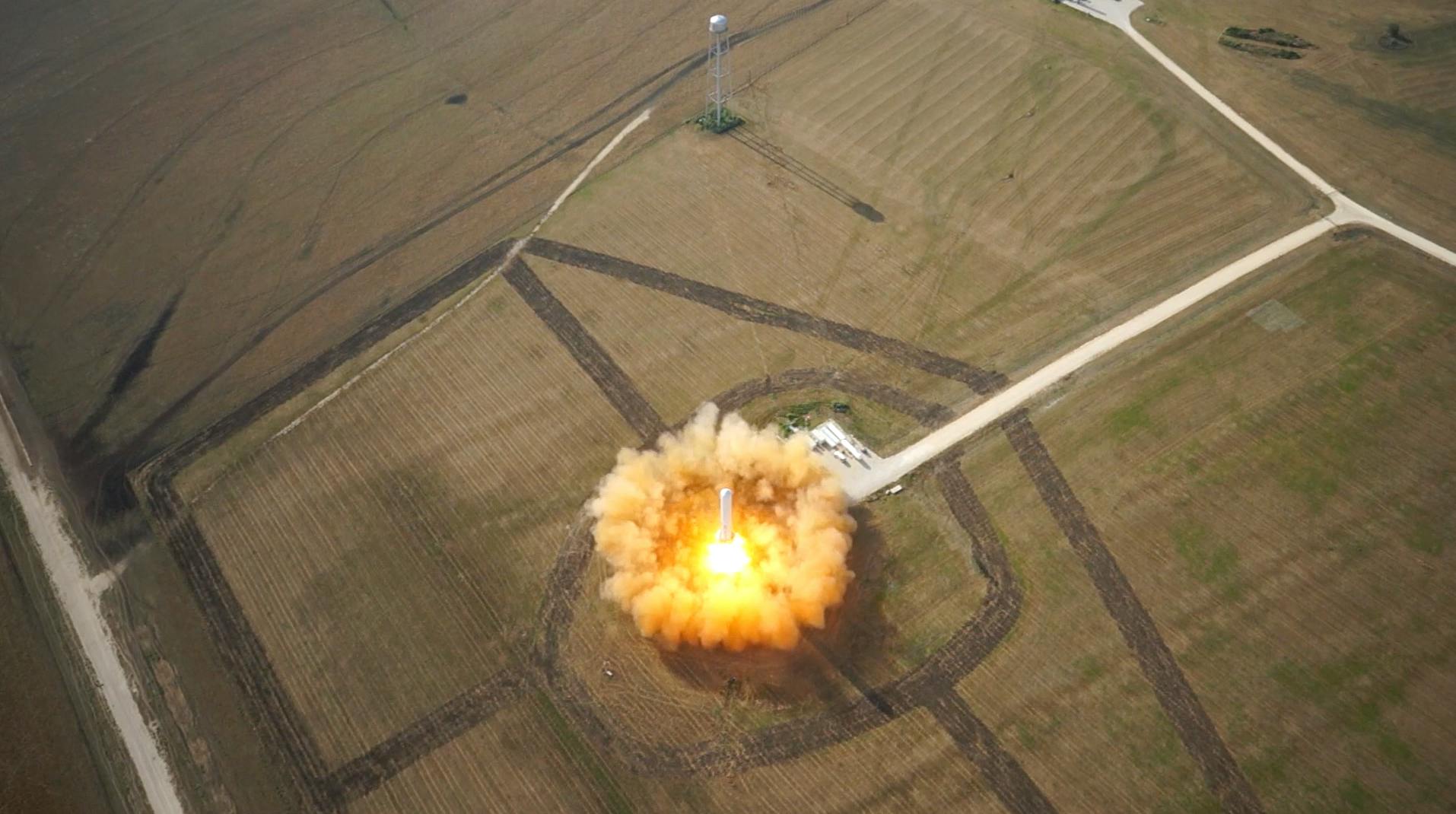
A partial breakup incident involving a Starlink satellite raised concerns, while SpaceX continued its ambitious projects and launches.

Today's space brief covers SpaceX's latest Starlink missions, Satellogic's contract with Brazilian Air Force, OCX, and ATLAS project updates, and DARPA's insights on cybersecurity vulnerabilities.
Discover the latest in space news with the ULA's recent launch for the US Space Force, significant developments in radar tracking at high altitudes, and impactful policy changes involving military space missions.

A brief journey through the evolution of space stations, delving into Russia's Mir, the International Space Station, China's Tiangong, and envisioning the future of orbital habitats.
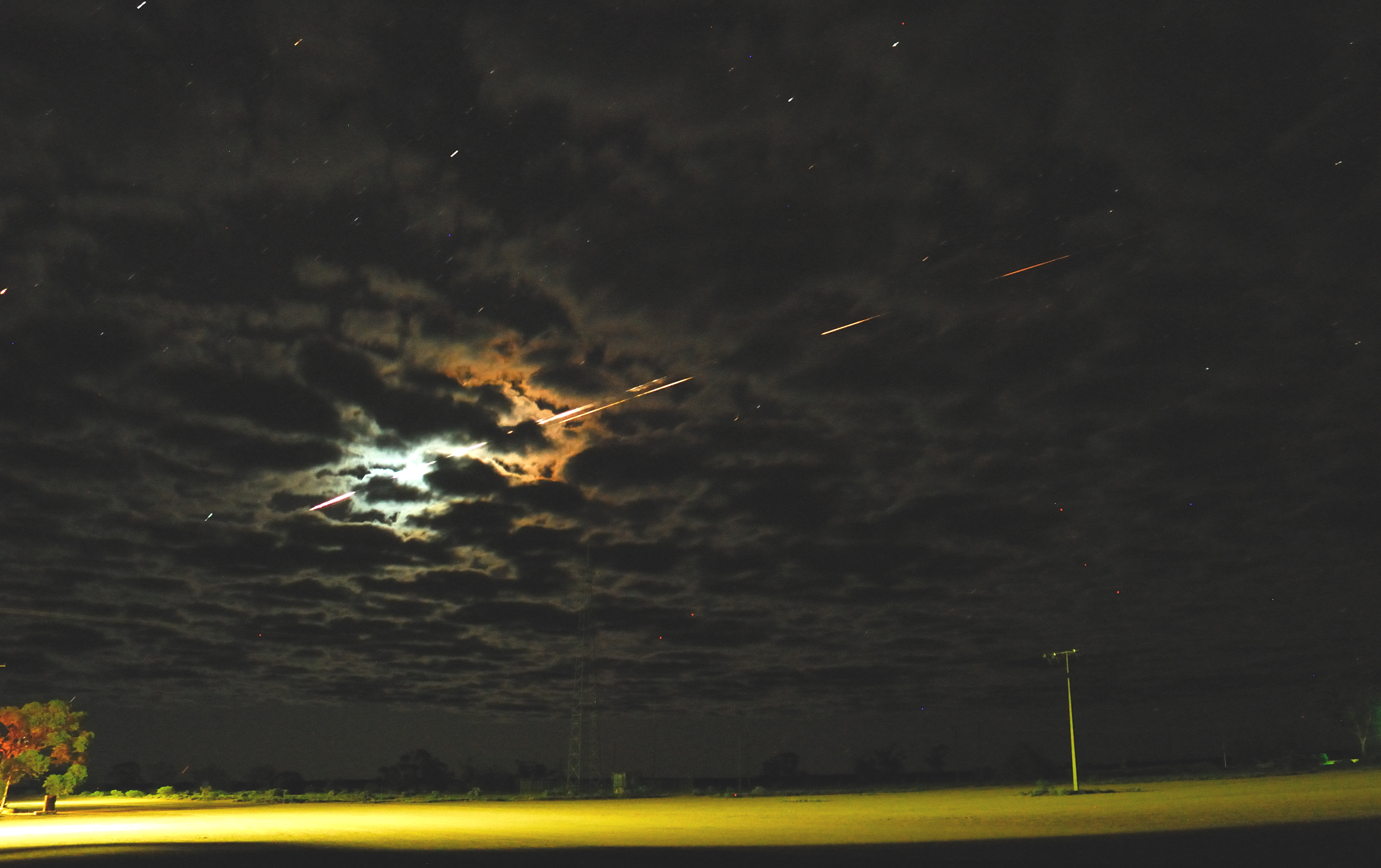
Sixteen years ago today, a fireball tore across the Australian outback. Most of it was a dying Japanese spacecraft burning up after a seven-year ordeal. The bright dot racing ahead of the wreckage was a capsule holding the first grains of an asteroid ever returned to Earth.

SpaceX achieves significant milestones with the launch of 28 Starlink satellites and the final landing of the LZ-1 pad, marking key moments in their ongoing mission to expand satellite connectivity.
Today's Space Brief covers potential changes in the procurement strategies for the Space Force, developments in missile detection technology, and budgetary impacts on space programs.