


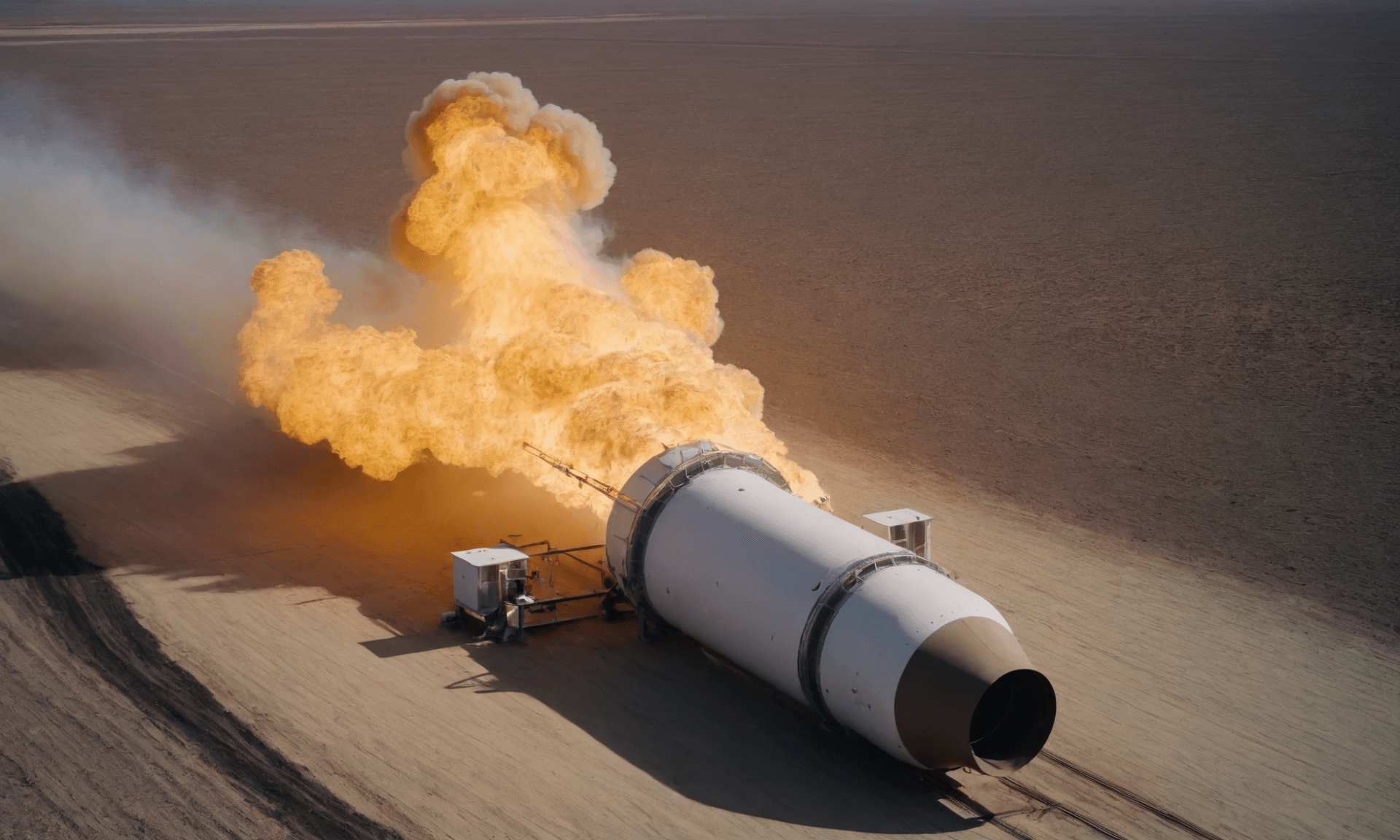
Space Brief 25 Aug 2024
Today's Space Brief covers NASA's decision on Starliner, SpaceX's preparations for the Polaris Dawn mission, and updates on various space activities. Also featured is an in-depth look at the Hubble Space Telescope.



Launch Date
November 25, 2020
Launch Site
Launch Pad
LC40
Launch Vehicle
NORAD ID
47171
International Designator
2020-088BB
Epoch
Thu, 02 Jul 2026 23:22:56 GMT
Apogee
Calculating...
Perigee
Calculating...
Inclination
53.05°
Right Ascension
77.35°
Eccentricity
Calculating...
Argument of Perigee
189.42°
Period
91.48 min
Mean Motion
15.74 rev/day
Latitude
Calculating...
Longitude
Calculating...
Altitude
Calculating...
Velocity
Calculating...
Name
STARLINK-1888
Alternative Name
Starlink 1888
Type
Status
Owner
SPXS
Country
United States
Constellation
N/A
Related Satellites
Major Events
N/A
1 47171U 20088BB 26183.97426789 .00110915 00000-0 75266-3 0 9996
2 47171 53.0458 77.3542 0001243 189.4235 170.6760 15.74155929310152
Source: Celestrak
Length
0.2
Diameter
2.8
Span
9
Dry Mass
248
Launch Mass
260
Shape
Box + pan
Radar Cross Section
Unknown
Visual Magnitude
Unknown
Color
Unknown
Material Composition
Unknown
Payload
Starlink V1.0-L15-50
Purpose
Communication
Mission
Communication
Manufacturer
SPXS
Life Expectancy
Unknown
Bus
Starlink
Configuration
Unknown
Motor
Krypton ion thrusters
Equipment
Ku/Ka-band payload (all), optical inter-satellite links (a few prototypes)
Power System
Solar arrays, batteries
ADCS
Unknown
Transmitter Frequency
Unknown
Learn more about satellites and other related topics.
Today's Space Brief covers NASA's decision on Starliner, SpaceX's preparations for the Polaris Dawn mission, and updates on various space activities. Also featured is an in-depth look at the Hubble Space Telescope.
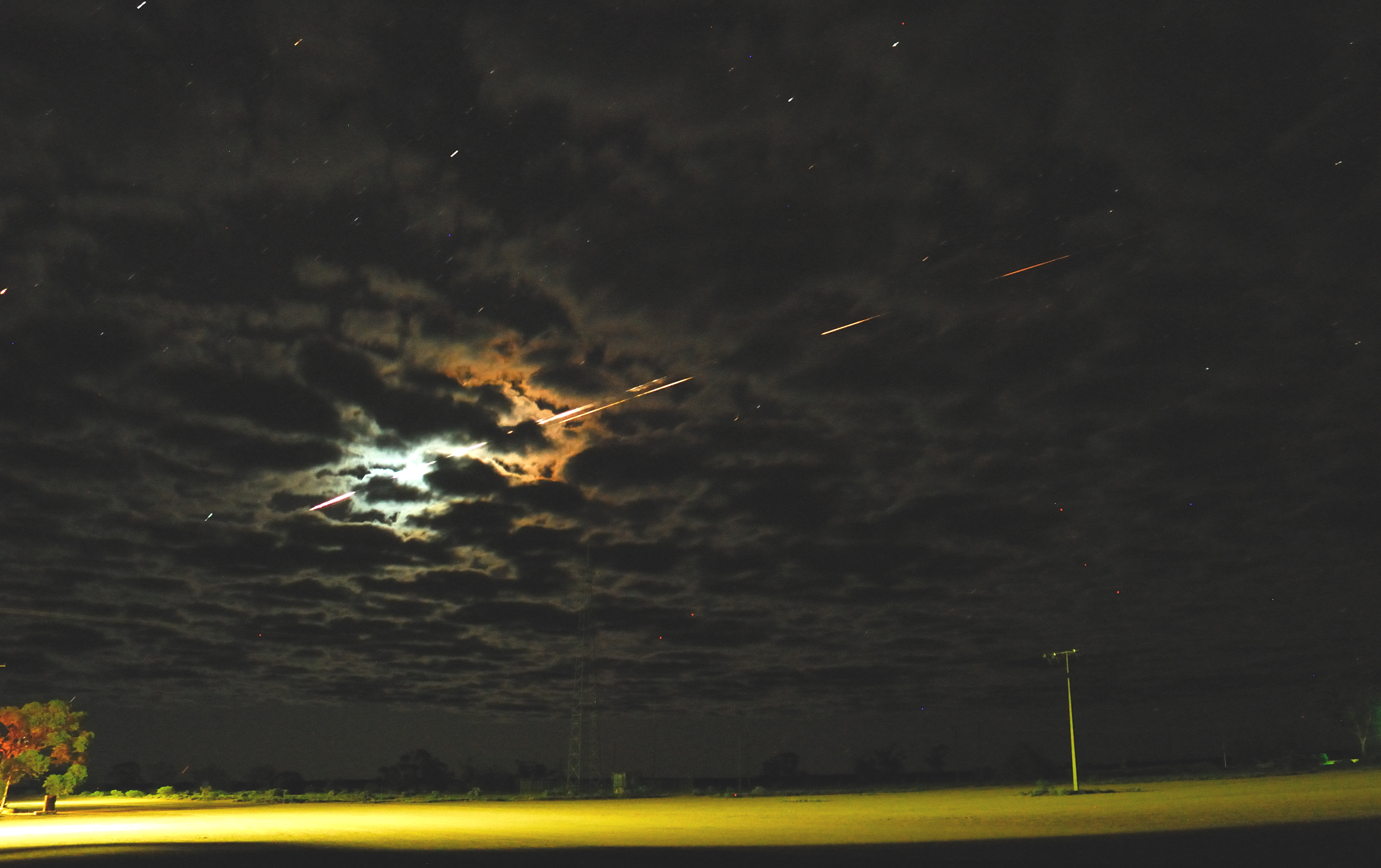
Sixteen years ago today, a fireball tore across the Australian outback. Most of it was a dying Japanese spacecraft burning up after a seven-year ordeal. The bright dot racing ahead of the wreckage was a capsule holding the first grains of an asteroid ever returned to Earth.
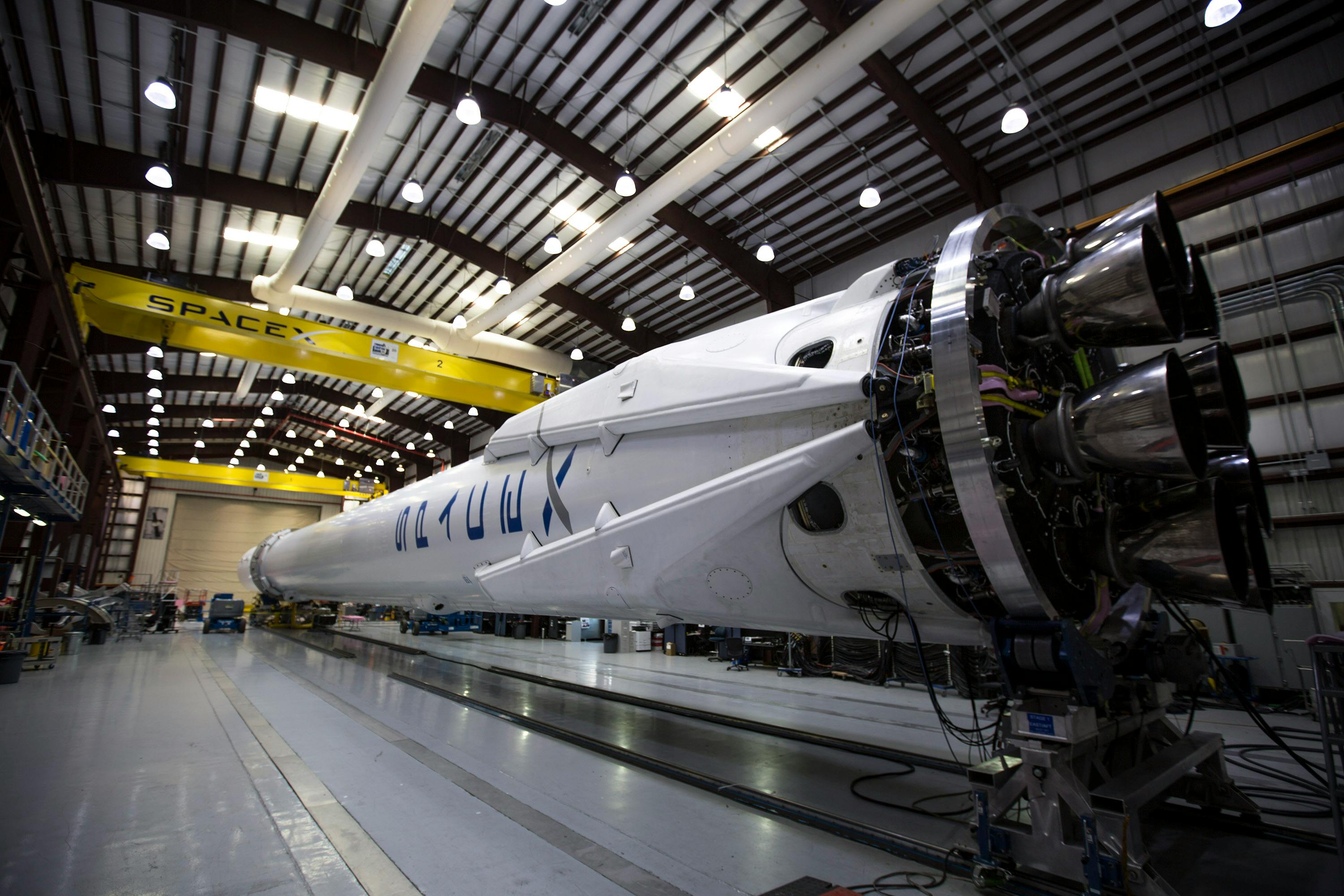
SpaceX advances with Starship readiness, scrubs mysterious RRT-1 launch, and successfully deploys more Starlink satellites.
Today's briefing highlights recent launches and failures, including an Indian radar satellite setback, successful Rocket Lab missions, and China's debut of upgraded rocket technology.

Today's highlights include Pulsar Fusion's groundbreaking nuclear rocket plans, partnerships for the Haven-1 space station, and a spotlight on military collaboration in quantum technology.
Today's Space Brief covers the latest developments in space debris detection, Ursa Major's defense push, and SpaceX's Starlink launch. Additionally, insights into microreactors for military bases, US Cyber Command updates, and gravitational wave discoveries are highlighted.
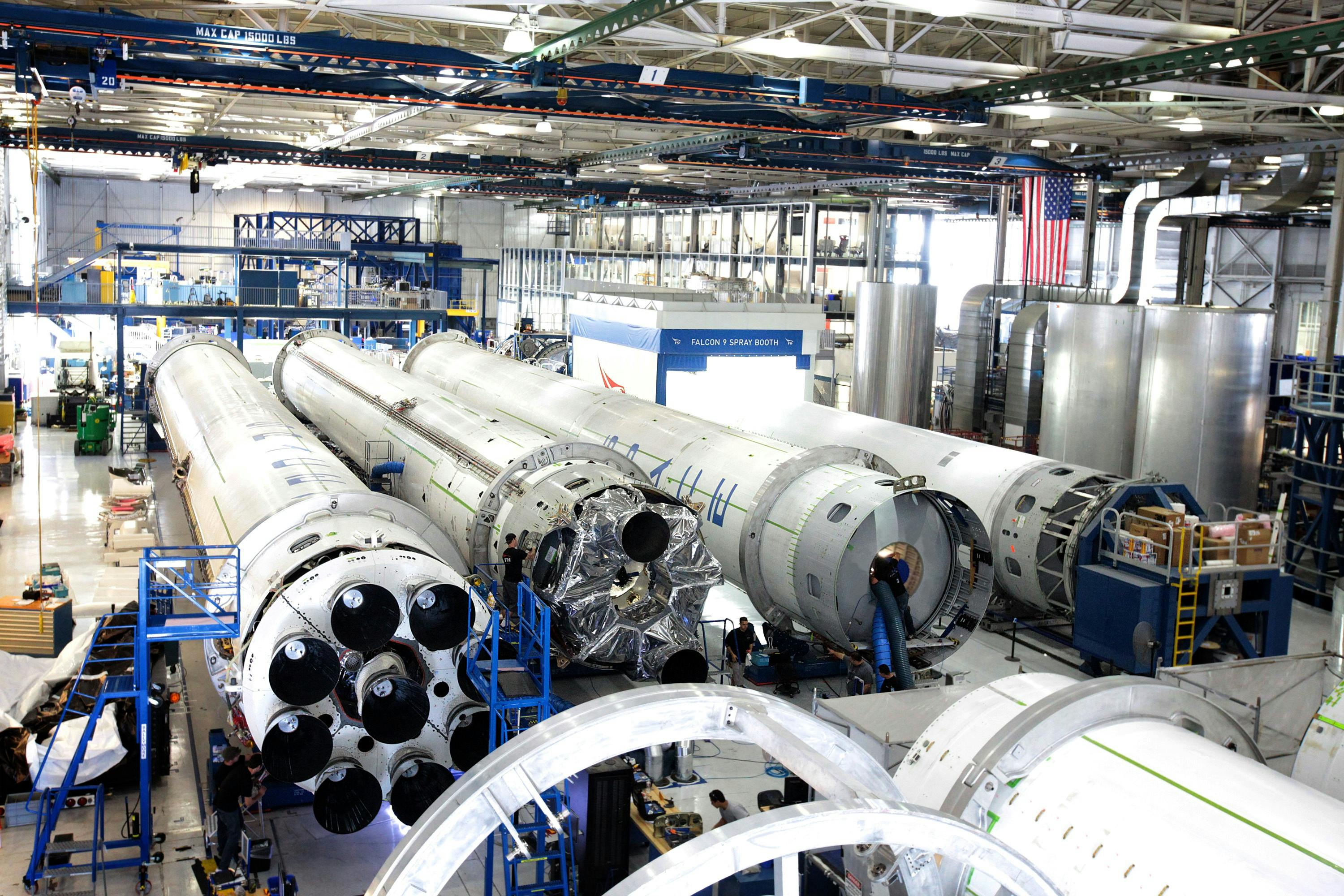
SpaceX unveils new space traffic management system for orbital coordination. Bahamas grants permission for rocket landings after Starship debris pause. Musk proposes lunar satellite catapult.
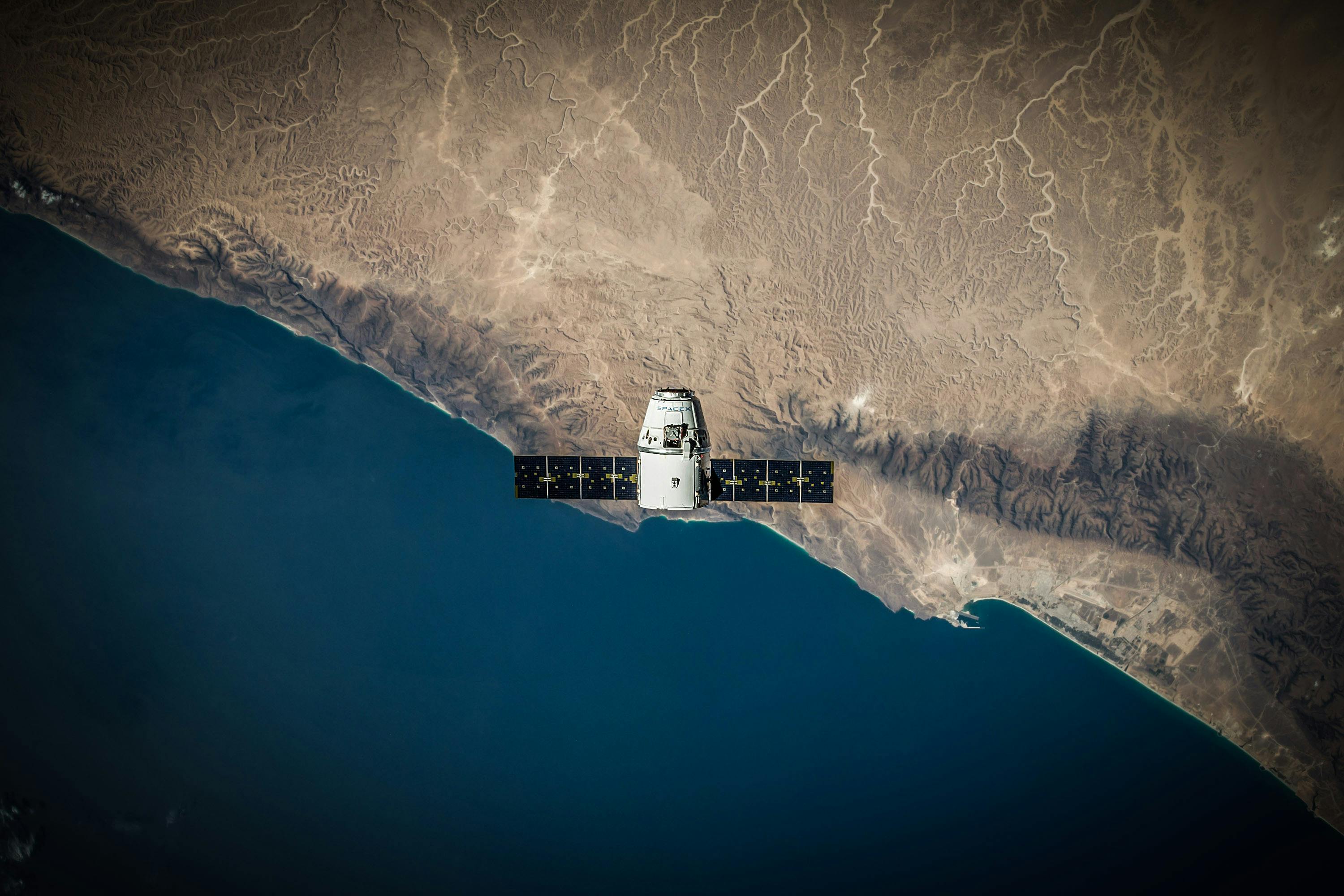
DIU explores SpaceX Starship's in-space refueling; Investors advise startups against competing or emulating SpaceX.