

Space Brief 18 Nov 2024
Today’s Space Brief covers the deployment of a new optical sensor for the Space Force, SpaceX's recent Starlink satellite launch, and significant investment in space cargo vehicles.



Launch Date
November 25, 2020
Launch Site
Launch Pad
LC40
Launch Vehicle
NORAD ID
47138
International Designator
2020-088S
Decay Date
3/19/2025
Name
STARLINK-1850
Alternative Name
Starlink 1850
Type
Status
Owner
SPXS
Country
United States
Constellation
N/A
Related Satellites
Major Events
N/A
Length
0.2
Diameter
2.8
Span
9
Dry Mass
248
Launch Mass
260
Shape
Box + pan
Radar Cross Section
Unknown
Visual Magnitude
Unknown
Color
Unknown
Material Composition
Unknown
Payload
Starlink V1.0-L15-17
Purpose
Communication
Mission
Communication
Manufacturer
SPXS
Life Expectancy
Unknown
Bus
Starlink
Configuration
Unknown
Motor
Krypton ion thrusters
Equipment
Ku/Ka-band payload (all), optical inter-satellite links (a few prototypes)
Power System
Solar arrays, batteries
ADCS
Unknown
Transmitter Frequency
Unknown
Learn more about satellites and other related topics.
Today’s Space Brief covers the deployment of a new optical sensor for the Space Force, SpaceX's recent Starlink satellite launch, and significant investment in space cargo vehicles.

SpaceX achieves significant milestones with the launch of 28 Starlink satellites and the final landing of the LZ-1 pad, marking key moments in their ongoing mission to expand satellite connectivity.
Today marks a significant day for SpaceX as the company prepares for the 9th test flight of its Starship-Super Heavy rocket, alongside a successful launch of 24 Starlink satellites to polar orbit.

Amid multiple new launches, SpaceX marks its 300th orbital flight milestone at Cape Canaveral while pushing forward with cargo and reentry missions.
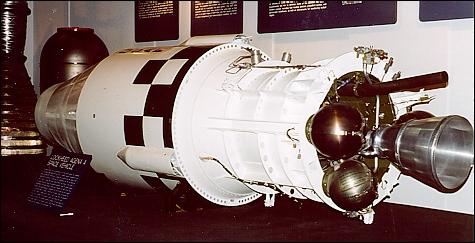
Sixty-six years ago, a Thor-Agena rocket thundered into the California sky carrying Discoverer 1, the first satellite attempt at polar orbit and the secret vanguard of Americas space reconnaissance program

SpaceX gears up for a Starlink launch from Florida amid ongoing space policy discussions. A closer look at the OneWeb satellite series in our Satellite Spotlight.
Today's highlights include the U.S. military's satellite initiative facing delays, Senate inquiries into high-profile calls, and an update on Pentagon's UFO investigations. Notable mentions also cover Morocco's defense sector ambitions.
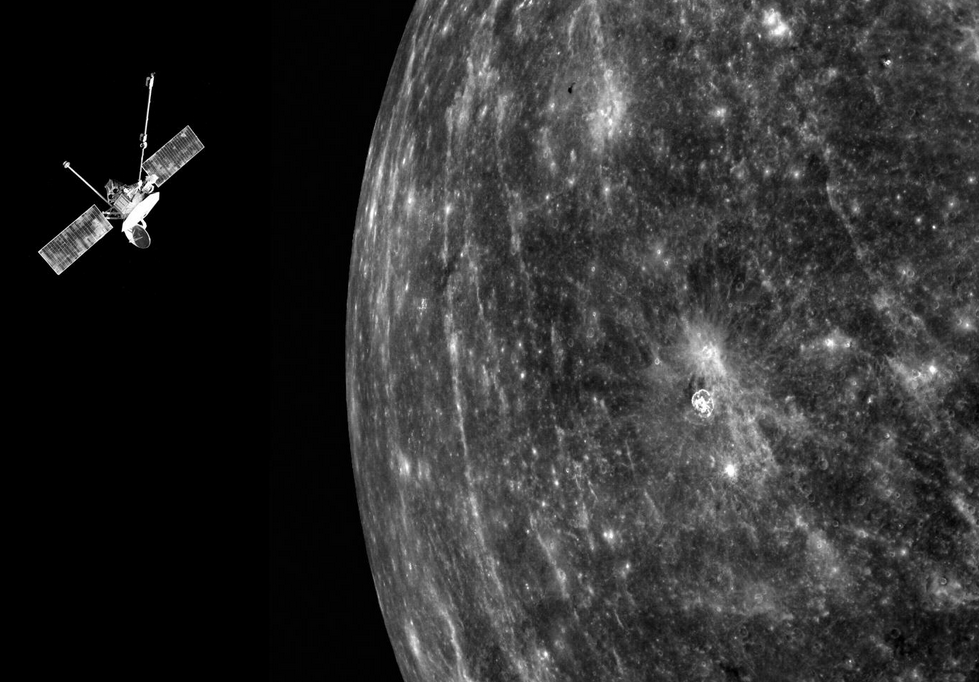
Fifty-one years ago, Mariner 10 revolutionized space exploration by executing the first-ever planetary gravity assist at Venus, pioneering a technique that would transform how we explore the solar system