

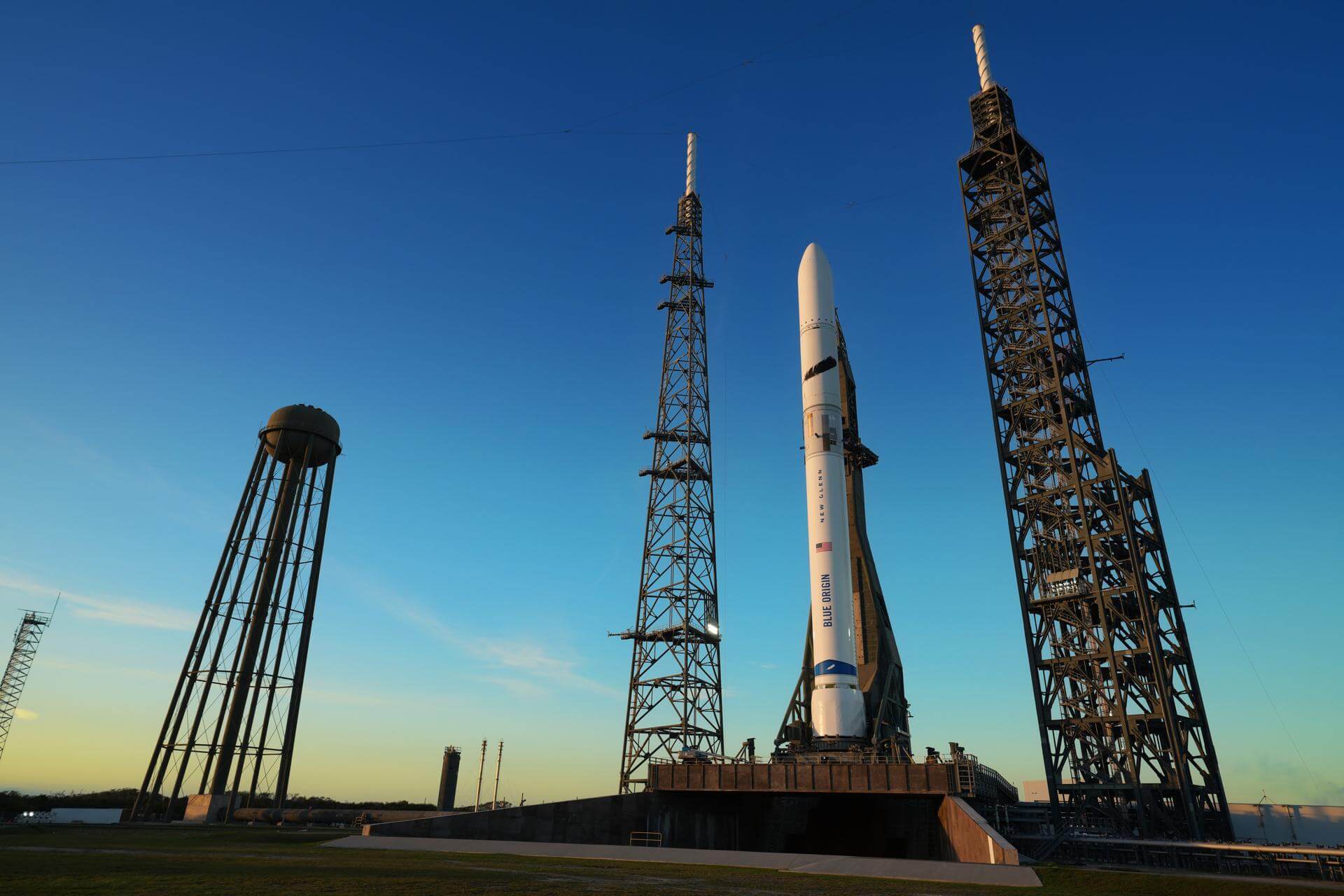
Planet Delays Iran Imagery 14 Days Amid Regional Conflict | KeepTrack Space Brief
Planet Labs institutes 14-day delay on imagery covering Iran and Gulf States. Commercial remote sensing faces new operational security pressures as conflict escalates.



Launch Date
November 25, 2020
Launch Site
Launch Pad
LC40
Launch Vehicle
NORAD ID
47132
International Designator
2020-088L
Decay Date
7/5/2021
Name
STARLINK-1842
Alternative Name
Starlink 1842
Type
Status
Owner
SPXS
Country
United States
Constellation
N/A
Related Satellites
Major Events
N/A
Length
0.2
Diameter
2.8
Span
9
Dry Mass
248
Launch Mass
260
Shape
Box + pan
Radar Cross Section
Unknown
Visual Magnitude
Unknown
Color
Unknown
Material Composition
Unknown
Payload
Starlink V1.0-L15-11
Purpose
Communication
Mission
Communication
Manufacturer
SPXS
Life Expectancy
Unknown
Bus
Starlink
Configuration
Unknown
Motor
Krypton ion thrusters
Equipment
Ku/Ka-band payload (all), optical inter-satellite links (a few prototypes)
Power System
Solar arrays, batteries
ADCS
Unknown
Transmitter Frequency
Unknown
Learn more about satellites and other related topics.
Planet Labs institutes 14-day delay on imagery covering Iran and Gulf States. Commercial remote sensing faces new operational security pressures as conflict escalates.
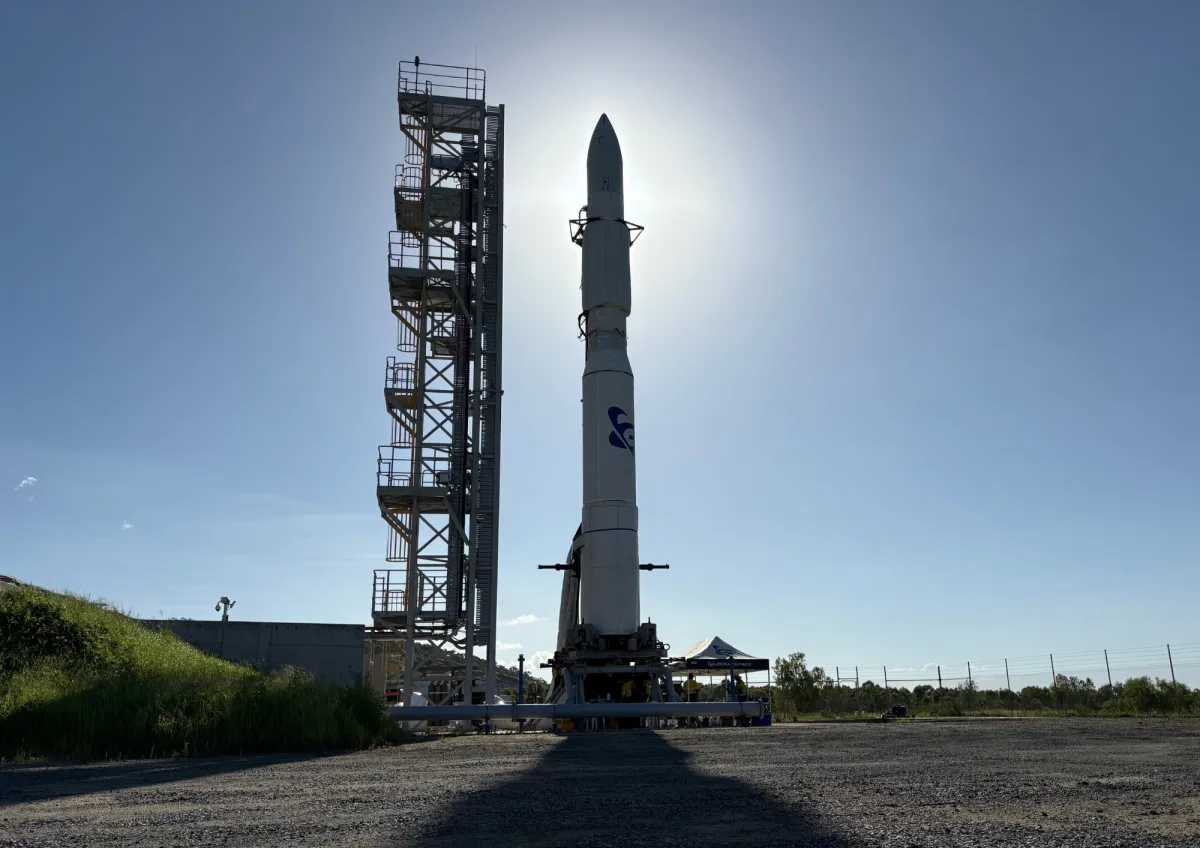
Today, we explore substantial U.S. defense contracts awarded for space launches, ESA's enigmatic Euclid images release, and SpaceX missions covering satellite launches and astronaut reentries.

Today's briefing focuses on key developments in military space activities, technological advancements, and strategic challenges faced by the U.S. in space dominance. Notably, the Space Force is expanding its missile warning capabilities, and significant funding discussions are underway.
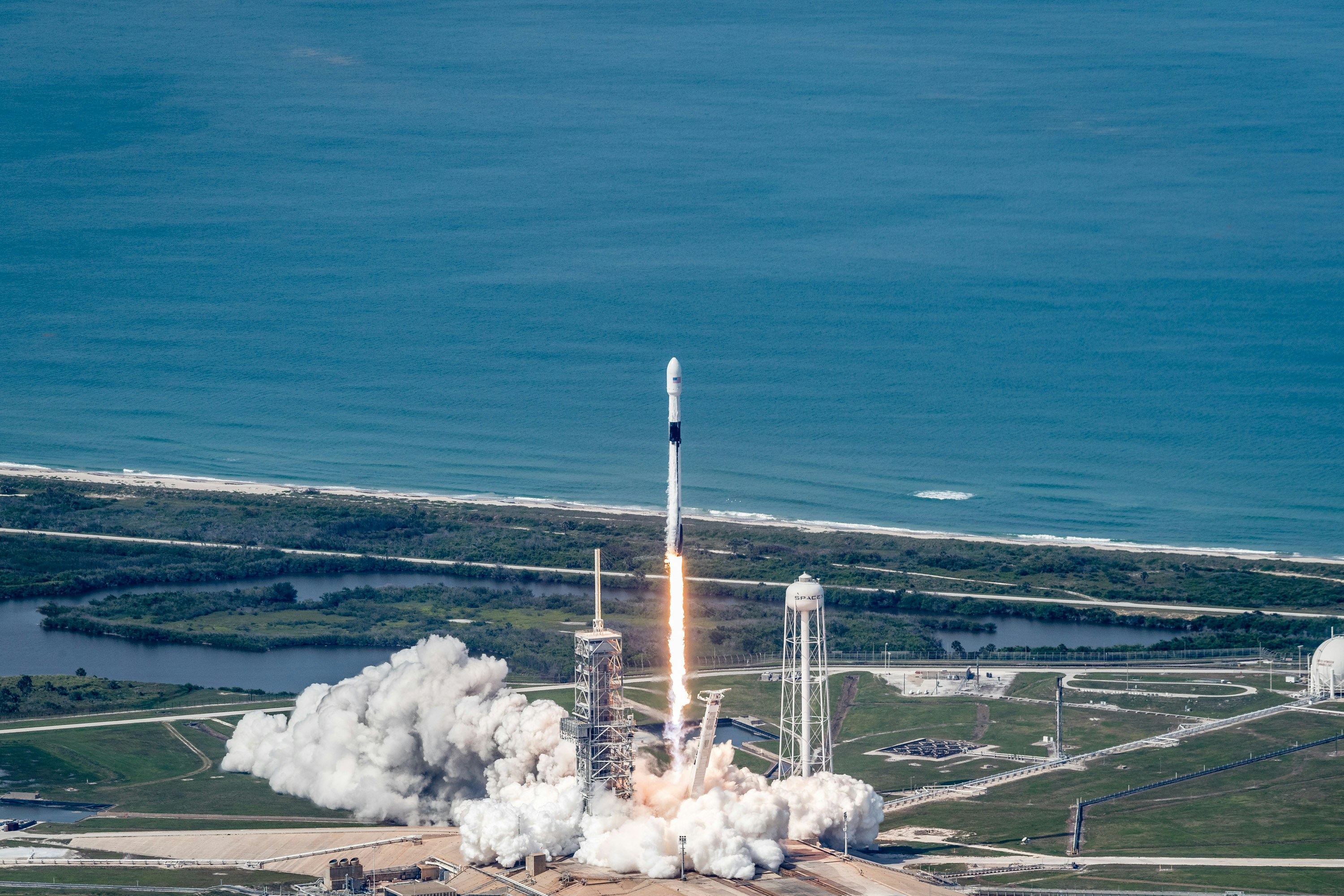
Starship receives FAA approval for its next test flight, while SpaceX prepares to launch more Starlink satellites amidst reaching 5 million subscribers.

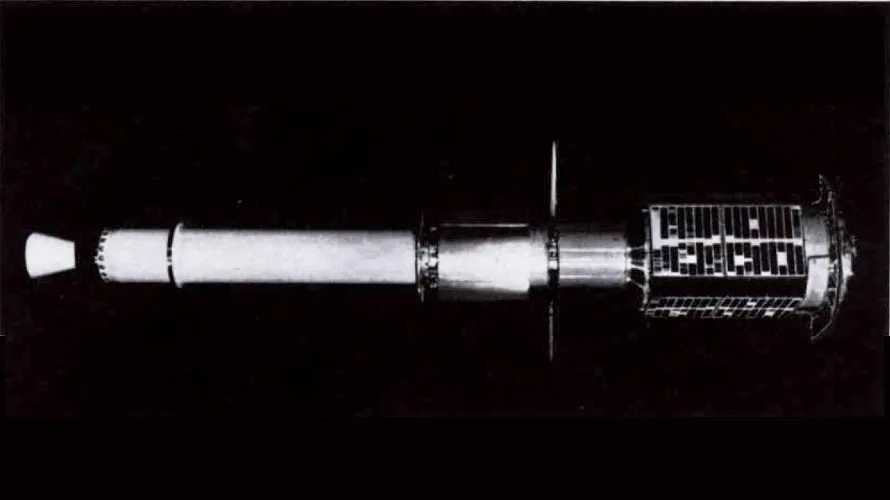
York Space raises $629M in IPO to expand satellite manufacturing. NRO declassifies Cold War-era JUMPSEAT spy satellites. Lockheed to boost THAAD interceptor production from 96 to 400 per year.
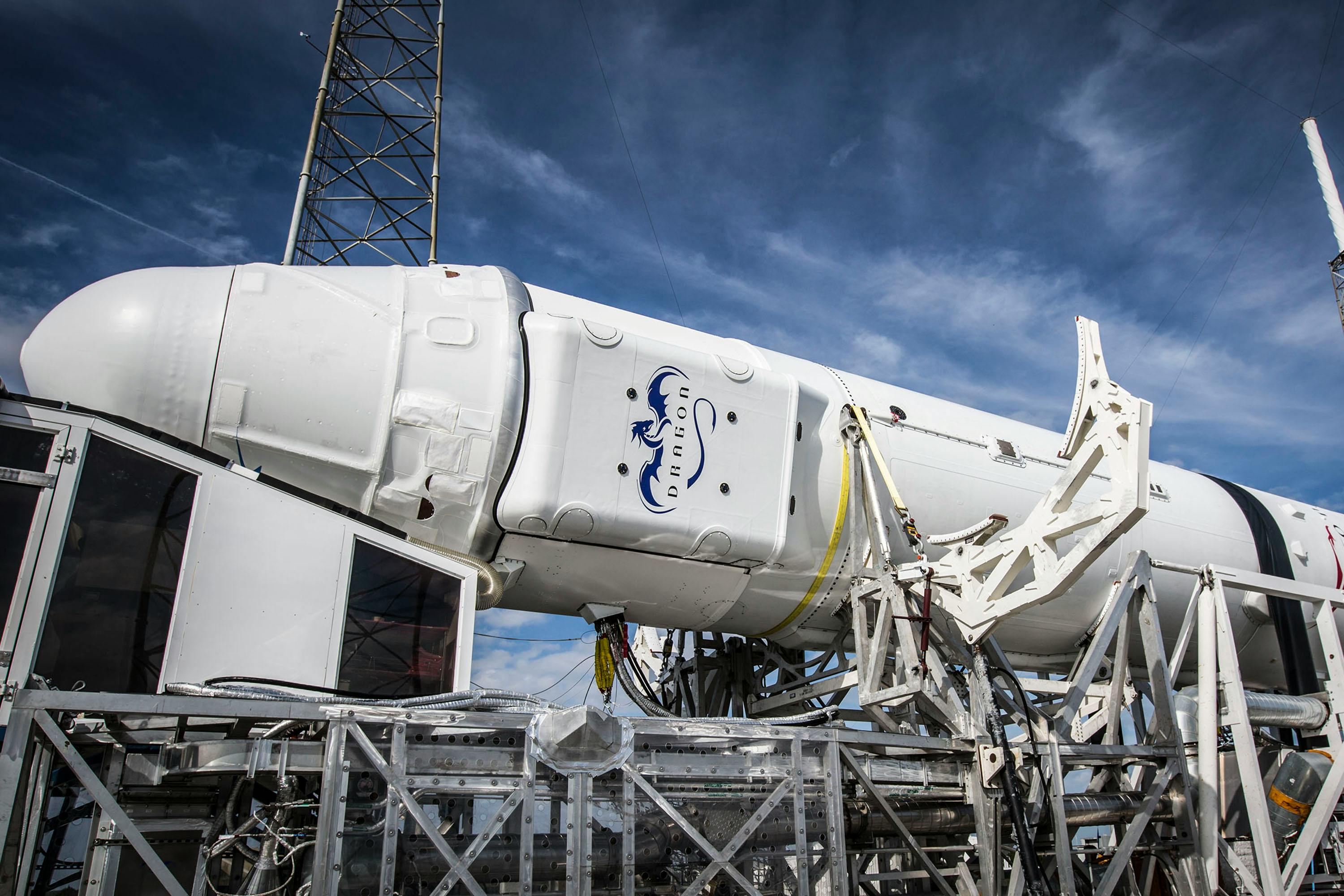
SpaceX successfully launches GPS satellite for Space Force — third consecutive GPS mission switched from ULA. EBAD demonstrates payload release module on Falcon 9 rideshare mission.
On April 27, 1961, a Scout rocket lifted a 37-kilogram NASA satellite into orbit from Wallops Island carrying the first serious instrument for detecting cosmic gamma rays. Explorer 11 operated for seven months before its tape recorder failed. In that time it registered 22 gamma-ray photons - a pitiful number by modern standards, but enough to launch an entire branch of astronomy.
SpaceX reveals plans for Florida Starship launches, NASA teams up for dual missions, and FCC boosts satellite connectivity.