


Space Brief 29 Mar 2025
Key military and technology developments in space; US Space Force and Army strategize national security with new rocket certifications and space training initiatives.


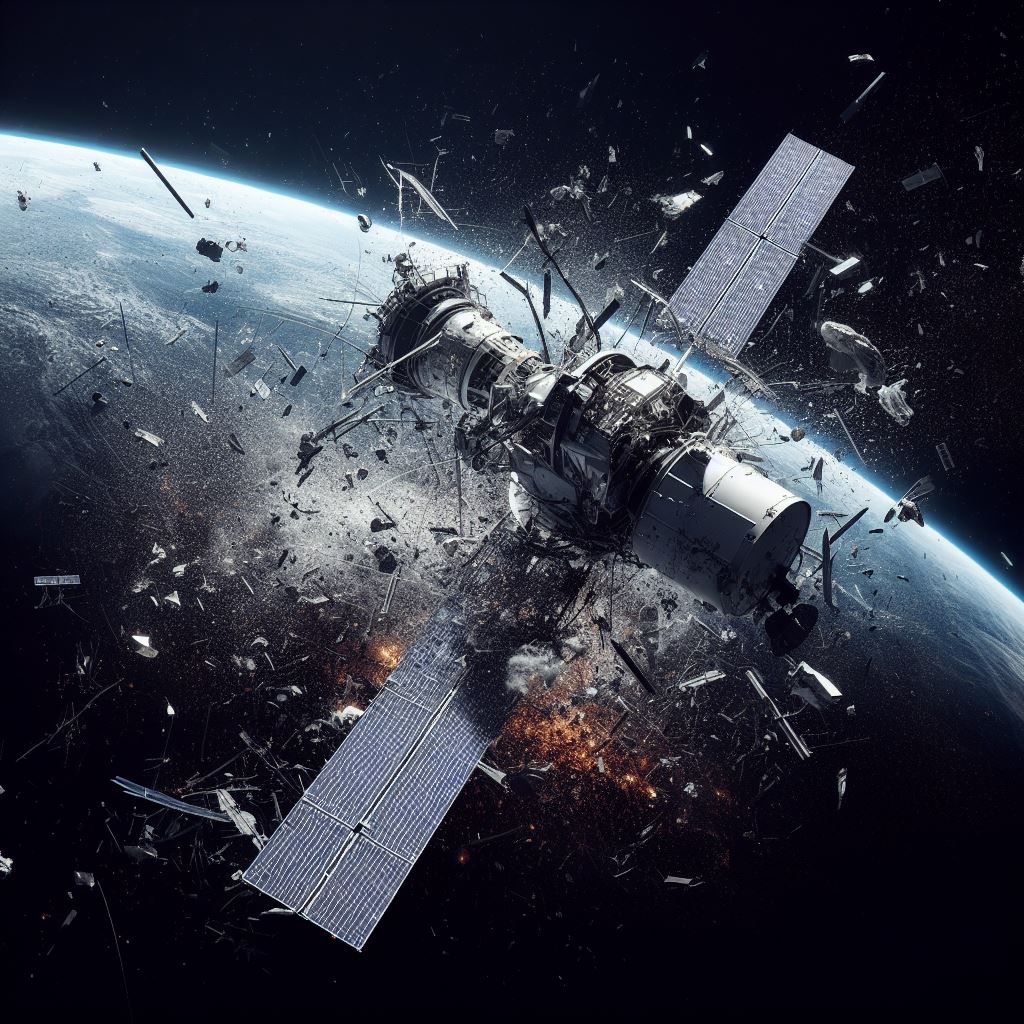
Launch Date
July 18, 2011
Launch Site
Launch Pad
LC45/1
Launch Vehicle
Zenit-3SLBF
NORAD ID
47113
International Designator
2011-037NJ
Decay Date
12/3/2024
Name
FREGAT DEB
Alternative Name
deb Fregat SBB
Type
Status
Owner
VVKOV
Country
Russia
Constellation
N/A
Related Satellites
Major Events
N/A
Length
0
Diameter
0
Span
0
Dry Mass
0
Launch Mass
0
Shape
N/A
Radar Cross Section
Unknown
Visual Magnitude
Unknown
Color
Unknown
Material Composition
Unknown
Payload
Unknown
Purpose
Unknown
Mission
Unknown
Manufacturer
NPOLO
Life Expectancy
Unknown
Bus
Unknown
Configuration
Unknown
Motor
Unknown
Equipment
Unknown
Power System
Unknown
ADCS
Unknown
Transmitter Frequency
Unknown
Learn more about satellites and other related topics.
Key military and technology developments in space; US Space Force and Army strategize national security with new rocket certifications and space training initiatives.

Today's briefing covers Rocket Lab's plans following a record-breaking year, efforts to recover NASA's MAVEN orbiter, and the potential relocation of space shuttle Discovery.
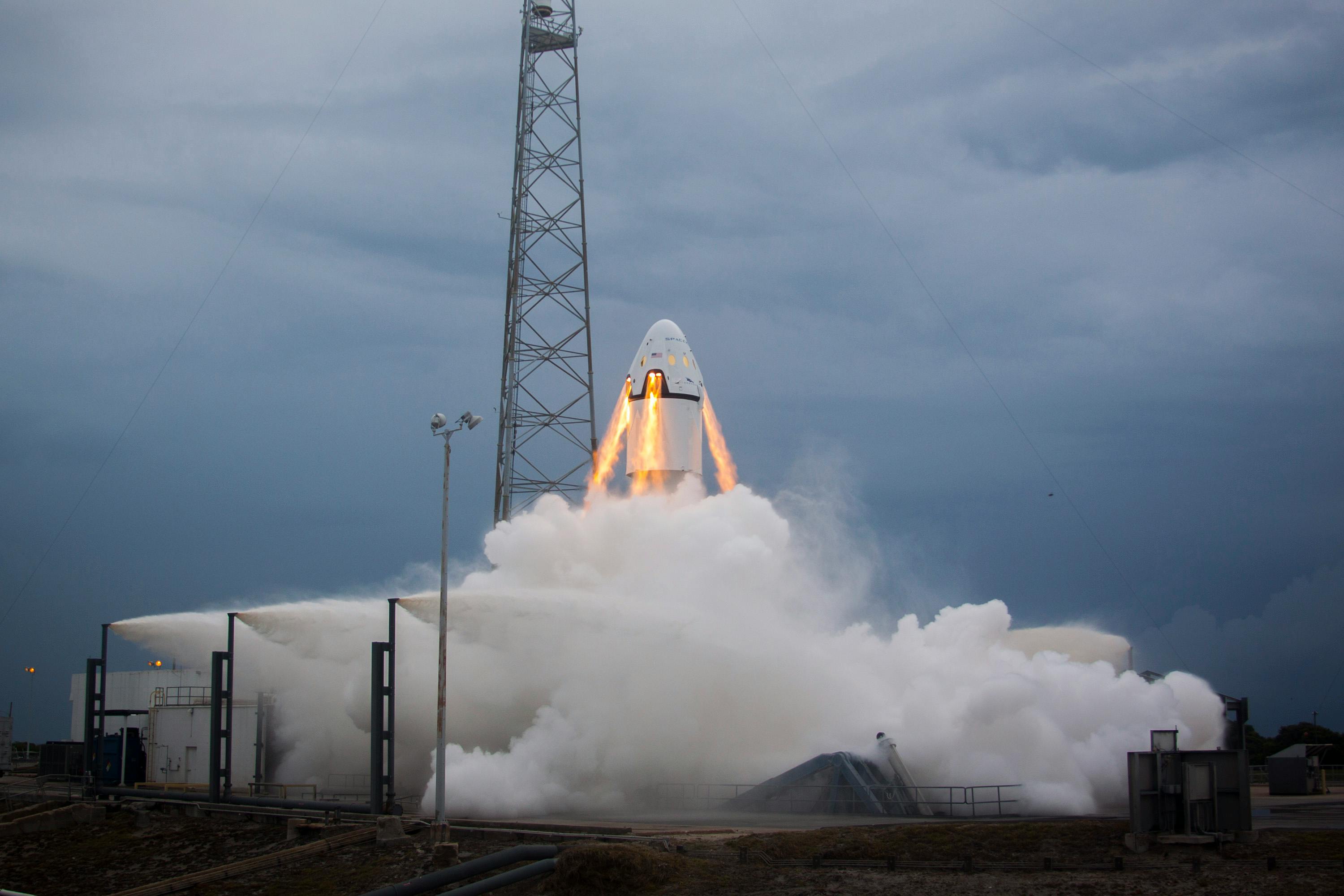
SpaceX secured a $178.5M Space Force contract to launch missile-tracking satellites from 2027, backing the Missile Track Custody threat-tracking layer.
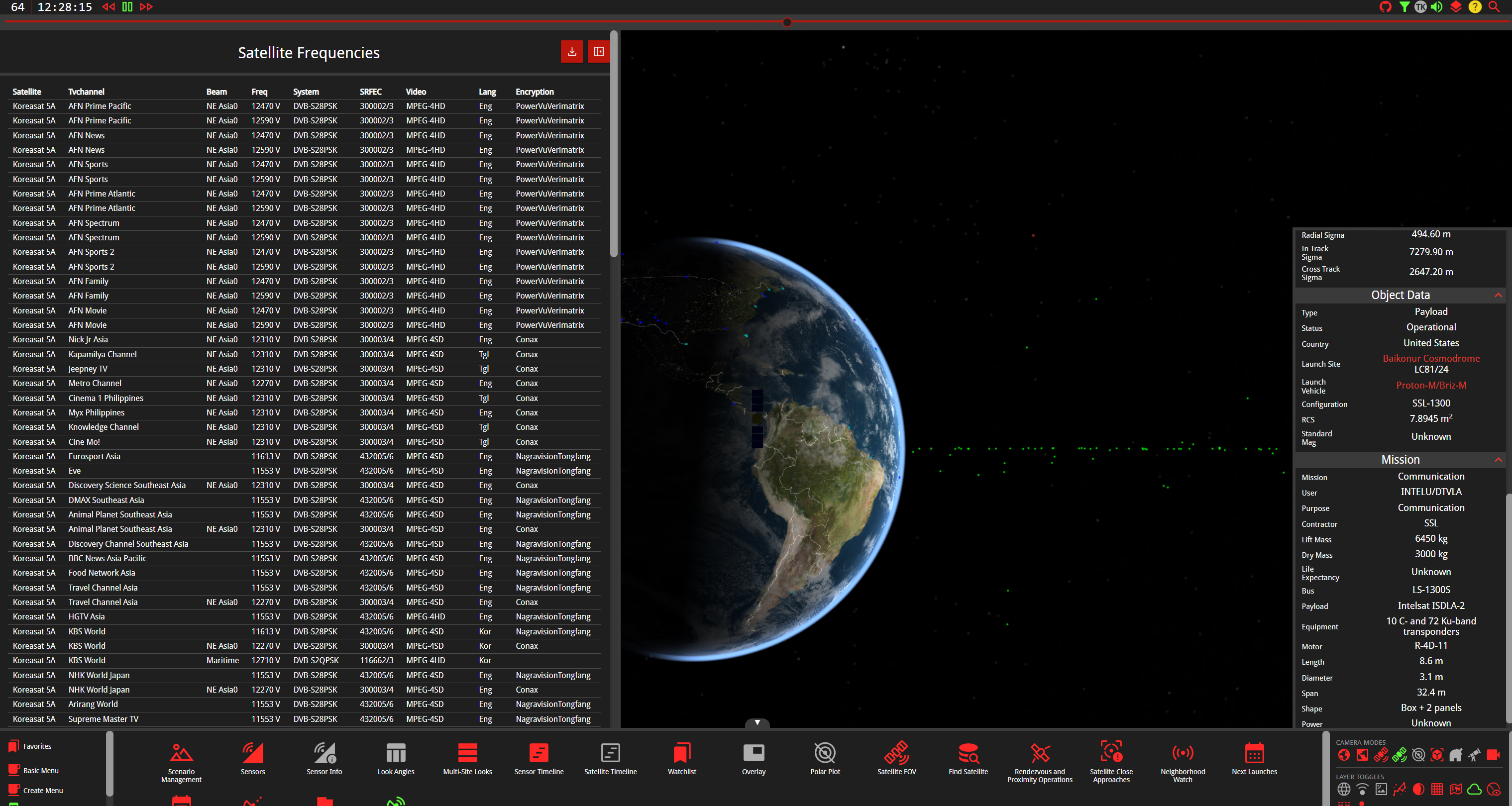
The workhorse frequency band that quietly powers satellite communications, weather radar, and Wi-Fi around the world
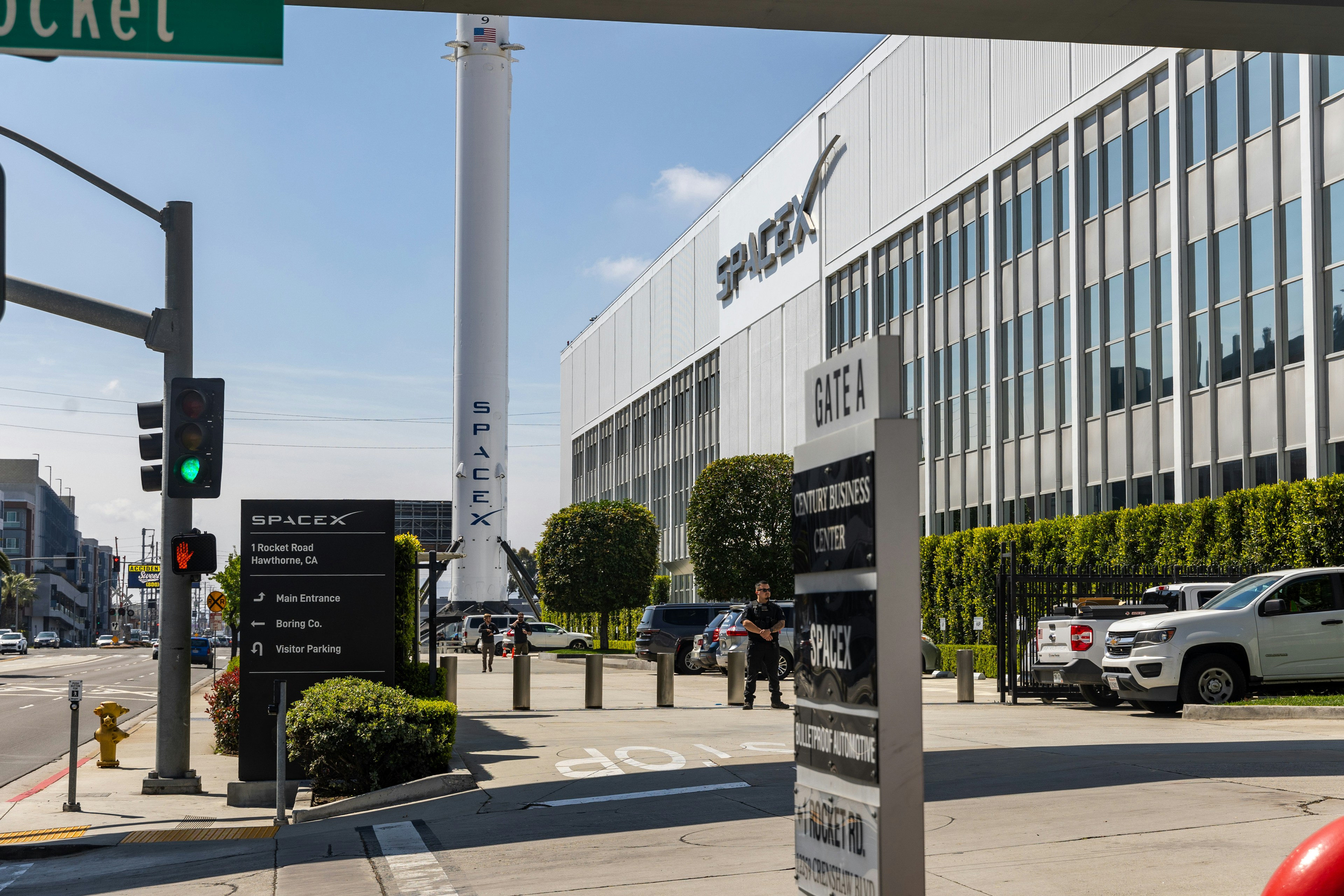
How many Starlink satellites are in orbit in 2026? SpaceX passed 10,000 after the Starlink 17-24 launch, with 10,020 in orbit and 11,529 launched.

AI tools outperform human planners in Air Force battle management experiment. DARPA pursues quantum computing interoperability. Canada's Atlantic Spaceport Complex gets environmental approval.

SpaceX's Starship gains military attention, a feather-light achievement, and a busy week for Falcon 9.
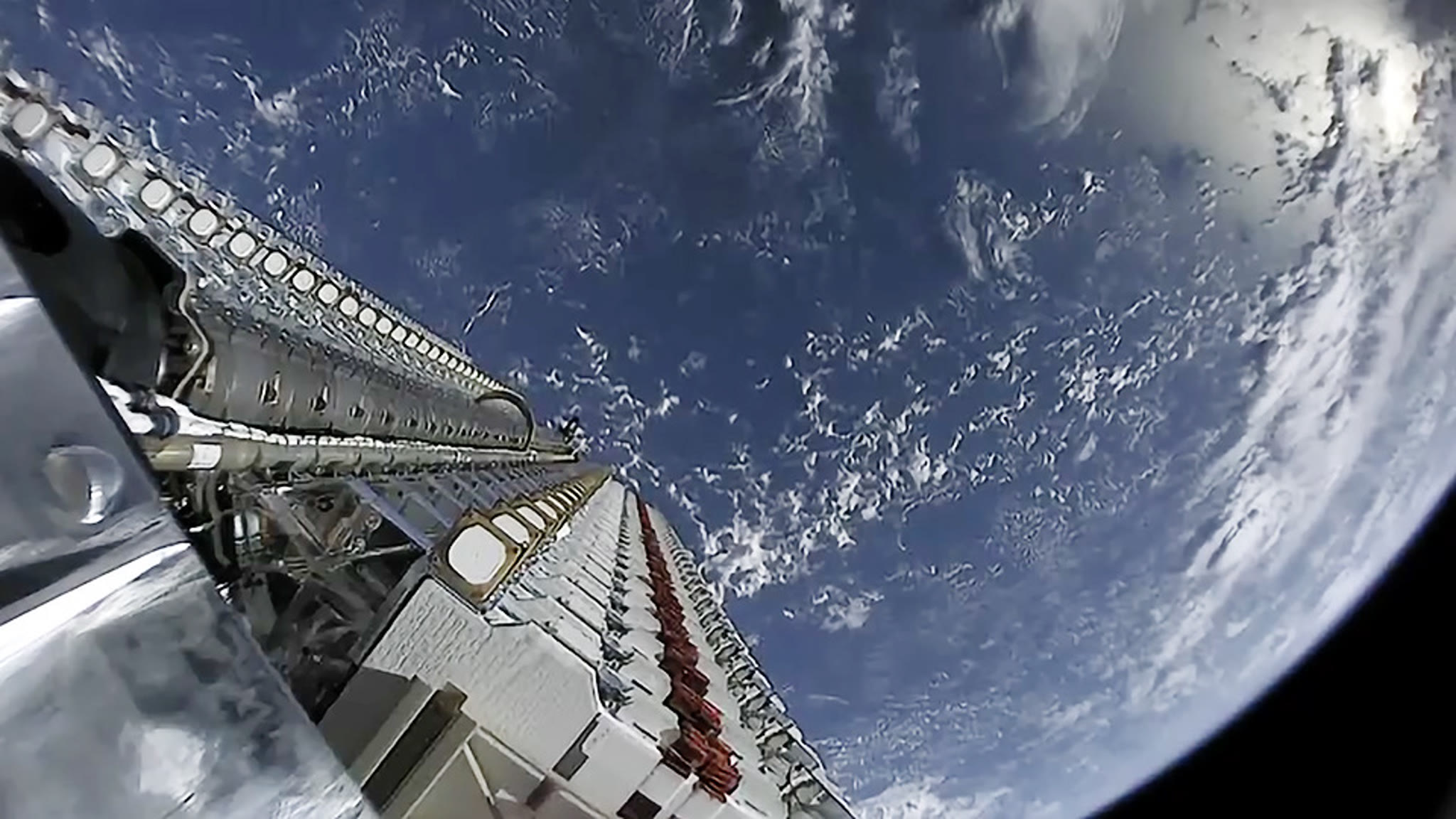
Starlink satellites fired their thrusters to dodge a collision roughly 300,000 times in 2025, about 822 times a day. Behind that number is a fragile, half-automated system of warnings, probabilities, and judgment calls that decides which close approaches are worth a maneuver and which are just noise.