


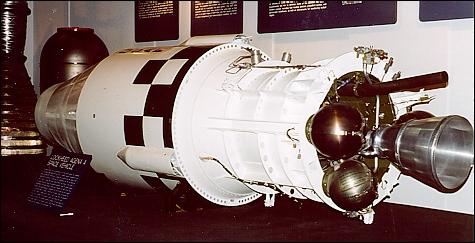
The Day America Pioneered Polar Orbits
Sixty-six years ago, a Thor-Agena rocket thundered into the California sky carrying Discoverer 1, the first satellite attempt at polar orbit and the secret vanguard of Americas space reconnaissance program



Launch Date
August 15, 1991
Launch Site
PLMSC
Launch Pad
LC32/2
Launch Vehicle
Tsiklon-3
NORAD ID
47082
International Designator
1991-056DG
Epoch
Thu, 02 Jul 2026 15:18:56 GMT
Apogee
Calculating...
Perigee
Calculating...
Inclination
82.62°
Right Ascension
160.56°
Eccentricity
Calculating...
Argument of Perigee
239.38°
Period
109.78 min
Mean Motion
13.12 rev/day
Latitude
Calculating...
Longitude
Calculating...
Altitude
Calculating...
Velocity
Calculating...
Name
SL-14 DEB
Alternative Name
deb S5M
Type
Status
Owner
RGMS
Country
Russia
Constellation
N/A
Related Satellites
Major Events
N/A
1 47082U 91056DG 26183.63815430 .00000227 00000-0 60064-3 0 9992
2 47082 82.6170 160.5583 0034449 239.3783 120.3938 13.11750156270706
Source: Celestrak
Length
0
Diameter
0
Span
0
Dry Mass
0
Launch Mass
0
Shape
N/A
Radar Cross Section
Unknown
Visual Magnitude
Unknown
Color
Unknown
Material Composition
Unknown
Payload
Unknown
Purpose
Unknown
Mission
Unknown
Manufacturer
Unknown
Life Expectancy
Unknown
Bus
Unknown
Configuration
Unknown
Motor
Unknown
Equipment
Unknown
Power System
Unknown
ADCS
Unknown
Transmitter Frequency
Unknown
Learn more about satellites and other related topics.
Sixty-six years ago, a Thor-Agena rocket thundered into the California sky carrying Discoverer 1, the first satellite attempt at polar orbit and the secret vanguard of Americas space reconnaissance program

Today's briefing covers the Space Force's plans for future launches, new initiatives in missile defense, and the latest on military and aerospace advancements.
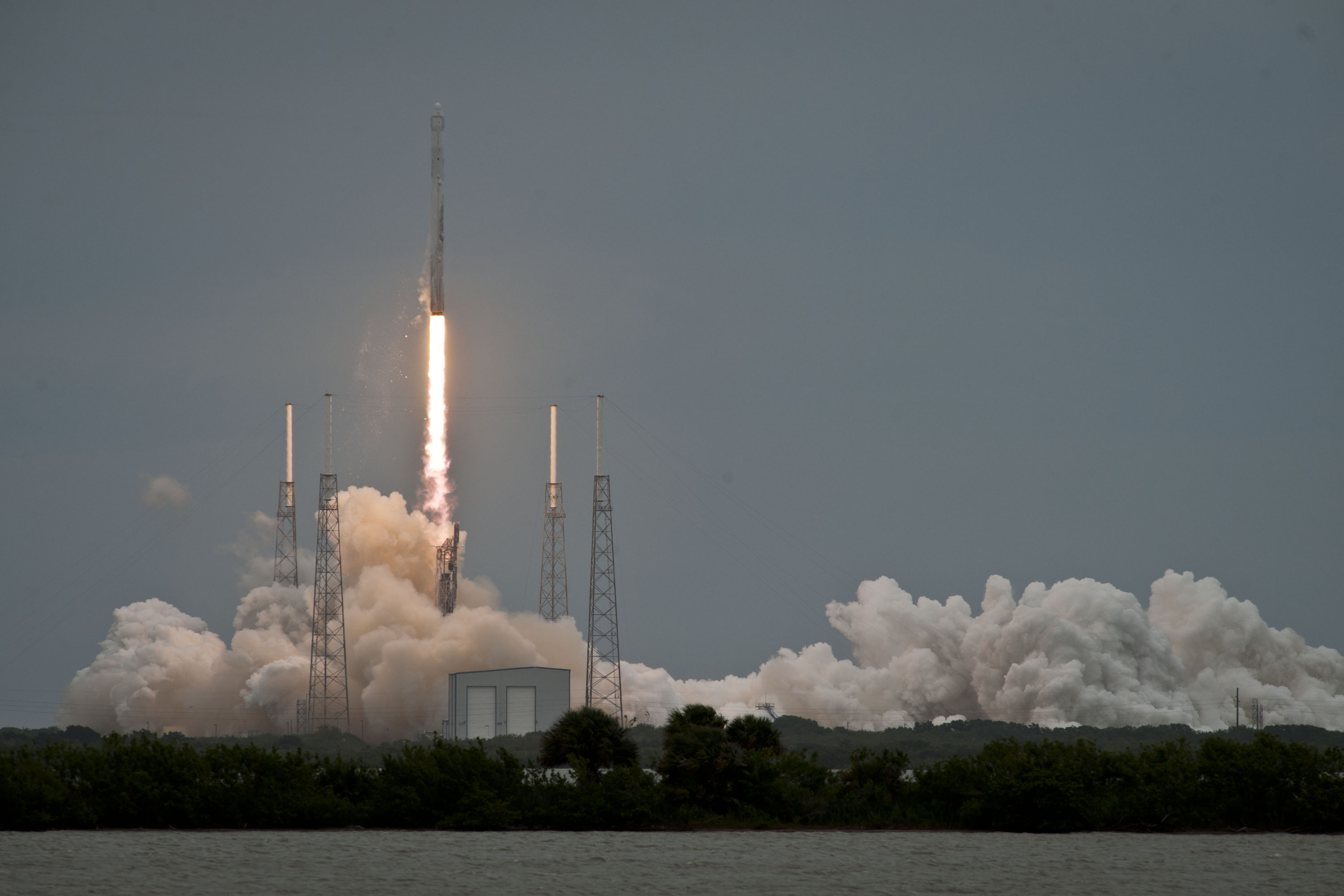
On April 18, 2014, a Falcon 9 first stage did something no orbital rocket had ever done before. It fired its engines on the way down, steered itself through the atmosphere using grid fins that did not yet exist, and touched the Atlantic Ocean softly enough to survive the impact. Nobody recovered it. The data was the whole point.
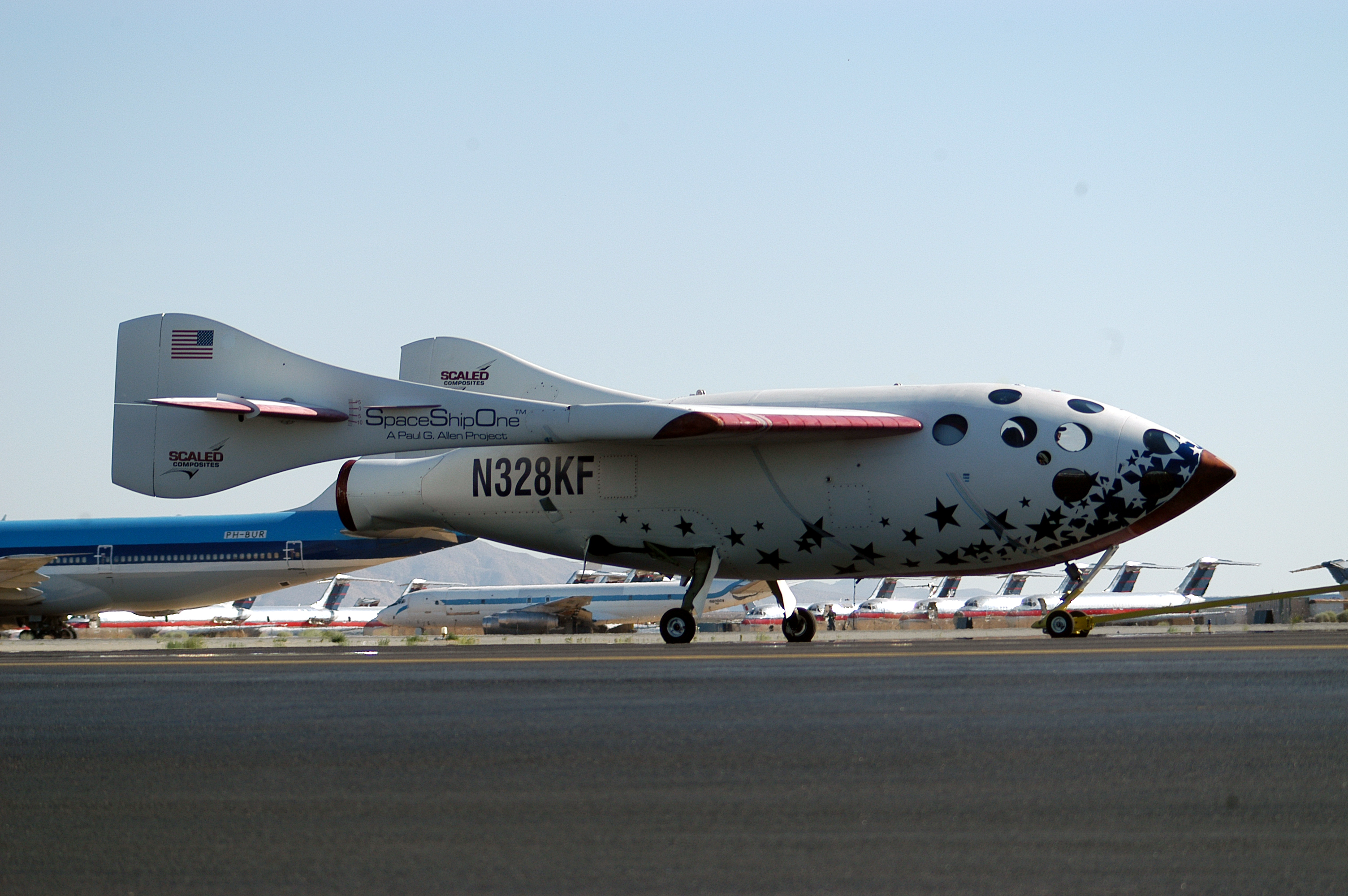
On 21 June 2004, a 63-year-old test pilot rode a homebuilt rocket plane to 100,124 meters above the Mojave Desert, clearing the edge of space by about the length of a city block. He came down the first private astronaut in history, holding a sign that read 'SpaceShipOne, GovernmentZero.'

Exploring new defense agreements with Eutelsat, advances in U.S. Space Force projects, and updates on NATO's strategic discussions.
Today's briefing covers collaborations enhancing defense capabilities, new satellite technologies entering the market, and strategic shifts in military satellite applications.
Today's highlights include SpaceX's 300th Starlink launch, NASA re-establishing contact with a TRACERS satellite, and budget concerns impacting the commercial remote sensing industry.
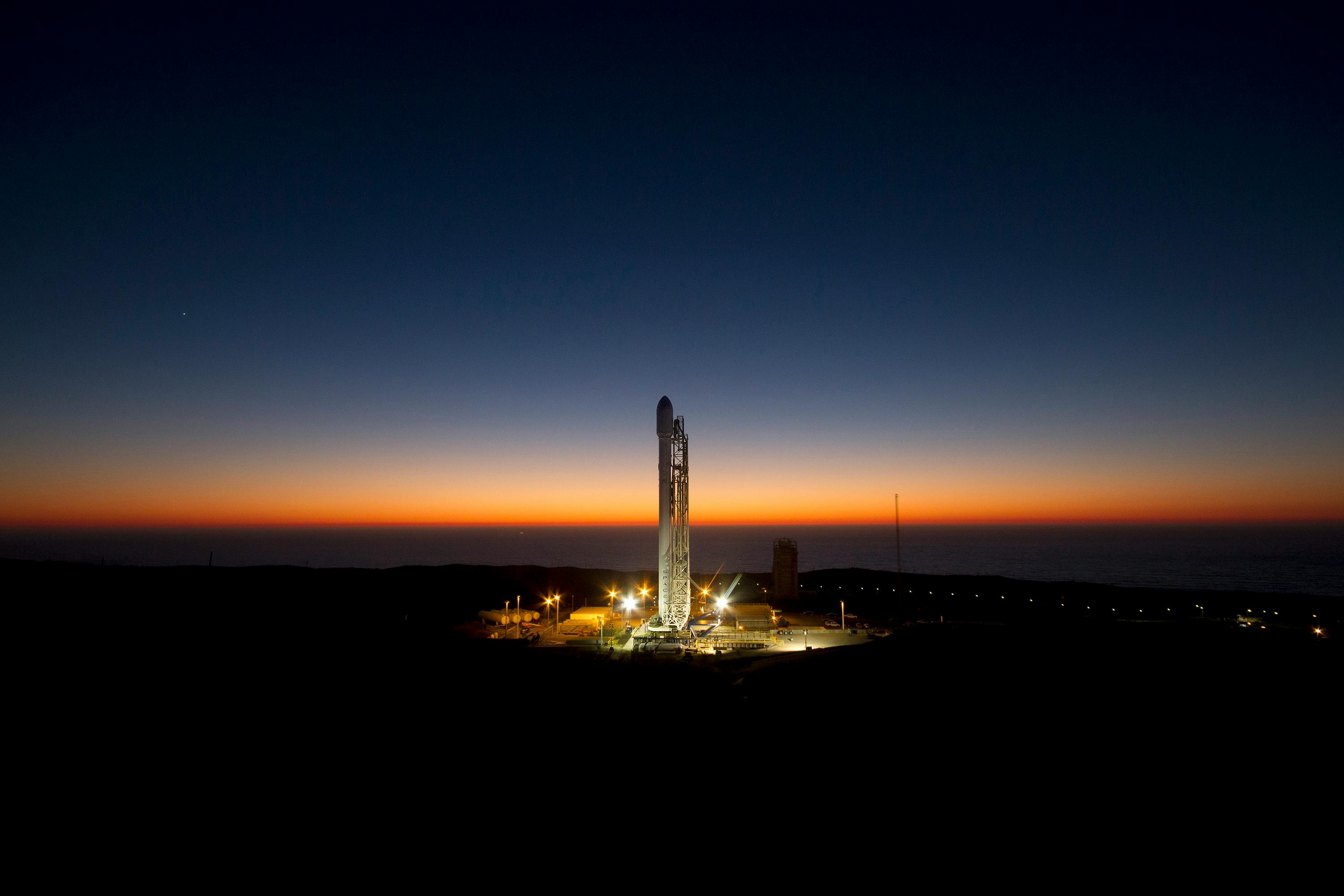
SpaceX accelerates Block 3 Starship pad work at Starbase as Russia preps Soyuz-5 debut alongside Falcon 9 internet satellite launches.