


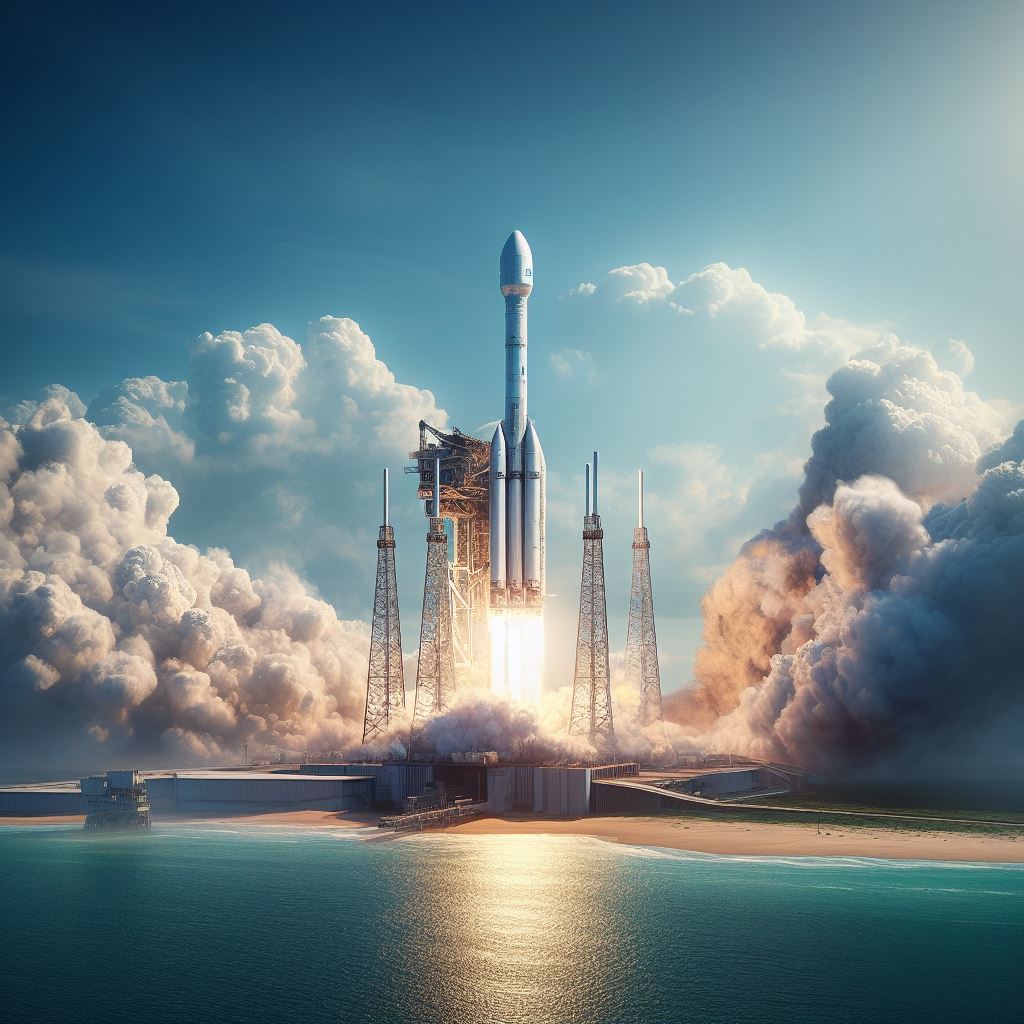
The Rise of Super Heavy-Lift Rockets
Super heavy-lift rockets are the most powerful launch vehicles ever built. They can send humans and cargo to the Moon, Mars, and beyond. But what are they, and why are they so important?



Launch Date
May 10, 1999
Launch Site
TAISC
Launch Pad
LC7
Launch Vehicle
Chang Zheng 4B
NORAD ID
47012
International Designator
1999-025FAN
Epoch
Sun, 28 Jun 2026 09:27:16 GMT
Apogee
Calculating...
Perigee
Calculating...
Inclination
98.73°
Right Ascension
47.44°
Eccentricity
Calculating...
Argument of Perigee
253.30°
Period
104.49 min
Mean Motion
13.78 rev/day
Latitude
Calculating...
Longitude
Calculating...
Altitude
Calculating...
Velocity
Calculating...
Name
FENGYUN 1C DEB
Alternative Name
deb FY-1C *
Type
Status
Owner
CASC
Country
China
Constellation
N/A
Related Satellites
Major Events
N/A
1 47012U 99025FAN 26179.39394088 .00000393 00000-0 39156-3 0 9990
2 47012 98.7319 47.4368 0161290 253.3041 105.0356 13.78103811572953
Source: Celestrak
Length
0
Diameter
0
Span
0
Dry Mass
0
Launch Mass
0
Shape
N/A
Radar Cross Section
Unknown
Visual Magnitude
Unknown
Color
Unknown
Material Composition
Unknown
Payload
Unknown
Purpose
Unknown
Mission
Unknown
Manufacturer
Unknown
Life Expectancy
Unknown
Bus
Unknown
Configuration
Unknown
Motor
Unknown
Equipment
Unknown
Power System
Unknown
ADCS
Unknown
Transmitter Frequency
Unknown
Learn more about satellites and other related topics.
Super heavy-lift rockets are the most powerful launch vehicles ever built. They can send humans and cargo to the Moon, Mars, and beyond. But what are they, and why are they so important?

Today's briefing covers strategic military developments including missile defense proposals and board realignments, intertwined with rising space defense exports and autonomous launcher progress.
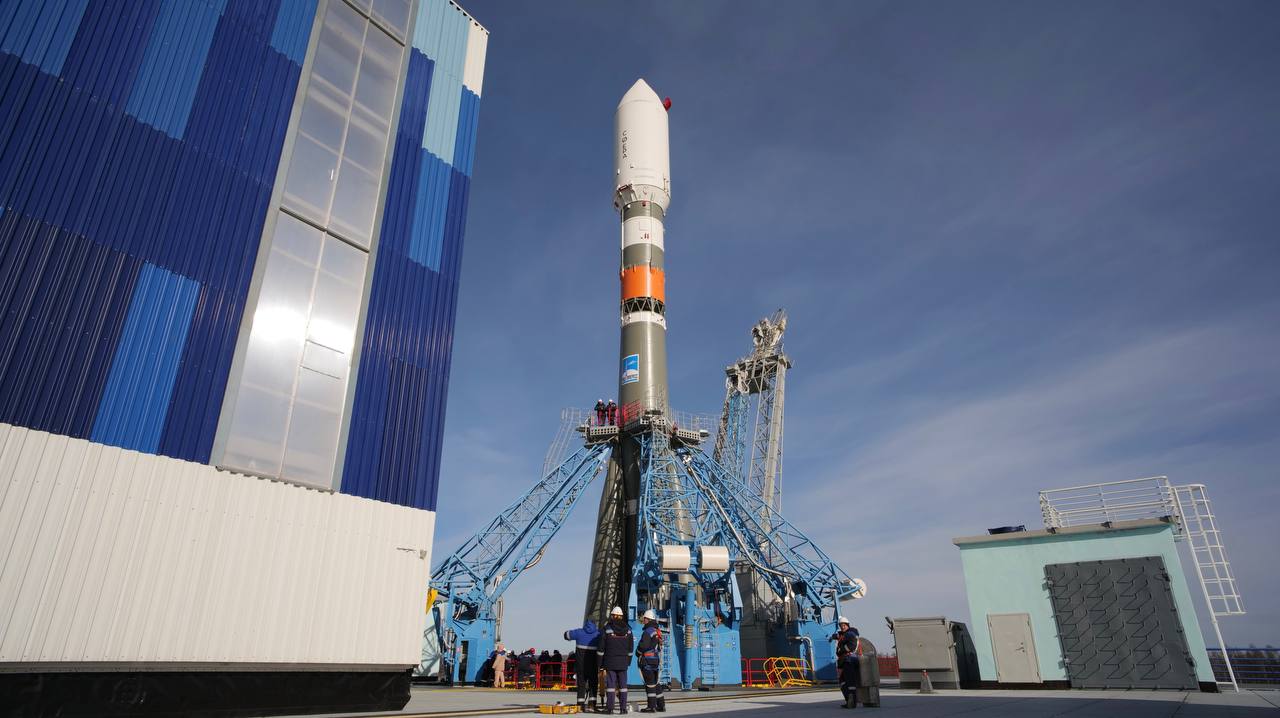
Today's brief covers influential space events including Space Force's interest in Starship, U.S. military constellation advancements, and technological developments in counter-drone capabilities.

Today's coverage includes the cancellation of DARPA's DRACO nuclear propulsion project, global shifts in Earth observation strategy, and new developments in satellite technology and military collaborations.
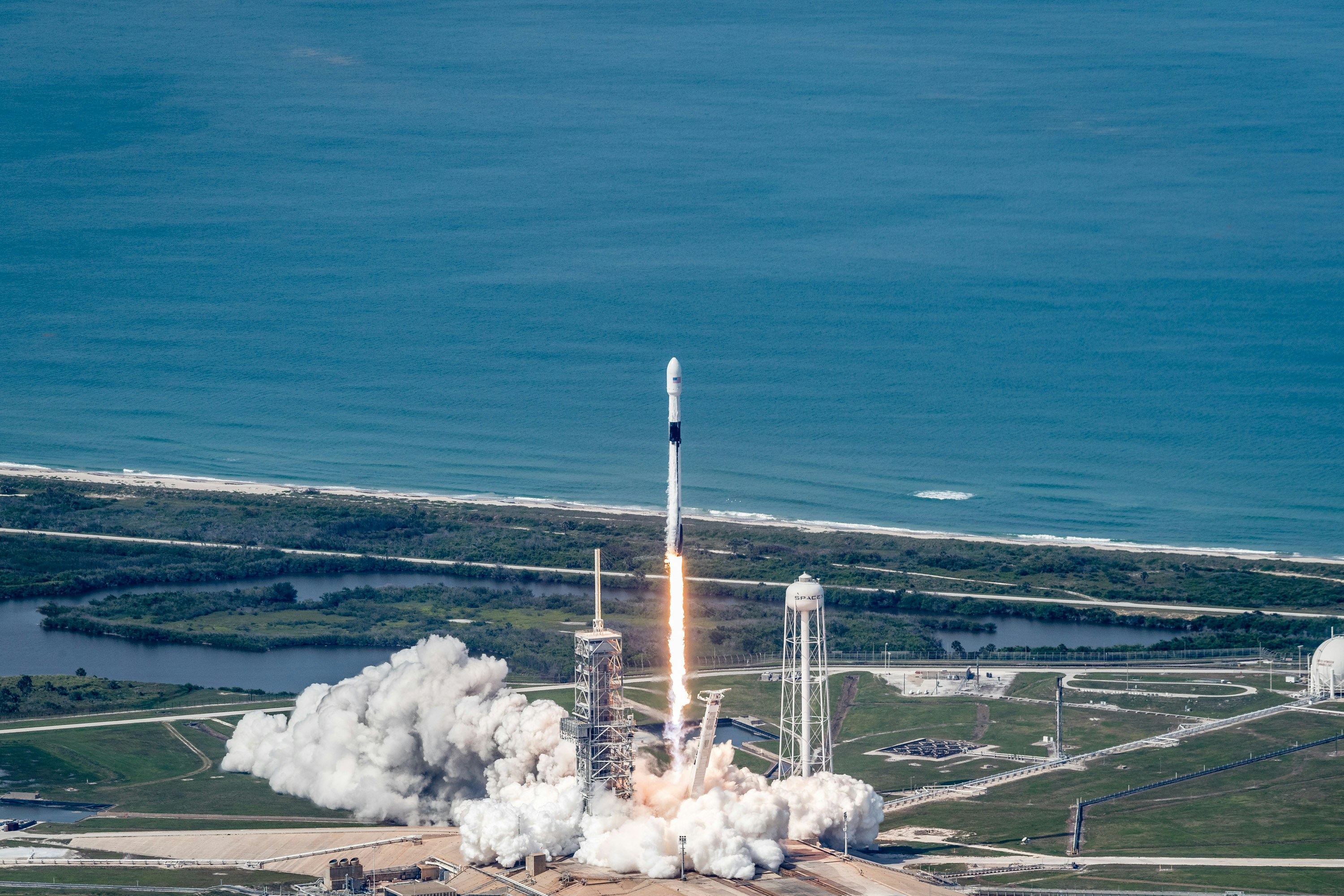
SpaceX conducted multiple successful launches this week, adding to its Starlink constellation and marking significant milestones in its ongoing missions.

Today's brief covers the first astronaut with a disability preparing for the ISS mission, SpaceX’s recent Starlink launch, funding breakthroughs for satellite tech company K2 Space, and updates on the Artemis program's challenges.

On May 4, 1989, Space Shuttle Atlantis lifted off from LC-39B carrying Magellan, NASA's first interplanetary mission since 1978. The eleven-year drought ended in a payload bay, and the radar that emerged would map ninety-eight percent of Venus through clouds that no camera could ever see through.
Today's highlights include SpaceX's rapid response GPS launch, Raytheon's new rocket motor test, and Starlink's revenue surge. Plus, the Space Force's modernization push.