



Space Brief 17 Jan 2025
Today's brief covers developments involving Space Force officials, Sierra Space's satellite milestone, and Voyager Space's rebranding for national security focus. Additionally, we spotlight the Cosmos 447 satellite.



Launch Date
October 23, 1970
Launch Site
Launch Pad
LC90/20
Launch Vehicle
Tsiklon-2
NORAD ID
04699
International Designator
1970-089R
Epoch
Sat, 04 Jul 2026 05:42:01 GMT
Apogee
Calculating...
Perigee
Calculating...
Inclination
62.92°
Right Ascension
17.27°
Eccentricity
Calculating...
Argument of Perigee
199.93°
Period
97.32 min
Mean Motion
14.80 rev/day
Latitude
Calculating...
Longitude
Calculating...
Altitude
Calculating...
Velocity
Calculating...
Name
COSMOS 374 DEB
Alternative Name
deb Kosmos-374
Type
Status
Owner
PKO
Country
USSR
Constellation
N/A
Related Satellites
Major Events
N/A
1 04699U 70089R 26185.23751666 .00015703 00000-0 15574-2 0 9990
2 04699 62.9160 17.2672 0187998 199.9323 159.4356 14.79644658714310
Source: Celestrak
Length
0
Diameter
0
Span
0
Dry Mass
0
Launch Mass
0
Shape
N/A
Radar Cross Section
0.0564
Visual Magnitude
Unknown
Color
Unknown
Material Composition
Unknown
Payload
Unknown
Purpose
Unknown
Mission
Unknown
Manufacturer
Unknown
Life Expectancy
Unknown
Bus
Unknown
Configuration
Unknown
Motor
Unknown
Equipment
Unknown
Power System
Unknown
ADCS
Unknown
Transmitter Frequency
Unknown
Learn more about satellites and other related topics.
Today's brief covers developments involving Space Force officials, Sierra Space's satellite milestone, and Voyager Space's rebranding for national security focus. Additionally, we spotlight the Cosmos 447 satellite.

SpaceX set to launch 11,000th Starlink satellite on Starlink 17-19 from Vandenberg. NASA moves Crew-12 launch to Feb 11 after ISS medical evacuation. Starship V3 targets mid-March first flight.
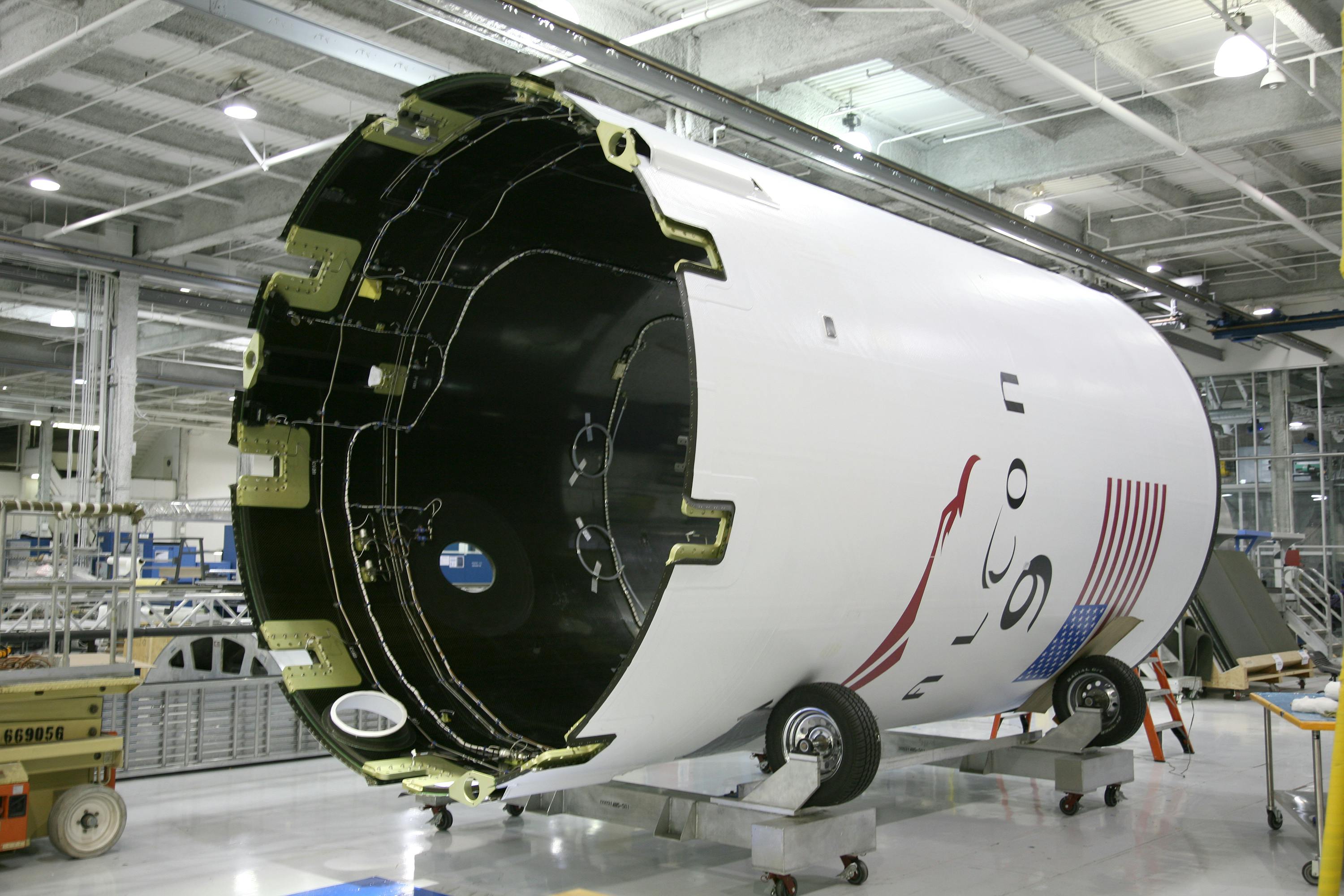
SpaceX successfully launched 28 Starlink satellites from Florida, marking a significant milestone in their deployment strategy. This follows the recent launch of 26 satellites from California, highlighting ongoing expansion efforts.
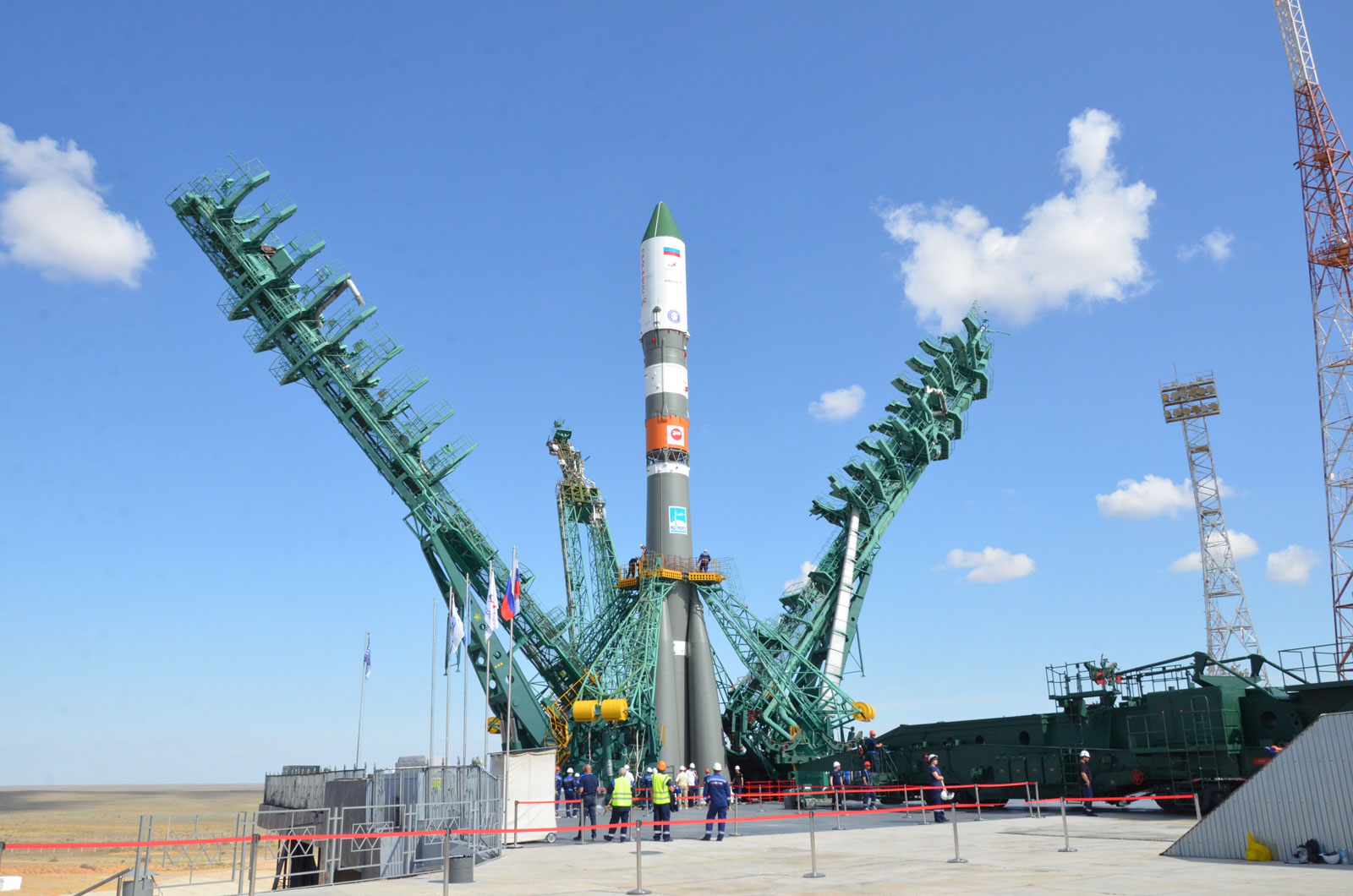
Today's brief covers potential shifts in Space Force's strategy, new milestones in military satellite programs, and advancements in ground systems for missile defense. We'll also highlight Rocket Lab's latest contract win and critical design reviews in drone technology.

The White House wants to cut NASA's science budget nearly in half for the second year running. Administrator Jared Isaacman says it's enough. Congress already rejected this exact idea once.
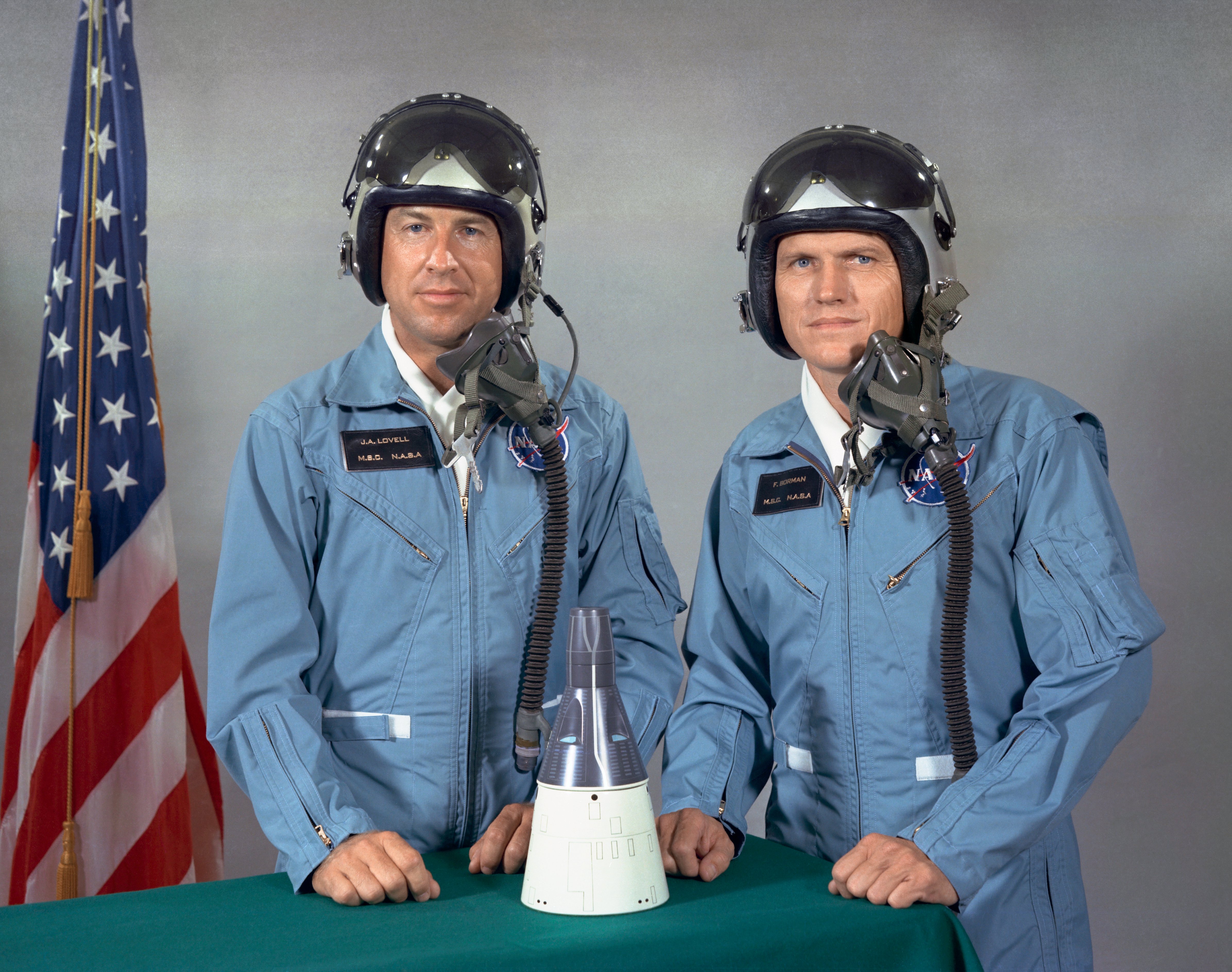
Sixty years ago, Frank Borman and James Lovell launched aboard Gemini 7 for a grueling 14-day mission that would prove humans could endure the journey to the moon and achieve the first true rendezvous in space
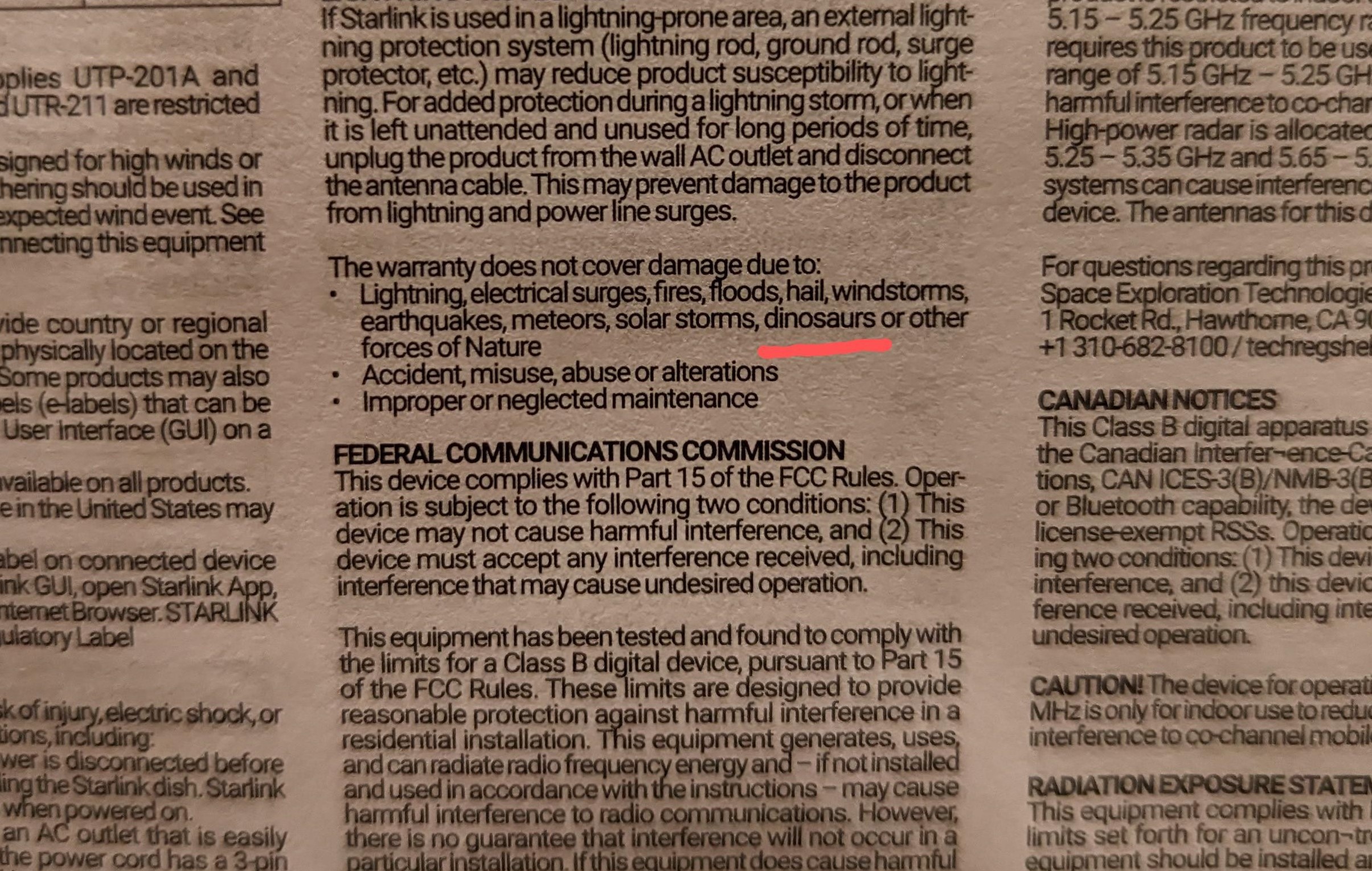
Discover the hidden gems and lesser-known aspects of SpaceX's revolutionary Starlink satellite internet service, from Easter eggs to advanced technical features.

Space Force confirmed 9 companies won orbital Air Moving Target Indication contracts. Capability shifts airborne surveillance to satellites for expanded coverage and survivability.