


Space Brief 10 Jun 2025
Today's brief covers increased Space Force funding, a renewed focus on nuclear power in space, a proposed US missile defense system, new defense budget revelations, and NATO's call for increased air defenses.


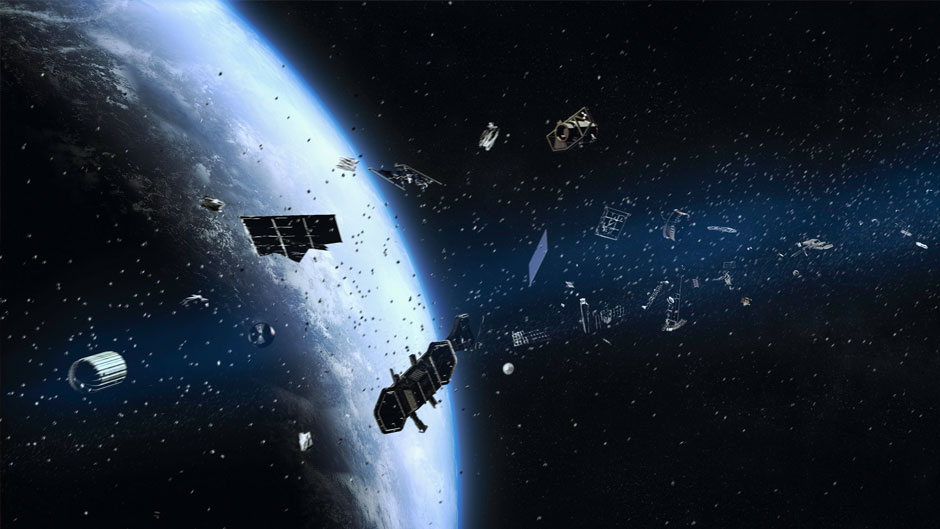
Launch Date
October 17, 2018
Launch Site
Launch Pad
SLC41
Launch Vehicle
Atlas V 551
NORAD ID
46851
International Designator
2018-079DG
Epoch
Sun, 17 Jan 2021 19:40:52 GMT
Apogee
Calculating...
Perigee
Calculating...
Inclination
11.12°
Right Ascension
241.64°
Eccentricity
Calculating...
Argument of Perigee
326.64°
Period
731.51 min
Mean Motion
1.97 rev/day
Latitude
Calculating...
Longitude
Calculating...
Altitude
Calculating...
Velocity
Calculating...
Name
ATLAS 5 CENTAUR DEB
Alternative Name
deb Centaur AV-073
Type
Status
Owner
ULAL
Country
United States
Constellation
N/A
Related Satellites
Major Events
N/A
1 46851U 18079DG 21016.82004696 -.00000086 00000-0 00000+0 0 9998
2 46851 11.1242 241.6438 4031806 326.6431 13.4583 1.96853897 1508
Source: Celestrak
Length
0
Diameter
0
Span
0
Dry Mass
0
Launch Mass
0
Shape
N/A
Radar Cross Section
Unknown
Visual Magnitude
Unknown
Color
Unknown
Material Composition
Unknown
Payload
Unknown
Purpose
Unknown
Mission
Unknown
Manufacturer
ULAD
Life Expectancy
Unknown
Bus
Unknown
Configuration
Unknown
Motor
Unknown
Equipment
Unknown
Power System
Unknown
ADCS
Unknown
Transmitter Frequency
Unknown
Learn more about satellites and other related topics.
Today's brief covers increased Space Force funding, a renewed focus on nuclear power in space, a proposed US missile defense system, new defense budget revelations, and NATO's call for increased air defenses.

As Ukraine explores alternatives to SpaceX's Starlink, the potential adoption of Eutelsat OneWeb's satellite network raises critical questions about connectivity, resilience, and strategic autonomy.
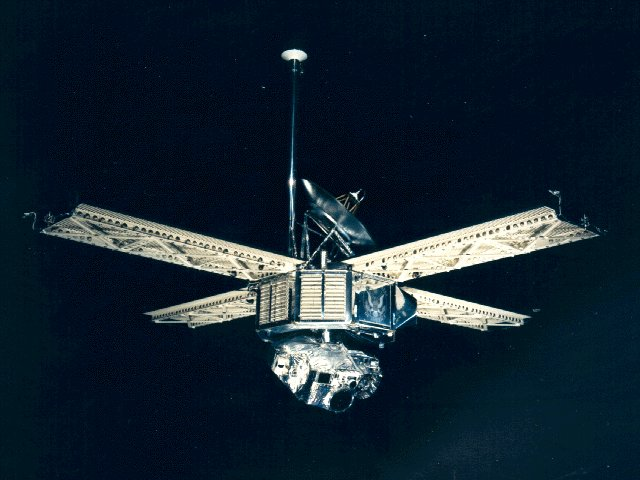
Fifty-six years ago, a revolutionary spacecraft launched toward the Red Planet after being saved from disaster by two quick-thinking technicians who risked their lives to prevent a rocket collapse

SpaceX marks a successful launch of 21 Starlink satellites, follows up after Starship explosion, and influences Qantas flights amid a busy operational schedule.

Crew-11 astronauts arrive in Houston following first-ever ISS medical evacuation. Starlink continues robust satellite deployment schedule with ongoing constellation expansion.
GAO warns SDA missile-tracking satellite program overestimates tech readiness. SPACECOM pushes expanded on-orbit warfighting exercises. Congress advocates for enhanced GPS anti-jam capabilities.
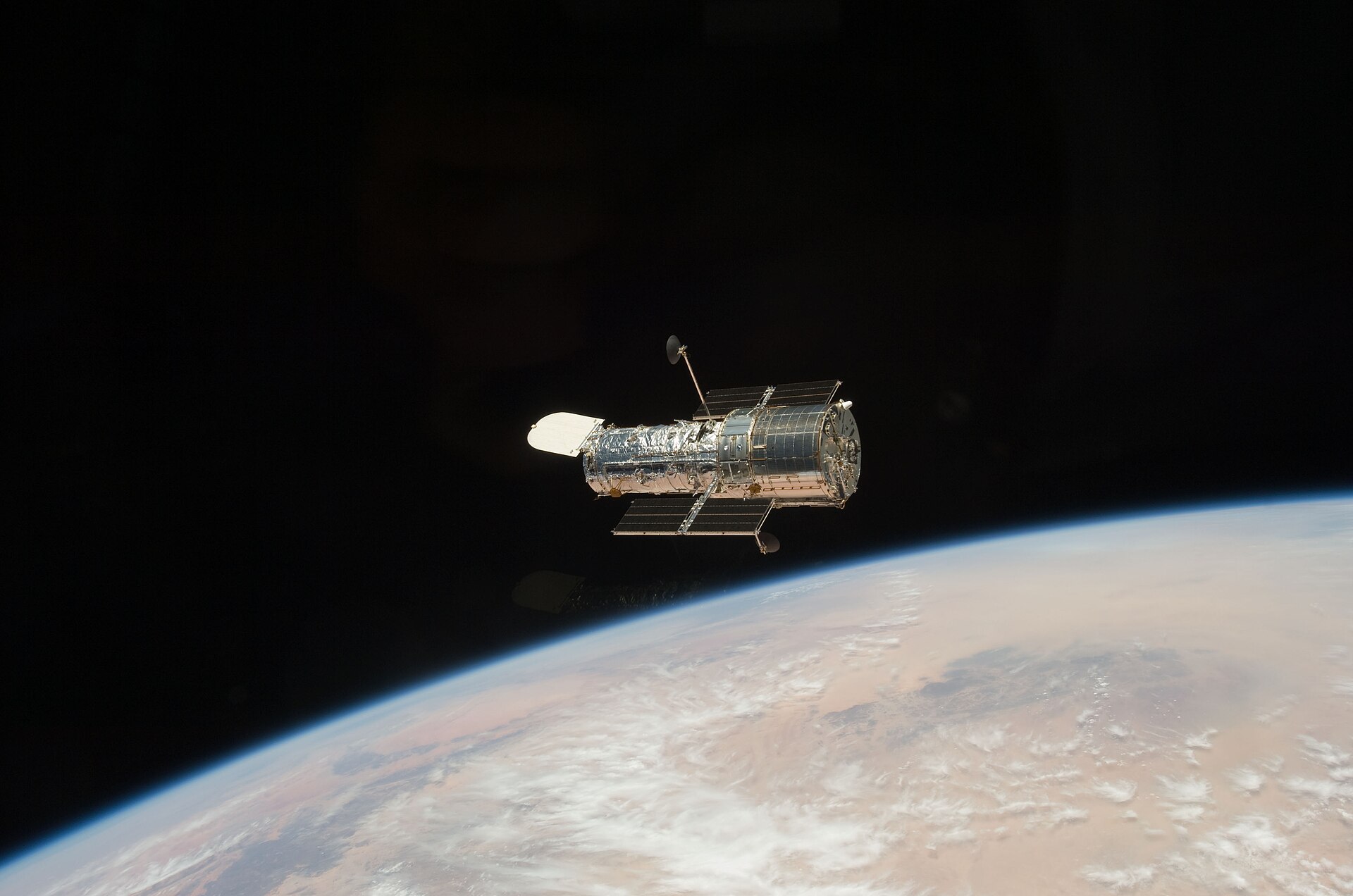
On April 25, 1990, the Space Shuttle Discovery's robotic arm lifted a 11,110-kilogram barrel of mirrors and instruments out of the payload bay and released it into orbit. Six weeks later, the first images came back badly out of focus. The Hubble Space Telescope had been ground to the wrong prescription, and America had just spent $2.5 billion on what the press was calling a 'technoturkey.'
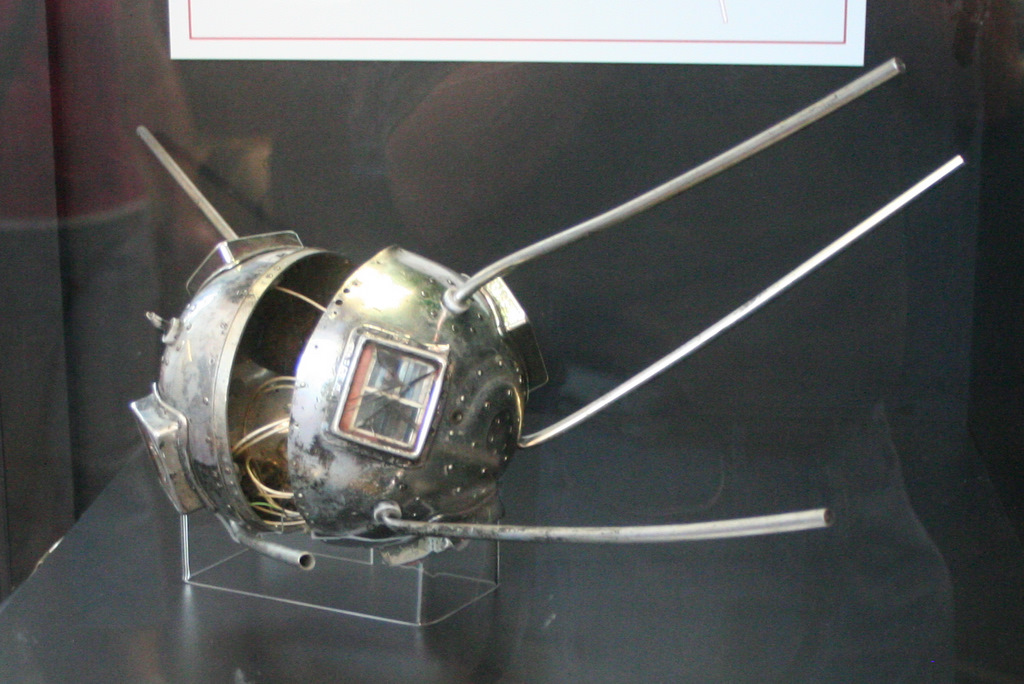
Sixty-eight years ago, America's first satellite exploded on the launchpad in front of the entire world. But from the ashes of Vanguard TV-3 came the determination that would eventually win the Space Race.