


X Report 29 Nov 2024
SpaceX advances Starship development while planning future replacements for Falcon and Dragon.



Launch Date
October 24, 2020
Launch Site
Launch Pad
LC40
Launch Vehicle
NORAD ID
46794
International Designator
2020-074BH
Epoch
Sat, 04 Jul 2026 00:01:37 GMT
Apogee
Calculating...
Perigee
Calculating...
Inclination
53.04°
Right Ascension
88.20°
Eccentricity
Calculating...
Argument of Perigee
193.59°
Period
91.42 min
Mean Motion
15.75 rev/day
Latitude
Calculating...
Longitude
Calculating...
Altitude
Calculating...
Velocity
Calculating...
Name
STARLINK-1942
Alternative Name
Starlink 1942
Type
Status
Owner
SPXS
Country
United States
Constellation
N/A
Related Satellites
Major Events
N/A
1 46794U 20074BH 26185.00113007 .00150078 00000-0 96773-3 0 9993
2 46794 53.0377 88.2048 0002572 193.5911 166.5039 15.75191047315214
Source: Celestrak
Length
0.2
Diameter
2.8
Span
9
Dry Mass
248
Launch Mass
260
Shape
Box + pan
Radar Cross Section
Unknown
Visual Magnitude
Unknown
Color
Unknown
Material Composition
Unknown
Payload
Starlink V1.0-L14-52
Purpose
Communication
Mission
Communication
Manufacturer
SPXS
Life Expectancy
Unknown
Bus
Starlink
Configuration
Unknown
Motor
Krypton ion thrusters
Equipment
Ku/Ka-band payload (all), optical inter-satellite links (a few prototypes)
Power System
Solar arrays, batteries
ADCS
Unknown
Transmitter Frequency
Unknown
Learn more about satellites and other related topics.
SpaceX advances Starship development while planning future replacements for Falcon and Dragon.
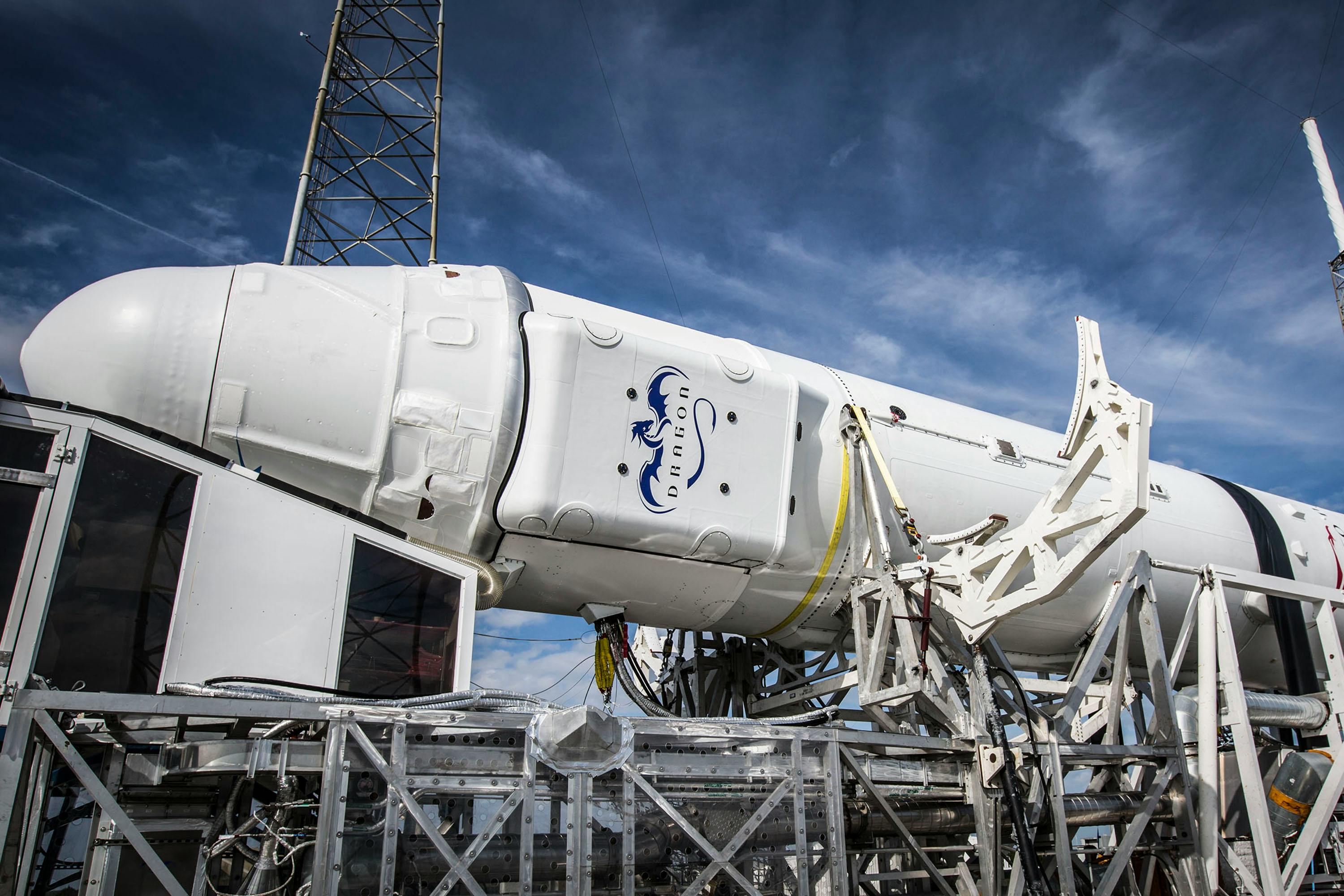
Starship developments continue to capture attention alongside Starlink's latest deployment milestones.
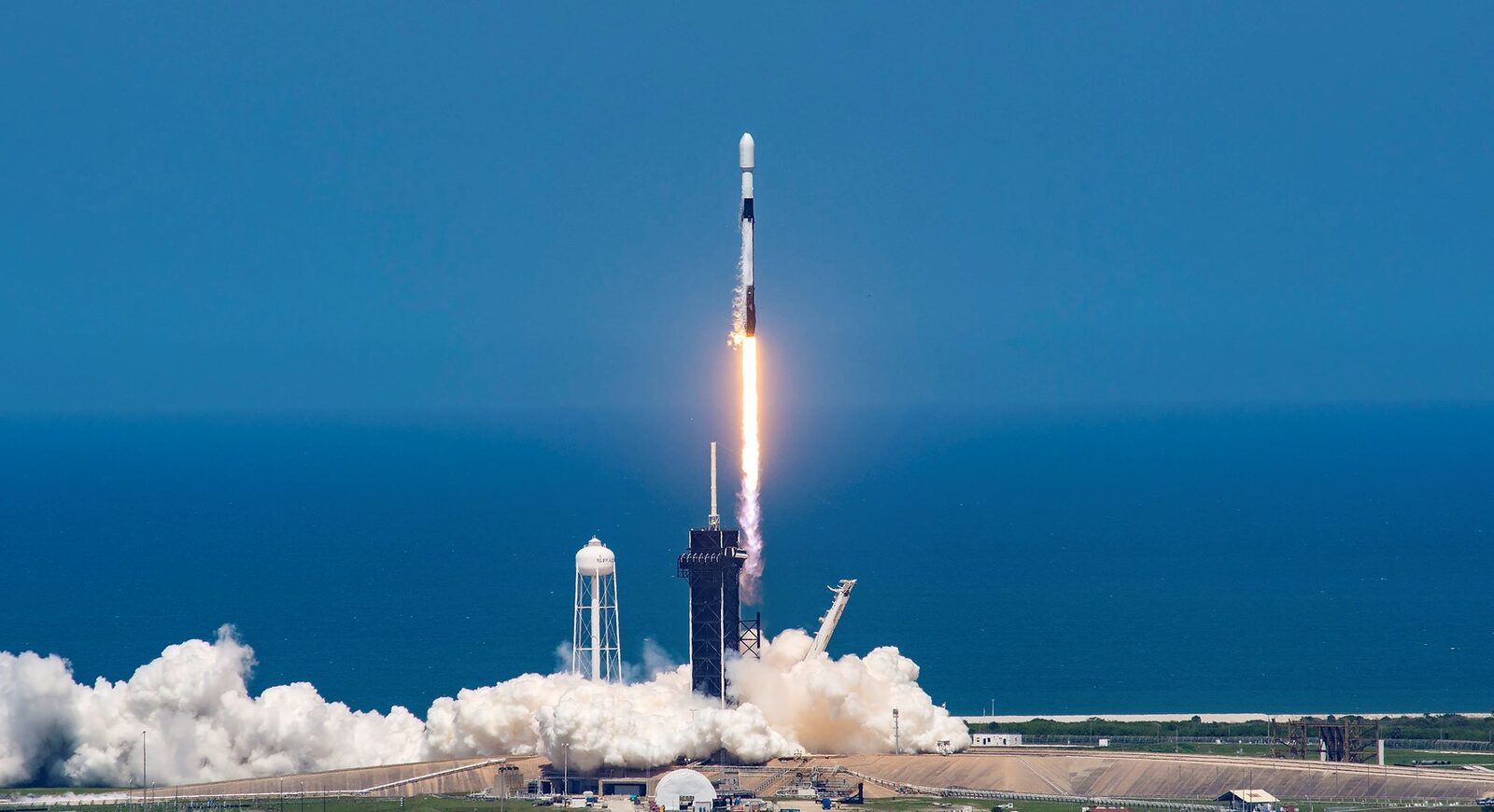
SpaceX completed a full 33-engine static fire on Booster 20, the longest duration test to date. The milestone clears a major hurdle before the next Starship flight attempt.

Today’s highlights include new defense initiatives in the U.S., potential strategic shifts in Europe, and the establishment of council to counter security threats.
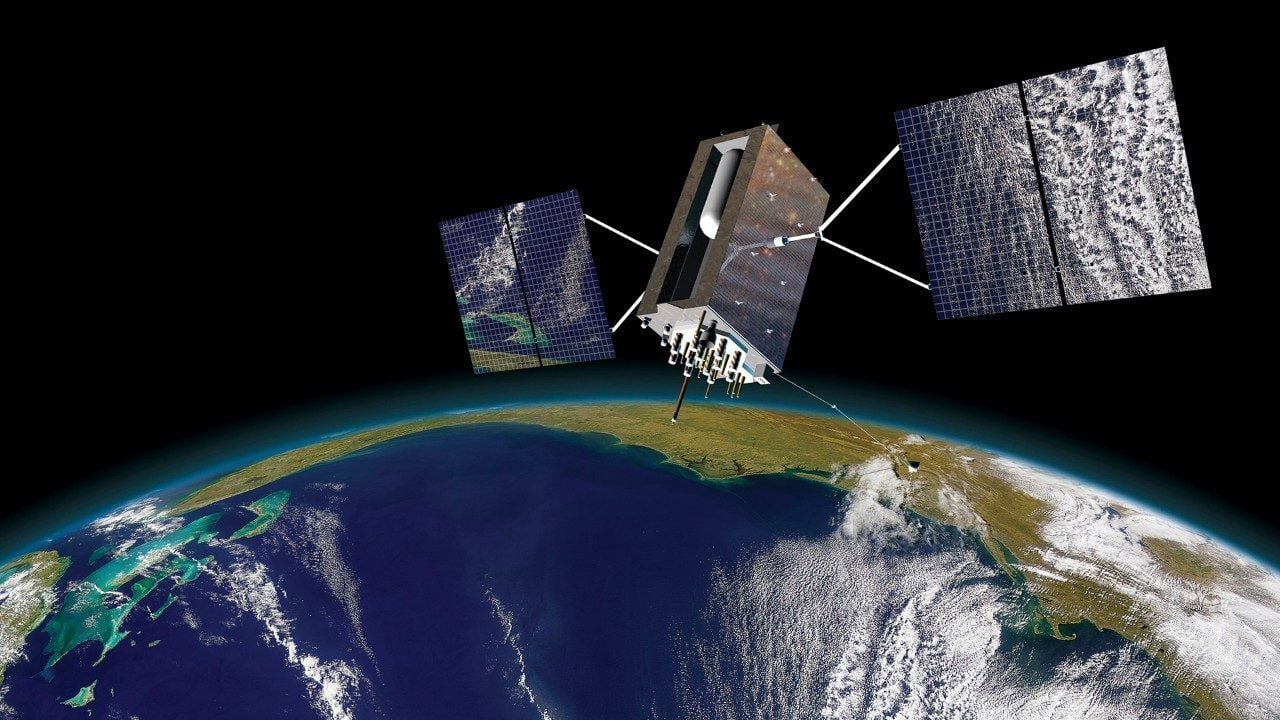
On April 17, 2026, the U.S. Space Force officially cancelled the Next Generation Operational Control System after sixteen years of development, cost overruns, and testing failures. The $8 billion program was supposed to unlock the military's encrypted GPS signal. Instead, the satellites are flying with capabilities the ground can't command.

Today's brief covers key industry movements in space logistics and satellite production, including Rocket Lab's new U.S. Air Force contract, Sierra Space's strides in GPS technology, and more.
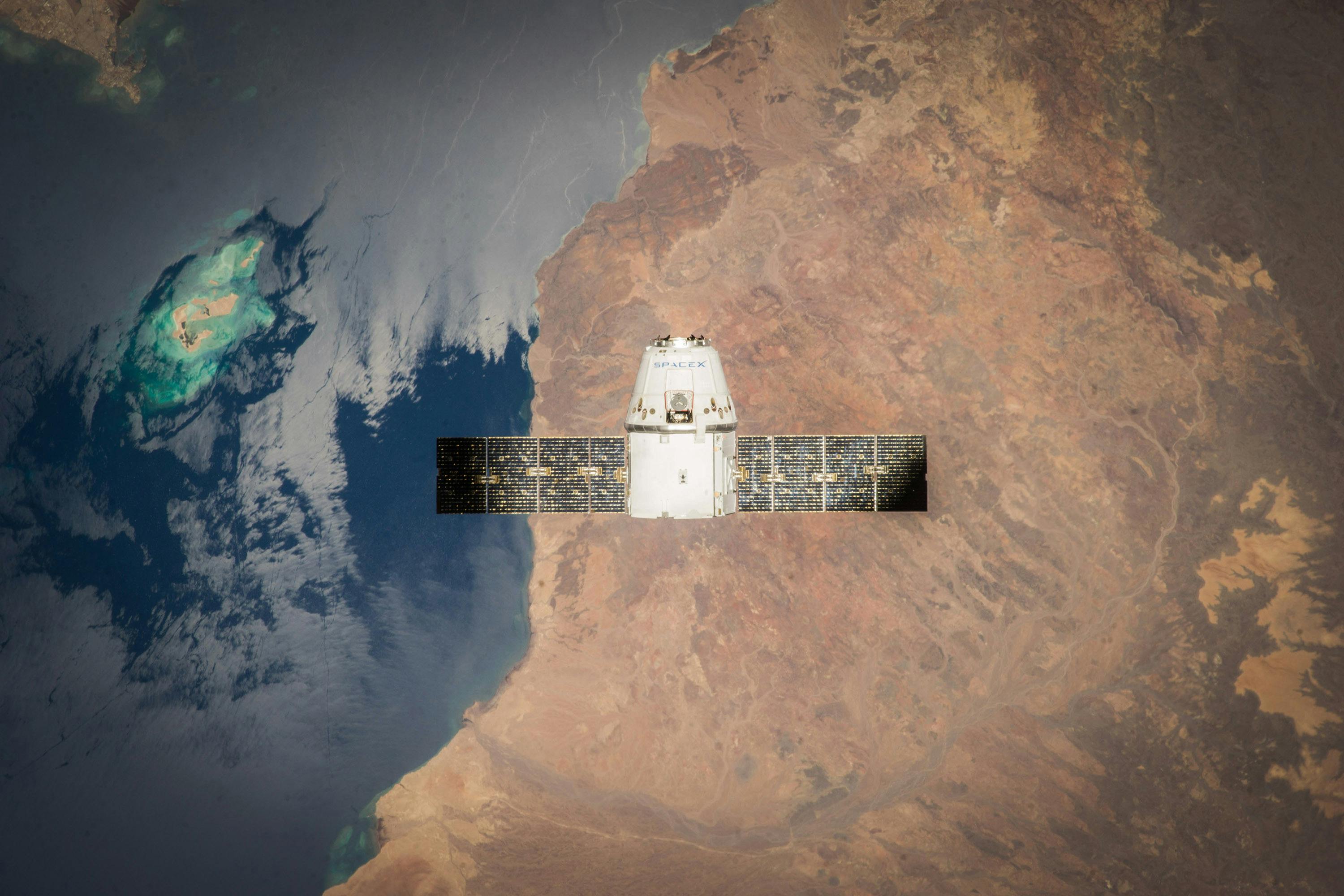
SpaceX executes dual Starlink launches and secures Dragonfly mission contract while managing NRO satellite deployment.
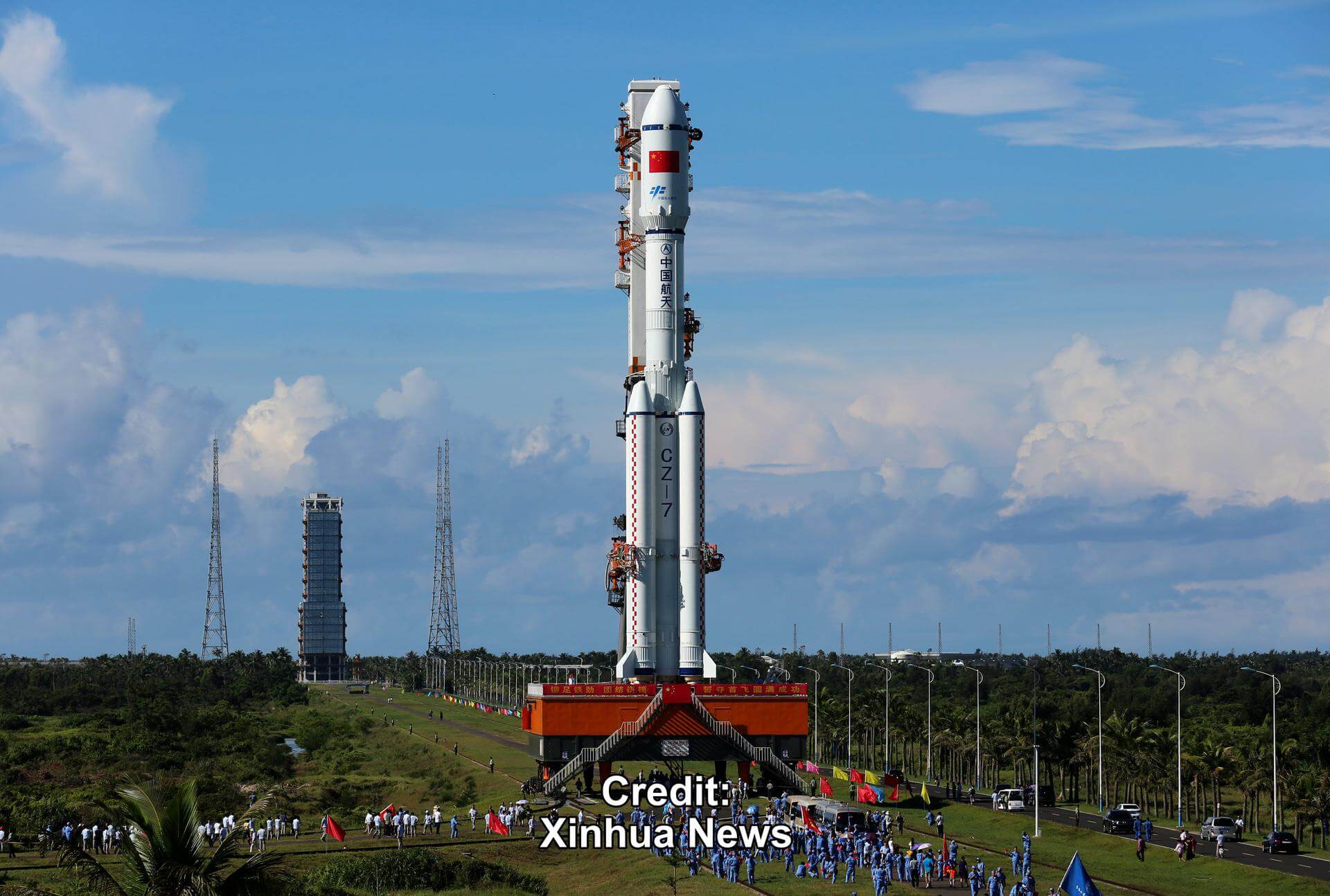
Today's space highlights include China's first classified Shiyan-28B launch, Boeing's major satellite contract, new NASA budget allocations, and plans for shuttle Discovery's relocation.