


Space Brief 20 Nov 2025
Today's briefing covers a DARPA award for Redwire's innovative satellite project, Ursa Major's expansion in defense engines, a Rocket Lab military test flight, and more.



Launch Date
October 24, 2020
Launch Site
Launch Pad
LC40
Launch Vehicle
NORAD ID
46793
International Designator
2020-074BG
Decay Date
3/19/2025
Name
STARLINK-1941
Alternative Name
Starlink 1941
Type
Status
Owner
SPXS
Country
United States
Constellation
N/A
Related Satellites
Major Events
N/A
Length
0.2
Diameter
2.8
Span
9
Dry Mass
248
Launch Mass
260
Shape
Box + pan
Radar Cross Section
Unknown
Visual Magnitude
Unknown
Color
Unknown
Material Composition
Unknown
Payload
Starlink V1.0-L14-51
Purpose
Communication
Mission
Communication
Manufacturer
SPXS
Life Expectancy
Unknown
Bus
Starlink
Configuration
Unknown
Motor
Krypton ion thrusters
Equipment
Ku/Ka-band payload (all), optical inter-satellite links (a few prototypes)
Power System
Solar arrays, batteries
ADCS
Unknown
Transmitter Frequency
Unknown
Learn more about satellites and other related topics.
Today's briefing covers a DARPA award for Redwire's innovative satellite project, Ursa Major's expansion in defense engines, a Rocket Lab military test flight, and more.
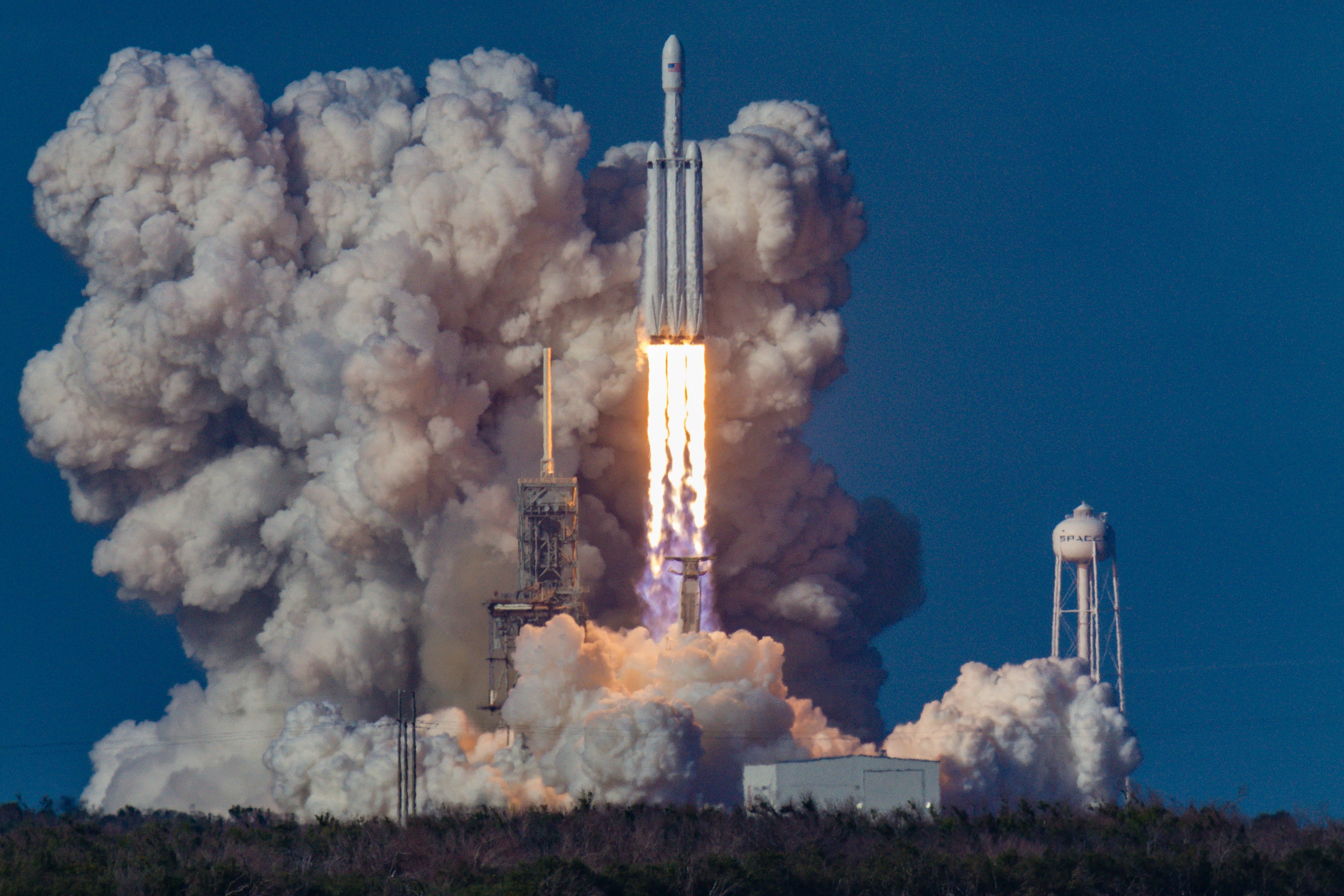
SpaceX successfully completed its 100th Starlink mission of the year and launched the 'Haven Demo' private space station along with 17 other satellites. The company also made strides in lunar lander development for Artemis III.
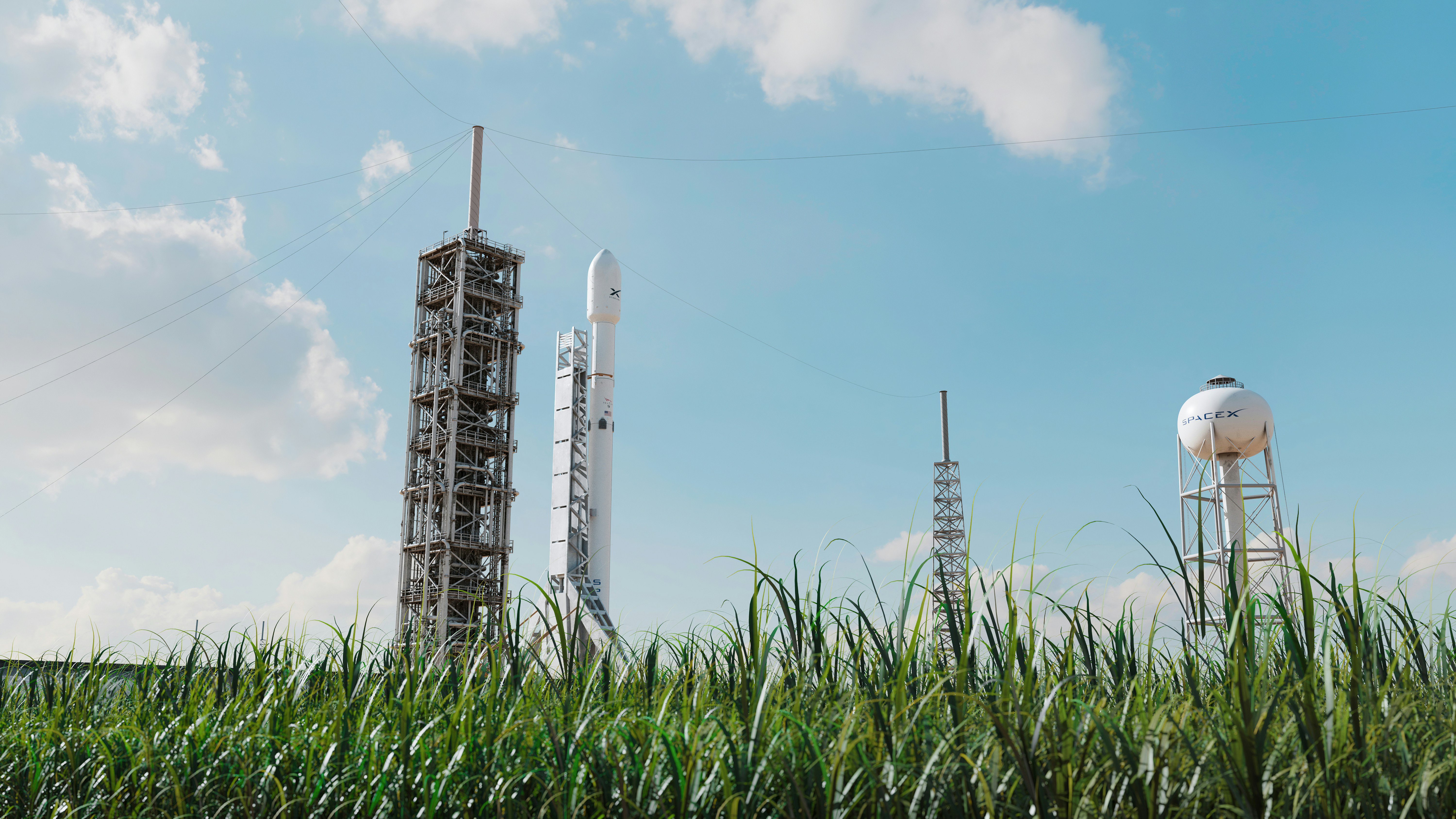
SpaceX embraces community support during Hurricane Melissa while advancing its Starbase infrastructure and launching more Starlink satellites.

Today's highlights include Europe's record space budget for independence, Transporter-15's successful launch of 140 payloads, and the damage to the Baikonur pad affecting upcoming ISS missions.
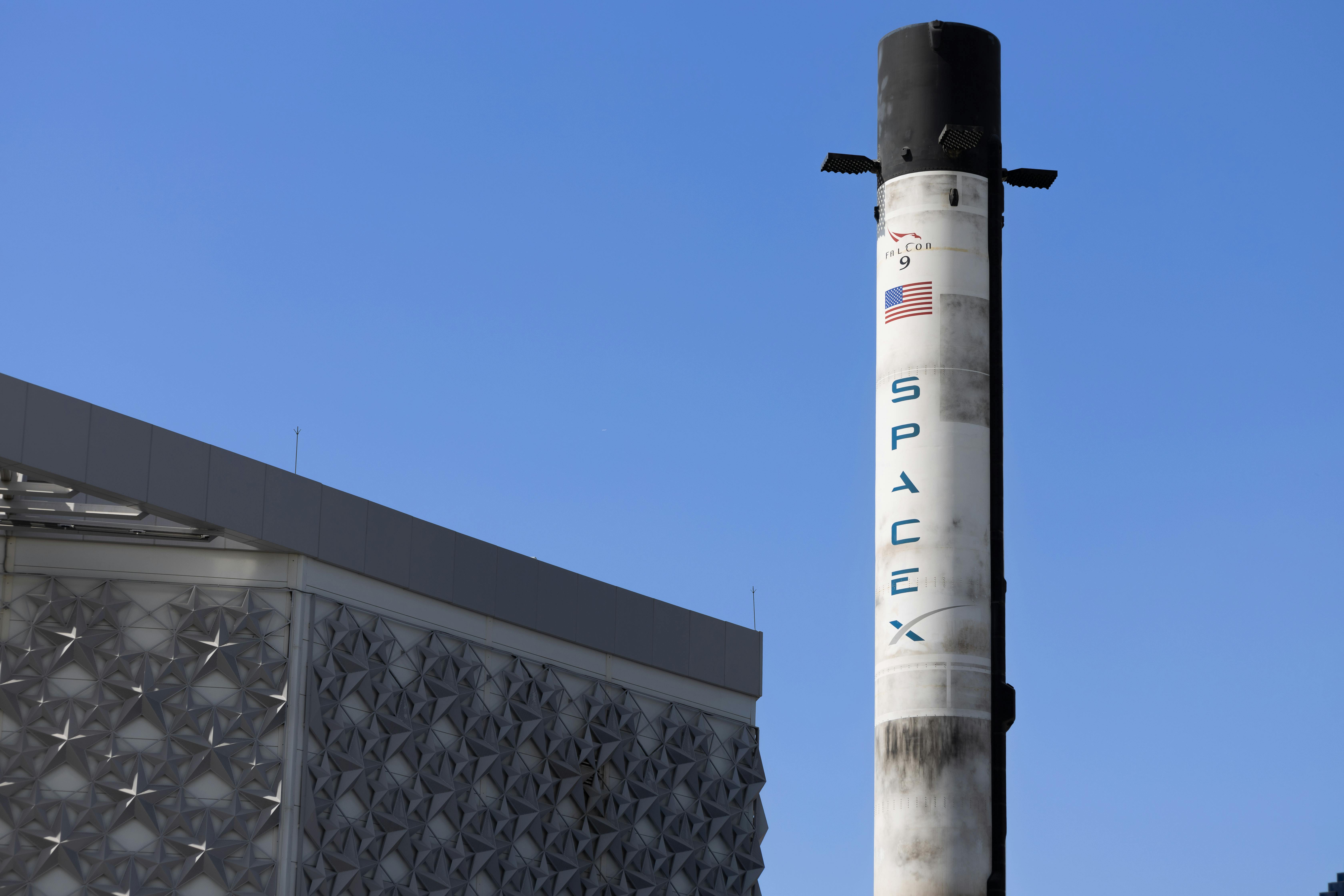
Today's brief highlights the upcoming X-37B military spaceplane launch, ongoing partnerships to protect radio astronomy, and West Virginia's minimal allocation of broadband subsidies to satellite providers like SpaceX.
Today's space brief highlights the U.S. Space Force's new satellite naming scheme, the Air Force Secretary's warnings on China's space advances, BAE Systems' DARPA award, strategies for future space defense, the importance of GEO satellite refueling, and Blue Origin's plans for Space Force certification.
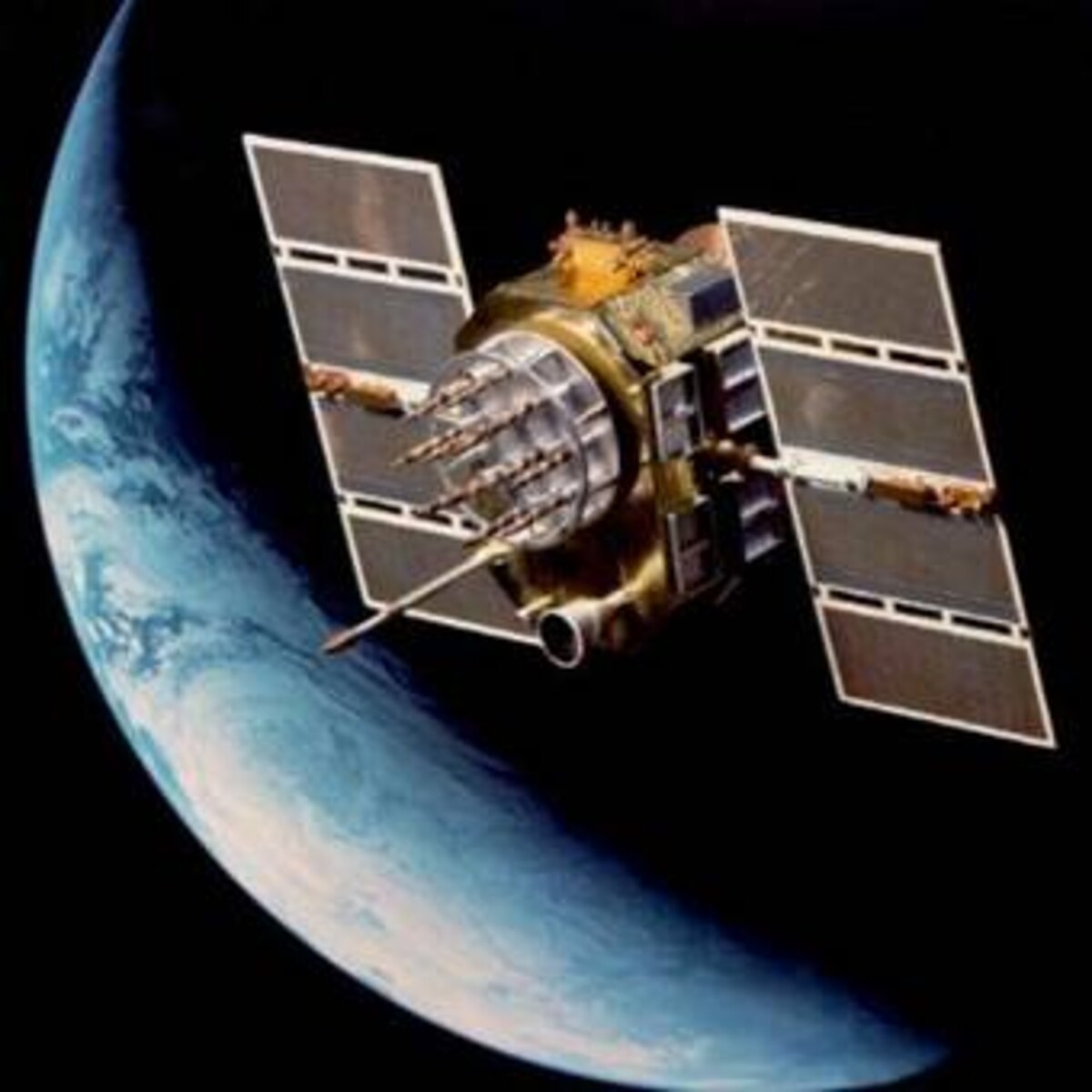
Forty-seven years ago, an Atlas rocket carried the first GPS satellite into orbit, launching a revolution in navigation that would transform daily life across the globe

Lt. Gen. Doug Schiess nominated to lead Space Force, becoming the third Chief of Operations since the service's 2019 founding. Pentagon clears 8 firms for classified AI access.