



Space Brief 3 Dec 2024
Today's Space Brief highlights the U.S. Air Force's $48 million investment in testing reentry capsules, a Pentagon-backed GPS alternative, and the Space Force's quest for funding autonomy.



Launch Date
October 24, 2020
Launch Site
Launch Pad
LC40
Launch Vehicle
NORAD ID
46780
International Designator
2020-074AT
Epoch
Sat, 02 May 2026 01:30:25 GMT
Apogee
Calculating...
Perigee
Calculating...
Inclination
53.02°
Right Ascension
354.93°
Eccentricity
Calculating...
Argument of Perigee
256.77°
Period
87.82 min
Mean Motion
16.40 rev/day
Latitude
Calculating...
Longitude
Calculating...
Altitude
Calculating...
Velocity
Calculating...
Name
STARLINK-1832
Alternative Name
Starlink 1832
Type
Status
Owner
SPXS
Country
United States
Constellation
N/A
Related Satellites
Major Events
N/A
1 46780U 20074AT 26122.06279451 .08857773 12320-4 65286-3 0 9992
2 46780 53.0192 354.9333 0009436 256.7748 103.2246 16.39739041305939
Source: Celestrak
Length
0.2
Diameter
2.8
Span
9
Dry Mass
248
Launch Mass
260
Shape
Box + pan
Radar Cross Section
Unknown
Visual Magnitude
Unknown
Color
Unknown
Material Composition
Unknown
Payload
Starlink V1.0-L14-02
Purpose
Communication
Mission
Communication
Manufacturer
SPXS
Life Expectancy
Unknown
Bus
Starlink
Configuration
Unknown
Motor
Krypton ion thrusters
Equipment
Ku/Ka-band payload (all), optical inter-satellite links (a few prototypes)
Power System
Solar arrays, batteries
ADCS
Unknown
Transmitter Frequency
Unknown
Learn more about satellites and other related topics.
Today's Space Brief highlights the U.S. Air Force's $48 million investment in testing reentry capsules, a Pentagon-backed GPS alternative, and the Space Force's quest for funding autonomy.
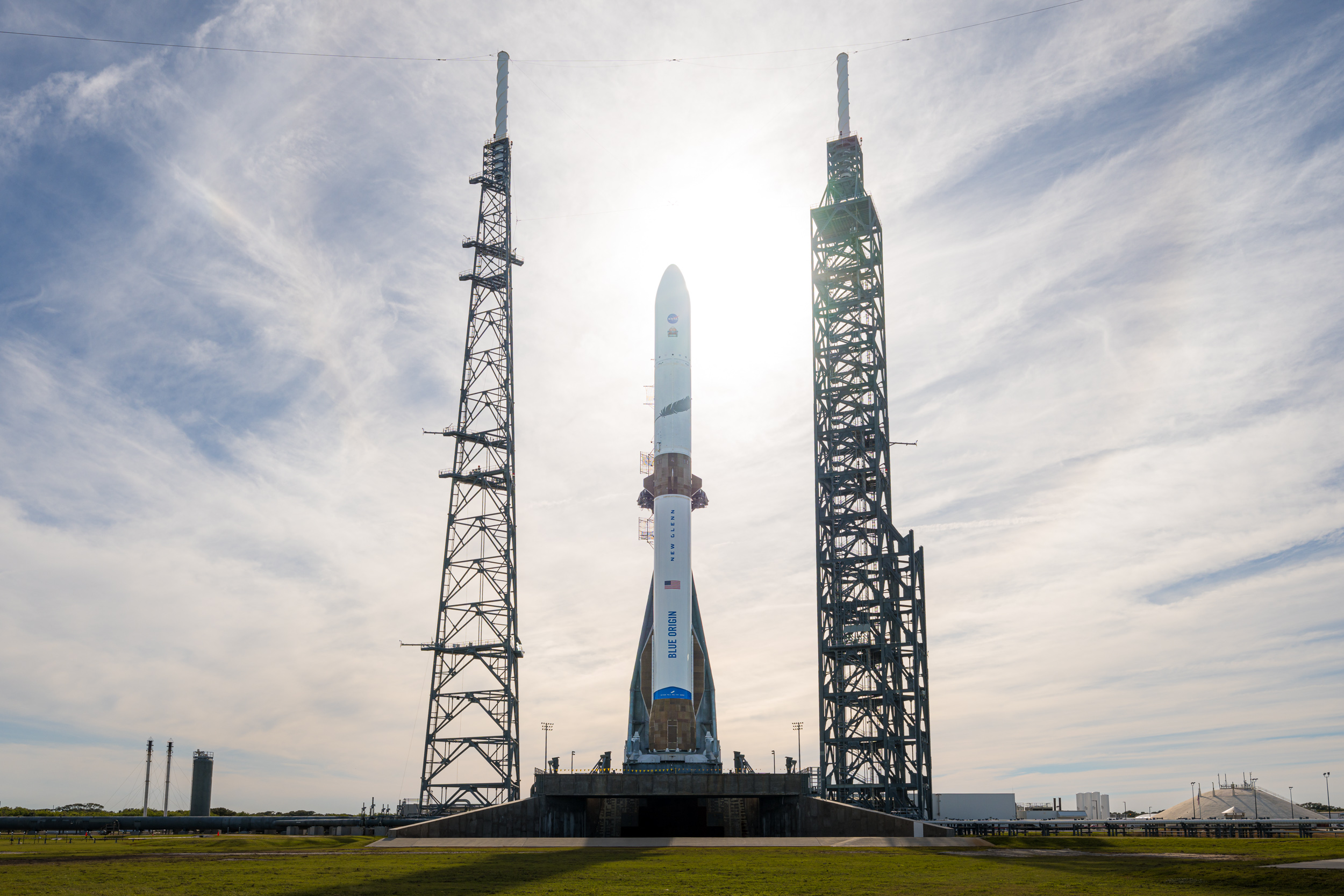
Artemis 2 astronauts completed first crewed lunar flyby since Apollo 17, traveling 690,000 miles aboard Orion. Four crew validated deep-space systems.

What happens when space objects come home: the fiery physics of returning from orbit and why predicting where debris lands is so difficult
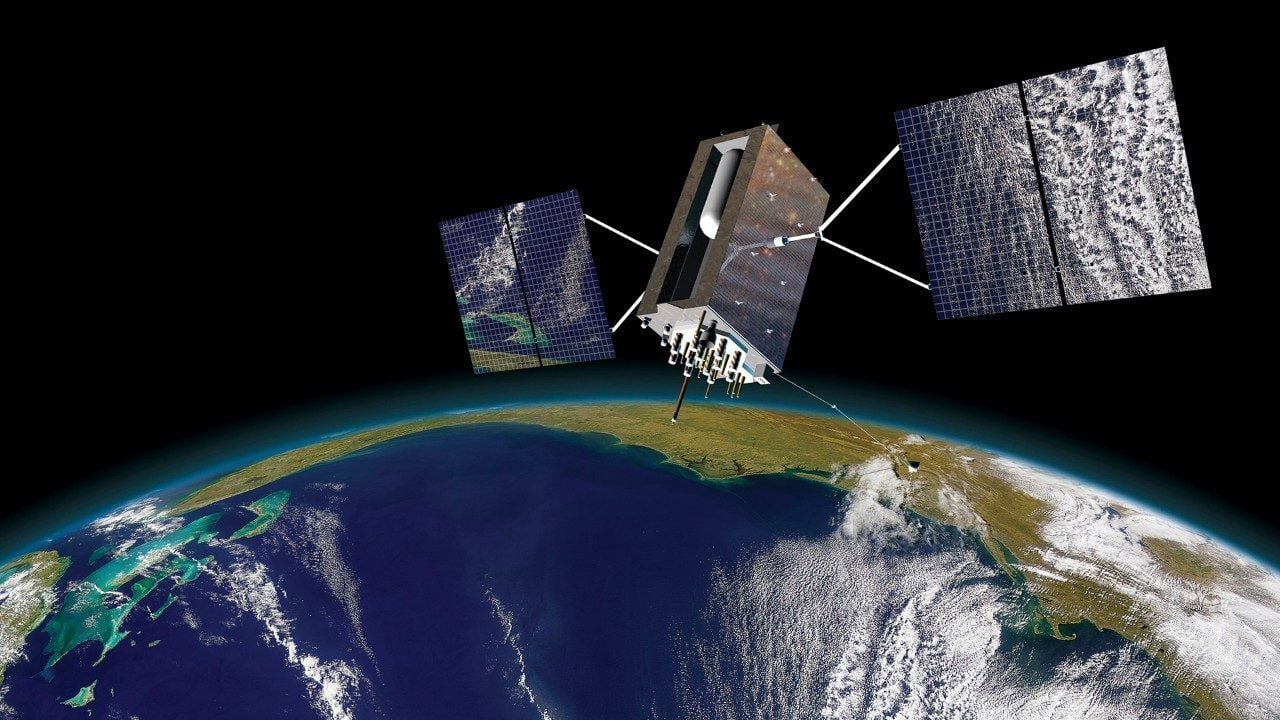
On April 17, 2026, the U.S. Space Force officially cancelled the Next Generation Operational Control System after sixteen years of development, cost overruns, and testing failures. The $8 billion program was supposed to unlock the military's encrypted GPS signal. Instead, the satellites are flying with capabilities the ground can't command.

SpaceX filed an FCC complaint against Amazon over orbital debris violations as Starship V3 gets a maiden voyage date and a $178.5M Space Force deal lands.
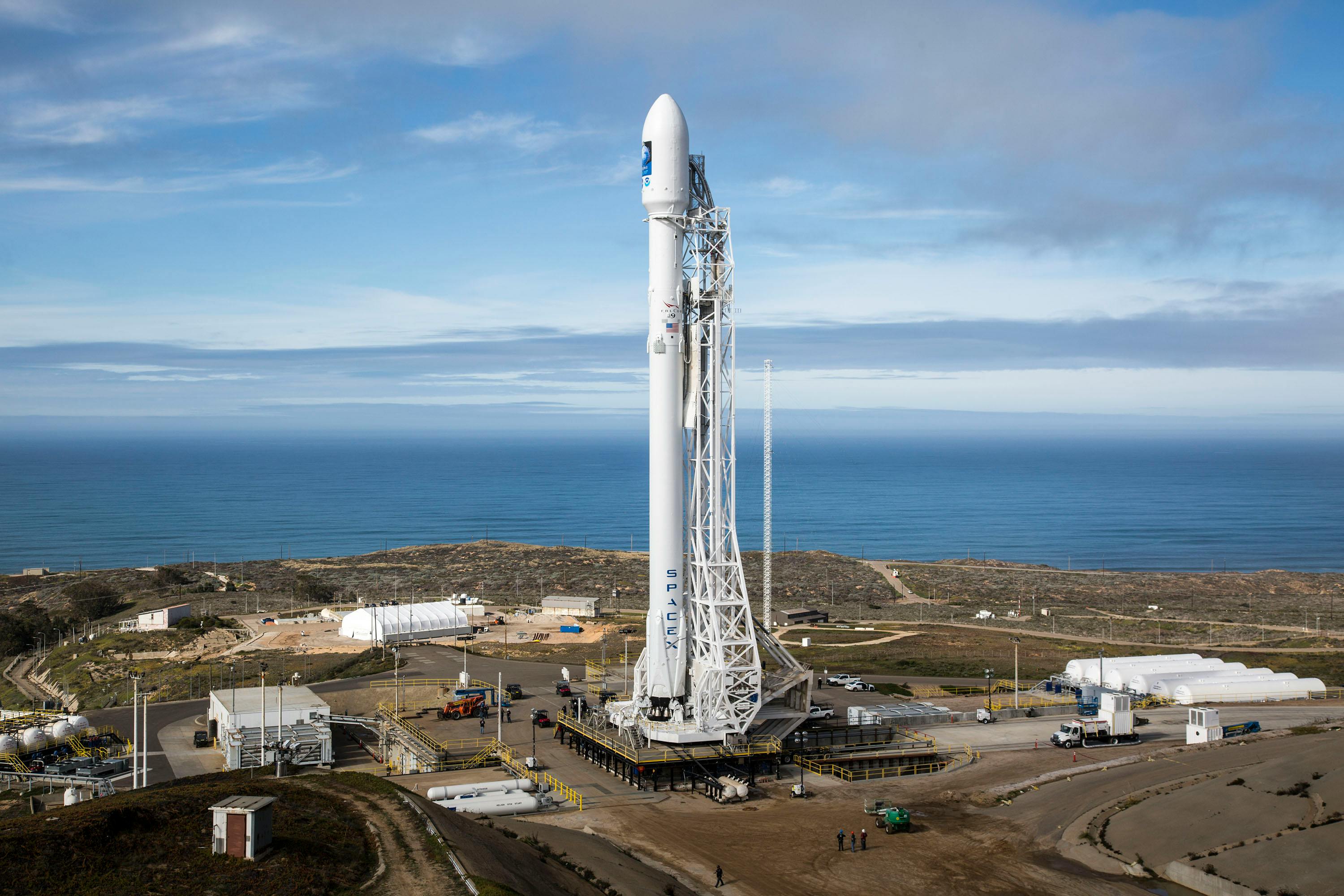
SpaceX secures major U.S. military contracts, Fram2 concludes historic mission, and preparations for another Starlink launch.

Today's briefing covers a new naming system by Space Force, China's space advances, drone defense at Cape Canaveral, and more military updates impacting space operations.

ULA's Vulcan rocket grounded, imperiling Space Force WGS-11 communications satellite and Next-Gen OPIR missile warning payload. Both missions lack backup launch options.