


Space Brief 15 Feb 2025
Today's highlights include SpaceX's record-setting Starlink launch, Redwire's contract for USSF, and military satellite developments.



Launch Date
October 18, 2020
Launch Site
Launch Pad
LC39A
Launch Vehicle
NORAD ID
46702
International Designator
2020-073AJ
Epoch
Sat, 04 Jul 2026 01:24:42 GMT
Apogee
Calculating...
Perigee
Calculating...
Inclination
53.16°
Right Ascension
32.53°
Eccentricity
Calculating...
Argument of Perigee
125.53°
Period
93.46 min
Mean Motion
15.41 rev/day
Latitude
Calculating...
Longitude
Calculating...
Altitude
Calculating...
Velocity
Calculating...
Name
STARLINK-1802
Alternative Name
Starlink 1802
Type
Status
Owner
SPXS
Country
United States
Constellation
N/A
Related Satellites
Major Events
N/A
1 46702U 20073AJ 26185.05883080 .00057905 00000-0 13947-2 0 9997
2 46702 53.1564 32.5350 0002112 125.5294 234.5908 15.40730069315350
Source: Celestrak
Length
0.2
Diameter
2.8
Span
9
Dry Mass
248
Launch Mass
260
Shape
Box + pan
Radar Cross Section
Unknown
Visual Magnitude
Unknown
Color
Unknown
Material Composition
Unknown
Payload
Starlink V1.0-L13-32
Purpose
Communication
Mission
Communication
Manufacturer
SPXS
Life Expectancy
Unknown
Bus
Starlink
Configuration
Unknown
Motor
Krypton ion thrusters
Equipment
Ku/Ka-band payload (all), optical inter-satellite links (a few prototypes)
Power System
Solar arrays, batteries
ADCS
Unknown
Transmitter Frequency
Unknown
Learn more about satellites and other related topics.
Today's highlights include SpaceX's record-setting Starlink launch, Redwire's contract for USSF, and military satellite developments.

Starbase expansion progresses and Germany eyes its own satellite constellation.
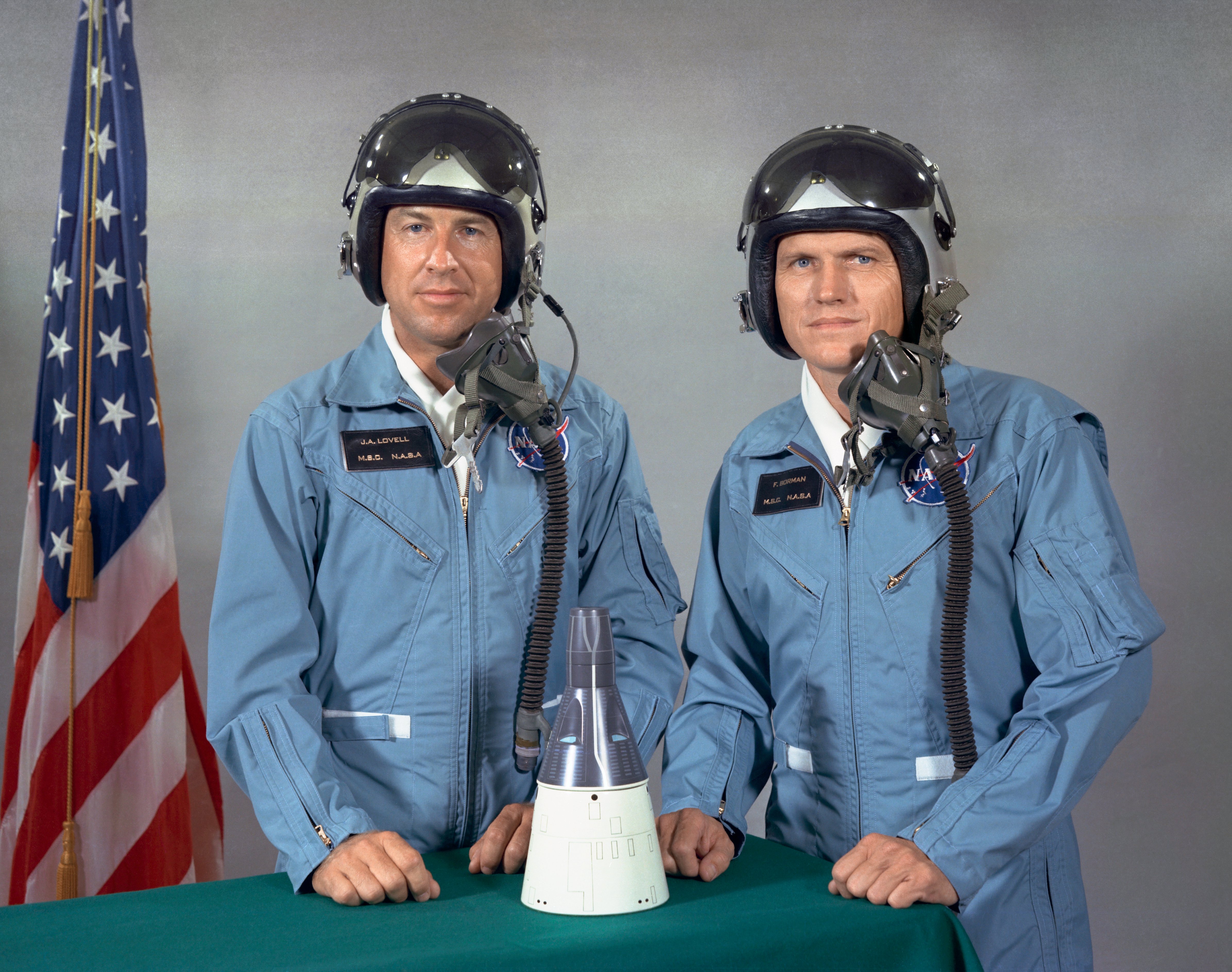
Sixty years ago, Frank Borman and James Lovell launched aboard Gemini 7 for a grueling 14-day mission that would prove humans could endure the journey to the moon and achieve the first true rendezvous in space
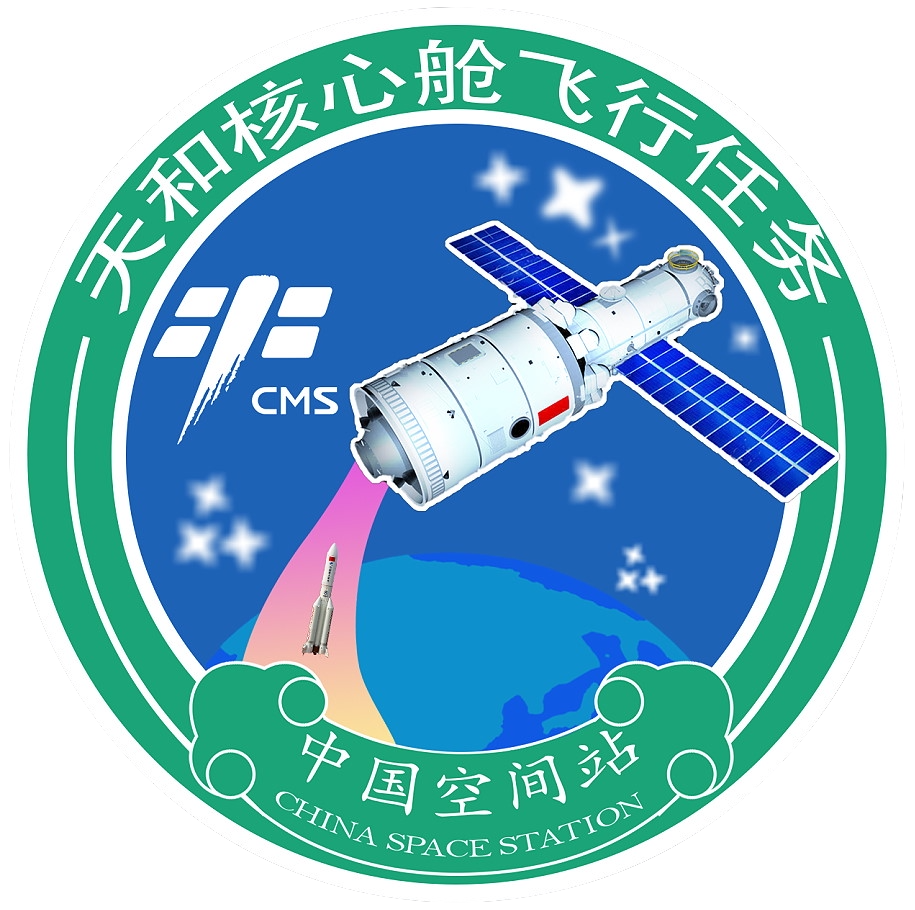
Today’s brief covers the delayed launch of Australia's first orbital rocket, China's reusability programs, and the snow-enforced shutdown of a Chilean radio telescope.

Fourteen years ago, Space Shuttle Discovery thundered into orbit one last time, carrying a robot astronaut and capping a remarkable 27-year career that revolutionized space exploration
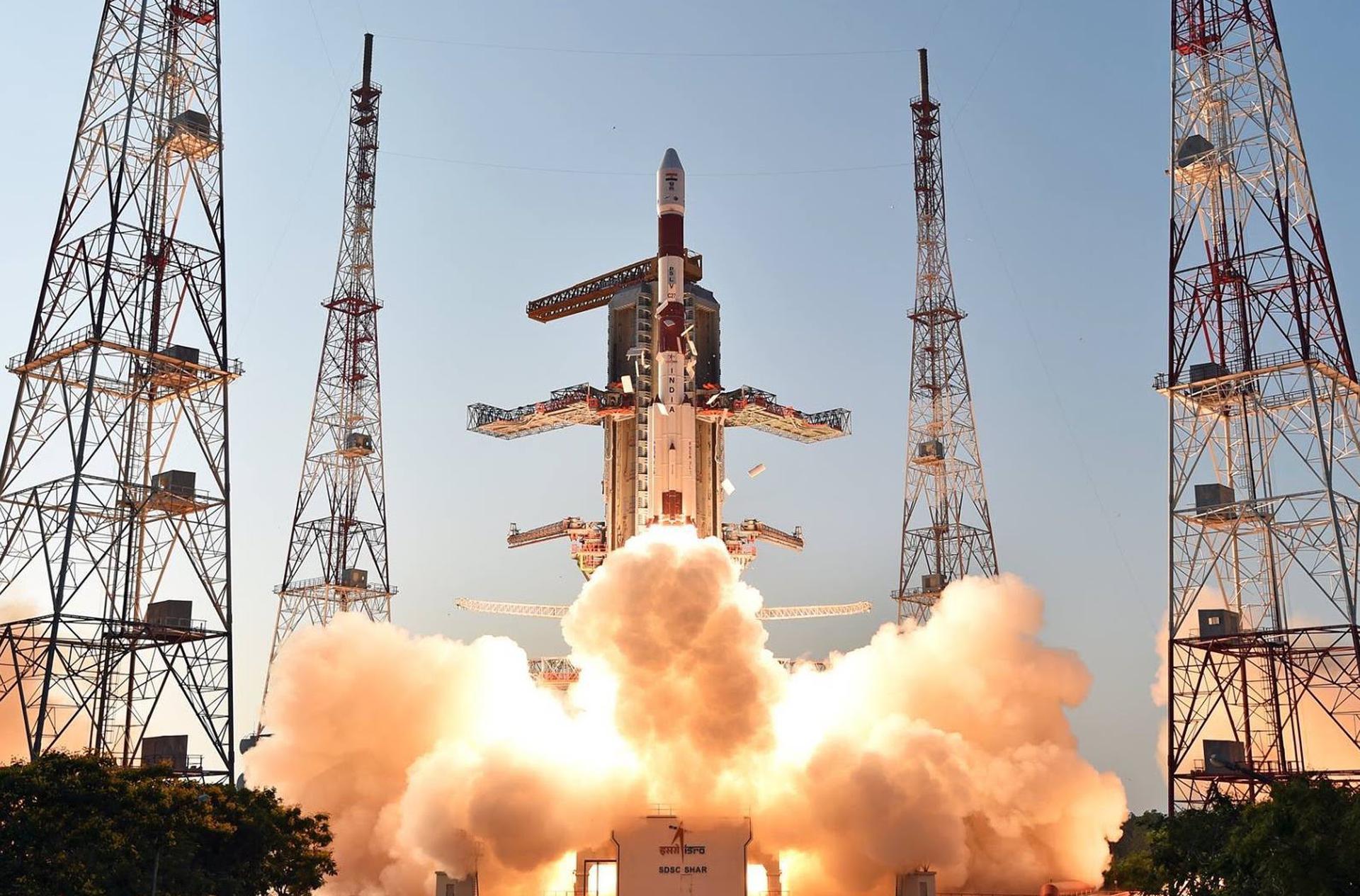
Highlighting ExLabs' Space Force contract, Starlink advances, and developments in orbital communication tech.
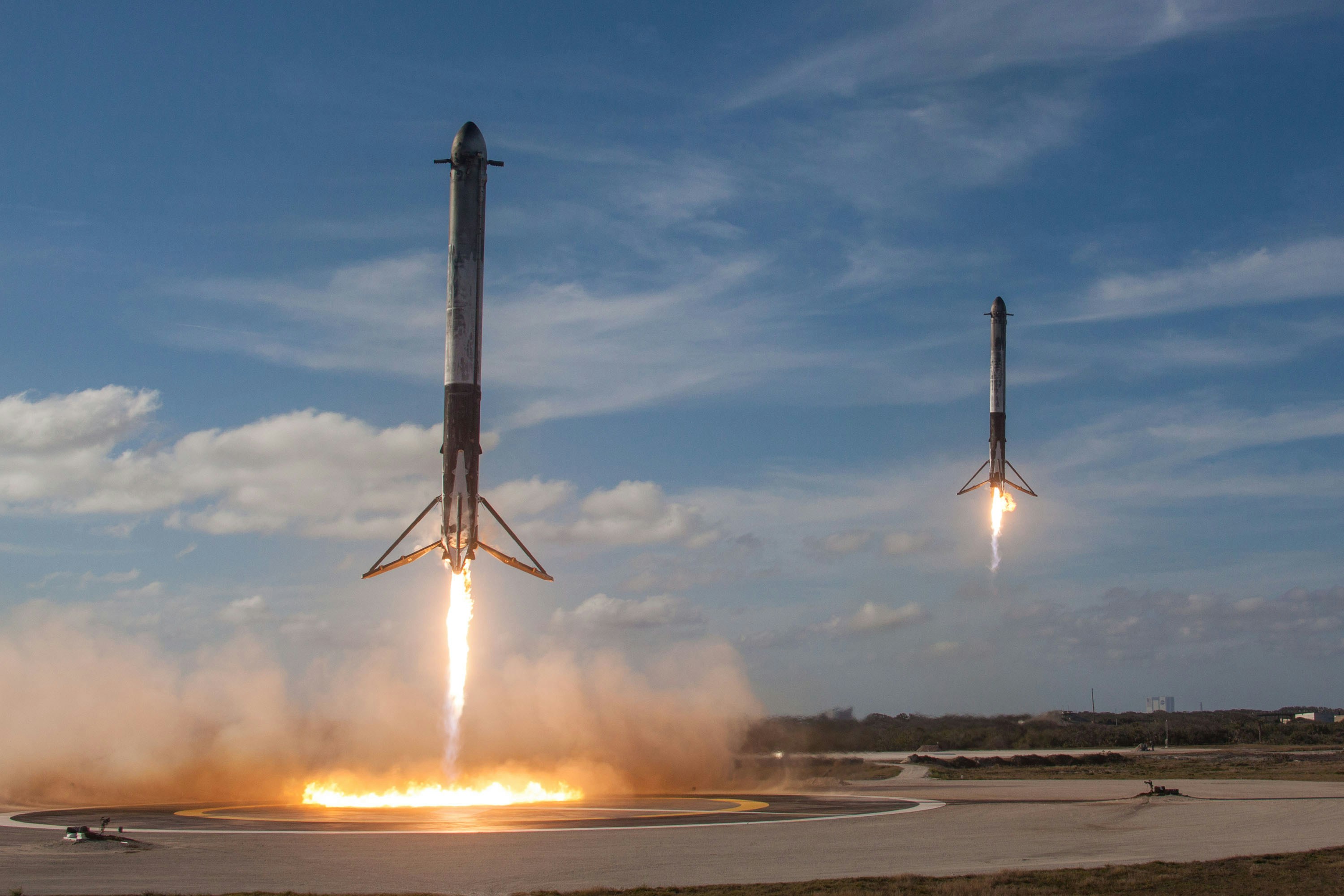
SpaceX successfully launched its ninth Starlink mission of the month, boosting broadband coverage with additional satellites deployed from both coasts. The latest missions underscore the company's commitment to expanding global internet access.
House appropriators approved $55.5 billion for Space Force but omitted $350 billion reconciliation funds, threatening Golden Dome and large-scale space programs' acquisition timelines.