


X Report 16 May 2025
Today's brief highlights the launch of United Airlines' Starlink Wi-Fi on passenger flights, updates on Starship development, and SpaceX's push to position Starlink as a GPS alternative in recent FCC discussions.



Launch Date
October 18, 2020
Launch Site
Launch Pad
LC39A
Launch Vehicle
NORAD ID
46699
International Designator
2020-073AF
Epoch
Sat, 02 May 2026 21:47:15 GMT
Apogee
Calculating...
Perigee
Calculating...
Inclination
53.02°
Right Ascension
278.57°
Eccentricity
Calculating...
Argument of Perigee
292.62°
Period
88.05 min
Mean Motion
16.35 rev/day
Latitude
Calculating...
Longitude
Calculating...
Altitude
Calculating...
Velocity
Calculating...
Name
STARLINK-1799
Alternative Name
Starlink 1799
Type
Status
Owner
SPXS
Country
United States
Constellation
N/A
Related Satellites
Major Events
N/A
1 46699U 20073AF 26122.90781348 .07111201 12295-4 85109-3 0 9991
2 46699 53.0238 278.5693 0011596 292.6224 67.3593 16.35459310306410
Source: Celestrak
Length
0.2
Diameter
2.8
Span
9
Dry Mass
248
Launch Mass
260
Shape
Box + pan
Radar Cross Section
Unknown
Visual Magnitude
Unknown
Color
Unknown
Material Composition
Unknown
Payload
Starlink V1.0-L13-29
Purpose
Communication
Mission
Communication
Manufacturer
SPXS
Life Expectancy
Unknown
Bus
Starlink
Configuration
Unknown
Motor
Krypton ion thrusters
Equipment
Ku/Ka-band payload (all), optical inter-satellite links (a few prototypes)
Power System
Solar arrays, batteries
ADCS
Unknown
Transmitter Frequency
Unknown
Learn more about satellites and other related topics.
Today's brief highlights the launch of United Airlines' Starlink Wi-Fi on passenger flights, updates on Starship development, and SpaceX's push to position Starlink as a GPS alternative in recent FCC discussions.
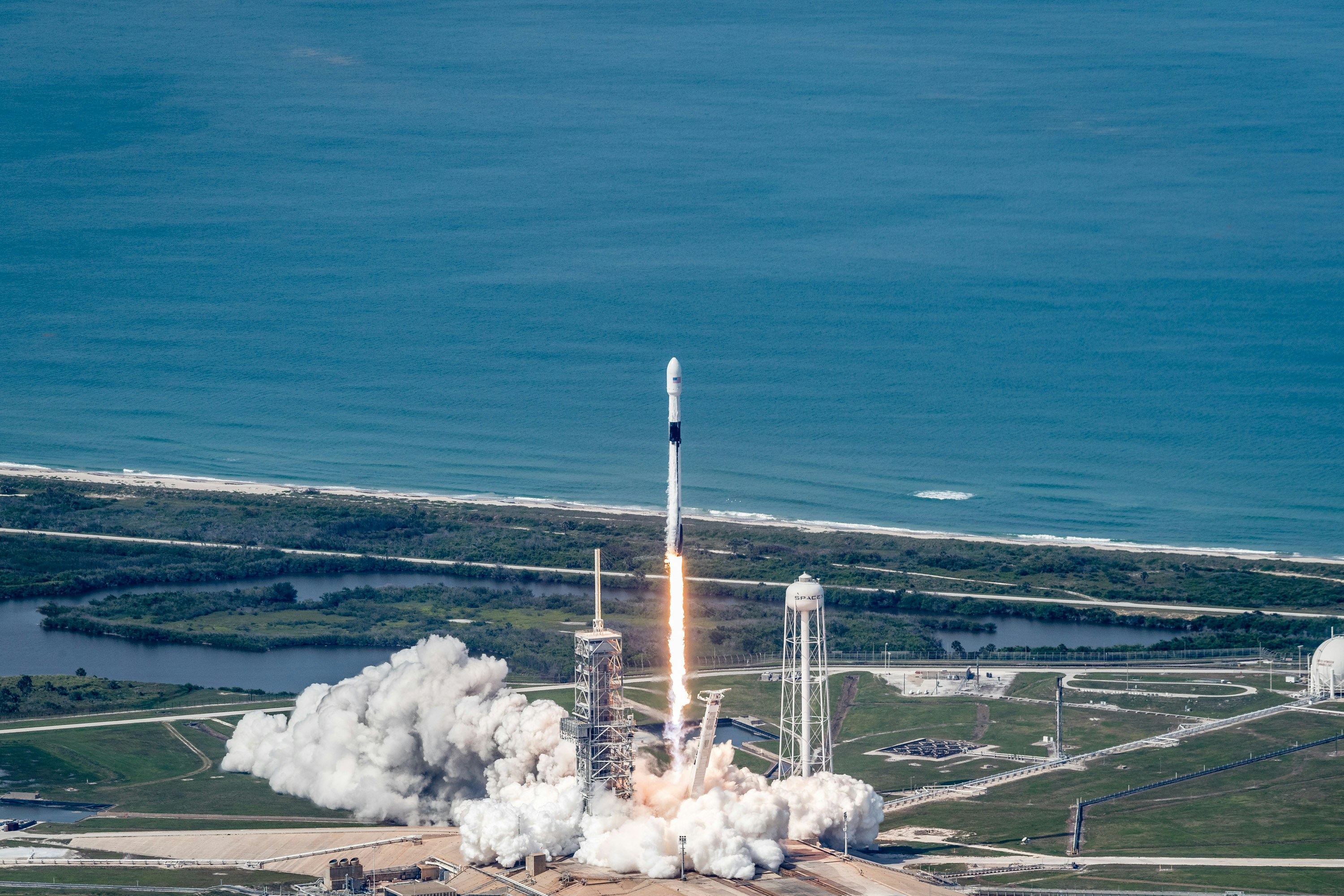
SpaceX continues to make strides in satellite deployment with a successful launch. The European Space Agency's new satellite enhances global atmospheric forecasting, showcasing the expanding role of launches in improving environmental monitoring.

Twenty-two years ago, the crew of Space Shuttle Columbia awakened to John Lennon's 'Imagine' and shared a profound message about unity and peace that would become part of their enduring legacy

Space Force modernization stalls over workforce gaps. Deutsche Telekom targets 2028 for Starlink Mobile V2 across 10 EU nations. Iran ops strain US munition stocks.

SpaceX receives FAA approval for its 10th Starship test flight scheduled for August 24, while also making strides in construction at the Cape and contesting broadband funding in Virginia.

Today's brief highlights the maiden flight of Blue Origin's Blue Ring spacecraft with a new AI-driven space sensor, debates on asteroid defense responsibilities, and updates on the U.S. Space Force's missile shield leadership.
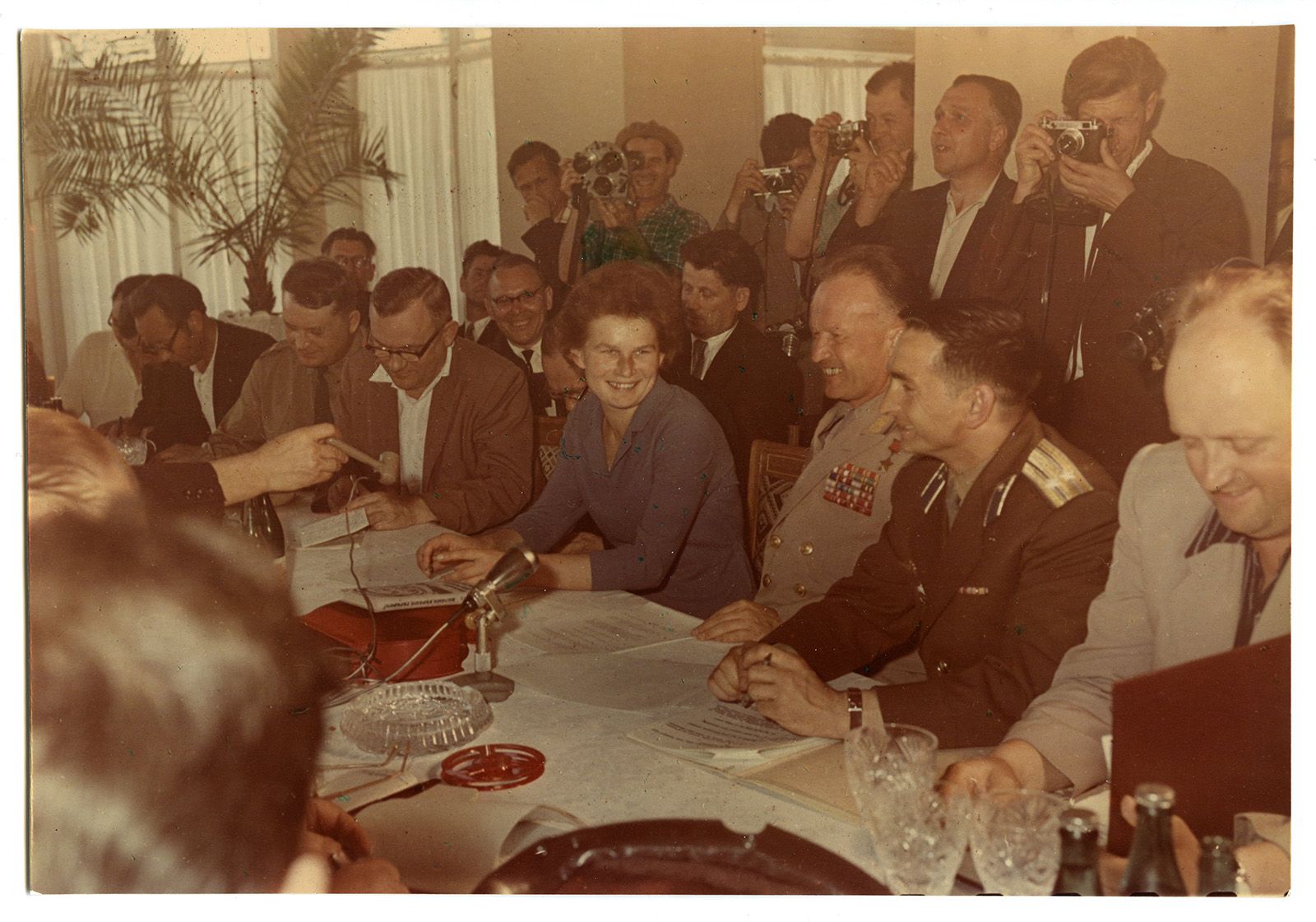
On 16 June 1963, a 26-year-old former textile worker named Valentina Tereshkova launched aboard Vostok 6 and spent nearly three days alone in orbit. She flew 48 times around the Earth, longer than every American astronaut combined, and spotted a dangerous flaw in her descent program that ground controllers had missed.

Space Force issues call for launch providers at Cape Canaveral and Vandenberg. Vandenberg opens Space Launch Complex 14 bidding with Feb 12 deadline. Electra pitches hybrid aircraft to Pentagon.