STARLINK-1790 (46691)

COSPAR: 2020-073X | Alt Name: Starlink 1790

Image
STARLINK-1790 Satellite Image
Additional Sources
Launch Details

Launch Date

October 18, 2020

Launch Pad

LC39A

Launch Vehicle

Falcon 9

Orbital Elements

NORAD ID

46691

International Designator

2020-073X

Epoch

Thu, 14 May 2026 09:52:27 GMT

Apogee

Calculating...

Perigee

Calculating...

Inclination

53.02°

Right Ascension

224.02°

Eccentricity

Calculating...

Argument of Perigee

301.83°

Period

87.60 min

Mean Motion

16.44 rev/day

Latitude

Calculating...

Longitude

Calculating...

Altitude

Calculating...

Velocity

Calculating...

Polar Plot
3D Visualization
Basic Satellite Info

Name

STARLINK-1790

Alternative Name

Starlink 1790

Type

Payload

Status

Partially operational

Owner

SPXS

Country

United States

Constellation

N/A

Related Satellites

Major Events

N/A

Latest TLEs
1 46691U 20073X   26134.41143491  .10879698  12534-4  39194-3 0  9997
2 46691  53.0199 224.0161 0007366 301.8288  58.2042 16.43828140308181

Source: Celestrak

Summary
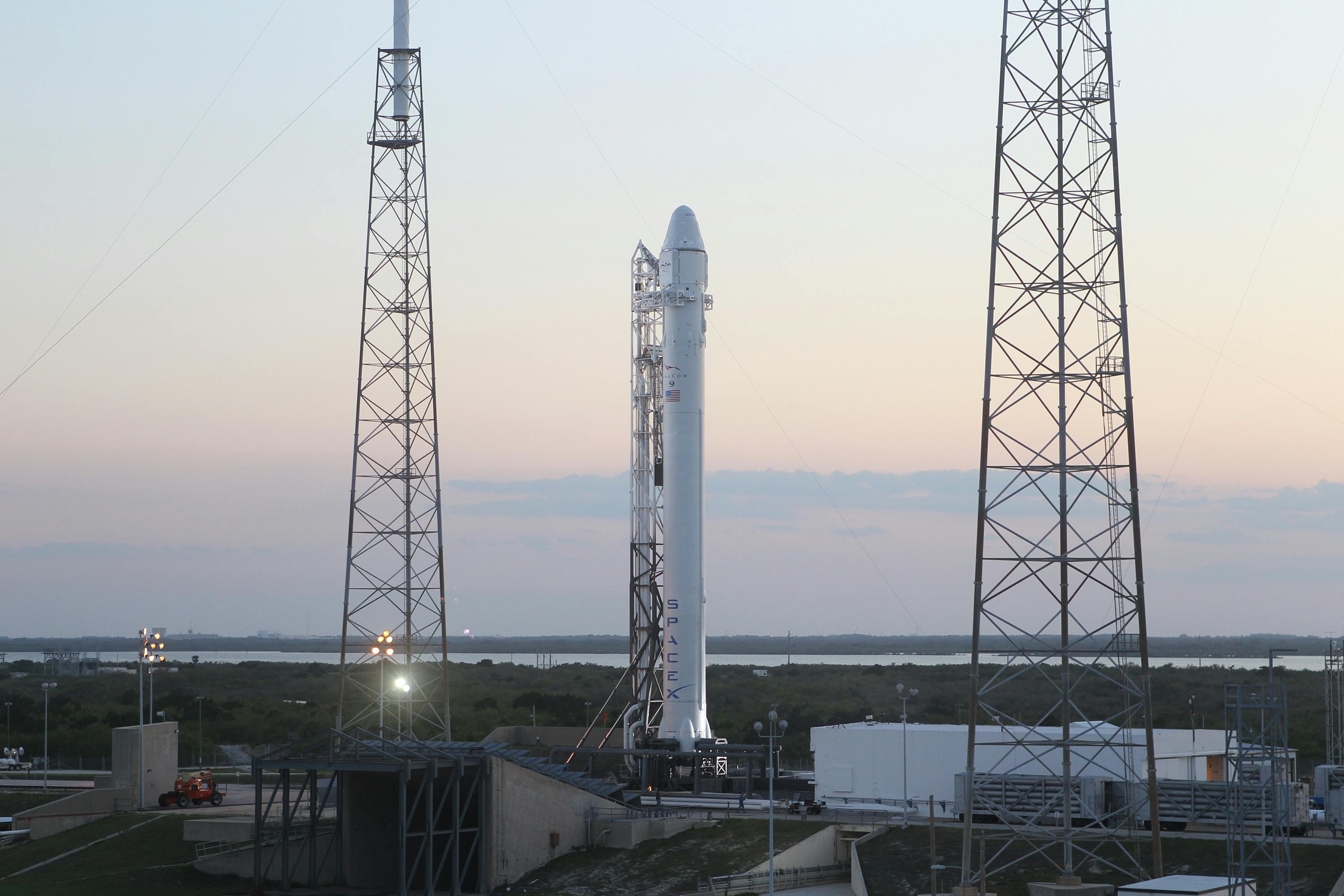
STARLINK-1790 is a communication satellite operated by SpaceX (SPXS) and is part of the Starlink constellation. It was launched on October 18, 2020, from Kennedy Space Center's Launch Complex 39A using a Falcon 9 launch vehicle. The spacecraft measures 0.2 meters in length with a diameter of 2.8 meters and a span of 9 meters. Its dry mass is 248 kilograms, and it had an initial launch mass of 260 kilograms. Equipped with Ku/Ka-band payload (all), optical inter-satellite links (few prototypes), Krypton ion thrusters for propulsion, solar arrays, and batteries for power, STARLINK-1790 serves communication purposes in low Earth orbit.

Starlink is a satellite constellation developed by SpaceX with the aim of providing global broadband internet coverage. Thousands of small satellites are deployed in low Earth orbit (LEO), enabling high-speed internet access even in remote areas. However, the rapid increase in satellites raises concerns about space debris and the potential for collisions, which can lead to further debris creation and endanger other spacecraft. Additionally, the sheer number of Starlink satellites can affect astronomical observations by increasing light pollution. Proper deorbiting plans and international coordination are essential to mitigate these challenges and ensure long-term sustainability in space.
Physical Characteristics

Length

0.2

Diameter

2.8

Span

9

Dry Mass

248

Launch Mass

260

Shape

Box + pan

Radar Cross Section

Unknown

Visual Magnitude

Unknown

Color

Unknown

Material Composition

Unknown

Technical Details

Payload

Starlink V1.0-L13-21

Purpose

Communication

Mission

Communication

Manufacturer

SPXS

Life Expectancy

Unknown

Bus

Starlink

Configuration

Unknown

Motor

Krypton ion thrusters

Equipment

Ku/Ka-band payload (all), optical inter-satellite links (a few prototypes)

Power System

Solar arrays, batteries

ADCS

Unknown

Transmitter Frequency

Unknown

Map
This tool will help you track the satellite's position and predict its upcoming passes over your location. Simply input the coordinates or click the geolocation button to get started.
Next Pass
Azimuth Elevation Time (Local)
Start Azimuth
Max Elevation
Stop Azimuth
Time Until
Pass Duration

Satellite Articles

View All Posts »

Learn more about satellites and other related topics.

X Report 6 Dec 2024

X Report 6 Dec 2024

SpaceX achieves a milestone with its 350th successful mission, including a significant Starlink launch, while Starship advances in testing. Meanwhile, SpaceX boosts SiriusXM's satellite fleet and industry competitors make strides.


Pentagon Cancels OPIR Polar After Northrop Sensor Delivery | KeepTrack Space Brief

Pentagon Cancels OPIR Polar After Northrop Sensor Delivery | KeepTrack Space Brief

Pentagon cancels Next-Generation OPIR Polar program after Northrop Grumman delivered sensor payload. LEO and MEO alternatives deemed sufficient for missile-warning coverage.

Space Brief 23 Oct 2025

Space Brief 23 Oct 2025

Today's updates cover Vantor's satellites overcoming tracking challenges, a startup's ambitious missile defense test, and more pivotal space events.

Three Chinese Rocket Bodies Exploded, Generating Decades of LEO Debris | KeepTrack Space Brief

Three Chinese Rocket Bodies Exploded, Generating Decades of LEO Debris | KeepTrack Space Brief

Three Chinese rocket bodies have exploded over four years, creating debris clouds that will linger for decades to centuries, according to LeoLabs analysis. Fragmentation events threaten commercial and military operators.

The Civilian Space Traffic System America Almost Didn't Build

The Civilian Space Traffic System America Almost Didn't Build

For nearly two decades, the U.S. Air Force and Space Force have been the world's unofficial civilian space traffic control system. The Department of Commerce's Traffic Coordination System for Space (TraCSS) is now taking over that job for commercial satellite operators - in stages, against persistent congressional pressure to kill the program, and with Department of Defense advocates pushing to make it happen before it is too late.

Starship Flight 13 Set for July 16, Will Deploy Live Starlinks | KeepTrack X Report

Starship Flight 13 Set for July 16, Will Deploy Live Starlinks | KeepTrack X Report

SpaceX targets July 16 for Starship Flight 13, testing V3 fixes and deploying functioning Starlink satellites for the first time.

Suborbital Tourism Scorecard 2026, the Edge of Space Goes Quiet

Suborbital Tourism Scorecard 2026, the Edge of Space Goes Quiet

Twenty-two years after SpaceShipOne, the two companies that defined suborbital tourism are both sitting on the ground. Blue Origin parked New Shepard in January, Virgin Galactic has not flown a customer since 2024, and the math behind the whole business is finally getting an honest look.

Space Brief 6 Mar 2025

Space Brief 6 Mar 2025

Today's brief covers secret Space Force payloads monitoring China's satellites, collaborations reducing satellite tracking delays, and new AI projects for military operations.