


X Report 19 Nov 2025
SpaceX successfully launched another batch of Starlink satellites in a night mission, marking a significant return to evening launches post-regulations.



Launch Date
October 18, 2020
Launch Site
Launch Pad
LC39A
Launch Vehicle
NORAD ID
46687
International Designator
2020-073T
Epoch
Fri, 03 Jul 2026 16:49:25 GMT
Apogee
Calculating...
Perigee
Calculating...
Inclination
53.03°
Right Ascension
327.28°
Eccentricity
Calculating...
Argument of Perigee
312.31°
Period
89.77 min
Mean Motion
16.04 rev/day
Latitude
Calculating...
Longitude
Calculating...
Altitude
Calculating...
Velocity
Calculating...
Name
STARLINK-1784
Alternative Name
Starlink 1784
Type
Status
Owner
SPXS
Country
United States
Constellation
N/A
Related Satellites
Major Events
N/A
1 46687U 20073T 26184.70098810 .00636335 20433-3 94201-3 0 9997
2 46687 53.0318 327.2821 0013252 312.3128 47.6779 16.04185389316208
Source: Celestrak
Length
0.2
Diameter
2.8
Span
9
Dry Mass
248
Launch Mass
260
Shape
Box + pan
Radar Cross Section
Unknown
Visual Magnitude
Unknown
Color
Unknown
Material Composition
Unknown
Payload
Starlink V1.0-L13-17
Purpose
Communication
Mission
Communication
Manufacturer
SPXS
Life Expectancy
Unknown
Bus
Starlink
Configuration
Unknown
Motor
Krypton ion thrusters
Equipment
Ku/Ka-band payload (all), optical inter-satellite links (a few prototypes)
Power System
Solar arrays, batteries
ADCS
Unknown
Transmitter Frequency
Unknown
Learn more about satellites and other related topics.
SpaceX successfully launched another batch of Starlink satellites in a night mission, marking a significant return to evening launches post-regulations.
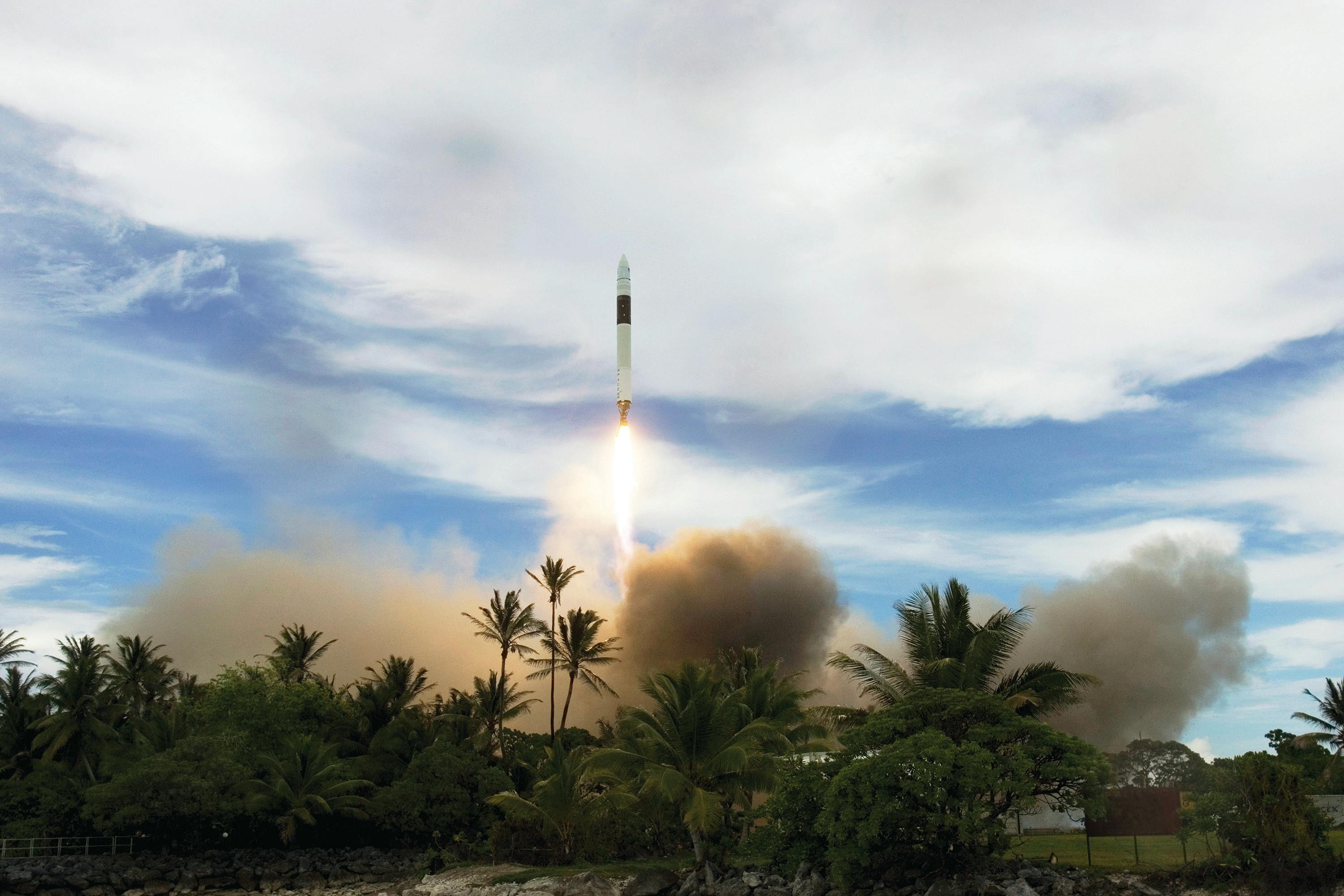
Starship transport barge identified for shipping components from Starbase to Kennedy Space Center. Starlink's 2025 report shows 4.6M new customers and expansion to 35 new regions.
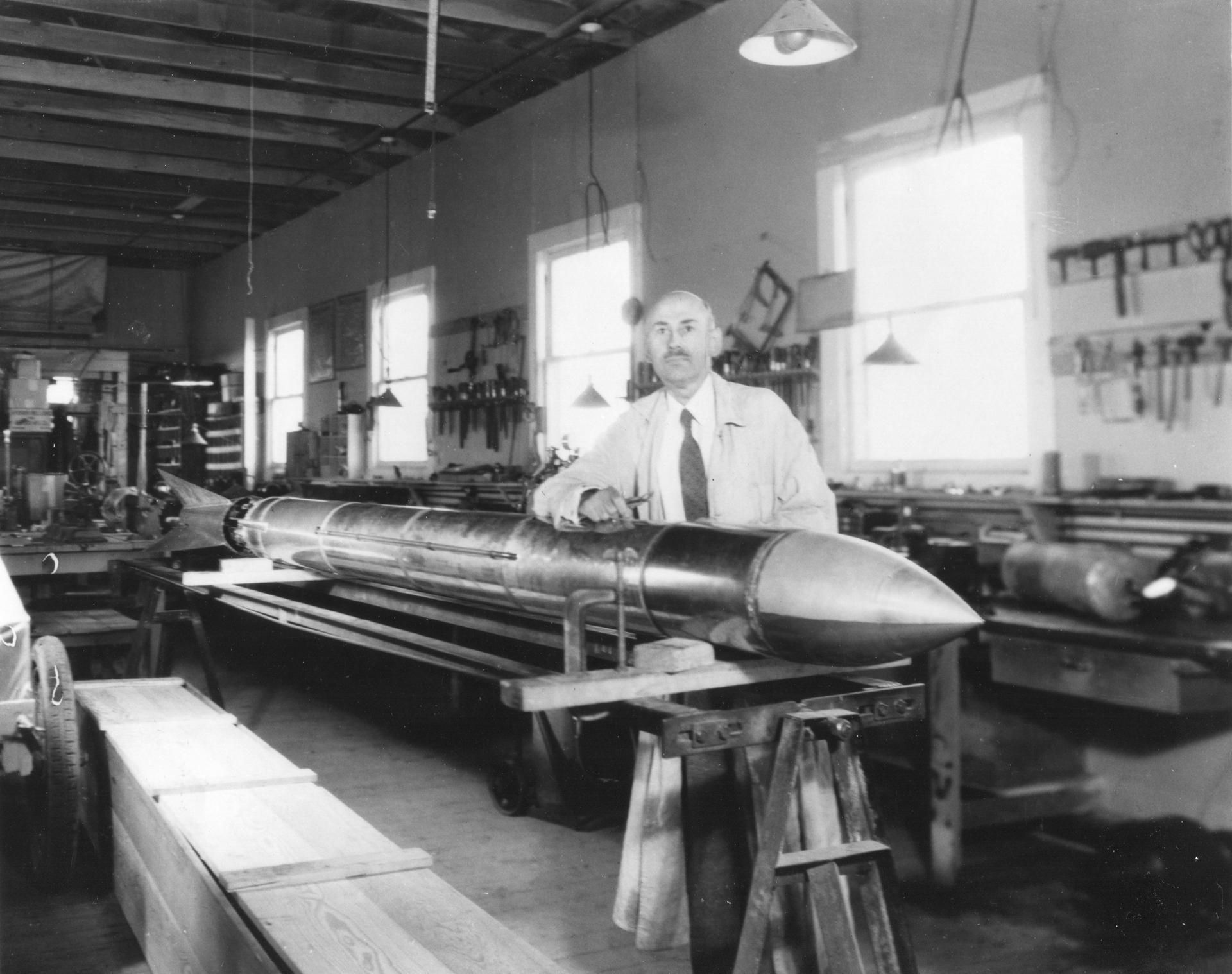
On February 2, 1909, Robert Goddard made a revolutionary breakthrough in his notebook: liquid oxygen and liquid hydrogen could achieve 50% efficiency in converting heat energy to kinetic energy for rocket propulsion

Today's Space Brief highlights the U.S. Air Force's $48 million investment in testing reentry capsules, a Pentagon-backed GPS alternative, and the Space Force's quest for funding autonomy.

Blue Origin reveals plans for 5,400+ satellite constellation targeting enterprise and government with 6 Tbps capacity. SpaceX launches first West Coast Starlink mission of 2026 from Vandenberg.
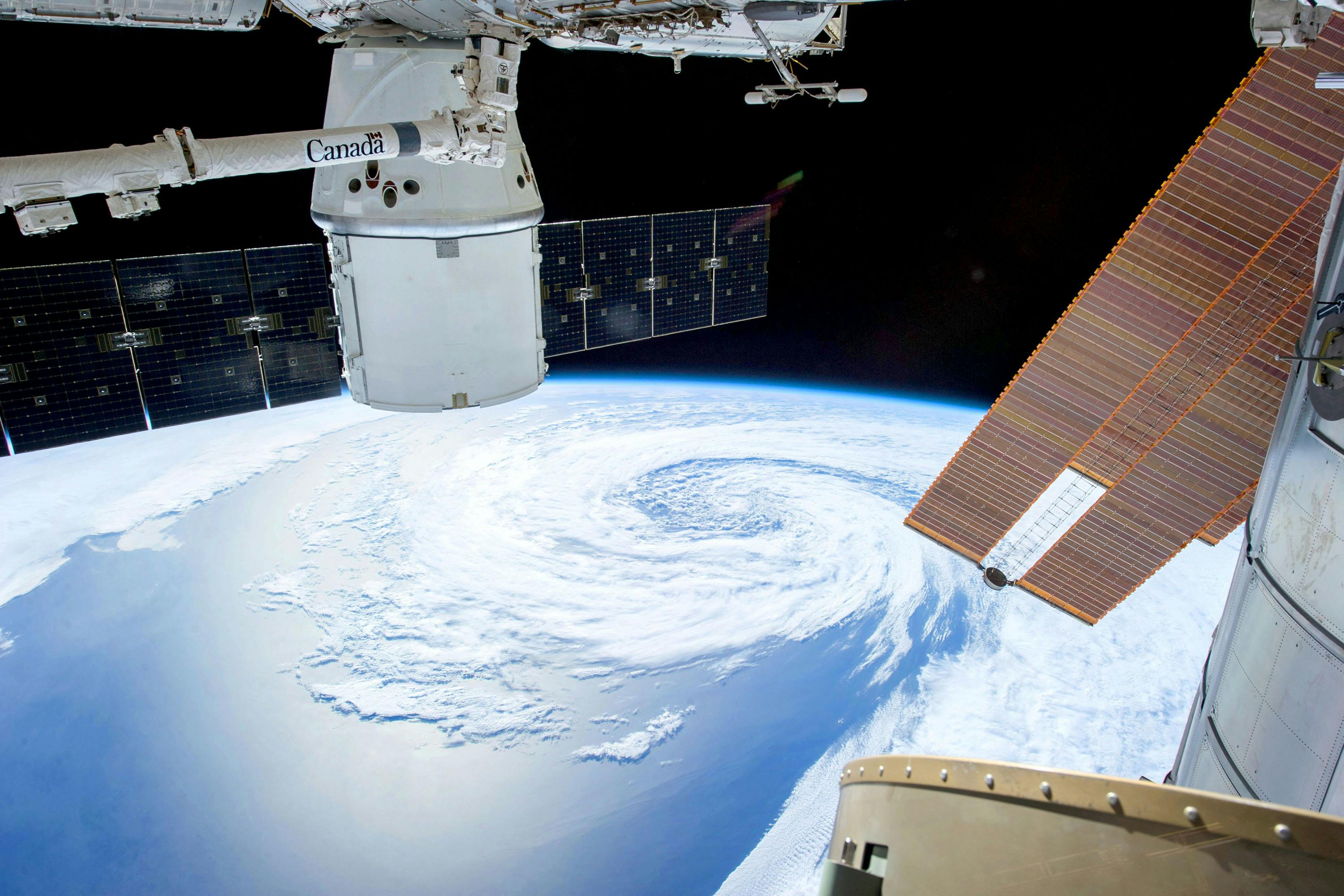
Starship V3 targets an April 2026 debut, the ride for next-gen Starlink V3 satellites. Fleet stands at 10,062 working of 11,587 launched.

Today's Space Brief highlights major developments in satellite launches, regulatory milestones for spectrum sales, and the evolving landscape of space-related cyber conflicts.

SpaceX unveils Stargaze space situational awareness system during 13th launch of January. Reports surface of SpaceX-xAI merger talks ahead of potential IPO. Dual-coast Starlink launches from CA and FL.