


X Report 1 Sep 2025
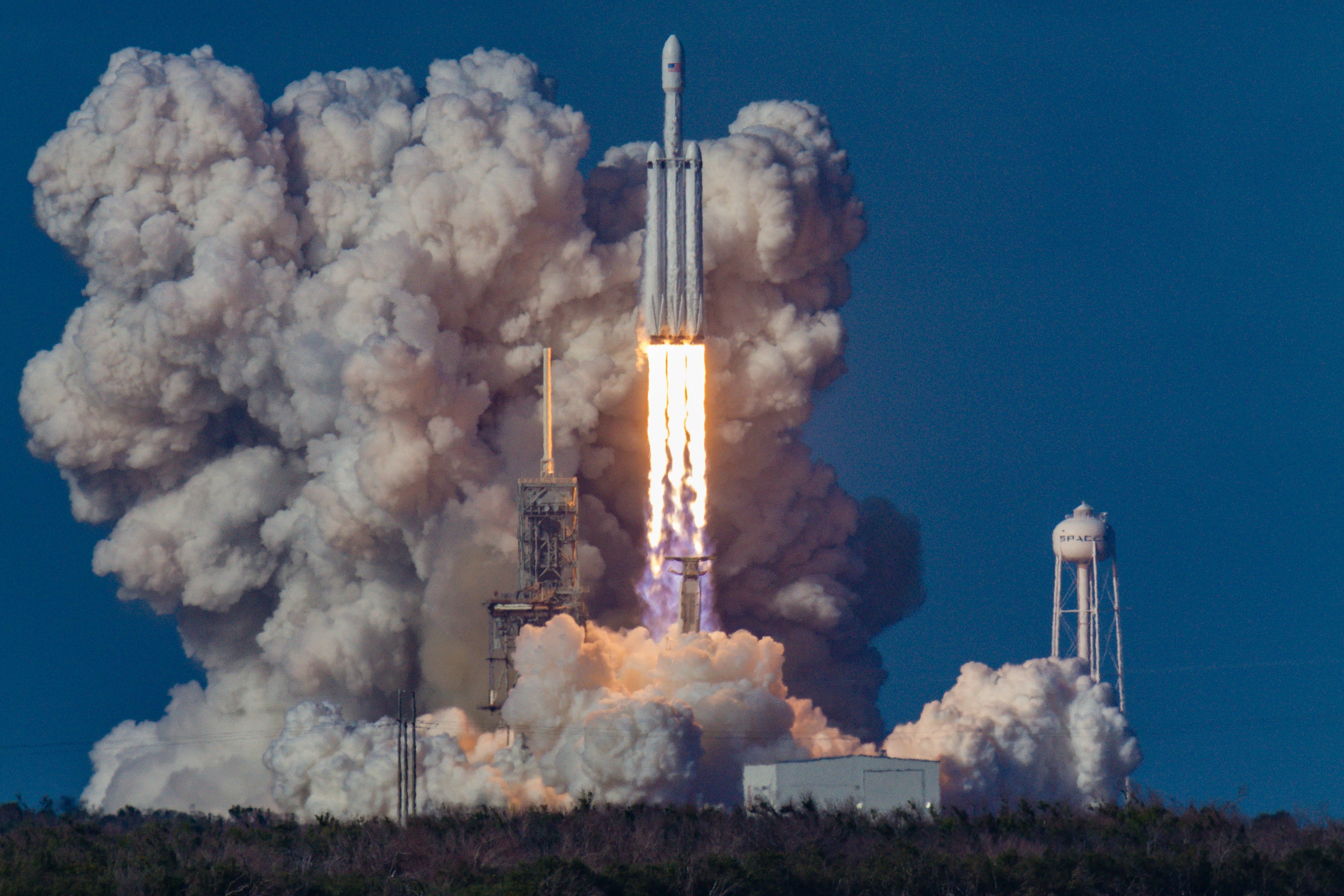
SpaceX successfully launched 28 Starlink satellites from Florida, continuing its momentum in expanding global internet coverage.



Launch Date
October 17, 2018
Launch Site
Launch Pad
SLC41
Launch Vehicle
Atlas V 551
NORAD ID
46660
International Designator
2018-079CN
Epoch
Fri, 03 Jul 2026 11:13:07 GMT
Apogee
Calculating...
Perigee
Calculating...
Inclination
13.29°
Right Ascension
39.63°
Eccentricity
Calculating...
Argument of Perigee
305.81°
Period
795.20 min
Mean Motion
1.81 rev/day
Latitude
Calculating...
Longitude
Calculating...
Altitude
Calculating...
Velocity
Calculating...
Name
ATLAS 5 CENTAUR DEB
Alternative Name
deb Centaur AV-073
Type
Status
Owner
ULAL
Country
United States
Constellation
N/A
Related Satellites
Major Events
N/A
1 46660U 18079CN 26184.46744518 -.00000103 00000-0 00000-0 0 9992
2 46660 13.2889 39.6328 4598888 305.8125 19.5422 1.81086561 12260
Source: Celestrak
Length
0
Diameter
0
Span
0
Dry Mass
0
Launch Mass
0
Shape
N/A
Radar Cross Section
Unknown
Visual Magnitude
Unknown
Color
Unknown
Material Composition
Unknown
Payload
Unknown
Purpose
Unknown
Mission
Unknown
Manufacturer
ULAD
Life Expectancy
Unknown
Bus
Unknown
Configuration
Unknown
Motor
Unknown
Equipment
Unknown
Power System
Unknown
ADCS
Unknown
Transmitter Frequency
Unknown
Learn more about satellites and other related topics.
SpaceX successfully launched 28 Starlink satellites from Florida, continuing its momentum in expanding global internet coverage.

SpaceX gears up for a series of launches, including Starlink deployments, lunar missions, and updates on the Starship program.
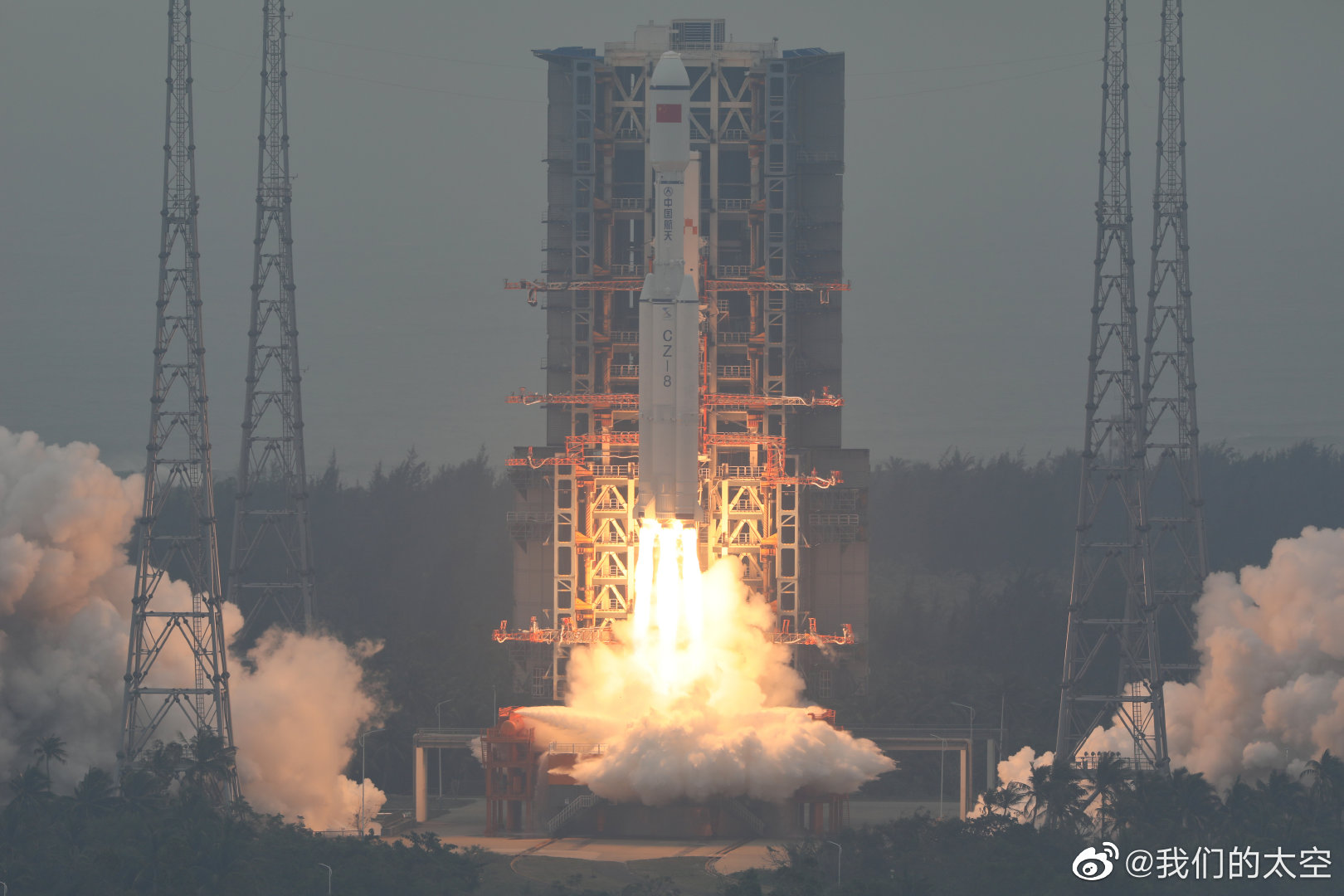
Today's highlights include the launch of a U.S. military satellite via SpaceX, a new French defense agreement for satellite services, and the Missile Defense Agency's successful ICBM target tracking with long-range radar.
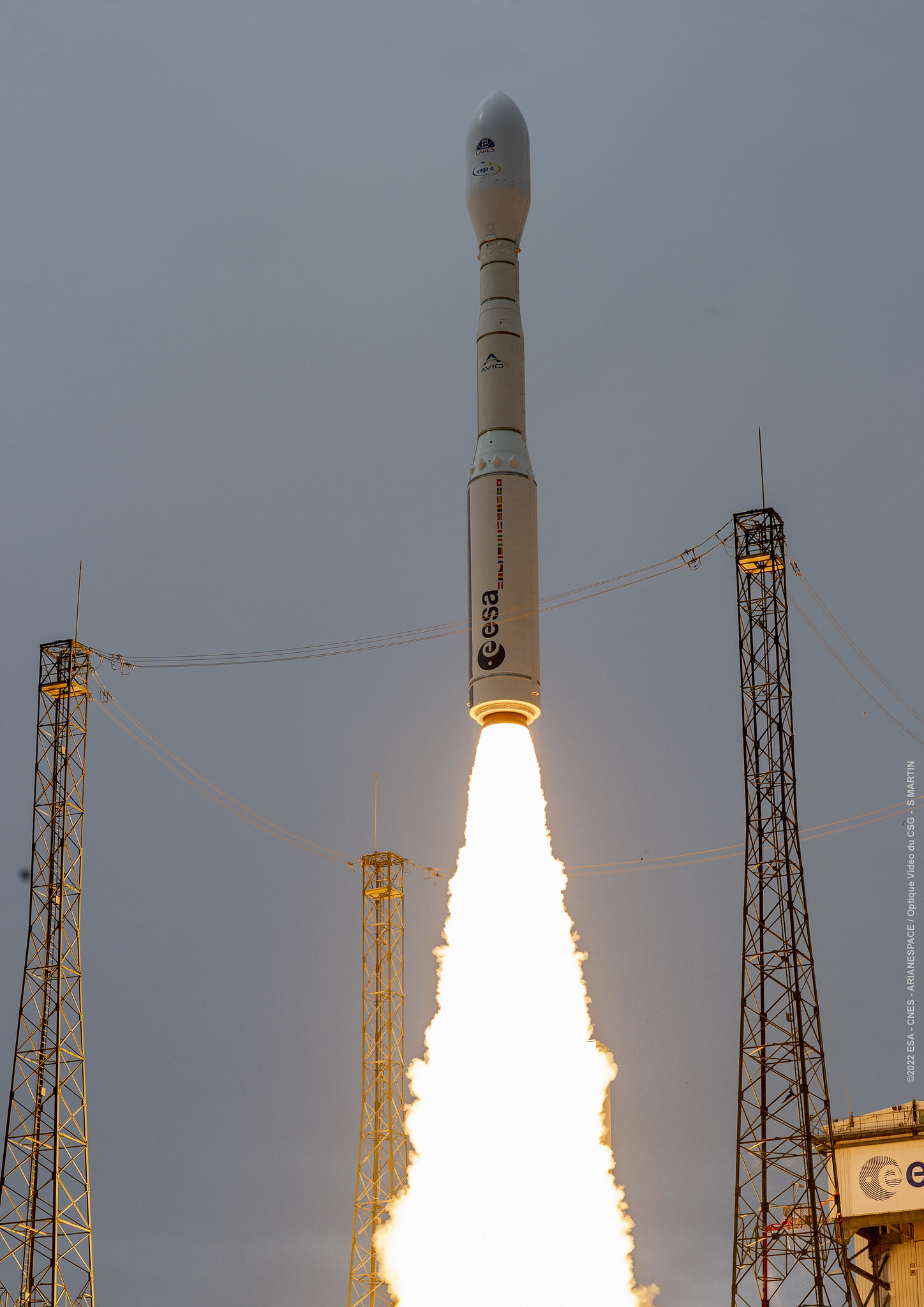
Today's highlights include a space debris incident involving China's spacecraft, development advancements for military space missions, and a notable setback for SpaceX's Starship booster.

On April 22, 2026, the FAA published a final rule implementing per-launch user fees for commercial space transportation — the first time the U.S. government has charged payload-based fees for rocket launches. Starting at 25 cents per pound with a $30,000 cap, the fees are modest today. By 2033, they won't be.
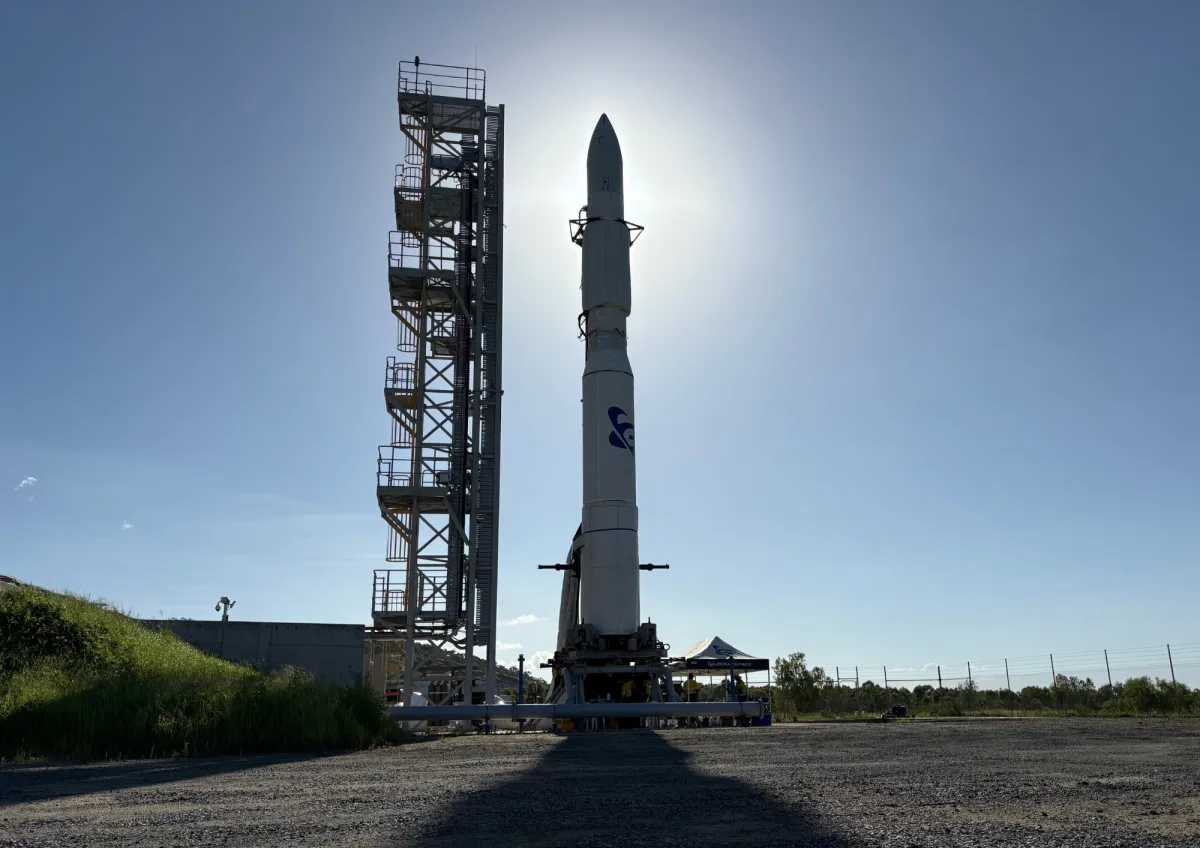
Today's space highlights include significant military contracts for aerospace innovations, advancements in small-satellite procurement, and discussions on the role of nuclear energy in space exploration.
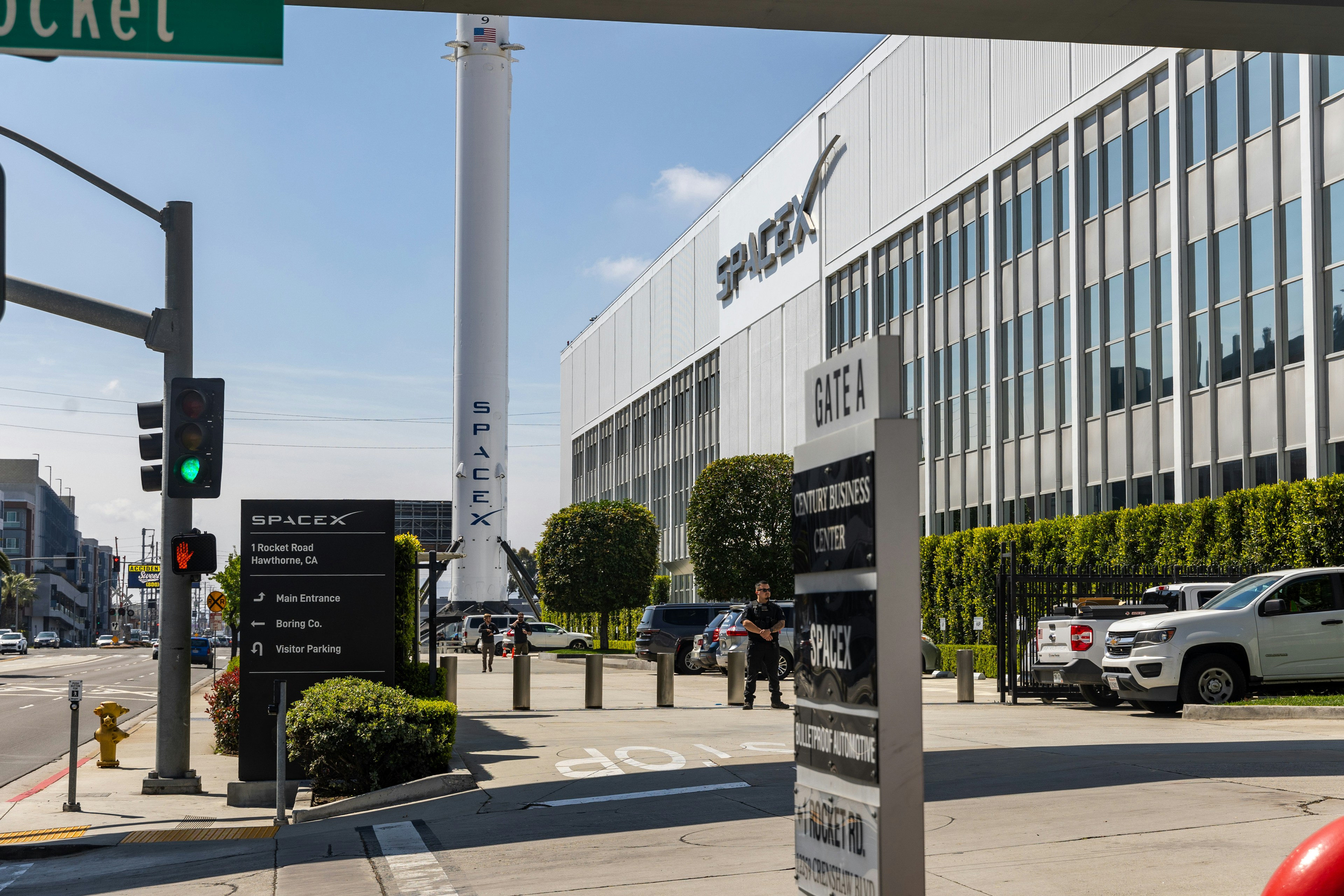
SpaceX sets a new reusability record and continues its busy launch schedule with multiple Starlink missions.
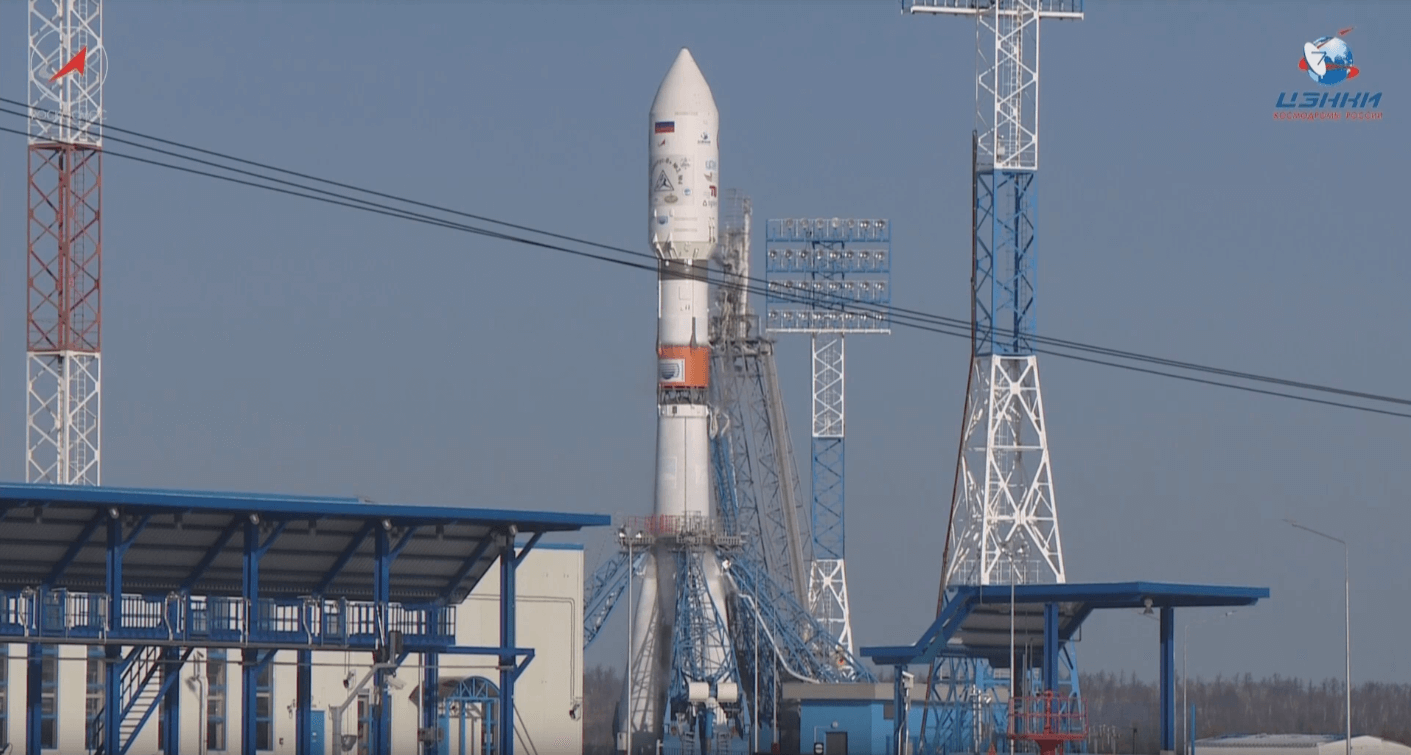
Today's highlights include ABL Space shifting its focus to missile defense, Intuitive Machines advocating for Artemis infrastructure reforms, and more updates from space and defense sectors.