


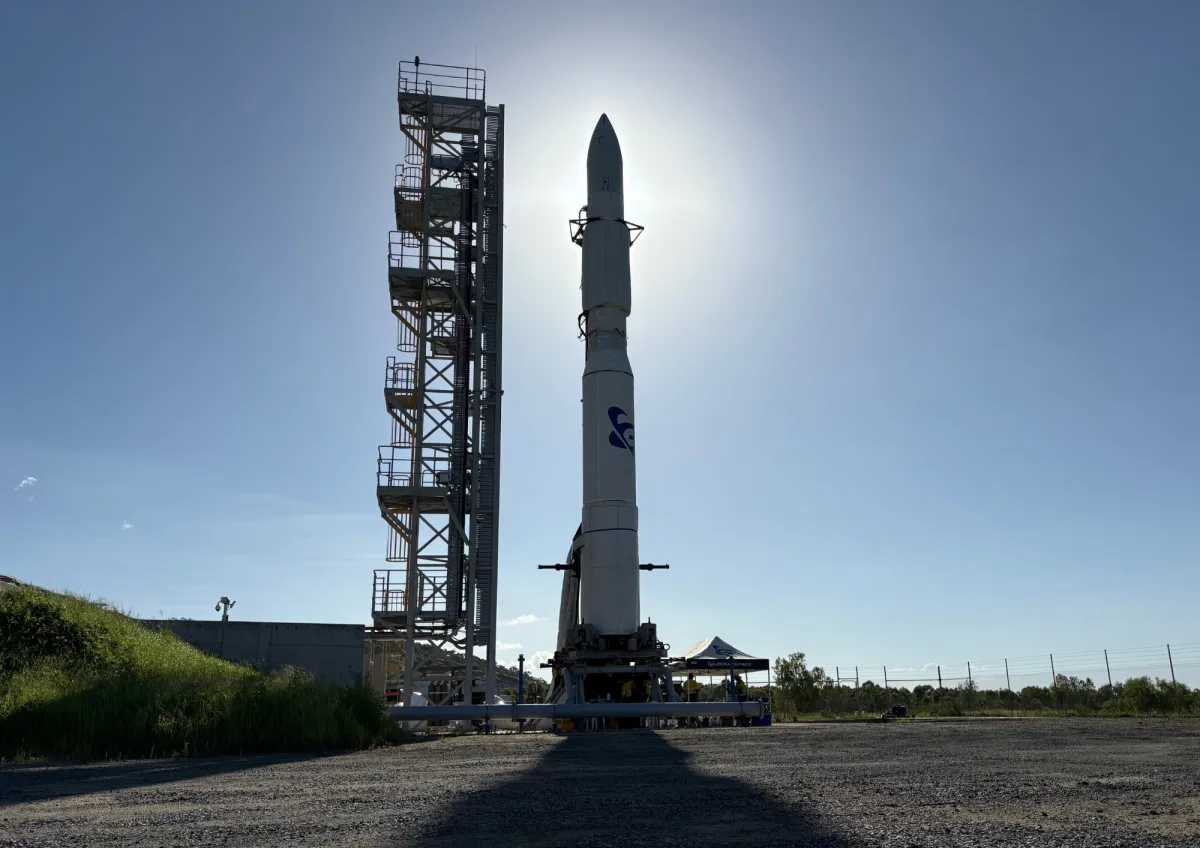
Space Brief 6 Apr 2025
Today, we explore substantial U.S. defense contracts awarded for space launches, ESA's enigmatic Euclid images release, and SpaceX missions covering satellite launches and astronaut reentries.



Launch Date
October 6, 2020
Launch Site
Launch Pad
LC39A
Launch Vehicle
NORAD ID
46563
International Designator
2020-070AH
Epoch
Fri, 03 Jul 2026 13:32:40 GMT
Apogee
Calculating...
Perigee
Calculating...
Inclination
53.02°
Right Ascension
282.22°
Eccentricity
Calculating...
Argument of Perigee
343.48°
Period
91.93 min
Mean Motion
15.66 rev/day
Latitude
Calculating...
Longitude
Calculating...
Altitude
Calculating...
Velocity
Calculating...
Name
STARLINK-1730
Alternative Name
Starlink 1730
Type
Status
Owner
SPXS
Country
United States
Constellation
N/A
Related Satellites
Major Events
N/A
1 46563U 20070AH 26184.56436143 .00085349 00000-0 80208-3 0 9996
2 46563 53.0237 282.2184 0006229 343.4825 16.5986 15.66421798318298
Source: Celestrak
Length
0.2
Diameter
2.8
Span
9
Dry Mass
248
Launch Mass
260
Shape
Box + pan
Radar Cross Section
Unknown
Visual Magnitude
Unknown
Color
Unknown
Material Composition
Unknown
Payload
Starlink V1.0-L12-44
Purpose
Communication
Mission
Communication
Manufacturer
SPXS
Life Expectancy
Unknown
Bus
Starlink
Configuration
Unknown
Motor
Krypton ion thrusters
Equipment
Ku/Ka-band payload (all), optical inter-satellite links (a few prototypes)
Power System
Solar arrays, batteries
ADCS
Unknown
Transmitter Frequency
Unknown
Learn more about satellites and other related topics.
Today, we explore substantial U.S. defense contracts awarded for space launches, ESA's enigmatic Euclid images release, and SpaceX missions covering satellite launches and astronaut reentries.

SpaceX preps for Starship Flight 6 while Shotwell predicts Starship's future impact. Impulse Space secures Falcon 9 launches, and potential shifts in US space policy loom.

Artemis 2 Orion carries first humans toward the Moon in 53 years. Spacecraft in good health after trans-lunar injection; lunar flyby observation plan due April 6.
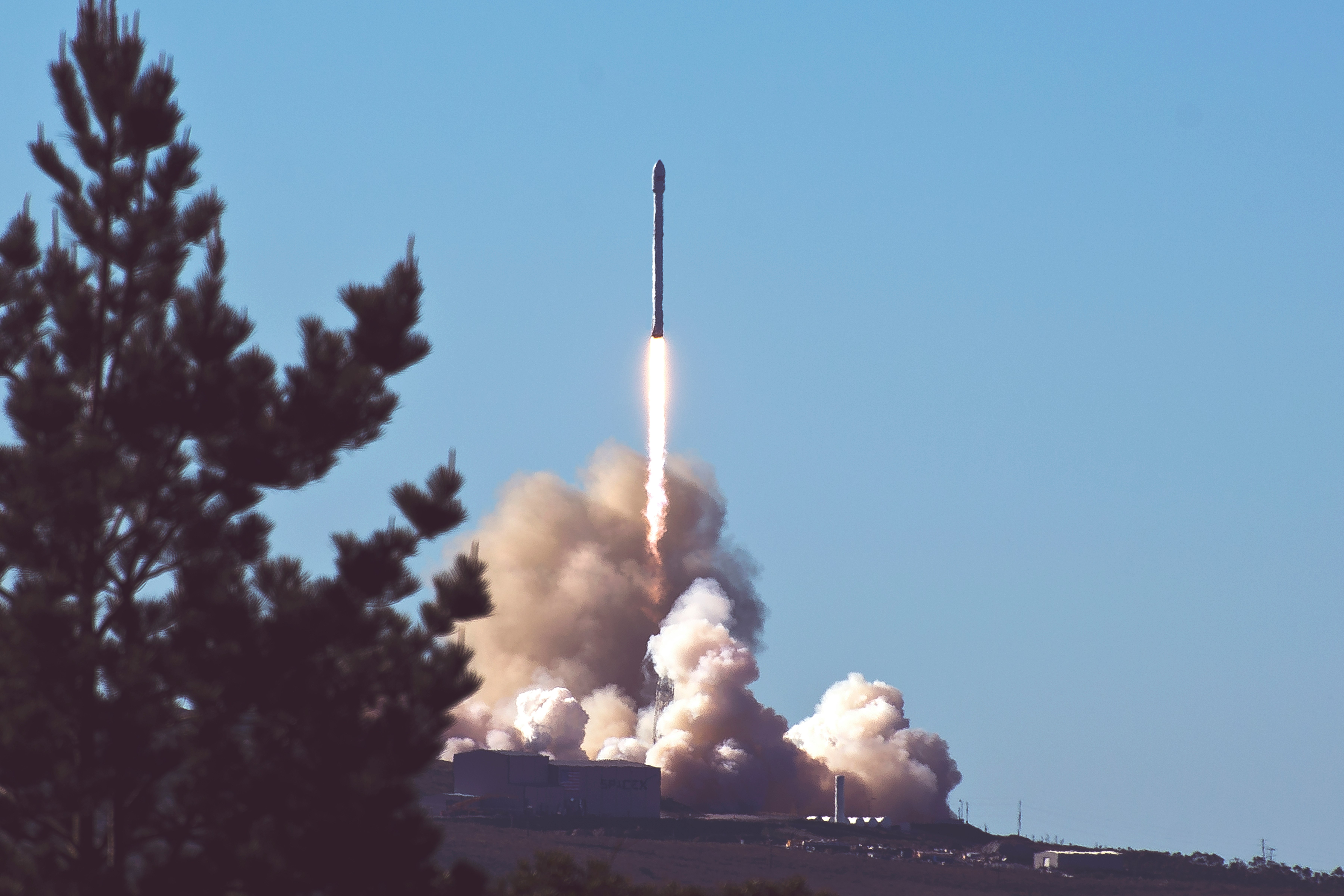
SpaceX launches Starlink satellites successfully, while Starbase inches closer to city status and business discussions intensify.

Today's key space events include SpaceX's launch of the secretive X-37B military drone, XTAR's U.S. defense market strategy, and China's space station AI upgrade.
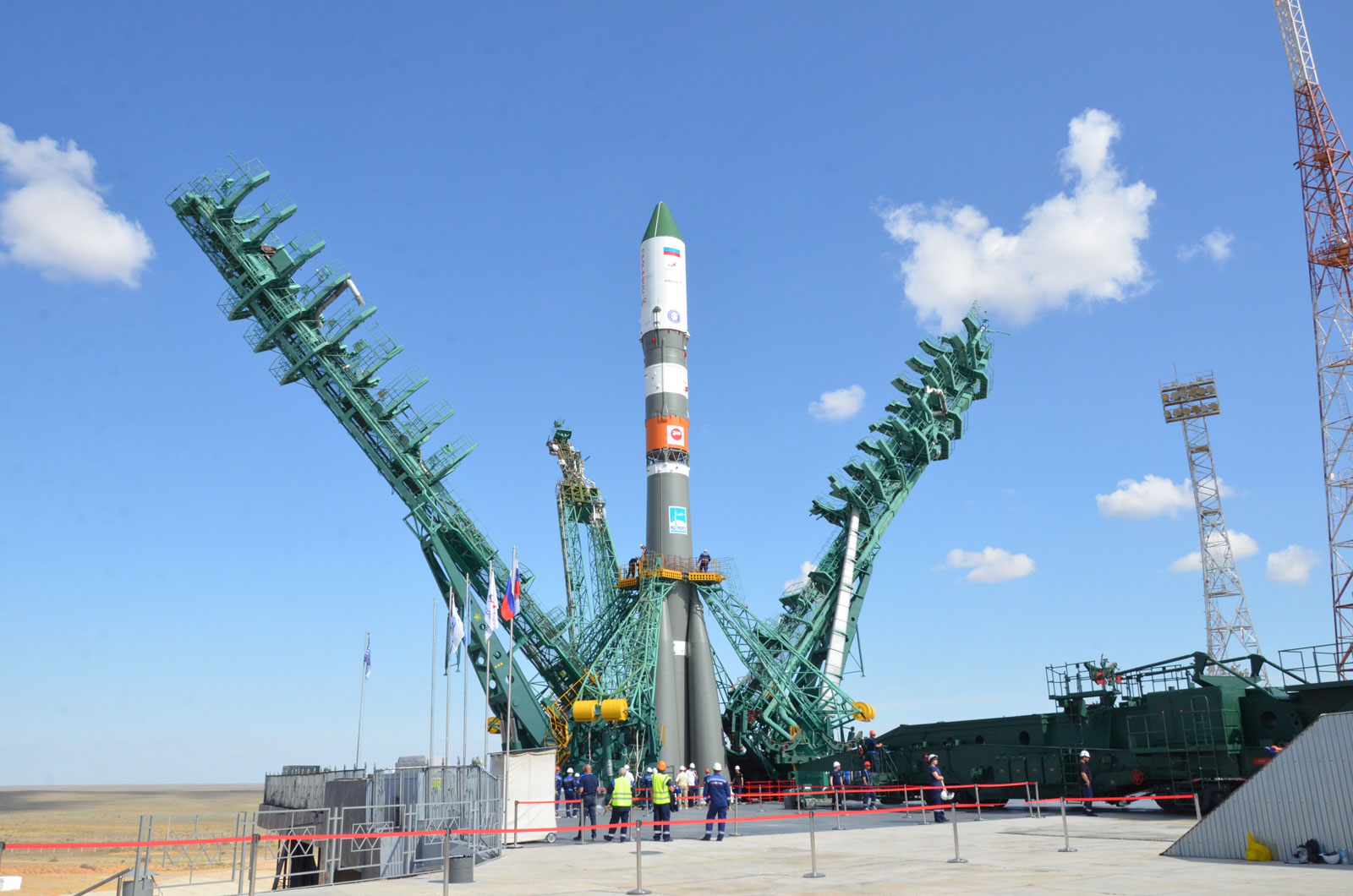
Today's highlights include a record-breaking event at the International Space Station, significant funding for hypersonic missile production, and several key military developments impacting space strategy.
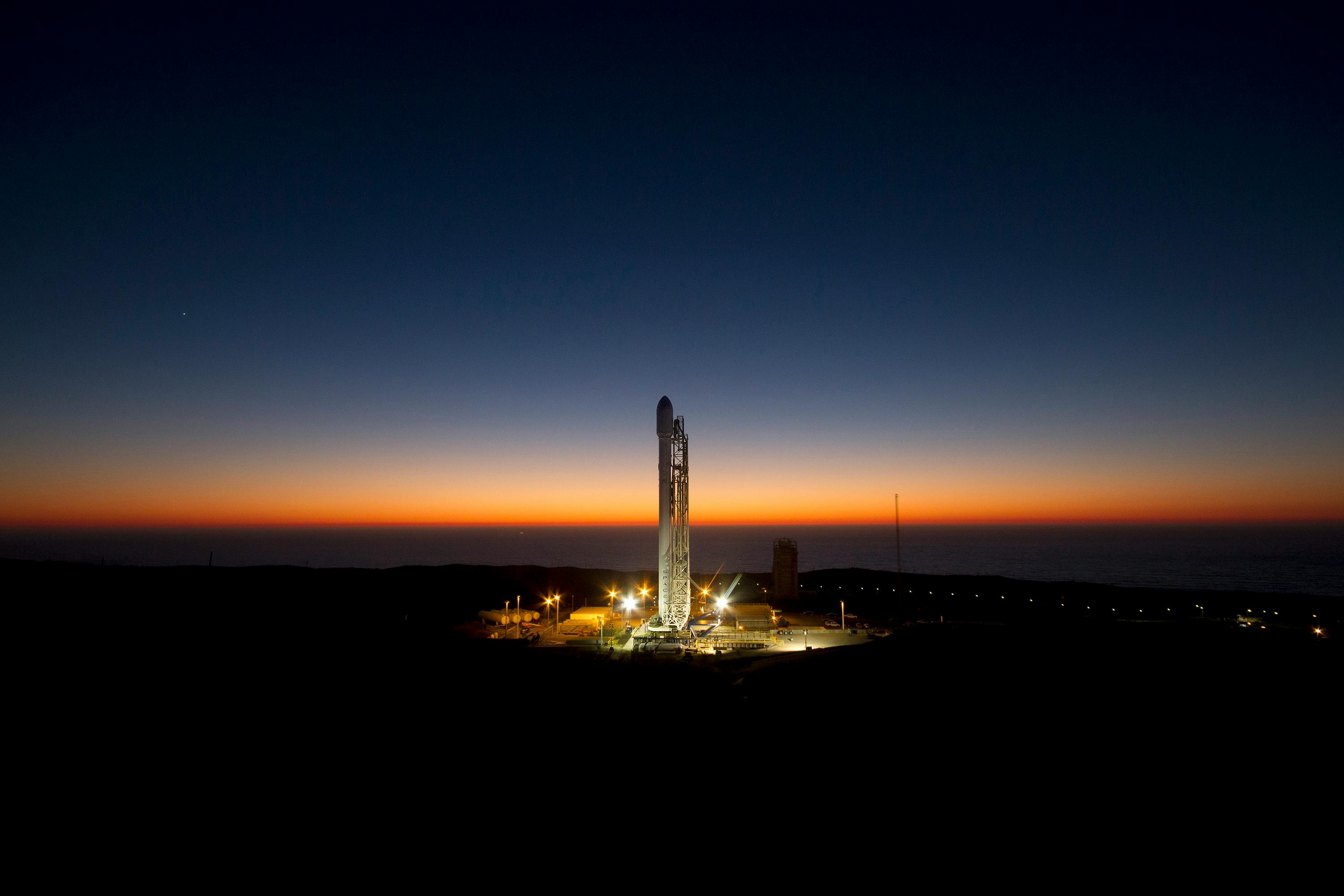
SpaceX sets launch milestones with quick turnarounds and new Starlink deployments, while eyeing rapid Starship expansions next year.
Key highlights include the launch of a Navy SEAL astronaut to the ISS, multi-billion dollar contracts awarded by the US Space Force, advancements in secure GPS technology, and a strategic ISR arrangement.