STARLINK-1681 (46559)

COSPAR: 2020-070AD | Alt Name: Starlink 1681

Image
STARLINK-1681 Satellite Image
Additional Sources
Launch Details

Launch Date

October 6, 2020

Launch Pad

LC39A

Launch Vehicle

Falcon 9

Orbital Elements

NORAD ID

46559

International Designator

2020-070AD

Epoch

Tue, 28 Apr 2026 00:52:14 GMT

Apogee

Calculating...

Perigee

Calculating...

Inclination

53.03°

Right Ascension

181.64°

Eccentricity

Calculating...

Argument of Perigee

319.55°

Period

87.38 min

Mean Motion

16.48 rev/day

Latitude

Calculating...

Longitude

Calculating...

Altitude

Calculating...

Velocity

Calculating...

Polar Plot
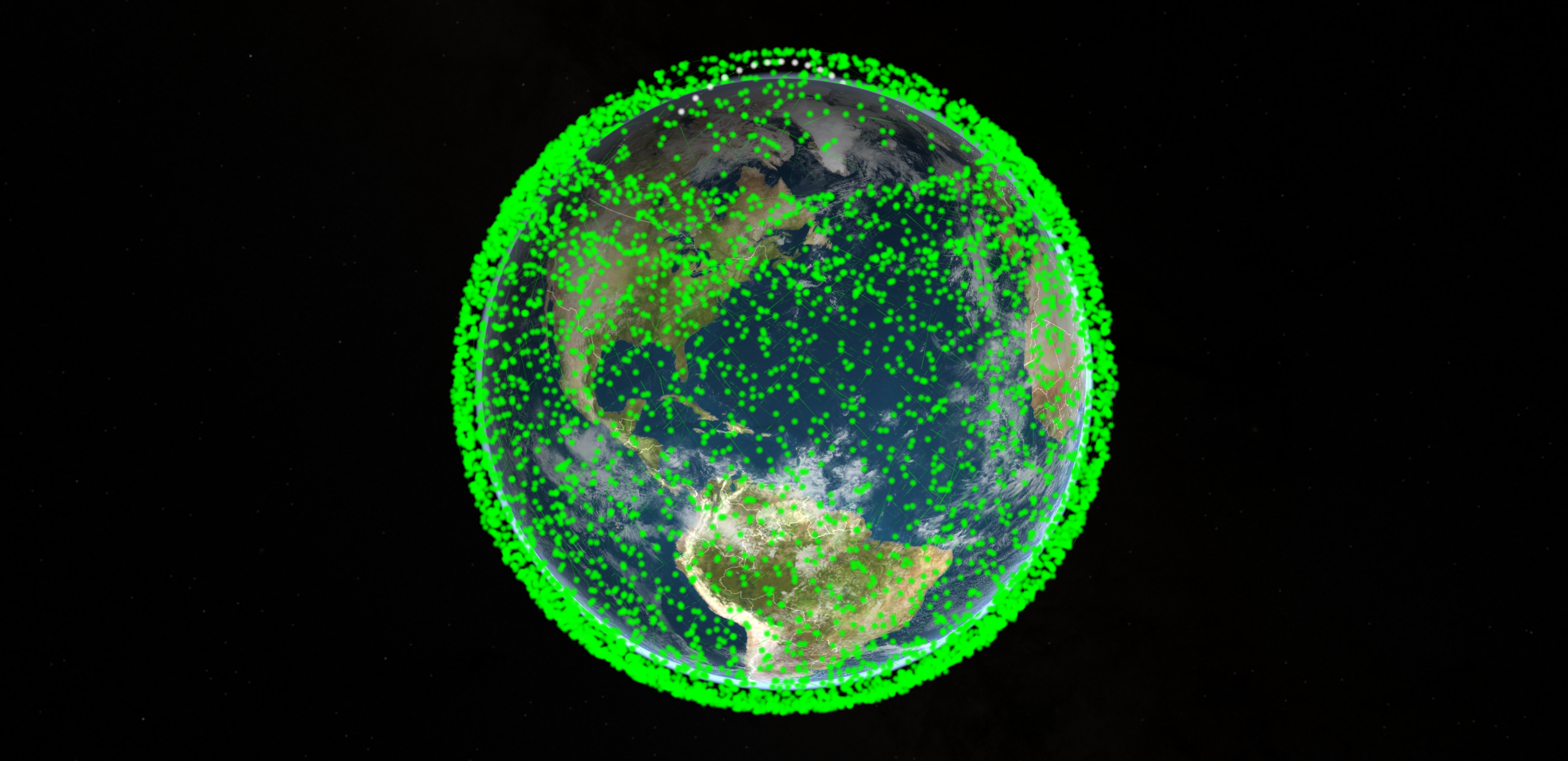
3D Visualization
Basic Satellite Info

Name

STARLINK-1681

Alternative Name

Starlink 1681

Type

Payload

Status

Partially operational

Owner

SPXS

Country

United States

Constellation

N/A

Related Satellites

Major Events

N/A

Latest TLEs
1 46559U 20070AD  26118.03628272  .15572839  12659-4  24570-3 0  9994
2 46559  53.0252 181.6434 0005677 319.5481  40.5146 16.48036429308814

Source: Celestrak

Summary
The STARLINK-1681 satellite, also known as Starlink 1681, is owned and operated by SPXS (SpaceX) for communication purposes. It was launched on October 6, 2020, from Launch Complex 39A at the Cape Canaveral Air Force Station aboard a Falcon 9 launch vehicle. The satellite measures 0.2 meters in length, has a diameter of 2.8 meters, and spans 9 meters with its solar arrays deployed. It carries a Ku/Ka-band payload along with optical inter-satellite links on some prototypes and is powered by solar arrays and batteries. Its dry mass is 248 kilograms, and it had a launch mass of 260 kilograms. The satellite is equipped with Krypton ion thrusters for propulsion and has a box-shaped structure with a pan configuration.

Starlink is a satellite constellation developed by SpaceX with the aim of providing global broadband internet coverage. Thousands of small satellites are deployed in low Earth orbit (LEO), enabling high-speed internet access even in remote areas. However, the rapid increase in satellites raises concerns about space debris and the potential for collisions, which can lead to further debris creation and endanger other spacecraft. Additionally, the sheer number of Starlink satellites can affect astronomical observations by increasing light pollution. Proper deorbiting plans and international coordination are essential to mitigate these challenges and ensure long-term sustainability in space.
Physical Characteristics

Length

0.2

Diameter

2.8

Span

9

Dry Mass

248

Launch Mass

260

Shape

Box + pan

Radar Cross Section

Unknown

Visual Magnitude

Unknown

Color

Unknown

Material Composition

Unknown

Technical Details

Payload

Starlink V1.0-L12-20

Purpose

Communication

Mission

Communication

Manufacturer

SPXS

Life Expectancy

Unknown

Bus

Starlink

Configuration

Unknown

Motor

Krypton ion thrusters

Equipment

Ku/Ka-band payload (all), optical inter-satellite links (a few prototypes)

Power System

Solar arrays, batteries

ADCS

Unknown

Transmitter Frequency

Unknown

Map
This tool will help you track the satellite's position and predict its upcoming passes over your location. Simply input the coordinates or click the geolocation button to get started.
Next Pass
Azimuth Elevation Time (Local)
Start Azimuth
Max Elevation
Stop Azimuth
Time Until
Pass Duration

Satellite Articles

View All Posts »

Learn more about satellites and other related topics.

Starlink-34343 | The Second Fragmentation Event in Three Months

Starlink-34343 | The Second Fragmentation Event in Three Months

STARLINK-34343 broke apart at 560 kilometers. SpaceX's response - launch more satellites the next morning - tells you everything about the confidence gap between fleet statistics and individual failure modes.

X Report 28 Jun 2025

X Report 28 Jun 2025

SpaceX continues to dominate with two Starlink launches in one day, the unveiling of its final Crew Dragon, and facing legal challenges from Mexico regarding a recent Starship incident.

X Report 25 Jul 2025

X Report 25 Jul 2025

SpaceX successfully launched NASA's TRACERS mission while Starlink faced a brief global outage, affecting users worldwide.

Space Brief 25 Feb 2025

Space Brief 25 Feb 2025

Today's Space Brief covers imminent launches, new developments in space technology, and strategic military contributions to satellite defense systems.

The Day Humanity First Used a Planet to Navigate the Solar System

The Day Humanity First Used a Planet to Navigate the Solar System

Fifty-one years ago, Mariner 10 revolutionized space exploration by executing the first-ever planetary gravity assist at Venus, pioneering a technique that would transform how we explore the solar system

Space Brief 30 Nov 2025

Space Brief 30 Nov 2025

Today's highlights include Europe's record space budget for independence, Transporter-15's successful launch of 140 payloads, and the damage to the Baikonur pad affecting upcoming ISS missions.

Space Force Awards $54.5M to Starfish Space for GEO Servicing | KeepTrack Space Brief

Space Force Awards $54.5M to Starfish Space for GEO Servicing | KeepTrack Space Brief

Space Force awards $54.5M to Starfish Space for GEO satellite servicing vehicle. Artemis II heads to launch pad for first crewed Moon flyby in 54 years. Crew-12 confirmed.

The Day That Changed Spaceflight Forever

The Day That Changed Spaceflight Forever

Thirty-nine years ago, the loss of Space Shuttle Challenger and its seven crew members forever transformed our approach to spaceflight safety and risk management