KEPLER-4 (ANTILLES) (46499)

COSPAR: 2020-068P | Alt Name: Antilles
DECAYED

Image
KEPLER-4 (ANTILLES) Satellite Image
Additional Sources
Launch Details

Launch Date

September 28, 2020

Launch Site

PLMSC

Launch Pad

LC43/4

Launch Vehicle

Soyuz-2-1B

Orbital Elements

NORAD ID

46499

International Designator

2020-068P

Decay Date

6/18/2025

Basic Satellite Info

Name

KEPLER-4 (ANTILLES)

Alternative Name

Antilles

Type

Payload

Status

Decayed

Owner

KEPLER

Country

Canada

Constellation

N/A

Related Satellites

Major Events

N/A

Summary
The KEPLER-4 (ANTILLES) satellite, also known as Antilles, is a 6U CubeSat configured in a Box + 2 pan shape, manufactured by KEPLER/UTIAS and owned by KEPLER. It was launched on September 28, 2020, from the PLMSC launch site using Soyuz-2-1B as the launch vehicle. The satellite weighs 15 kg at launch and has a dry mass of 15 kg. Its dimensions are 0.3 meters in length, 0.2 meters in diameter, and spans 0.7 meters. It is equipped with an SDR and narrowband communications payload for its mission to support M2M/IoT communication purposes. The satellite's power system consists of solar cells and batteries.
Physical Characteristics

Length

0.3

Diameter

0.2

Span

0.7

Dry Mass

15

Launch Mass

15

Shape

Box + 2 pan

Radar Cross Section

Unknown

Visual Magnitude

Unknown

Color

Unknown

Material Composition

Unknown

Technical Details

Payload

Kepler 4/Gen1-1

Purpose

Communication M2M/IoT

Mission

Communication M2M/IoT

Manufacturer

KEPLER/UTIAS

Life Expectancy

Unknown

Bus

Cubesat 6U

Configuration

CubeSat (6UXL)

Motor

Unknown

Equipment

SDR, narrowband communications payload

Power System

Solar cells, batteries

ADCS

Unknown

Transmitter Frequency

Unknown

Satellite Articles

View All Posts »

Learn more about satellites and other related topics.

Space Brief 11 May 2025

Space Brief 11 May 2025

Discover the latest innovations from Rocket Lab, new developments in hypersonic flight, and significant advances in satellite technology with BlackSky. Gain insights into the Space Force's mission and MIT physicists' breakthroughs in observing atoms.

X Report 25 May 2025

X Report 25 May 2025

SpaceX addresses the cause of its recent Starship Flight 8 explosion, while successfully launching 23 more Starlink satellites as it continues to expand its constellation.

Aurora 7 and the Day NASA Almost Lost Scott Carpenter

Aurora 7 and the Day NASA Almost Lost Scott Carpenter

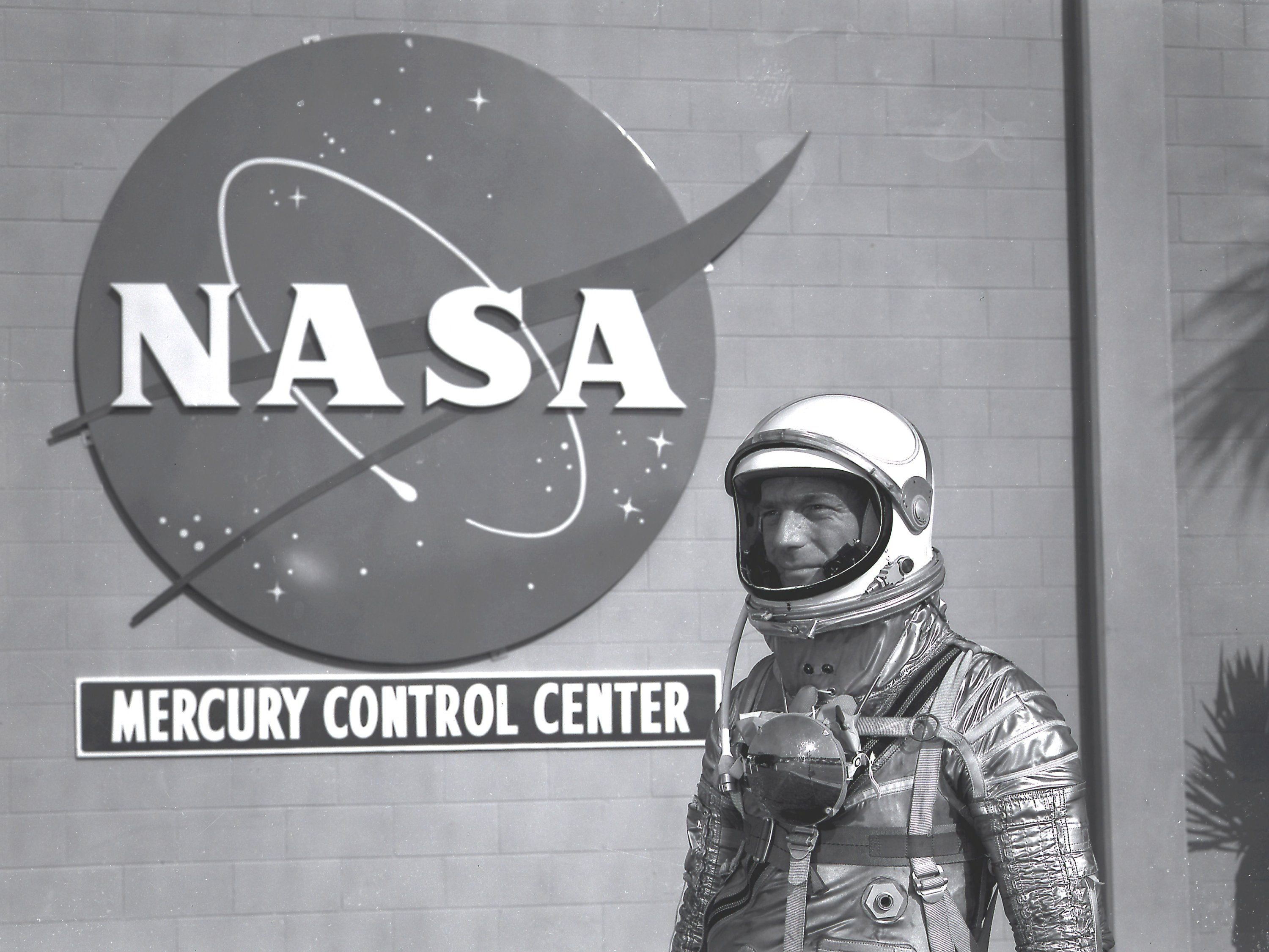
Exactly 64 years ago today, Scott Carpenter became the fourth American to orbit the Earth aboard Aurora 7. His five-hour flight produced new science, a tense reentry, and 39 minutes of silence in which the country wondered if it had just lost its astronaut.

SpaceX Hits 600th Falcon 9 Launch, ISS Crew Restored to Seven | KeepTrack X Report

SpaceX Hits 600th Falcon 9 Launch, ISS Crew Restored to Seven | KeepTrack X Report

SpaceX launches 600th Falcon 9 rocket with Starlink 17-13 mission. Crew Dragon docks at ISS restoring crew to seven. Crew-12 launched on Friday the 13th in a first for NASA.

GOES-G | The Day a Weather Satellite Exploded Over the Atlantic

GOES-G | The Day a Weather Satellite Exploded Over the Atlantic

Forty years ago today, a Delta 3914 lifted off Cape Canaveral with a weather satellite the country could not afford to lose. Seventy-one seconds later, its main engine cut off. Ninety-one seconds in, the range safety officer pressed his button. The third domino of a brutal 1986 had fallen.

Starlink V2 Flies on Starship in 2027, X Report 4 Mar 2026

Starlink V2 Flies on Starship in 2027, X Report 4 Mar 2026

Gwynne Shotwell confirms Starlink V2 launches on Starship in 2027. Ship 39 preps Starship Flight 12; Falcon 9 lofts its 600th Starlink of 2026.

Australian Space Centre Cape York

Australian Space Centre Cape York

When your landlord won't sign the lease, you move. How Equatorial Launch Australia abandoned Arnhem Land and pivoted to Queensland - and what it means for Australia's equatorial launch ambitions.

Space Brief 16 Aug 2025

Space Brief 16 Aug 2025

Today's brief covers ULA's new mission for the US Space Force, China's moon rocket test, delays in the DARC radar system, and SpaceX's Starlink launches.