


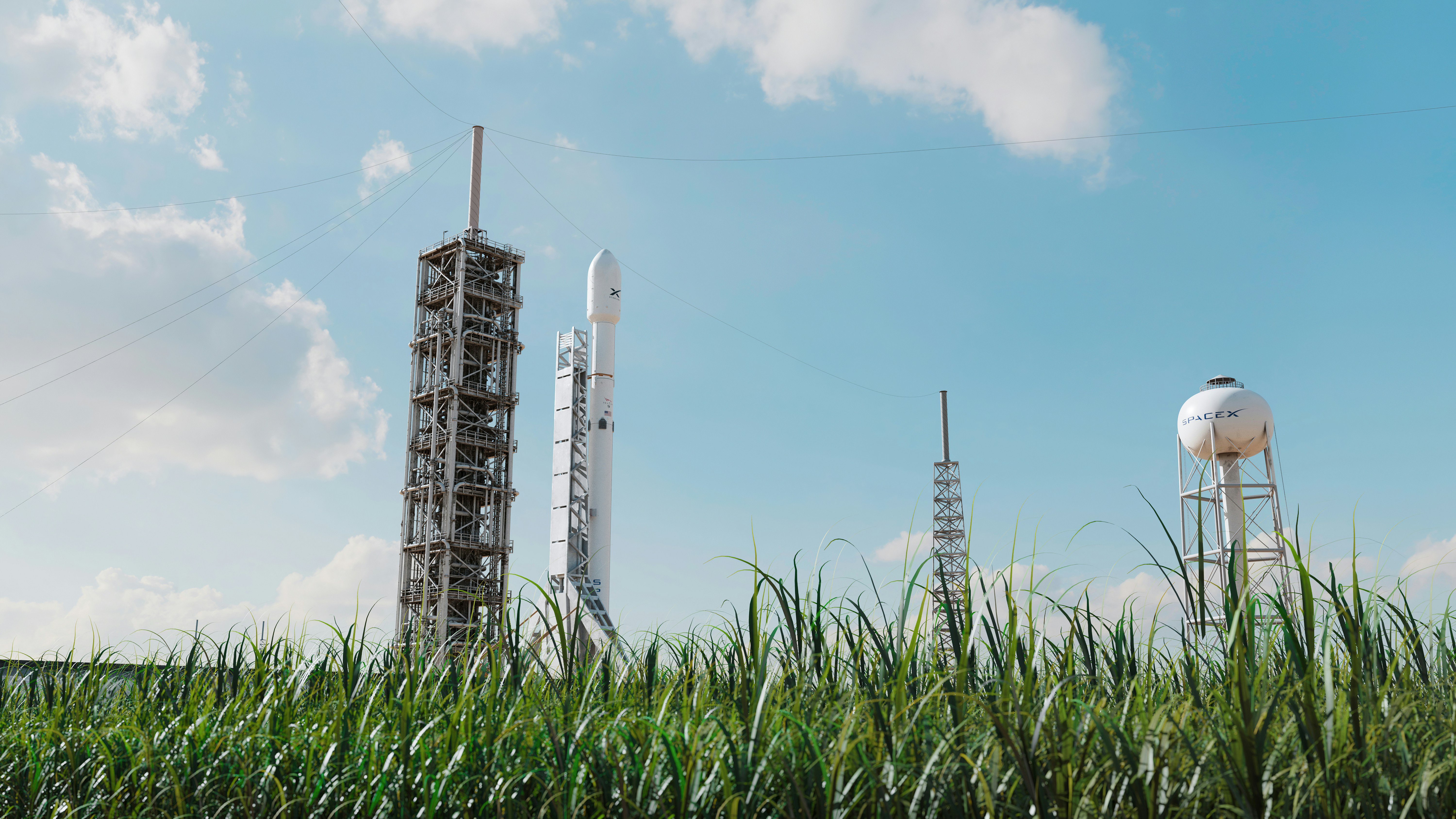
X Report 28 Aug 2025
SpaceX continues to break records with the Falcon 9's 30th flight while Starship's successful test flight propels the program forward after recent challenges.


Launch Date
September 28, 2020
Launch Site
PLMSC
Launch Pad
LC43/4
Launch Vehicle
Soyuz-2-1B
NORAD ID
46496
International Designator
2020-068L
Epoch
Sat, 04 Jul 2026 07:45:16 GMT
Apogee
Calculating...
Perigee
Calculating...
Inclination
97.75°
Right Ascension
152.63°
Eccentricity
Calculating...
Argument of Perigee
263.34°
Period
94.00 min
Mean Motion
15.32 rev/day
Latitude
Calculating...
Longitude
Calculating...
Altitude
Calculating...
Velocity
Calculating...
Name
ICEYE-X7
Alternative Name
ICEYE-X7
Type
Status
Owner
ICEYE
Country
Finland
Constellation
N/A
Related Satellites
Major Events
N/A
1 46496U 20068L 26185.32310214 .00017498 00000-0 56983-3 0 9996
2 46496 97.7506 152.6328 0005234 263.3408 96.7236 15.31903911317414
Source: Celestrak
Length
0.8
Diameter
0.6
Span
1.5
Dry Mass
80
Launch Mass
80
Shape
Box + pan
Radar Cross Section
Unknown
Visual Magnitude
Unknown
Color
Unknown
Material Composition
Unknown
Payload
ICEYE-X7
Purpose
Unknown
Mission
Unknown
Manufacturer
ICEYE
Life Expectancy
Unknown
Bus
ICEYE
Configuration
Unknown
Motor
?
Equipment
X-band SAR
Power System
2 deployable solar arrays, batteries
ADCS
Unknown
Transmitter Frequency
Unknown
Learn more about satellites and other related topics.
SpaceX continues to break records with the Falcon 9's 30th flight while Starship's successful test flight propels the program forward after recent challenges.
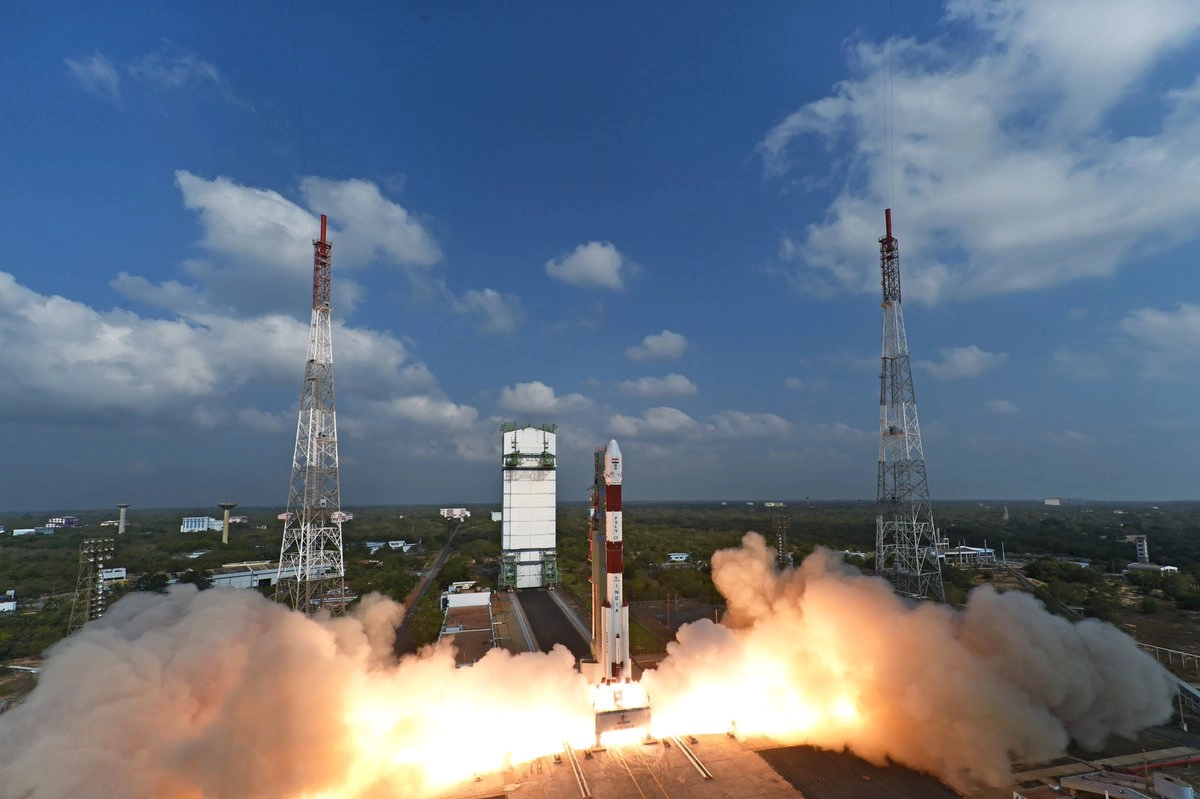
Eight years ago, a single Indian rocket launched 104 satellites into orbit, marking a pivotal moment when space tracking professionals realized the dawn of a new, congested era in orbital operations

Today's edition highlights the operational deployment of HawkEye 360's Cluster 12, Shandong's record satellite launch, Planet Labs' latest imaging achievements, SpaceX's Starlink launches, and more.

SpaceX launches multiple satellites, prepares for Starship Flight 6, and exciting collaborations with AST SpaceMobile.
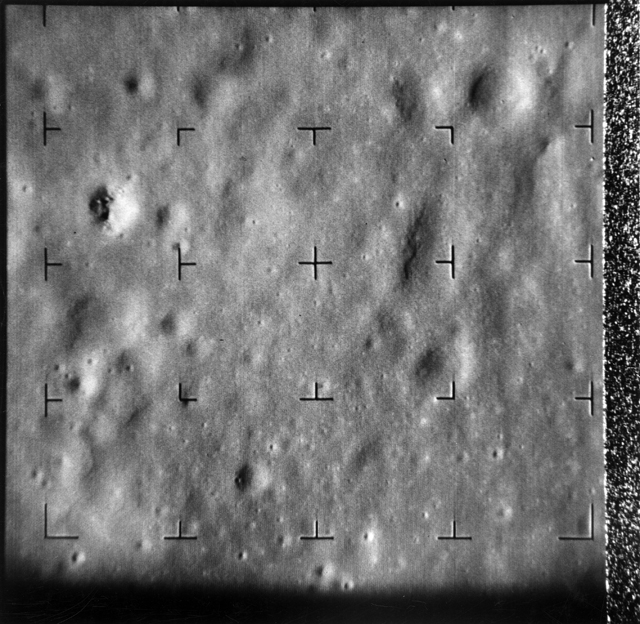
Sixty years ago, a pioneering spacecraft called Ranger 8 captured thousands of detailed photographs of the lunar surface before intentionally crashing into the Moon, helping pave the way for humanity's first steps on another world
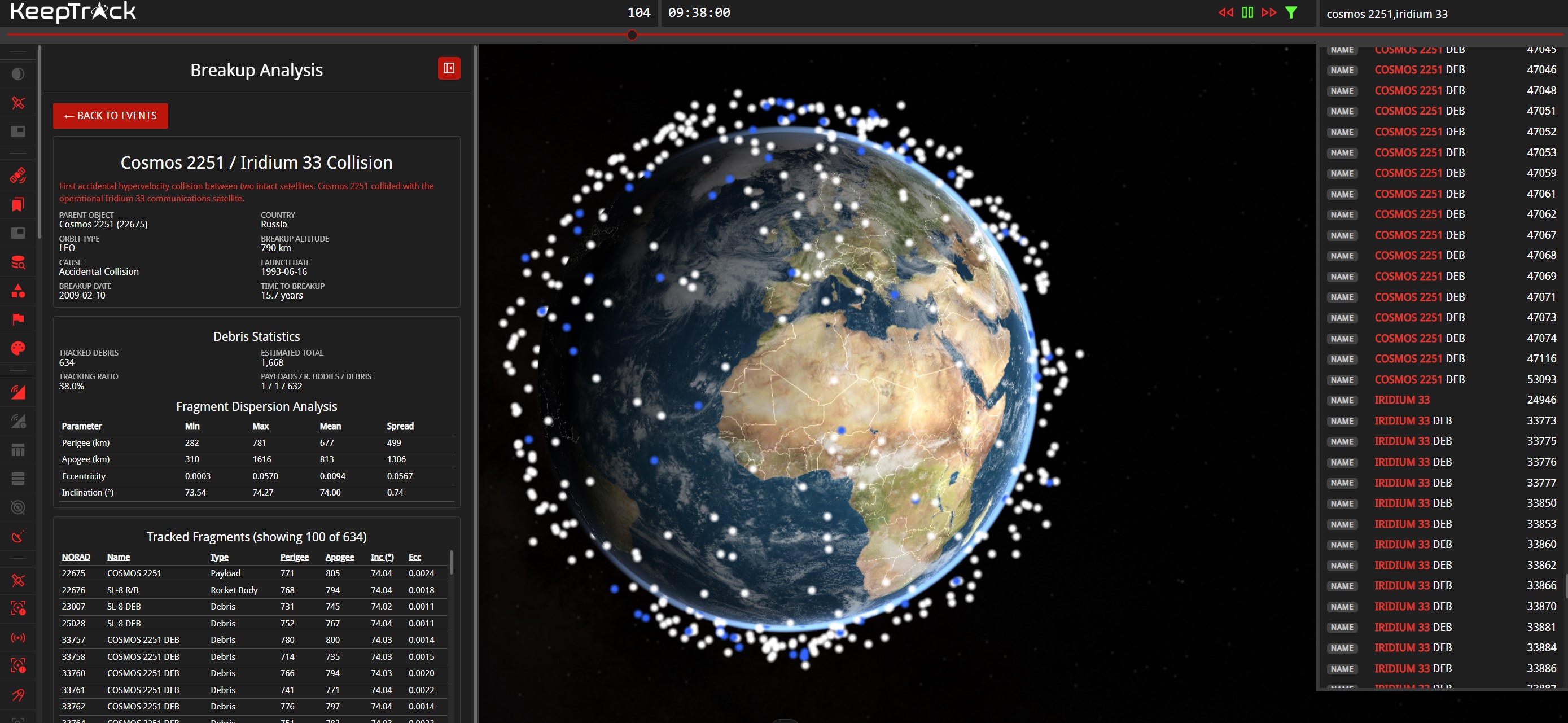
On February 10, 2009, an active Iridium communications satellite and a derelict Soviet military spacecraft slammed into each other 789 kilometers above Siberia. The collision produced more than 2,300 pieces of trackable debris that are still up there. Seventeen years later, the Iridium-Cosmos collision remains the event that made space debris a policy problem the world could no longer ignore.
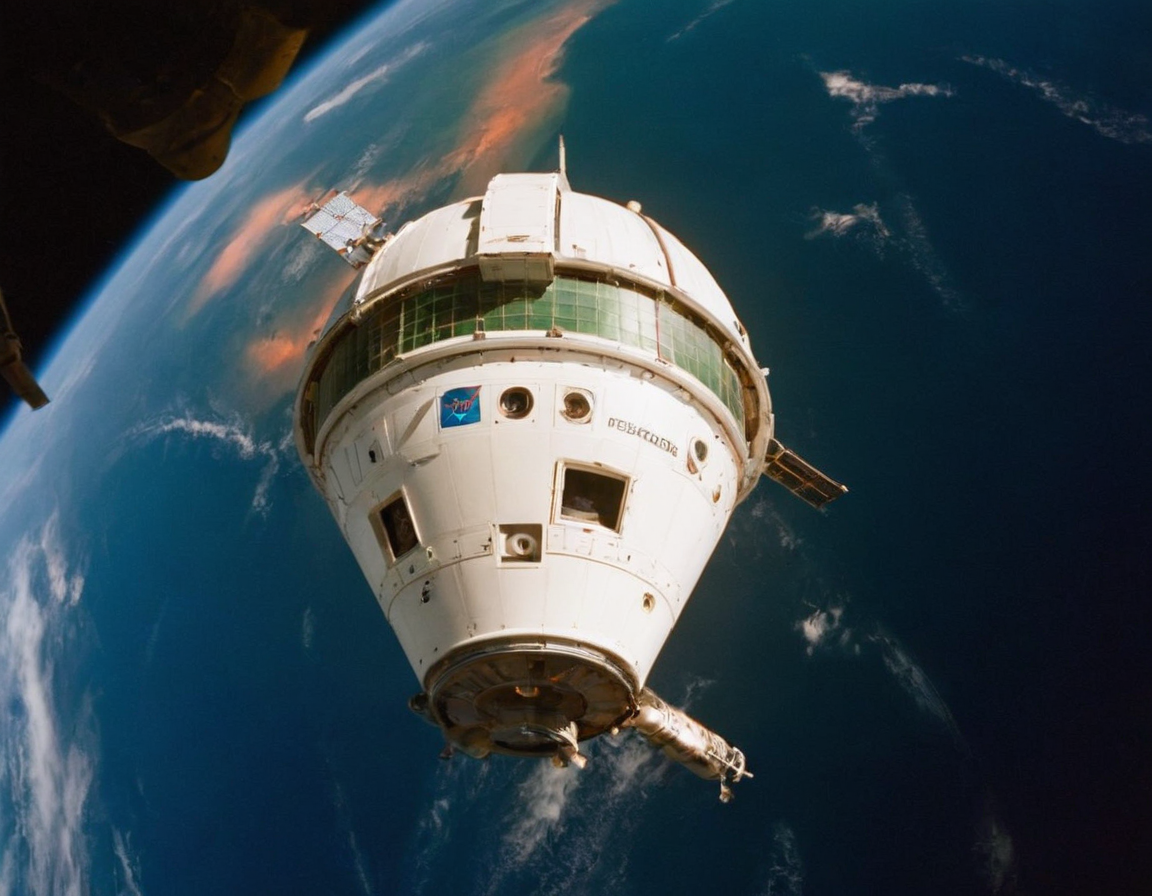
Boeing's Starliner spacecraft encounters thruster problems and helium leaks during its first crewed mission, potentially delaying the return of NASA astronauts from the International Space Station.

SpaceX receives FAA clearance for Starship Flight 10 and celebrates its 100th Falcon 9 launch of the year, successfully deploying 24 Starlink satellites.