

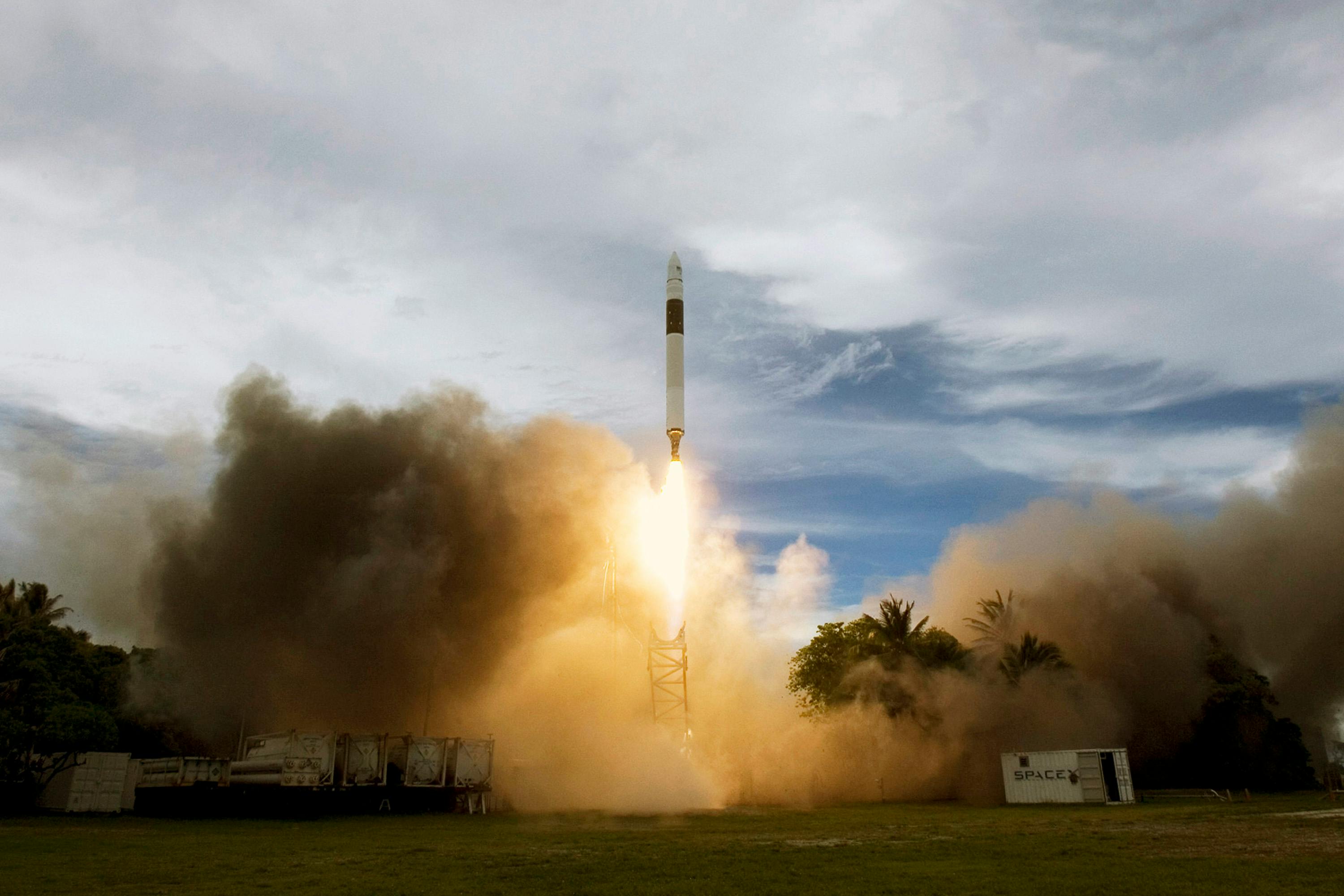
SpaceX Logs Record 165 Launches in 2025, X Report 1 Jan 2026
SpaceX number of launches in 2025: a record 165 orbital flights. Starlink added 4.6M customers across 35 new markets; new Vandenberg pad offered.


Launch Date
September 15, 2020
Launch Site
SEAL
Launch Pad
LP2
Launch Vehicle
Chang Zheng 11
NORAD ID
46463
International Designator
2020-065K
Decay Date
2/21/2021
Name
CZ-11 R/B
Alternative Name
CZ-11H Y2 Stage 4
Type
Status
Owner
CASC
Country
China
Constellation
N/A
Related Satellites
Major Events
N/A
Length
1.5
Diameter
1.5
Span
1.5
Dry Mass
500
Launch Mass
500
Shape
Cyl
Radar Cross Section
Unknown
Visual Magnitude
Unknown
Color
Unknown
Material Composition
Unknown
Payload
CZ-11-4
Purpose
Unknown
Mission
Unknown
Manufacturer
CALT
Life Expectancy
Unknown
Bus
CZ-11-4
Configuration
Unknown
Motor
Unknown
Equipment
Unknown
Power System
Unknown
ADCS
Unknown
Transmitter Frequency
Unknown
Learn more about satellites and other related topics.
SpaceX number of launches in 2025: a record 165 orbital flights. Starlink added 4.6M customers across 35 new markets; new Vandenberg pad offered.
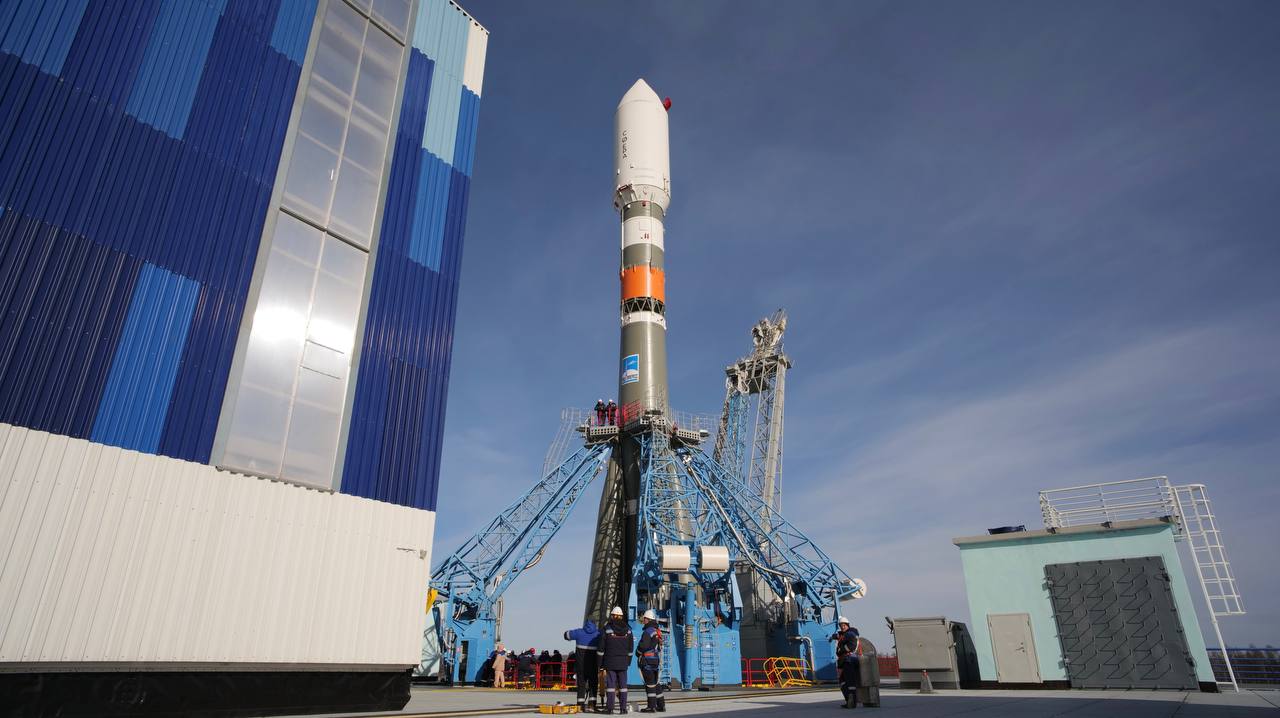
Today's highlights include the U.S. military's satellite initiative facing delays, Senate inquiries into high-profile calls, and an update on Pentagon's UFO investigations. Notable mentions also cover Morocco's defense sector ambitions.
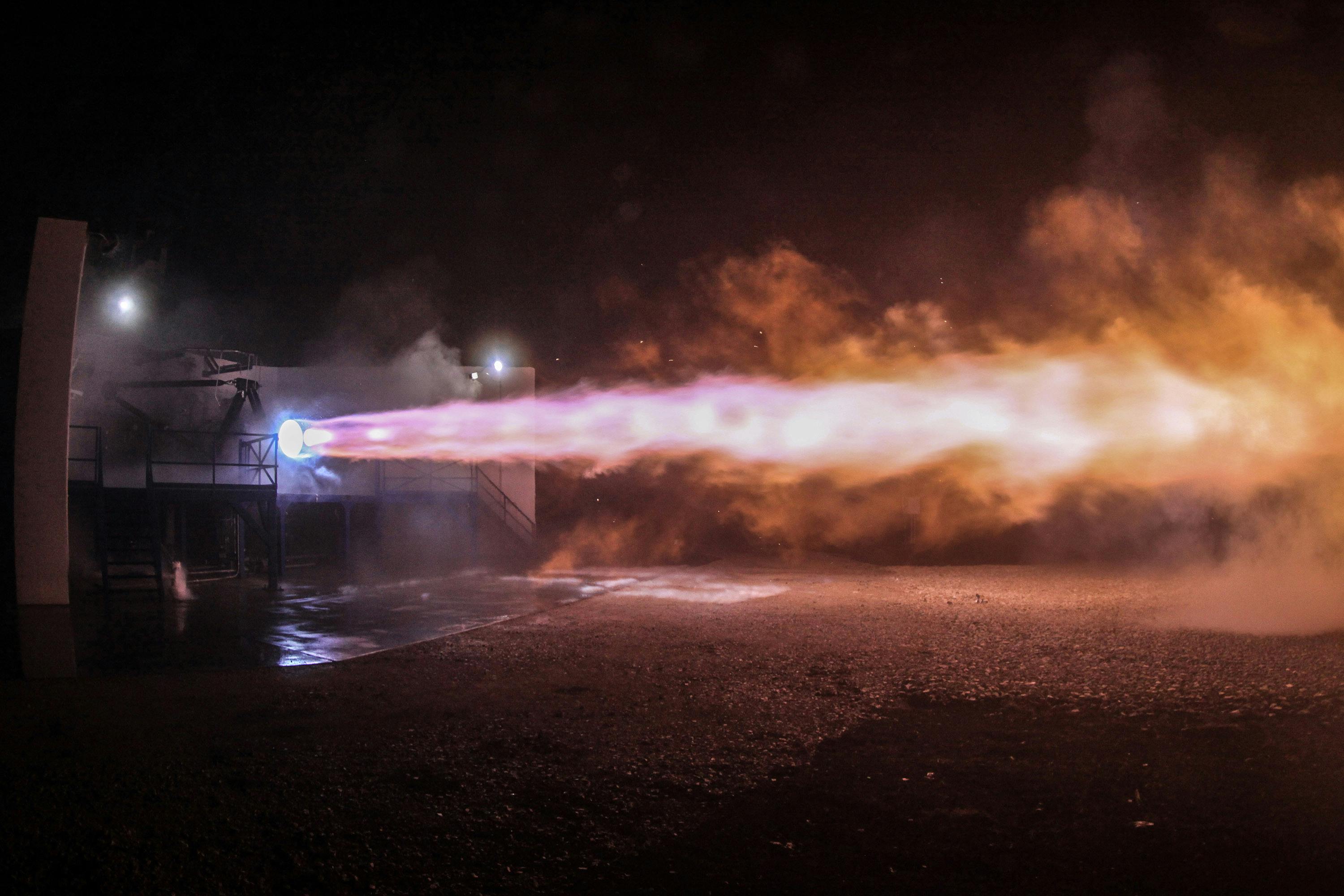
A Falcon 9 booster sets a reusability record on its 35th flight during the Starlink 10-35 mission, the constellation's 53rd dedicated launch.
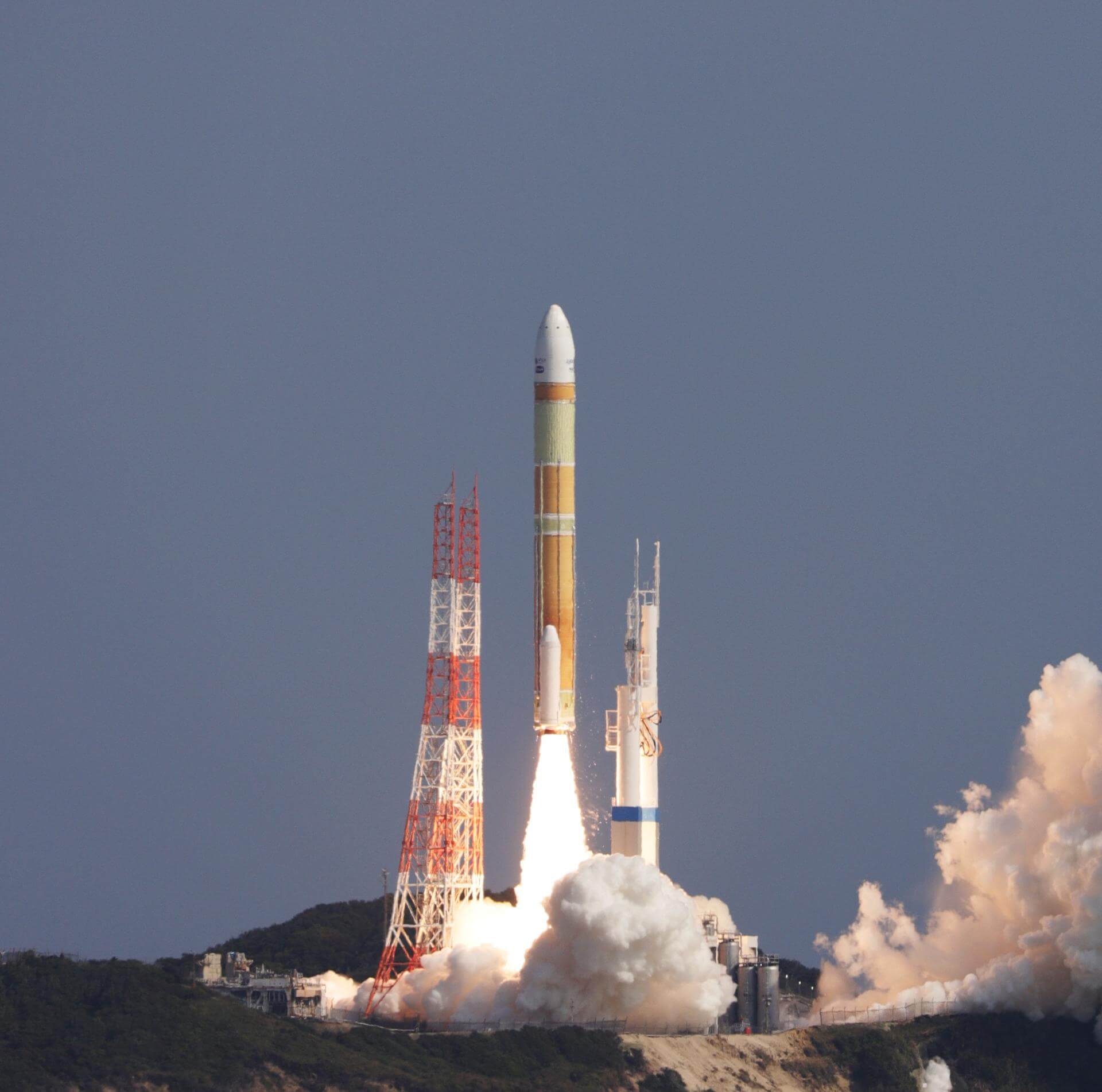
Today's highlights include defense sector investments, major military contracts with Rocket Lab, and a glimpse at new American Innovation dollar coins featuring space achievements.
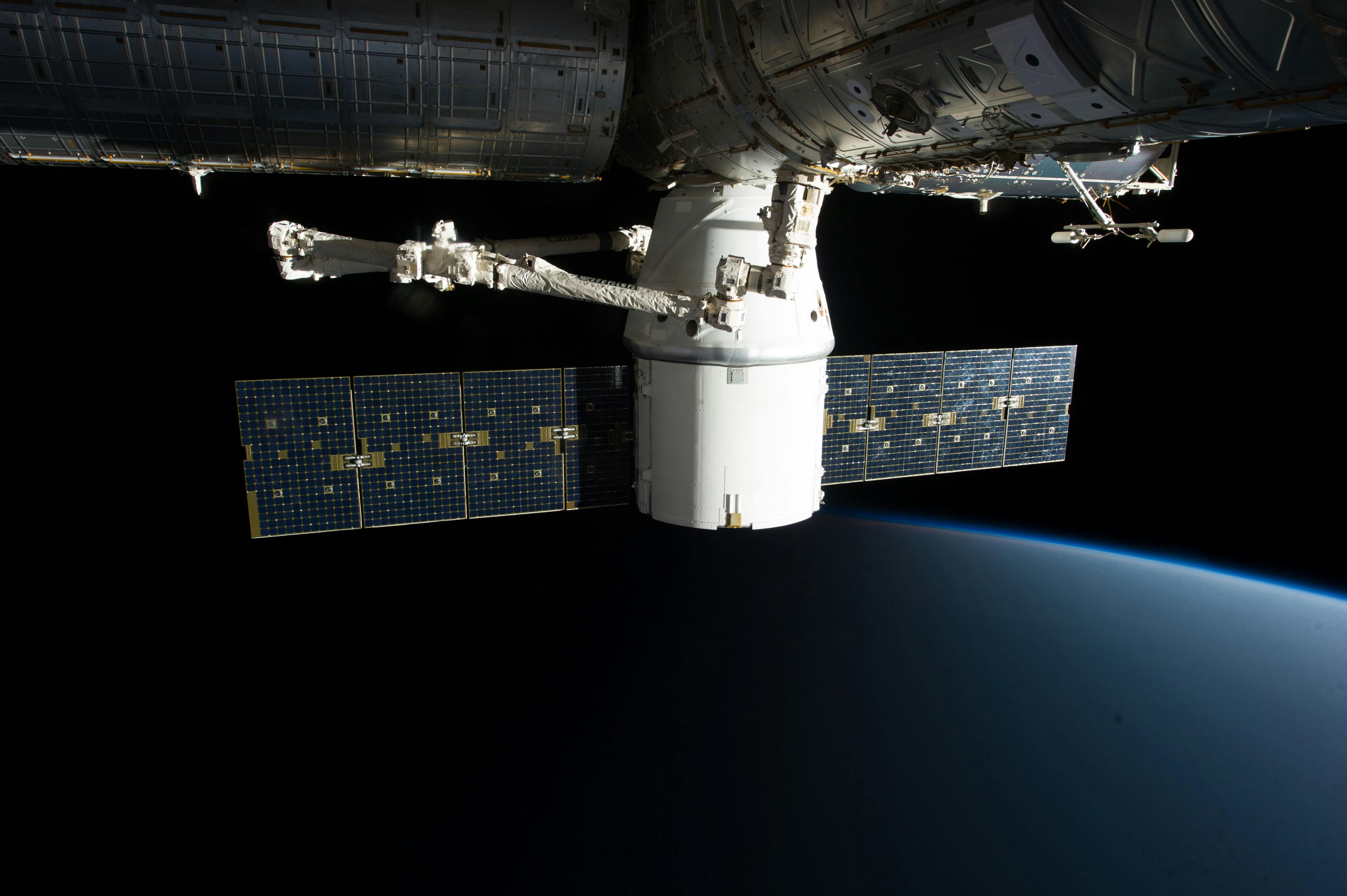
SpaceX acquires Cursor AI maker Anysphere for $60B in its first post-IPO deal, as Falcon 9 lofts 3 Block 2 BlueBird satellites for AST SpaceMobile.

Today's brief focuses on Blue Origin's scrubbed New Glenn launch, SpaceX's reusability milestone, and a warning from the US Air Force about China's advancements in space capabilities. We're also highlighting a key satellite in orbit.

SpaceX delays the launch of 23 Starlink satellites due to geomagnetic storm concerns, adjusting the schedule for an upcoming Falcon 9 mission.
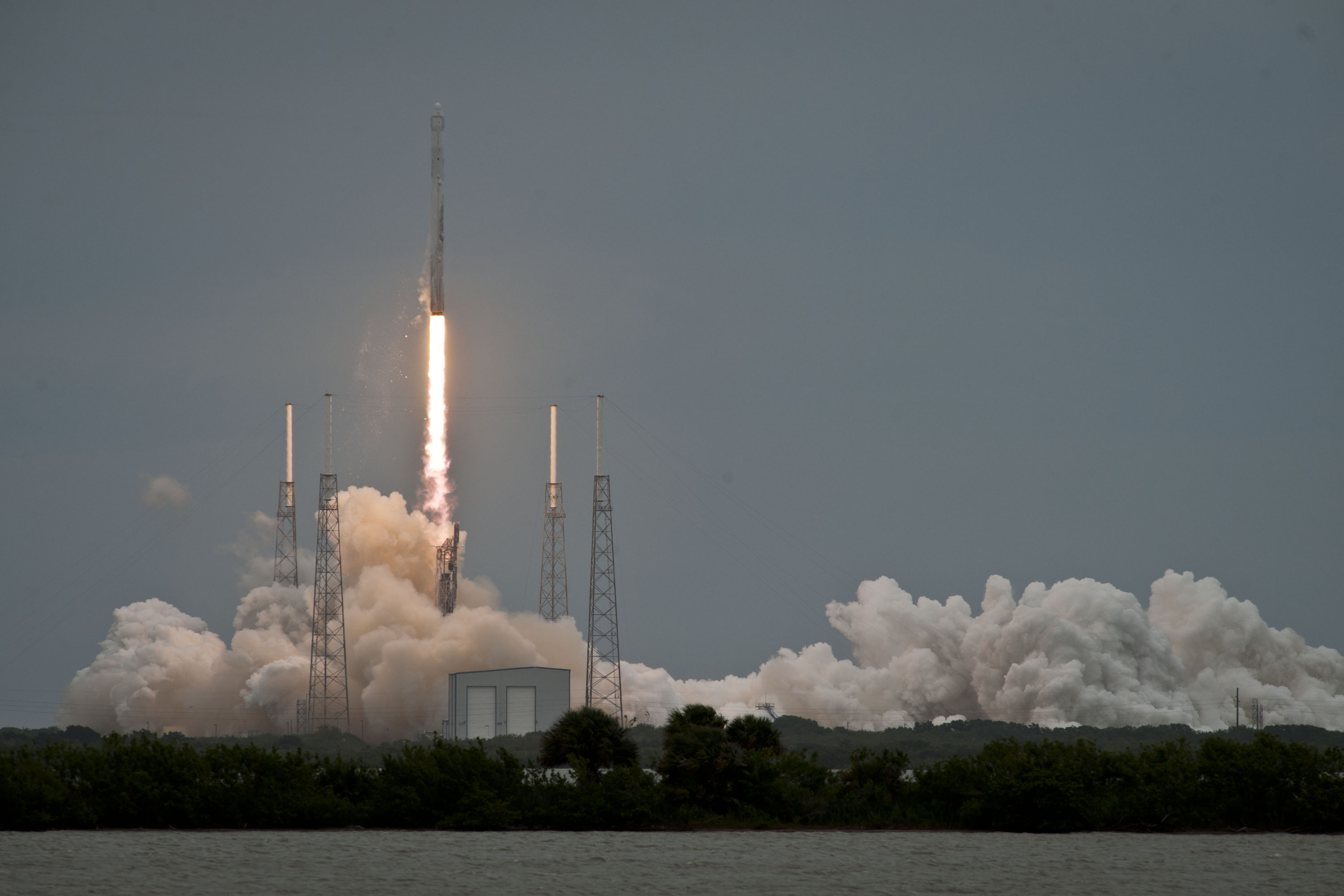
On April 18, 2014, a Falcon 9 first stage did something no orbital rocket had ever done before. It fired its engines on the way down, steered itself through the atmosphere using grid fins that did not yet exist, and touched the Atlantic Ocean softly enough to survive the impact. Nobody recovered it. The data was the whole point.