H-2A DEB (46423)

COSPAR: 2018-084CE | Alt Name: deb H-2A F40 Adapter C
DECAYED

Image
H-2A DEB Satellite Image
Additional Sources
Launch Details

Launch Date

October 29, 2018

Launch Site

TANSC

Launch Pad

Y

Launch Vehicle

H-IIA 202

Orbital Elements

NORAD ID

46423

International Designator

2018-084CE

Decay Date

11/15/2020

Basic Satellite Info

Name

H-2A DEB

Alternative Name

deb H-2A F40 Adapter C

Type

Debris

Status

Space Junk

Owner

JAXA

Country

Japan

Constellation

N/A

Related Satellites

Major Events

N/A

Summary
Space debris, also known as space junk, encompasses all non-functional objects orbiting Earth such as defunct satellites, spent rocket stages, and fragments from collisions or disintegrations. Over time, this debris can accumulate and create an increasingly hazardous environment in orbit. Even tiny fragments, traveling at extremely high velocities, can inflict significant damage on operational satellites and spacecraft. If left unmanaged, the density of debris raises the risk of catastrophic collisions and further fragmentation, compounding the problem and threatening the safety and sustainability of space activities.
Physical Characteristics

Length

0

Diameter

0

Span

0

Dry Mass

0

Launch Mass

0

Shape

N/A

Radar Cross Section

Unknown

Visual Magnitude

Unknown

Color

Unknown

Material Composition

Unknown

Technical Details

Payload

Unknown

Purpose

Unknown

Mission

Unknown

Manufacturer

MHITO

Life Expectancy

Unknown

Bus

Unknown

Configuration

Unknown

Motor

Unknown

Equipment

Unknown

Power System

Unknown

ADCS

Unknown

Transmitter Frequency

Unknown

Satellite Articles

View All Posts »

Learn more about satellites and other related topics.

Rocket Lab Acquires 66-Satellite Iridium Constellation | KeepTrack Space Brief

Rocket Lab Acquires 66-Satellite Iridium Constellation | KeepTrack Space Brief

Rocket Lab to acquire Iridium's 66-satellite LEO constellation for end-to-end vertical integration. Deal includes spacecraft manufacturing, launch, and on-orbit operations control.

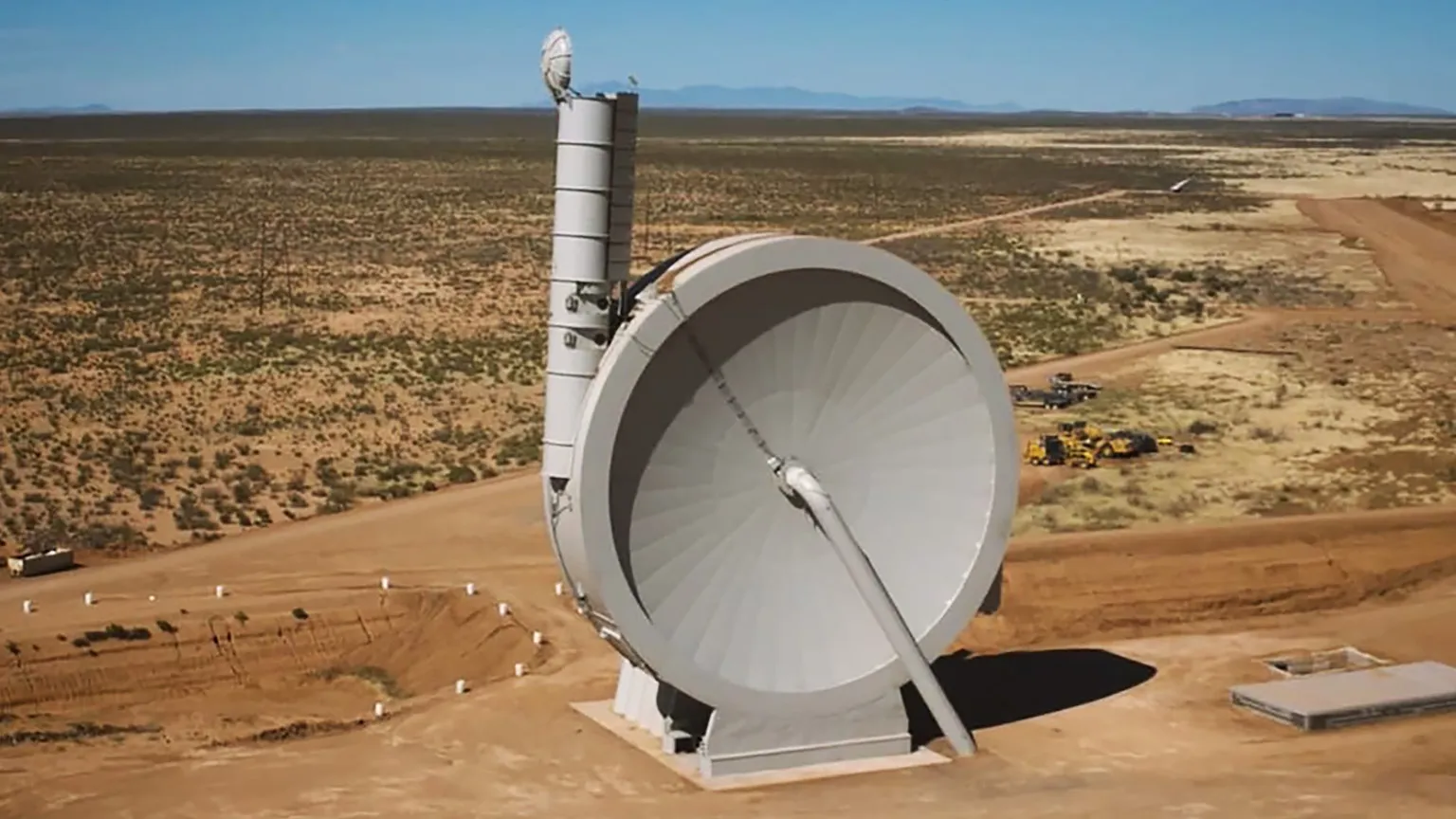
SpinLaunch's Kinetic Launch System

SpinLaunch's Kinetic Launch System

How a California startup's massive centrifuge could transform space access by eliminating rocket fuel, reducing costs by 70%, and enabling daily satellite launches - if it can overcome the physics of scaling from suborbital tests to orbital reality

Space Brief 10 Jun 2025

Space Brief 10 Jun 2025

Today's brief covers increased Space Force funding, a renewed focus on nuclear power in space, a proposed US missile defense system, new defense budget revelations, and NATO's call for increased air defenses.

X Report 31 Jul 2025

X Report 31 Jul 2025

Today's highlights include the ongoing Crew-11 mission launch and Starship preparations for its upcoming test flight.

Space Brief 8 Mar 2025

Space Brief 8 Mar 2025

Today's Space Brief covers the landing of the X-37B spaceplane after a 434-day mission, the postponement of SDA's satellite launch, and the fiery debris from SpaceX's Starship over The Bahamas.

Nuclear Renaissance Surges in Space, Pentagon Invests $1B in L3Harris Missiles | KeepTrack Space Brief

Nuclear Renaissance Surges in Space, Pentagon Invests $1B in L3Harris Missiles | KeepTrack Space Brief

Demand surges for nuclear power in space including lunar surface reactors. Pentagon commits $1B as anchor investor in L3Harris missile unit. Orbion delivers 33 electric thrusters for military sats.

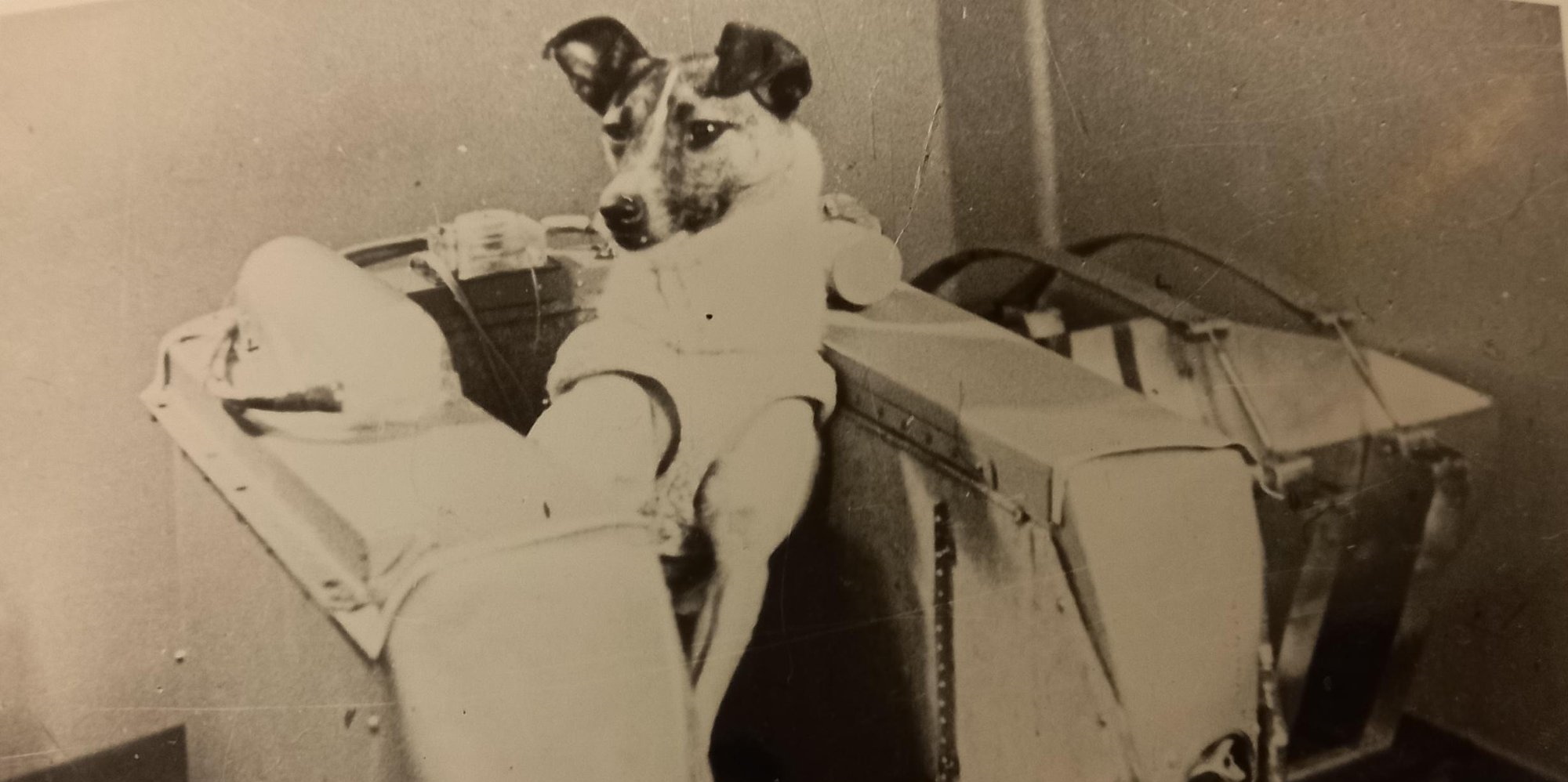
The Dog They Never Planned to Bring Home

The Dog They Never Planned to Bring Home

On April 14, 1958, Sputnik 2 burned up over the North Atlantic, carrying the remains of a stray dog from Moscow who had been dead for five months. The Soviet Union told the world she survived for days. It took forty-five years for the truth to come out.

The Multi-Orbit Myth? Why One Startup Thinks the Satellite Industry Got It Wrong

The Multi-Orbit Myth? Why One Startup Thinks the Satellite Industry Got It Wrong

The satellite industry's biggest operators are betting on multi-orbit architectures that combine LEO, MEO, and GEO into unified networks. A San Francisco startup called Contrivian thinks they've overcomplicated the problem, and the physics might be on its side.