


X Report 1 Apr 2025
SpaceX launches its first crewed mission over Earth's poles and FAA concludes investigation into the Starship Flight 7 incident.


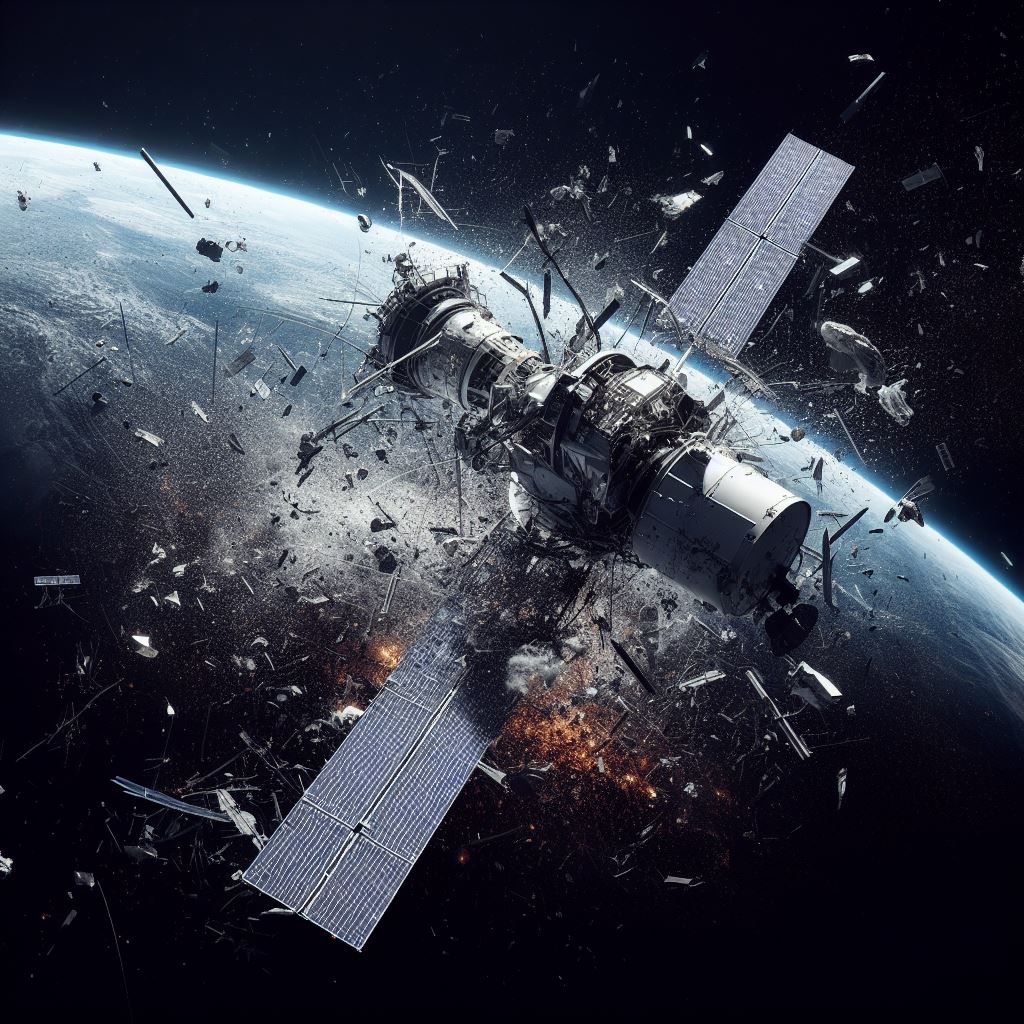
Launch Date
September 3, 2020
Launch Site
Launch Pad
LC39A
Launch Vehicle
NORAD ID
46385
International Designator
2020-062BN
Decay Date
9/29/2020
Name
FALCON 9 DEB
Alternative Name
Starlink deployment rail
Type
Status
Owner
SPXS
Country
United States
Constellation
N/A
Related Satellites
Major Events
N/A
Length
7
Diameter
0.02
Span
7
Dry Mass
100
Launch Mass
100
Shape
Cyl
Radar Cross Section
Unknown
Visual Magnitude
Unknown
Color
Unknown
Material Composition
Unknown
Payload
Unknown
Purpose
Unknown
Mission
Unknown
Manufacturer
SPXS
Life Expectancy
Unknown
Bus
Unknown
Configuration
Unknown
Motor
Unknown
Equipment
Unknown
Power System
Unknown
ADCS
Unknown
Transmitter Frequency
Unknown
Learn more about satellites and other related topics.
SpaceX launches its first crewed mission over Earth's poles and FAA concludes investigation into the Starship Flight 7 incident.
SpaceX targets three launches this week including a rideshare mission with India's ISRO into Sun-Synchronous Orbit. Starlink network continues expanding with ongoing satellite deployments.

Key military and technology developments in space; US Space Force and Army strategize national security with new rocket certifications and space training initiatives.

Today's briefs cover SpaceX landing a Falcon 9 in The Bahamas, first disabled astronaut prepped for a mission, and key company updates from Blue Origin and K2 Space.
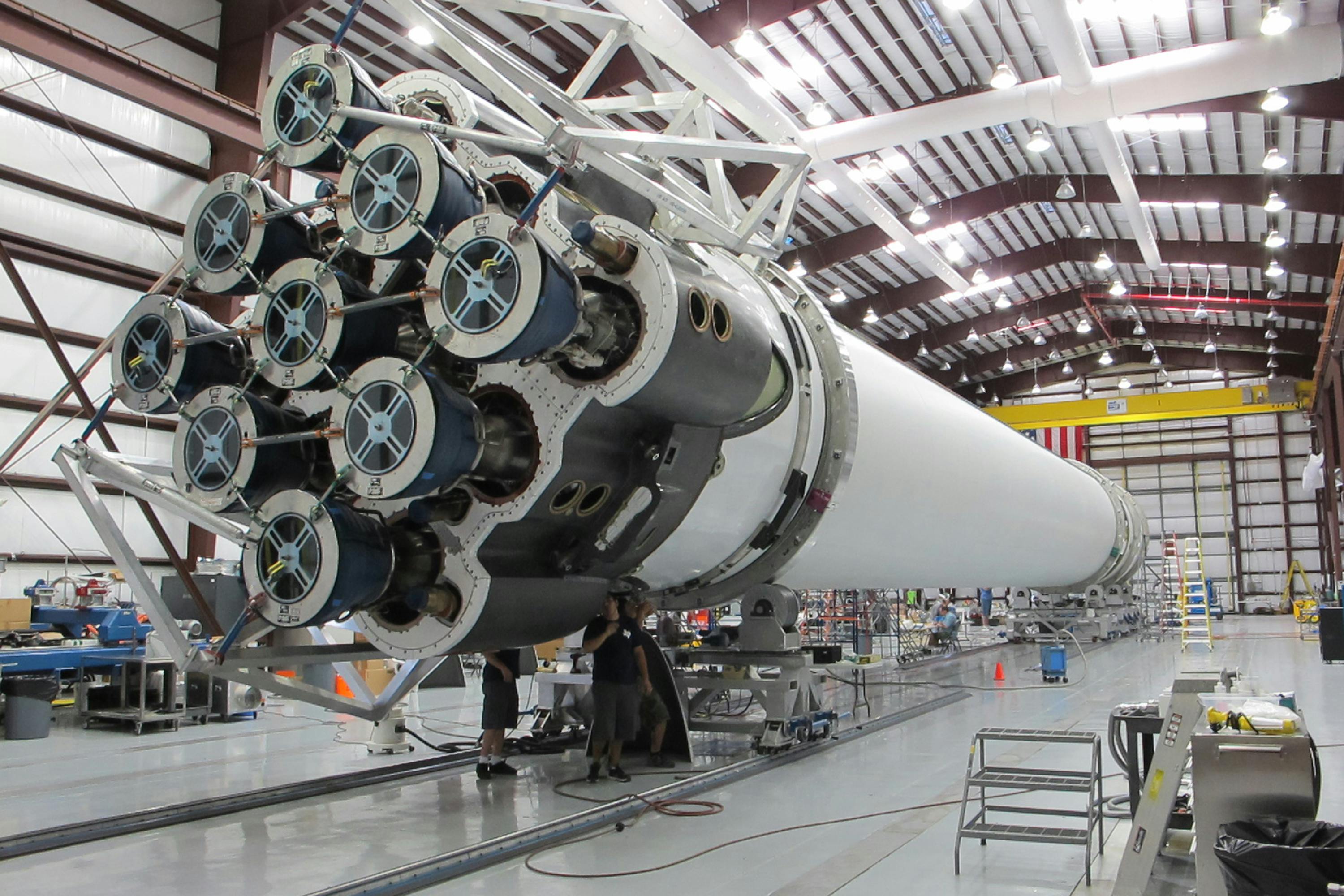
SpaceX makes strides in various sectors, from Starlink expanding services on United Airlines to new hardware aimed at enhancing home connectivity.
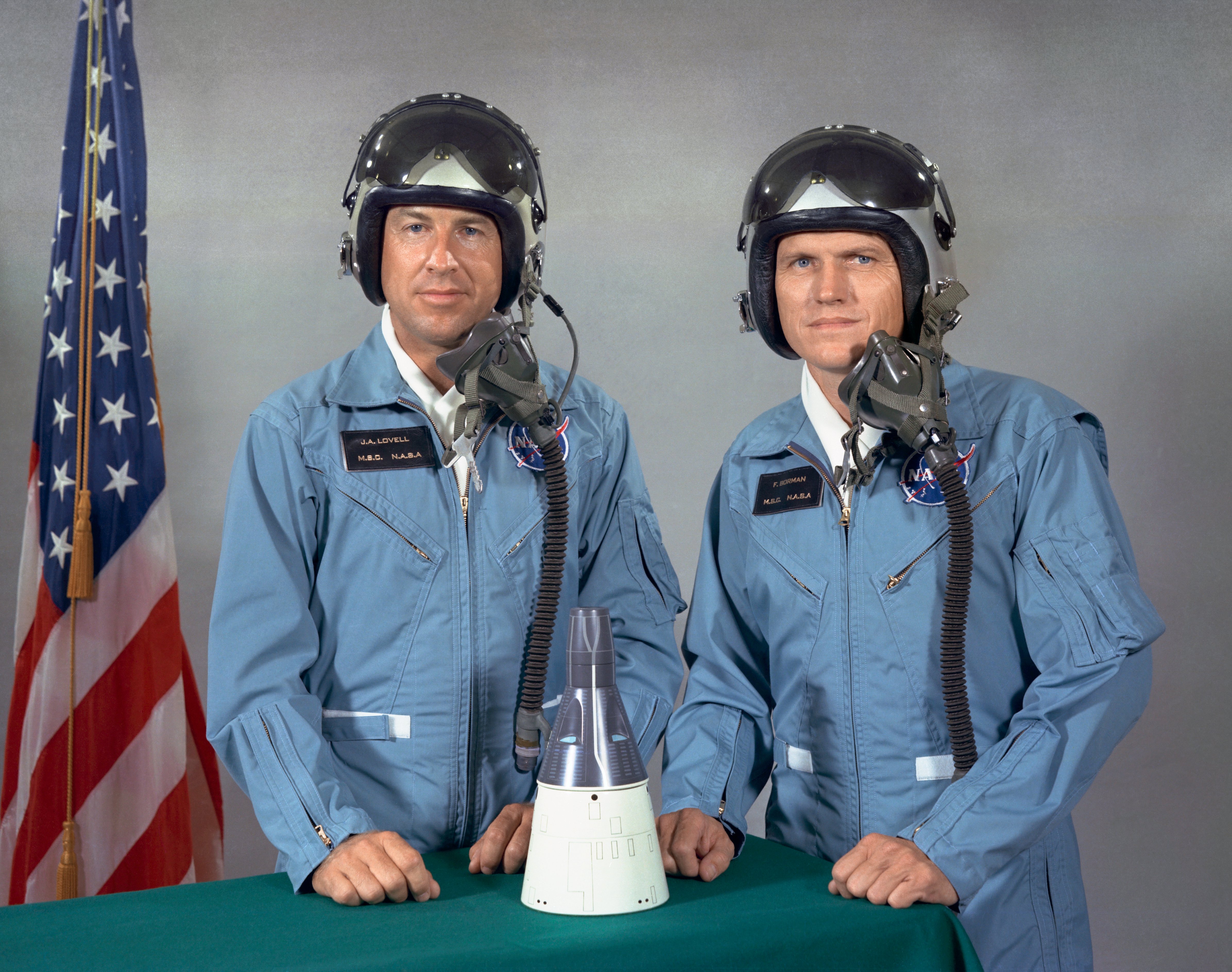
Sixty years ago, Frank Borman and James Lovell launched aboard Gemini 7 for a grueling 14-day mission that would prove humans could endure the journey to the moon and achieve the first true rendezvous in space
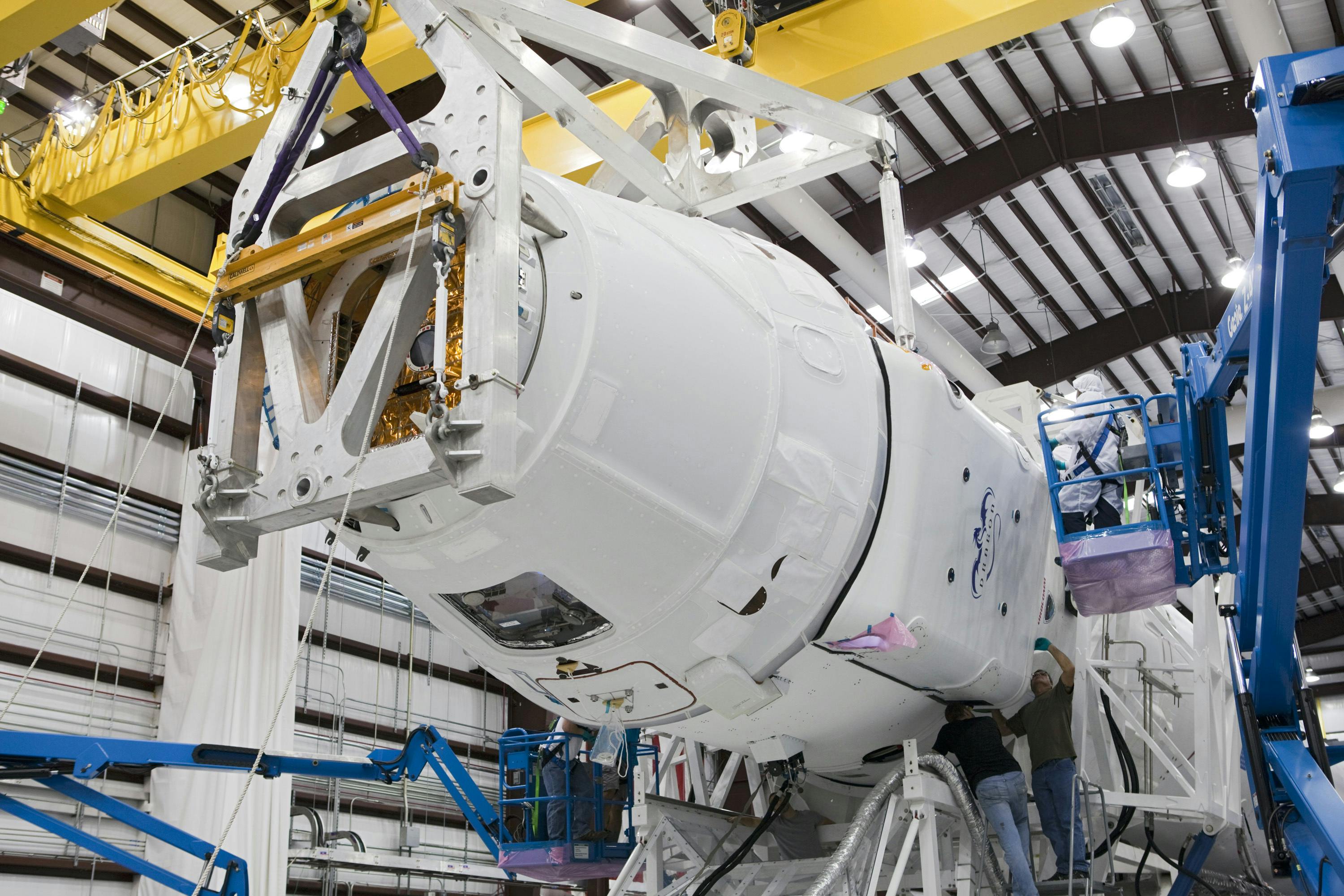
Elon Musk denies Starlink price reductions are driven by Amazon Kuiper competition. SpaceX launches 29 Starlink satellites in 18th constellation mission of 2026. Five more coming this week.
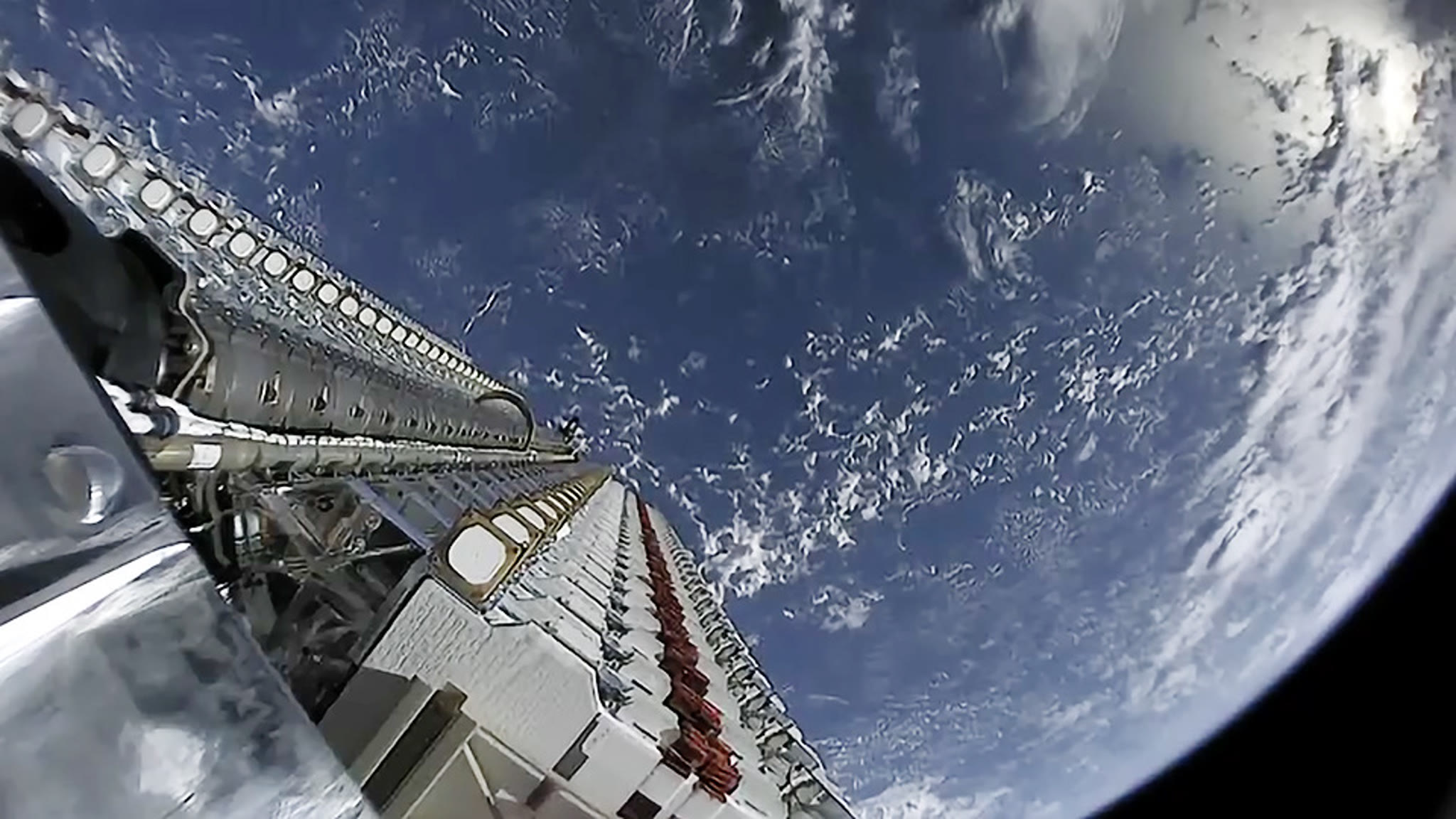
Starlink satellites fired their thrusters to dodge a collision roughly 300,000 times in 2025, about 822 times a day. Behind that number is a fragile, half-automated system of warnings, probabilities, and judgment calls that decides which close approaches are worth a maneuver and which are just noise.