


Space Brief 12 Dec 2024
U.S. Space Force's Europe operations amidst Ukraine conflict, Maxar's new partnership, integration of military and commercial tech, and the Pentagon's new AI initiatives shape today's space discourse.



Launch Date
September 3, 2020
Launch Site
Launch Pad
LC39A
Launch Vehicle
NORAD ID
46383
International Designator
2020-062BL
Epoch
Sat, 04 Jul 2026 00:44:51 GMT
Apogee
Calculating...
Perigee
Calculating...
Inclination
53.04°
Right Ascension
98.10°
Eccentricity
Calculating...
Argument of Perigee
40.01°
Period
90.96 min
Mean Motion
15.83 rev/day
Latitude
Calculating...
Longitude
Calculating...
Altitude
Calculating...
Velocity
Calculating...
Name
STARLINK-1770
Alternative Name
Starlink 1770
Type
Status
Owner
SPXS
Country
United States
Constellation
N/A
Related Satellites
Major Events
N/A
1 46383U 20062BL 26185.03115216 .00149725 00000-0 67573-3 0 9994
2 46383 53.0369 98.0980 0002229 40.0132 320.1054 15.83083520323470
Source: Celestrak
Length
0.2
Diameter
2.8
Span
9
Dry Mass
248
Launch Mass
260
Shape
Box + pan
Radar Cross Section
Unknown
Visual Magnitude
Unknown
Color
Unknown
Material Composition
Unknown
Payload
Starlink V1.0-L11-59
Purpose
Communication
Mission
Communication
Manufacturer
SPXS
Life Expectancy
Unknown
Bus
Starlink
Configuration
Unknown
Motor
Krypton ion thrusters
Equipment
Ku/Ka-band payload (all), optical inter-satellite links (a few prototypes)
Power System
Solar arrays, batteries
ADCS
Unknown
Transmitter Frequency
Unknown
Learn more about satellites and other related topics.
U.S. Space Force's Europe operations amidst Ukraine conflict, Maxar's new partnership, integration of military and commercial tech, and the Pentagon's new AI initiatives shape today's space discourse.

Twelve years ago, South Korea successfully launched a satellite using its own launch vehicle and facilities for the first time, marking a crucial milestone in its journey to space independence
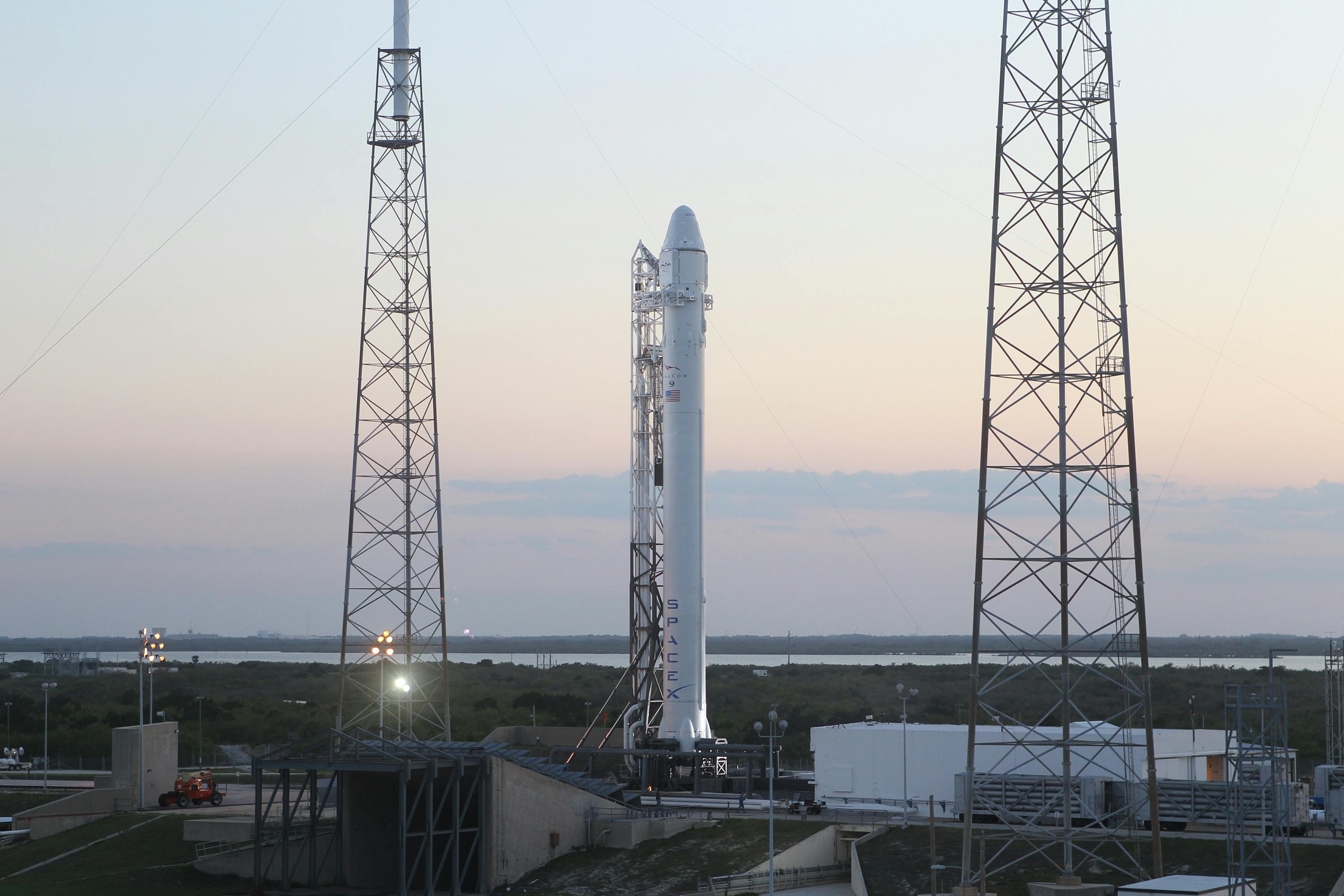
SpaceX successfully launched the Dror 1 satellite for Israel Aerospace Industries, marking another step forward in their launch capabilities.

SpaceX secures major contracts for U.S. national security launches, including multiple Falcon Heavy missions. Significant updates on Starlink deployments and the ongoing evolution of the company highlight a productive day in the space sector.

NASA's Van Allen Probe A (1,300 lbs) reenters today after 14 years studying Earth's radiation belts. Most debris will burn up; ocean impact statistically likely.
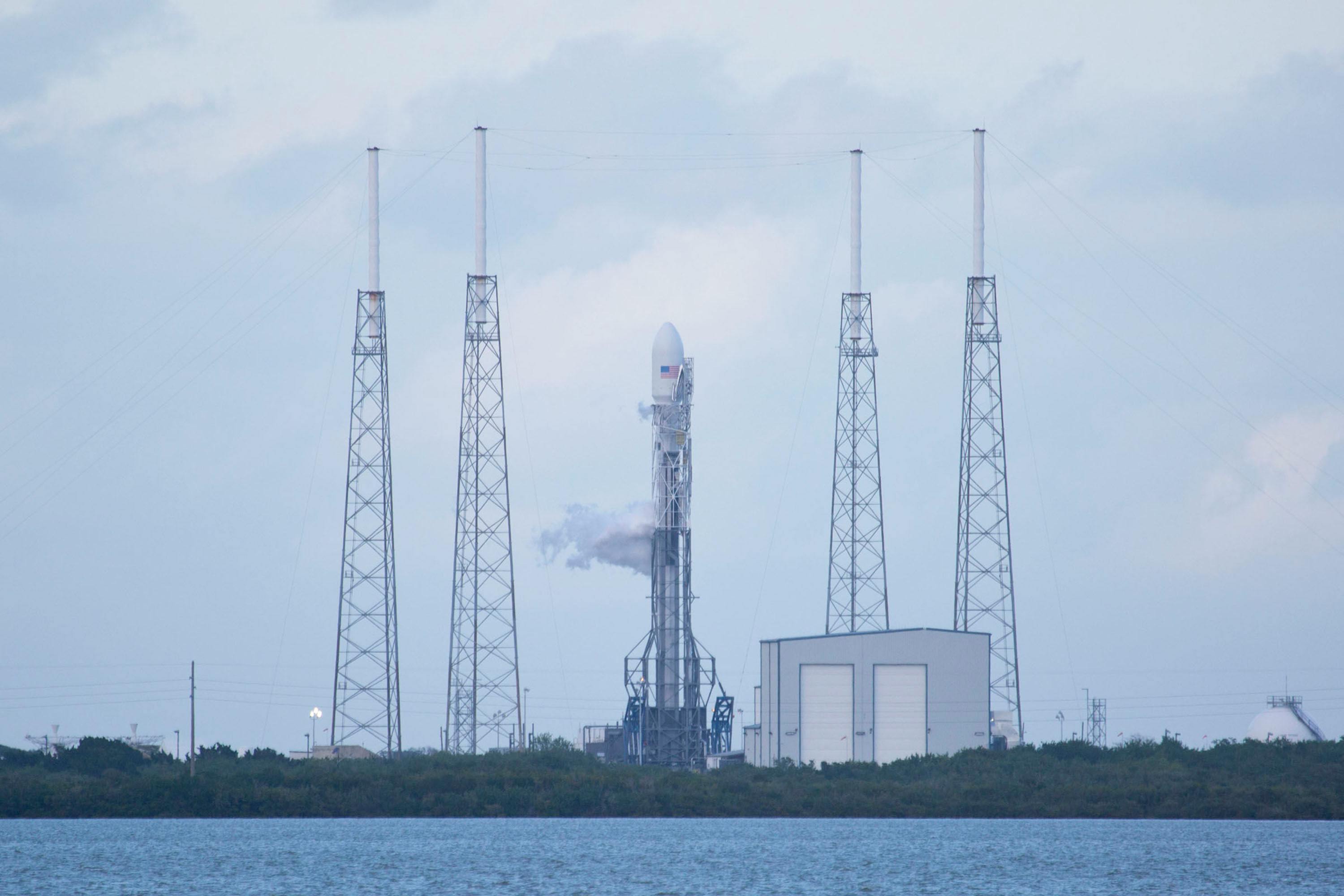
SpaceX achieves its 450th Falcon 9 launch, setting a new turnaround record, while its competitor ULA remains grounded, awaiting clearance from the Space Force.

Today's highlights include strategic shifts in the defense sector, innovations in solar technology for space, and developments in satellite-related military projects.

SpaceX continues to make waves with record launches and emerging challenges in its lunar endeavors. A new launch site on the West Coast promises to ramp up capacity, even as the Falcon 9 prepares for its eventual retirement.