STARLINK-1665 (46356)

COSPAR: 2020-062AH | Alt Name: Starlink 1665

Image
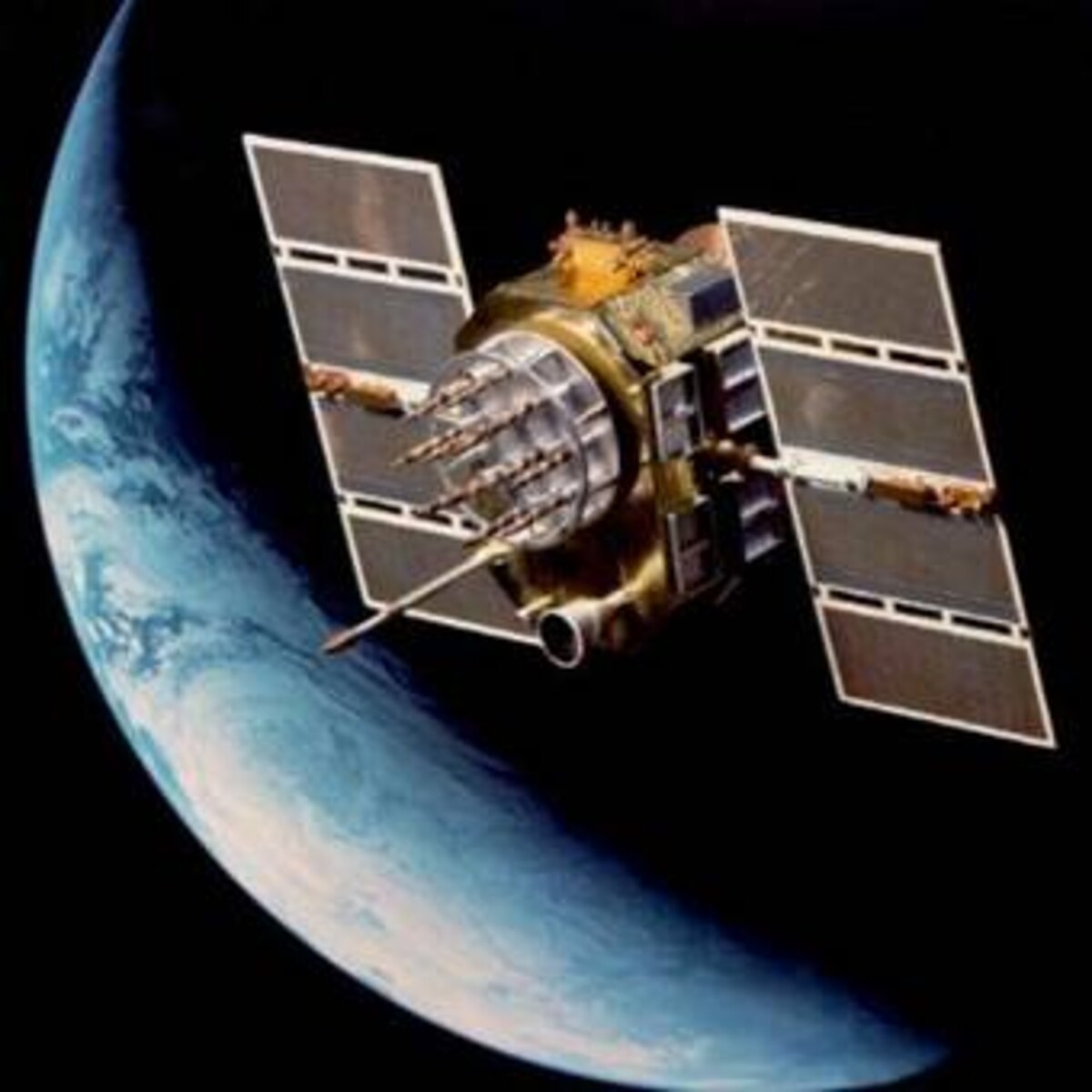
STARLINK-1665 Satellite Image
Additional Sources
Launch Details

Launch Date

September 3, 2020

Launch Pad

LC39A

Launch Vehicle

Falcon 9

Orbital Elements

NORAD ID

46356

International Designator

2020-062AH

Epoch

Sat, 27 Jun 2026 02:21:32 GMT

Apogee

Calculating...

Perigee

Calculating...

Inclination

53.02°

Right Ascension

147.18°

Eccentricity

Calculating...

Argument of Perigee

242.66°

Period

87.69 min

Mean Motion

16.42 rev/day

Latitude

Calculating...

Longitude

Calculating...

Altitude

Calculating...

Velocity

Calculating...

Polar Plot
3D Visualization
Basic Satellite Info

Name

STARLINK-1665

Alternative Name

Starlink 1665

Type

Payload

Status

Partially operational

Owner

SPXS

Country

United States

Constellation

N/A

Related Satellites

Major Events

N/A

Latest TLEs
1 46356U 20062AH  26178.09828745  .09495866  12368-4  50765-3 0  9998
2 46356  53.0154 147.1846 0007262 242.6624 117.3684 16.42186075322173

Source: Celestrak

Summary
The STARLINK-1665 satellite, also known as Starlink 1665, is a communication satellite belonging to SpaceX's Starlink constellation. Launched on September 3, 2020, from Kennedy Space Center Launch Complex 39A using a Falcon 9 launch vehicle, this spacecraft has dimensions of approximately 0.2 meters in length, 2.8 meters in diameter, and a span of 9 meters. It carries a Ku/Ka-band payload and features optical inter-satellite links on some prototypes. The satellite is equipped with Krypton ion thrusters for propulsion and solar arrays paired with batteries for power supply. Weighing 260 kg at launch and 248 kg dry, it serves the purpose of communication as part of SpaceX's broader mission to provide global internet coverage.

Starlink is a satellite constellation developed by SpaceX with the aim of providing global broadband internet coverage. Thousands of small satellites are deployed in low Earth orbit (LEO), enabling high-speed internet access even in remote areas. However, the rapid increase in satellites raises concerns about space debris and the potential for collisions, which can lead to further debris creation and endanger other spacecraft. Additionally, the sheer number of Starlink satellites can affect astronomical observations by increasing light pollution. Proper deorbiting plans and international coordination are essential to mitigate these challenges and ensure long-term sustainability in space.
Physical Characteristics

Length

0.2

Diameter

2.8

Span

9

Dry Mass

248

Launch Mass

260

Shape

Box + pan

Radar Cross Section

Unknown

Visual Magnitude

Unknown

Color

Unknown

Material Composition

Unknown

Technical Details

Payload

Starlink V1.0-L11-17

Purpose

Communication

Mission

Communication

Manufacturer

SPXS

Life Expectancy

Unknown

Bus

Starlink

Configuration

Unknown

Motor

Krypton ion thrusters

Equipment

Ku/Ka-band payload (all), optical inter-satellite links (a few prototypes)

Power System

Solar arrays, batteries

ADCS

Unknown

Transmitter Frequency

Unknown

Map
This tool will help you track the satellite's position and predict its upcoming passes over your location. Simply input the coordinates or click the geolocation button to get started.
Next Pass
Azimuth Elevation Time (Local)
Start Azimuth
Max Elevation
Stop Azimuth
Time Until
Pass Duration

Satellite Articles

View All Posts »

Learn more about satellites and other related topics.

Besxar Semiconductor Pods Launch on Starlink 10-50 | KeepTrack Space Brief

Besxar Semiconductor Pods Launch on Starlink 10-50 | KeepTrack Space Brief

SpaceX Falcon 9 launches Starlink 10-50 with two Besxar semiconductor manufacturing test pods. In-space fabrication experiment explores cost reduction for commercial payloads.

The Rise of Super Heavy-Lift Rockets

The Rise of Super Heavy-Lift Rockets

Super heavy-lift rockets are the most powerful launch vehicles ever built. They can send humans and cargo to the Moon, Mars, and beyond. But what are they, and why are they so important?

SpaceX Orbits 7.5-Ton SiriusXM Satellite & 24 Starlinks | KeepTrack X Report

SpaceX Orbits 7.5-Ton SiriusXM Satellite & 24 Starlinks | KeepTrack X Report

SpaceX completed two launches June 28, orbiting the 15,000-lb SXM-11 satellite and 24 Starlink V2 craft from Vandenberg.

The Day That Changed How We Navigate Forever

The Day That Changed How We Navigate Forever

Forty-seven years ago, an Atlas rocket carried the first GPS satellite into orbit, launching a revolution in navigation that would transform daily life across the globe

X Report 20 Mar 2025

X Report 20 Mar 2025

SpaceX successfully rotates Crew-9 and Crew-10 on the ISS and launches new Starlink satellites with direct-to-cell capability.

X Report 14 Nov 2024

X Report 14 Nov 2024

SpaceX prepares for Starship Flight 6 as it readies another doubleheader Starlink launch day, while NASA navigates a complex presidential transition.

Space Brief 18 Nov 2024

Space Brief 18 Nov 2024

Today’s Space Brief covers the deployment of a new optical sensor for the Space Force, SpaceX's recent Starlink satellite launch, and significant investment in space cargo vehicles.

Space Brief 23 Jan 2025

Space Brief 23 Jan 2025

Today's briefing covers the U.S. Space Force's substantial investments in commercial satellite services, a strategic military shift, Chinese space station upgrades, and NASA's policy changes.